
Roadway · Area · Landscape Lighting
Glass Optics for Street and Outdoor Lighting
Custom molded glass lenses, arrays and lamp covers for roadway, area, pathway, landscape and other outdoor luminaires. Each component is developed around the actual light source, target distribution, housing and service environment.
Custom Glass Optics for Street and Outdoor Lighting
Street and outdoor lighting is not one optical task. A road luminaire may need forward throw, lateral coverage and controlled cutoff, while a parking-area or landscape fixture may need a broad circular field, a narrow accent beam or a diffused protective cover. The glass part should therefore be selected after the illuminated area and mounting geometry are defined.
China Lampoptics supports pressed and molded lighting glass developed from controlled drawings, optical data or approved samples. The review links the LED package and emitting area to the lens position, target photometry, glass envelope and mechanical seat so the manufactured component can be evaluated in the intended luminaire.
Roadway, Area and Landscape Lighting Requirements
The application category determines what the optic must control and what information should be supplied before tooling.
| Application | Optical or component task | Required project input |
|---|---|---|
| Roadway and street luminaires | Forward and lateral light placement with controlled spill | Mounting height, road width, spacing, tilt and target intensity distribution |
| Parking and area lighting | Broad coverage with usable uniformity | Pole height, target boundary, minimum/average illuminance and source layout |
| Pathway and bollard lighting | Low-level distribution with glare management | Fixture height, path width, observer direction and shield geometry |
| Landscape and façade lighting | Spot, flood, wall-wash or asymmetric accent field | Throw distance, target size, beam edge and allowable spill |
| Outdoor industrial lighting | Optical control combined with a protective glass interface | Temperature, housing, gasket, cleaning, impact and environmental exposure |
Select the Optical Function Before the Glass Part
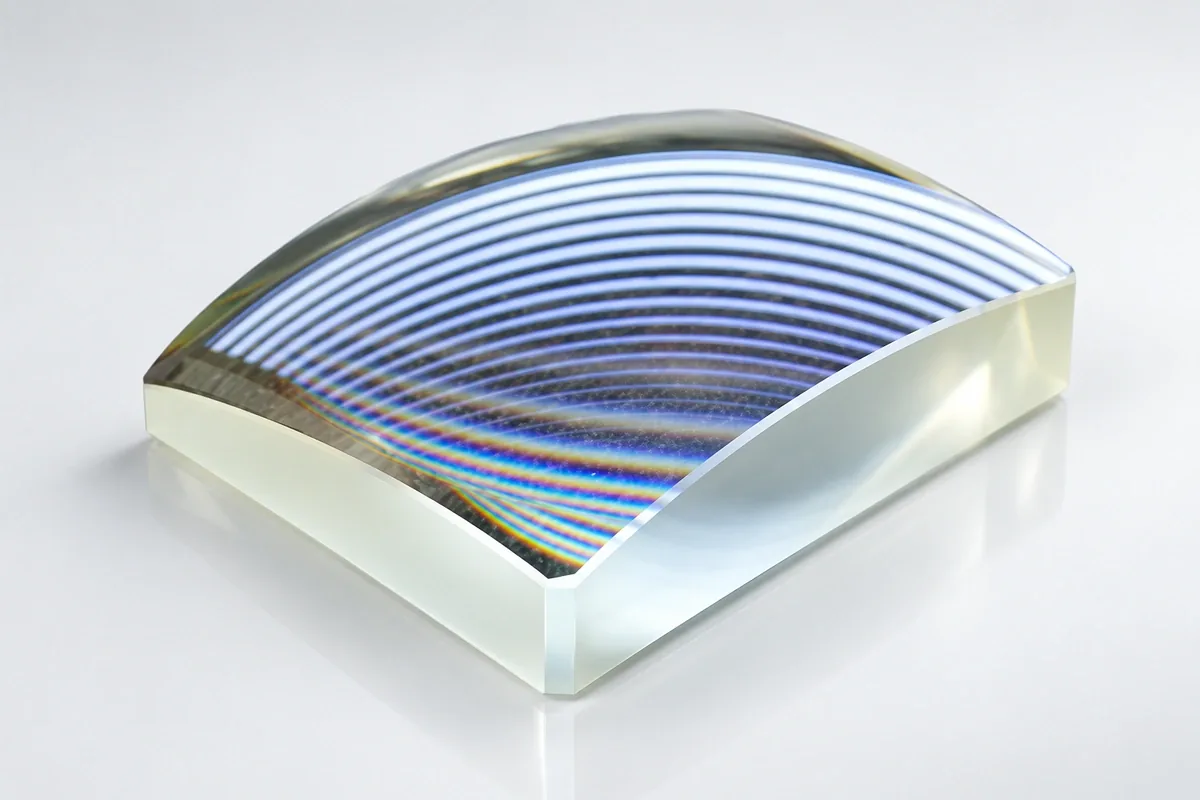
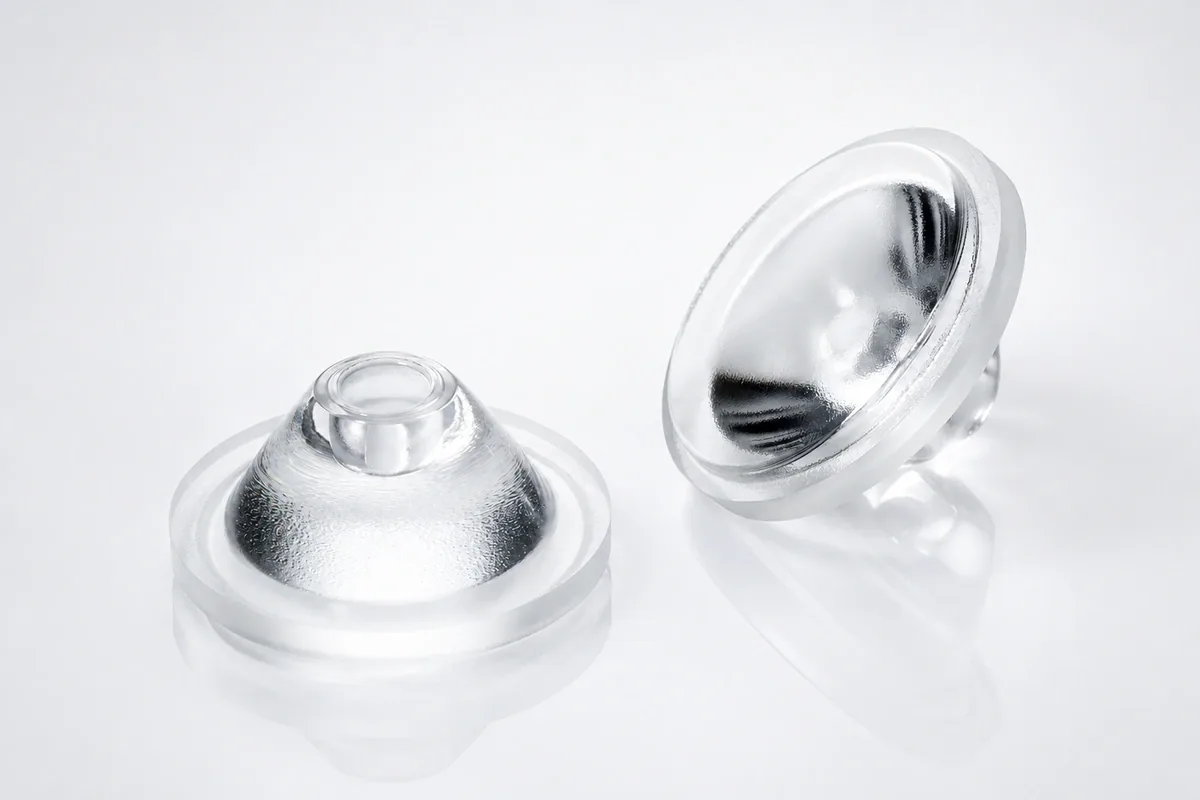
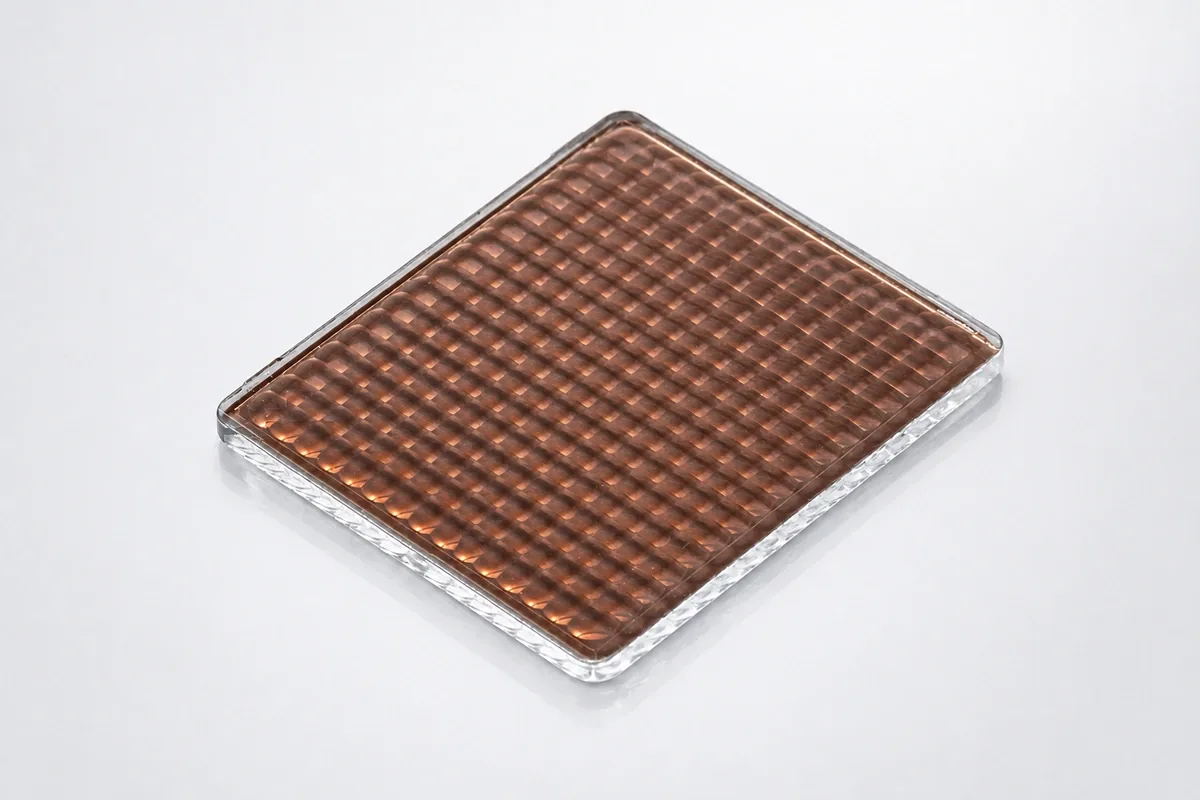
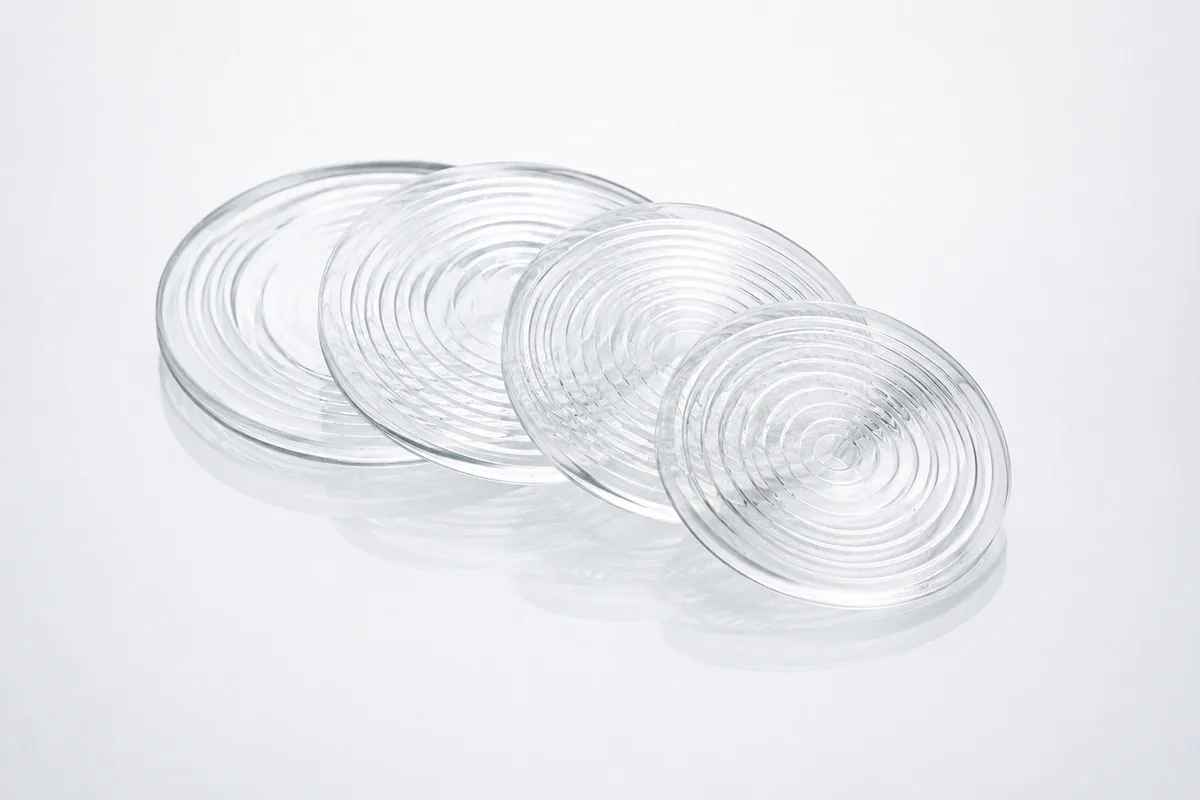
A freeform surface can place light into a rectangular or forward-throw field; a TIR lens can collect and redirect light in a compact envelope; a lens array follows a multi-LED layout; a Fresnel lens shortens the optical package; and a pressed cover can combine protection with diffusion, ribs or prisms. These are different functions, not interchangeable product names.
For custom optics, the source model, source-to-lens distance, optical axis and target coordinate system must stay under one revision. Outdoor durability is reviewed with the complete luminaire. Water ingress, impact and similar ratings belong to the housing, gasket, retainer and glass assembly rather than to an unsupported glass component alone.
Glass Products for Street and Outdoor Lighting
Use the table to identify the product family that matches the optical or protective role, then open the linked product pages for detailed manufacturing inputs.
| Product | Role | Key selection input |
|---|---|---|
| Freeform Glass Lenses | Asymmetric roadway, forward-throw or rectangular distribution | Target photometry, source position and clocking datum |
| TIR Glass Lenses | Compact LED collection and beam control | LED package, entrance cavity and angular target |
| Glass Lens Arrays | Multi-emitter street and area-light modules | PCB layout, lens pitch and module envelope |
| Fresnel Glass Lenses | Compact focusing or collimation | Focal length, aperture and groove orientation |
| Industrial Glass Lamp Covers | Environmental cover for outdoor light sources | Housing, gasket, temperature and impact duty |
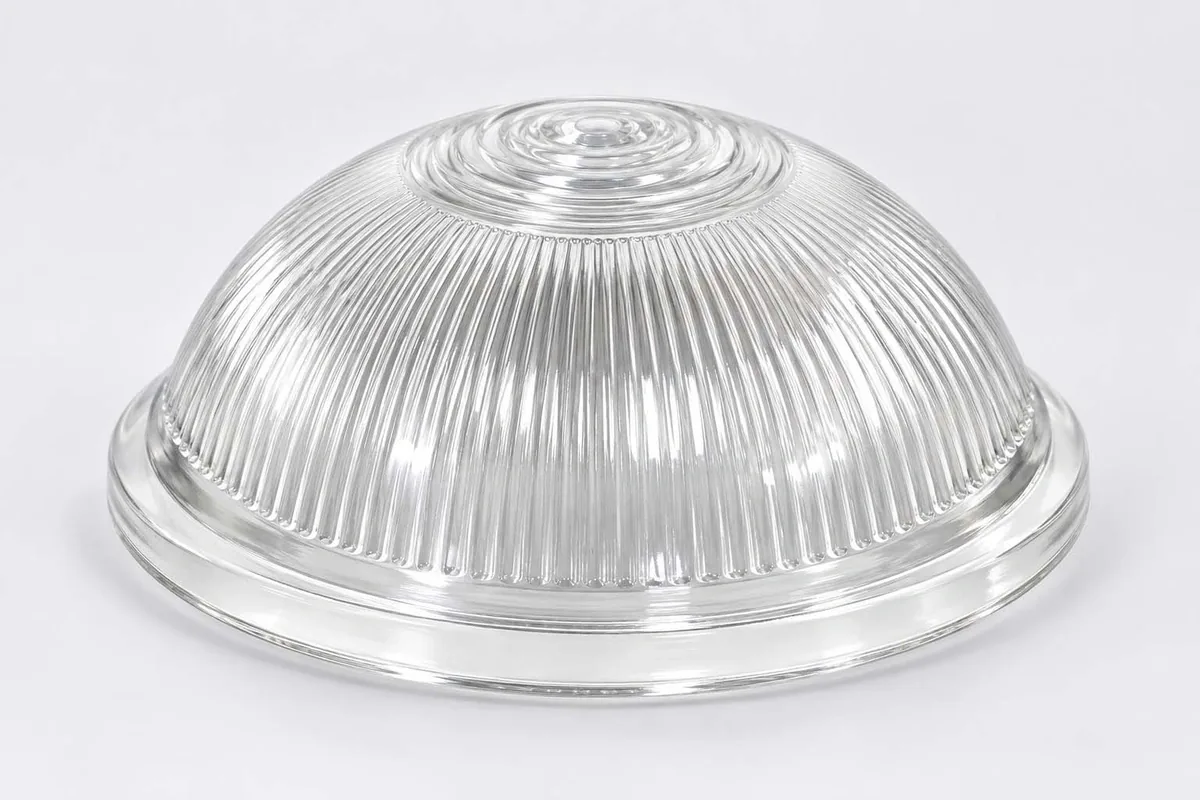
| Pressed Glass Lamp Shades | Molded refracting, diffusing or prismatic cover | Profile, mounting rim and distribution target |
Recommended Glass Products
From Photometric Target to Molded Glass Optic
- Define the lighting task with the actual installation geometry and an intensity or illuminance target.
- Freeze the production LED, emitting area, spectrum, PCB layout and source-position tolerances.
- Coordinate the optical surface with the lens seat, housing clearance, gasket and retaining method.
- Review glass forming, wall transitions, draft, clear aperture and any coating or strengthening route.
- Approve samples using the agreed dimensional, visual and photometric checks in the intended fixture setup.
Data Required for a Street Lighting Project
- LED manufacturer, model and package revision
- Mounting height, road or target dimensions and luminaire tilt
- Target IES, intensity map, illuminance field or beam-angle definition
- Lens envelope, source-to-optic distance, PCB and housing drawings
- Outdoor temperature, cleaning, sealing and impact requirements
- Annual quantity, drawing revision and sample-approval plan
Glass Optics for Street and Outdoor Lighting FAQs
Can Lampoptics make a custom glass street-light lens?
Yes. Feasibility is reviewed from the production light source, target distribution, mounting geometry and glass envelope. Optical-design responsibility and the acceptance method are agreed before tooling.
Which glass lens is suitable for an asymmetric roadway beam?
Freeform or other non-rotational molded optics are normally evaluated when the field must extend forward or laterally. The exact surface depends on the source and target photometry.
Can a glass cover provide an IP rating by itself?
No. Ingress protection is a complete-luminaire result involving the housing, gasket, retainer and glass interface. Lampoptics manufactures the glass to the released component requirements.
Can an existing outdoor lens be reproduced from a sample?
A sample can support geometry reconstruction, but the source position and required beam should also be supplied if optical function must be preserved.
What should be checked on first samples?
Critical dimensions, mounting fit, visible defects, residual stress and photometric performance should be checked under the agreed source and fixture conditions.


