Custom Fresnel Glass Lenses
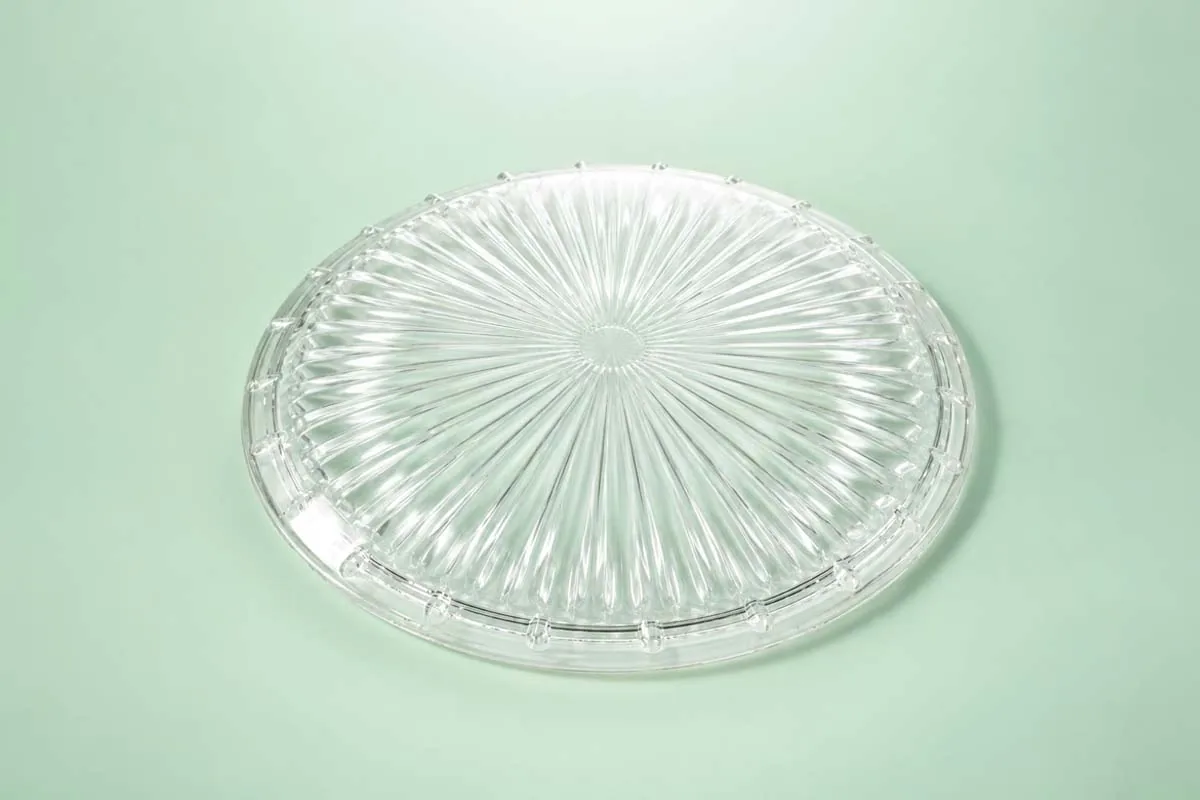
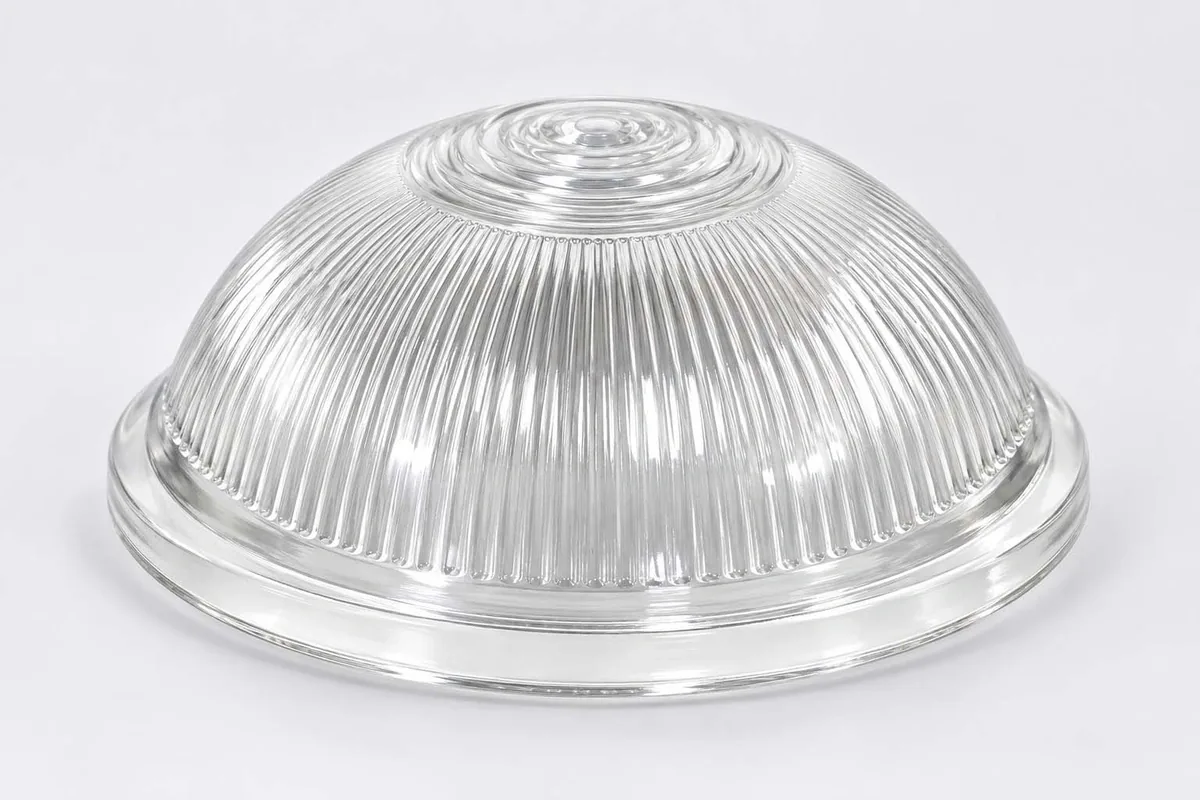
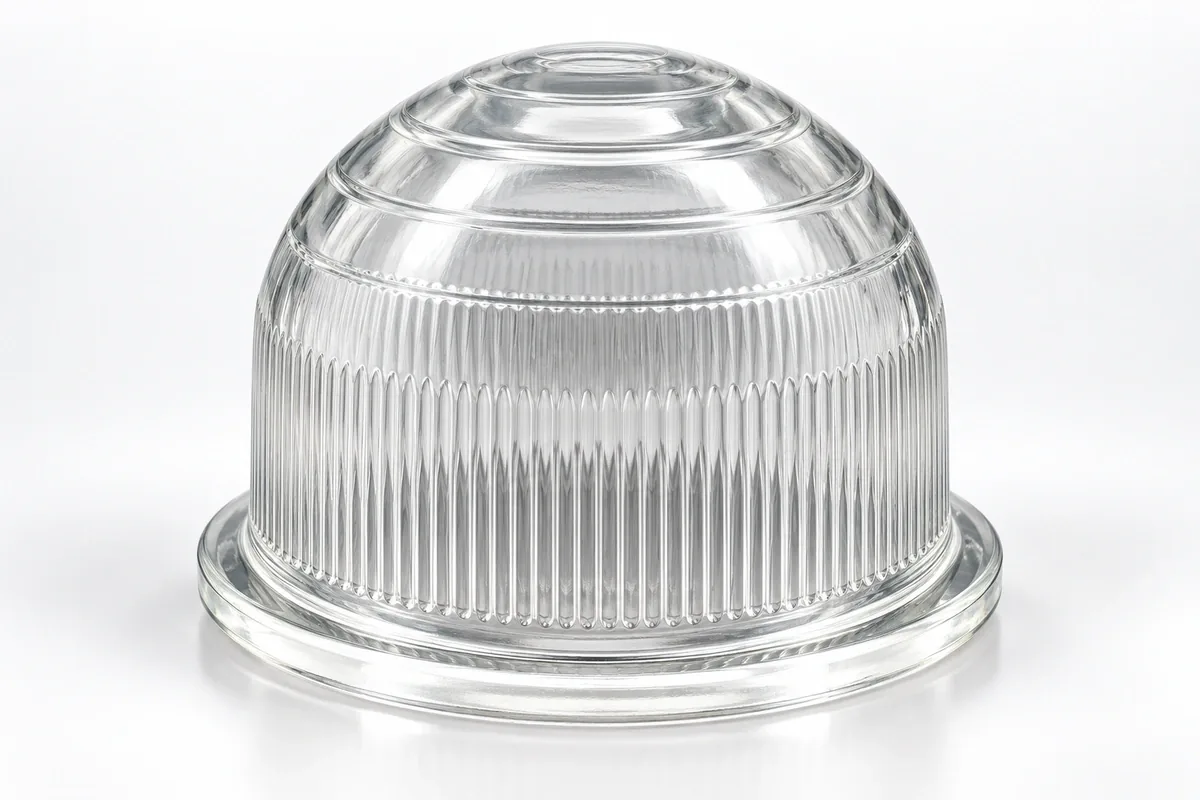
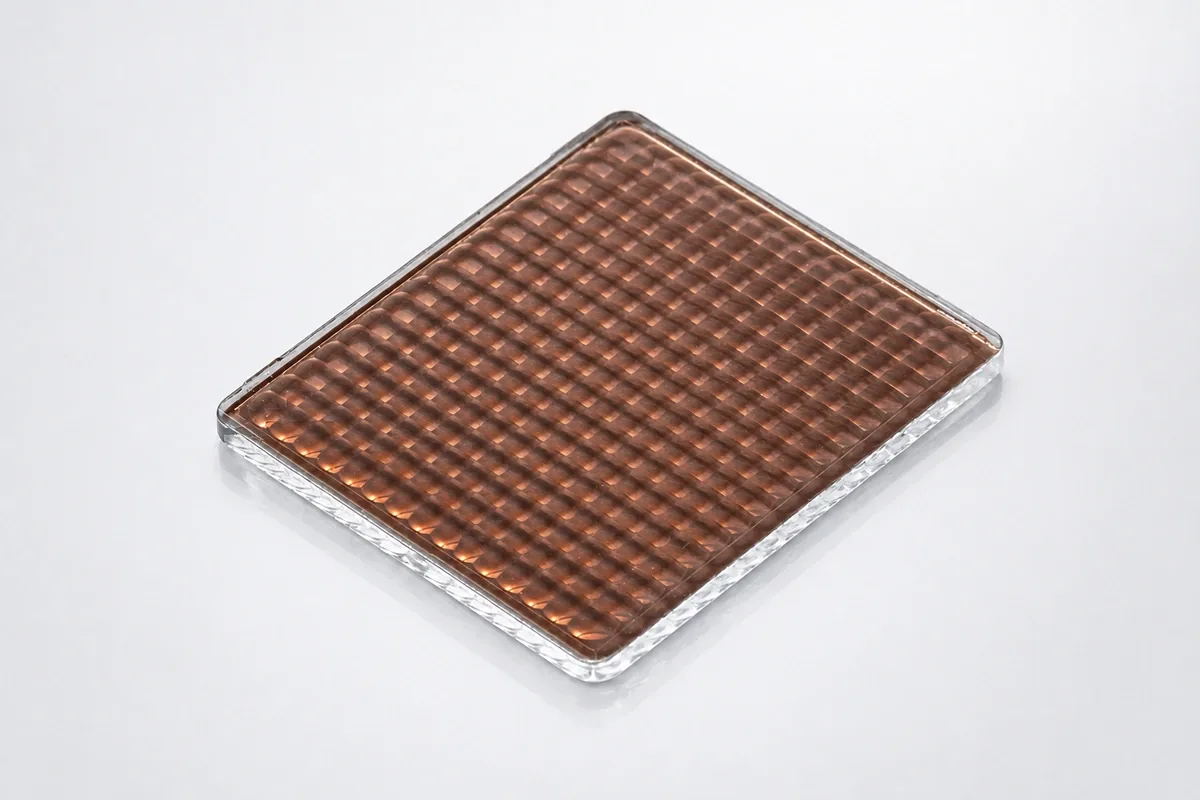
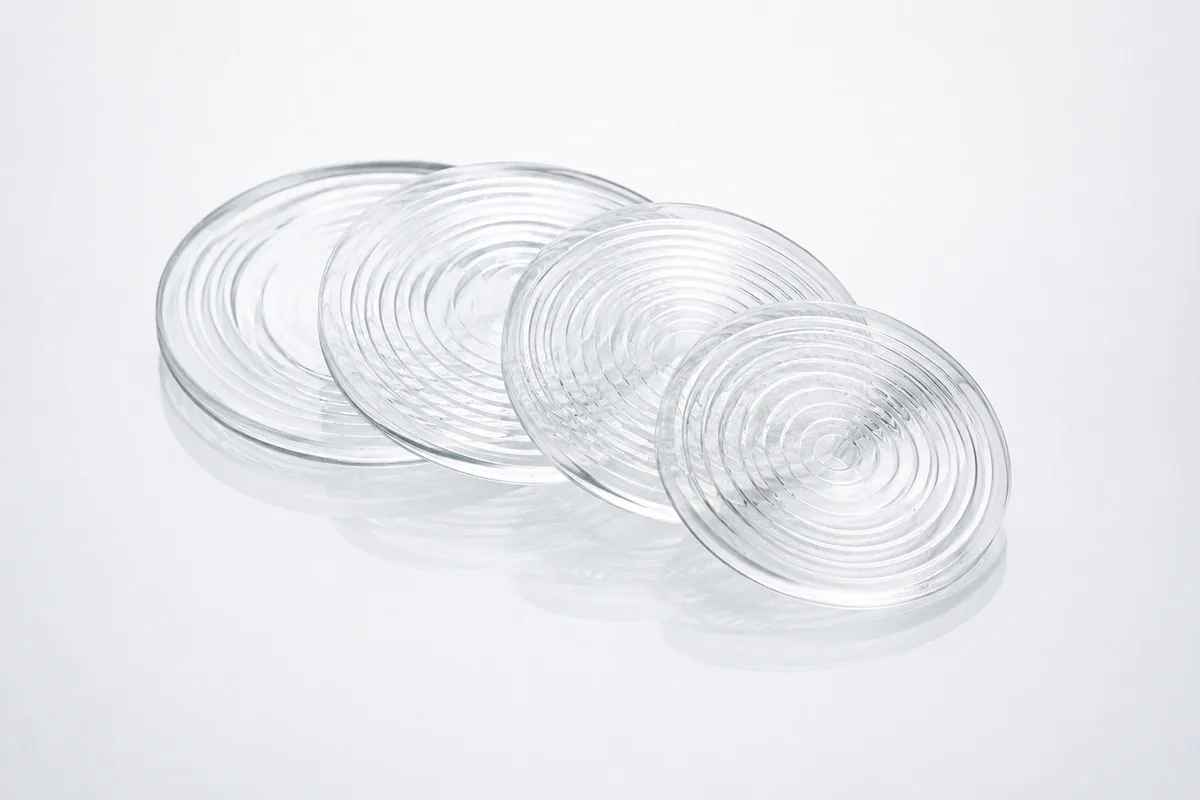
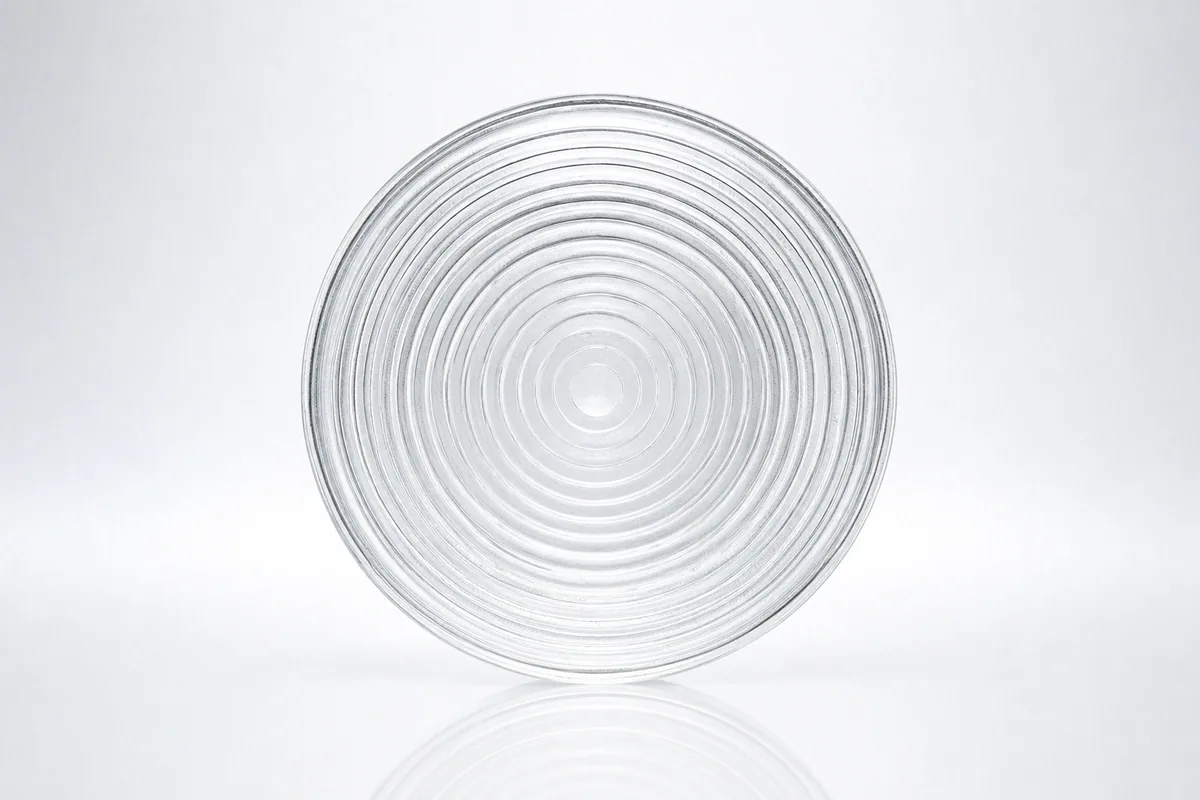
A Fresnel glass lens divides a curved optical surface into concentric or linear facets. This structure provides focusing or collimating power with less bulk than a conventional lens of similar aperture, while molded glass supports lighting systems exposed to heat, weather or long operating periods.
China Lampoptics develops Fresnel lenses around the source, focal requirement and groove prescription. Diameter and focal length identify only the overall lens; groove pitch, facet angle, orientation and the opposite surface determine the actual optical performance.
Specification note: Numerical ranges shown on this page are preliminary engineering references for project screening. The quotation and approved drawing define the final material, dimensions, tolerances, processing route and inspection method.
Fresnel Lens Functions
| Function | Optical result | Typical use |
|---|---|---|
| Collimating lens | Turns divergent source light into a narrower beam | Spotlights, searchlights and signals |
| Condenser lens | Collects light into an optical or projection system | Stage lighting and projectors |
| Focusing lens | Forms a spot or image at a defined distance | Sensors and optical instruments |
| Beam-spreading lens | Uses facet structure to broaden or redistribute light | Area and warning lighting |
| Linear Fresnel lens | Controls light mainly in one axis | Line illumination and elongated fields |
Fresnel Lens Specifications
| Clear aperture | Made to the approved drawing; production limit confirmed after tooling review |
|---|---|
| Outside diameter / envelope | Reference standard-series envelope Ø80–625 mm |
| Effective / back focal length | Reference focal series F40–F270 mm with ±5% focal tolerance |
| Design wavelength | Defined in the released optical prescription |
| Groove pitch | Defined by the optical prescription and tooling design |
| Groove depth | Defined by the optical prescription and tooling design |
| Facet prescription | Controlled optical prescription |
| Groove side | Source side or exit side as identified in the controlled drawing |
| Center / edge thickness | Prescription-controlled; reference thickness tolerance ±0.5 mm |
| Optical transmission | Target defined by the application or approved sample; achievable result confirmed during review |
The source position must be referenced to the correct lens surface. Reversing a Fresnel lens or using an undefined mounting offset can change the beam even when focal length is correct.
Groove Molding and Inspection
- Tooling: machine the groove master, outside geometry and mounting features to one coordinate system
- Glass molding: replicate facet angles and groove transitions without incomplete fill
- Annealing: stabilize the molded lens before final measurement
- Profile inspection: measure groove pitch, depth, facet form and clear aperture
- Optical test: confirm focal position or beam output with the defined source
Development Scope
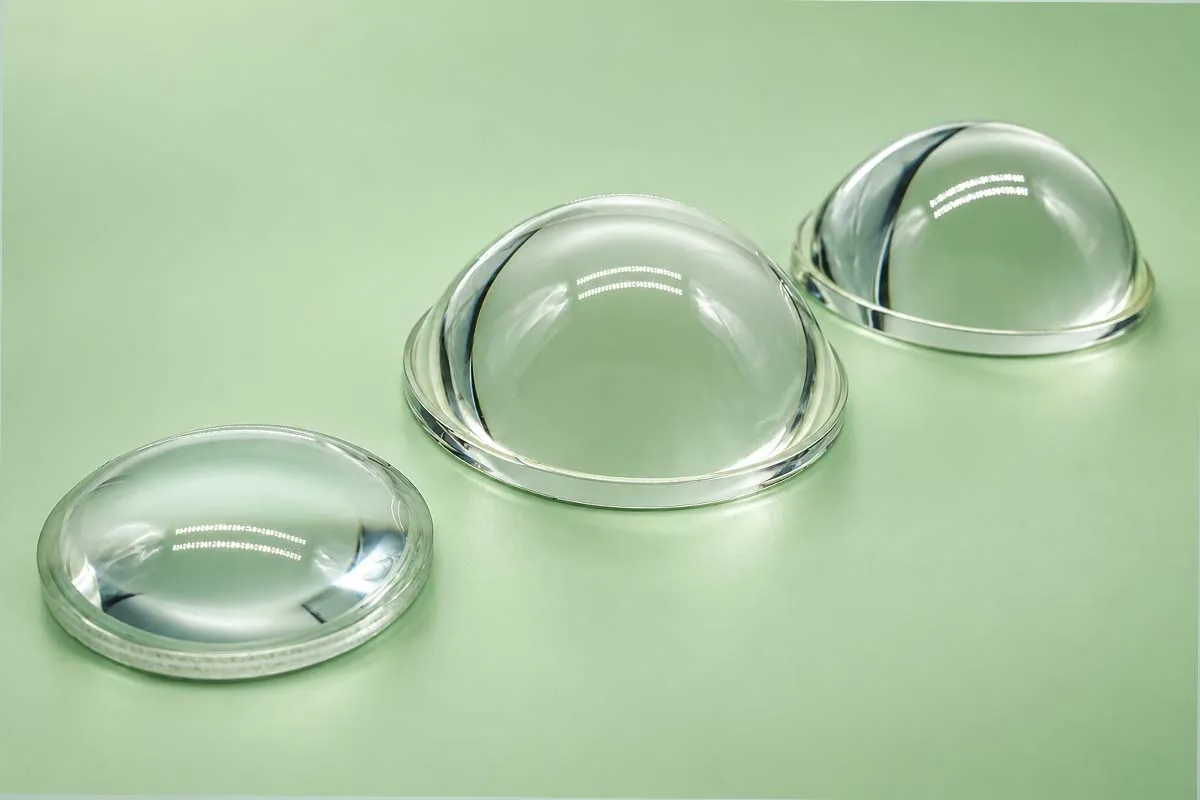
Lampoptics has an optical-lens workshop, mold workshop and experience producing convex, condenser and stage-light glass optics. Coating can be added where required and compatible with the molded surface.
Fresnel diameter, groove limits, glass grade and focal tolerance are confirmed after optical prescription and tooling review.
Fresnel Glass Lens Processing
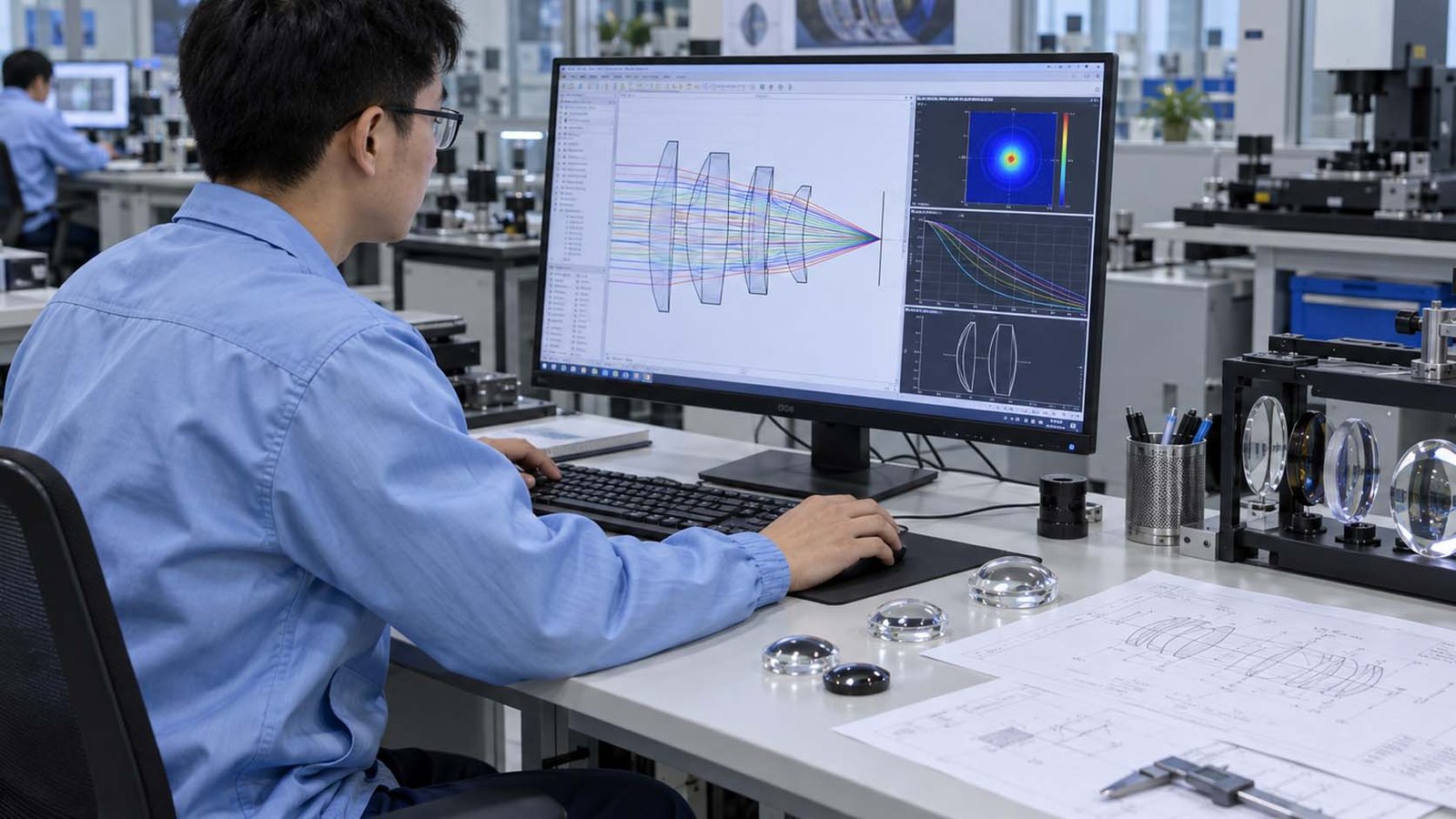
Groove Design Review
Focal target, groove pitch, groove orientation, active diameter and source position define the optical tool.
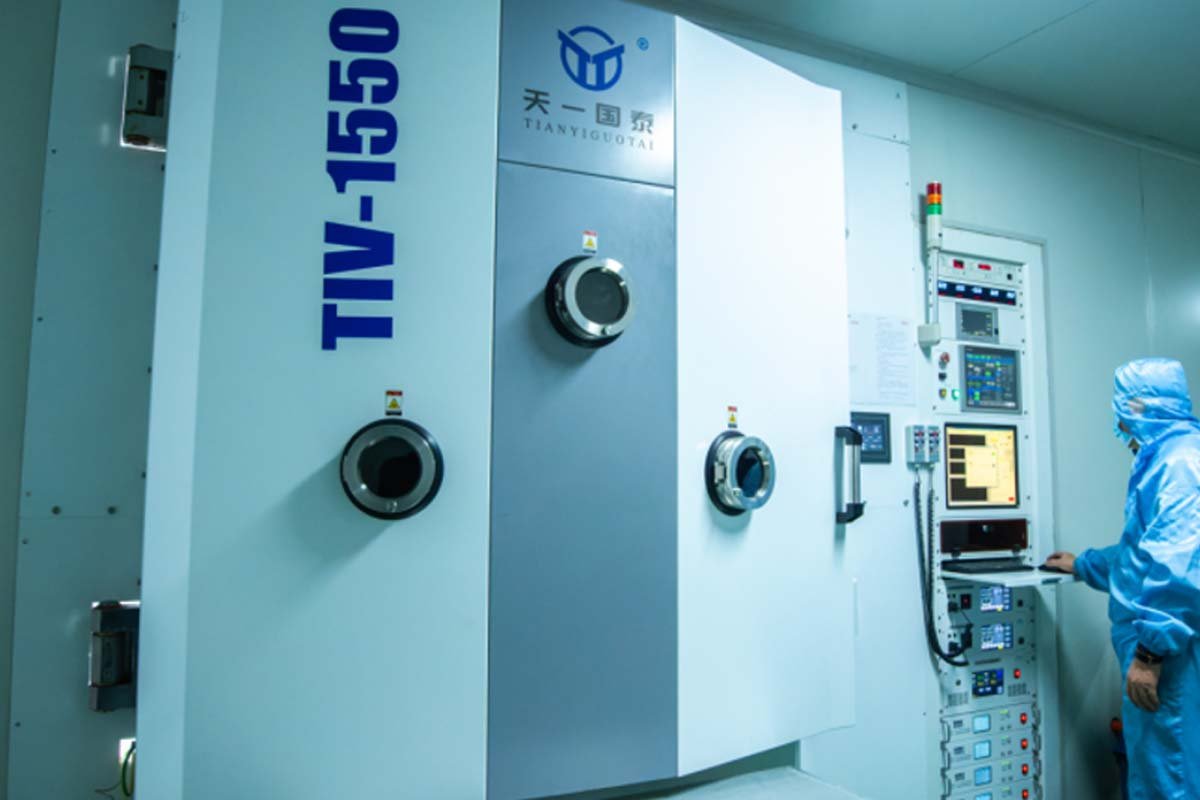
Precision Groove Tooling
The Fresnel structure and mechanical reference surfaces are produced in tooling with controlled concentricity.

Glass Molding and Annealing
The groove pattern is replicated into glass, followed by controlled cooling to stabilize the lens.

Optical and Groove Inspection
Groove fill, defects, focal behavior, dimensions and transmitted beam are checked against the approved sample.
Applications
- Stage and entertainment lighting: condensing and projection optics
- Spotlights and searchlights: large-aperture beam collection
- Traffic, rail and warning lights: signal beam control
- Industrial illumination: heat-resistant focusing or collimating elements
- Optical instruments: compact focusing components
Fresnel Glass Lens FAQs
What is the main advantage of a Fresnel lens?
Its faceted surface provides optical power with less thickness and mass than a conventional full-curvature lens of similar aperture.
Which side should face the light source?
The correct orientation depends on the optical design. The source side and mounting reference must be stated on the drawing.
Can Fresnel grooves be molded in glass?
Glass Fresnel grooves can be evaluated for molded production. Feasible pitch, depth and facet form are confirmed during optical and tooling review.
How is a Fresnel lens inspected?
Groove profile and dimensions are checked first, followed by focal or beam testing with a defined source.
Can Lampoptics make a Fresnel lens from a sample?
A sample can support profile reconstruction, but the source, focal requirement and beam acceptance data are still needed for functional approval.