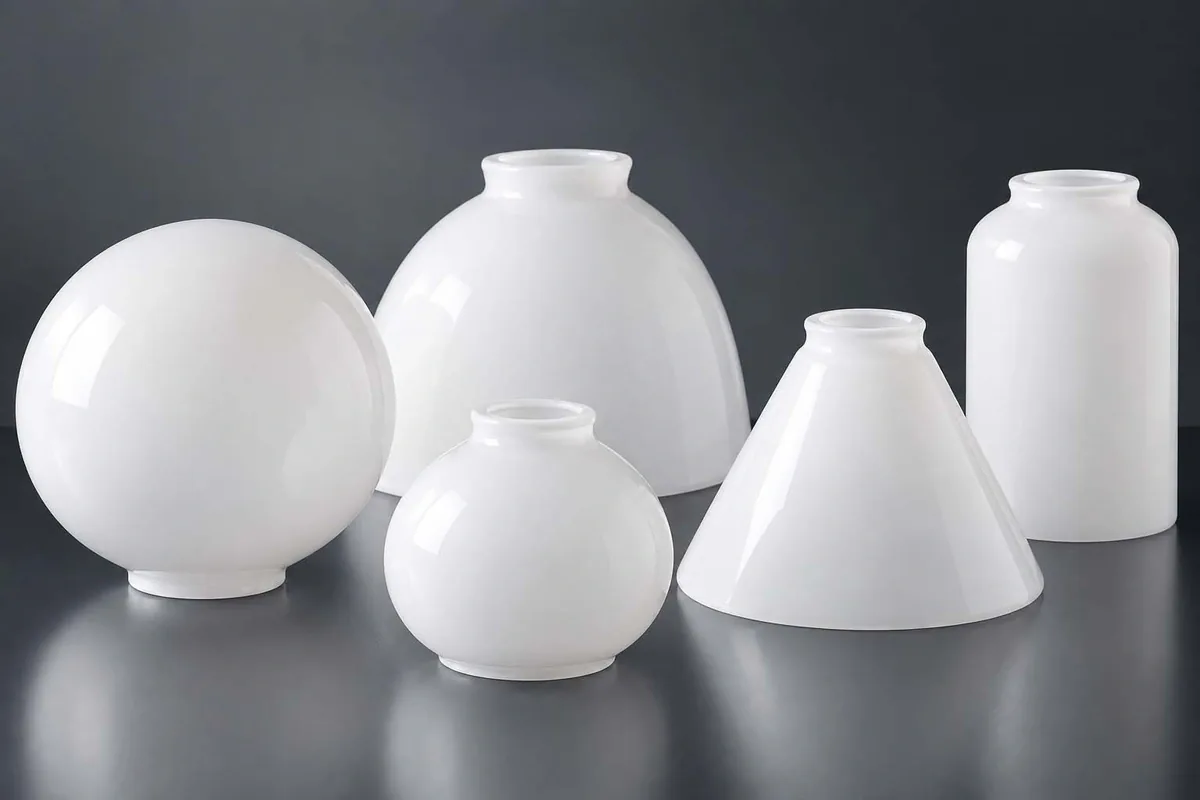
Custom Opal Glass Lamp Shades
Opal glass lamp shades scatter light through a white or semi-opaque glass body, reducing direct view of the bulb or LED module. The result is a soft luminous surface suited to decorative, residential and commercial fixtures.
An opal appearance can come from the glass composition itself or from a surface treatment applied to clear glass. These routes do not produce the same transmission, color or durability, so China Lampoptics identifies the selected construction on the product drawing.
Specification note: Numerical ranges shown on this page are preliminary engineering references for project screening. The quotation and approved drawing define the final material, dimensions, tolerances, processing route and inspection method.
Opal Glass Types
| Type | Construction | Visible result |
|---|---|---|
| Body-opal glass | Light-scattering phase is contained in the glass | Milky appearance through the full wall |
| Cased or layered opal | Opal and clear glass layers are combined | Controlled white body with a clear supporting layer |
| Frosted clear glass | The surface is chemically or mechanically diffused | Translucent matte appearance with visible surface texture |
| White coated glass | A coating supplies the white diffusing finish | Color and opacity can be adjusted by the coating system |
The opal construction is selected during project review. Approval should compare the sample both switched off and illuminated with the intended source.
Light Diffusion Specifications
| Total light transmission | Project-specific; measured with the intended light source |
|---|---|
| Haze / diffusion | Approved by measurable target or illuminated master sample |
| Color target | Opal white or approved project-specific master sample |
| Color tolerance | Defined by approved sample or L*a*b*/ΔE requirement |
| Reference light source | The intended LED, lamp or approved reference source |
| Illuminated uniformity | Measured at the specified source position and viewing condition |
| Allowed hot-spot visibility | Defined by illuminated master sample or agreed metric |
| Coated or treated side | Identified in the controlled drawing when surface diffusion is used |
Transmission alone does not define an opal shade. Two parts with similar transmission can hide the source differently, so haze, wall distribution and the illuminated acceptance sample must be considered together.
Shapes and Mounting
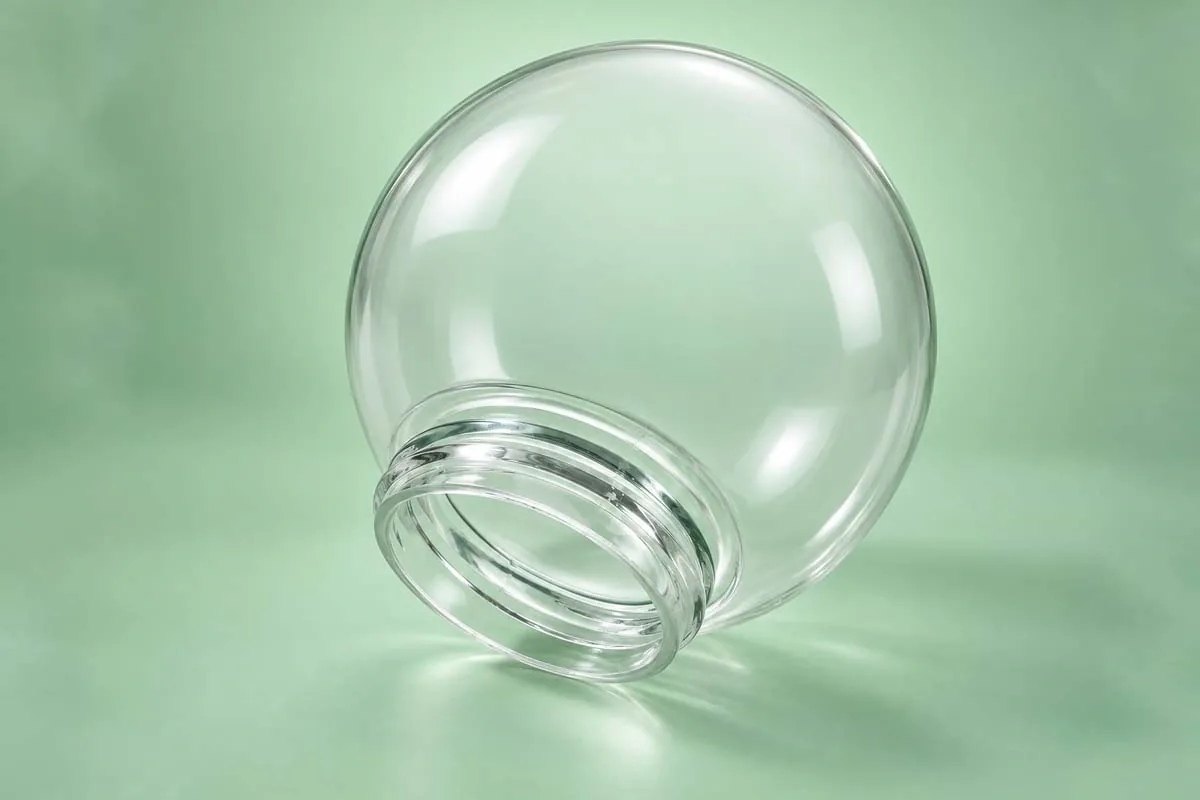
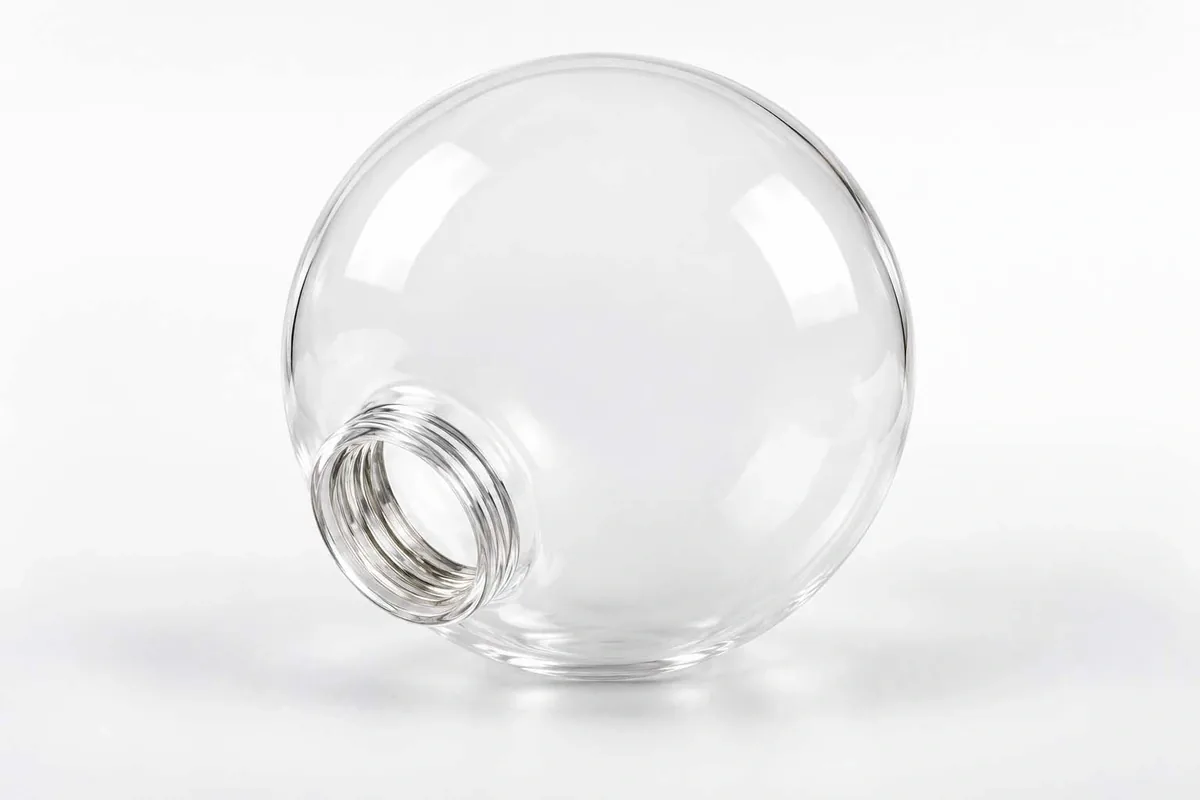
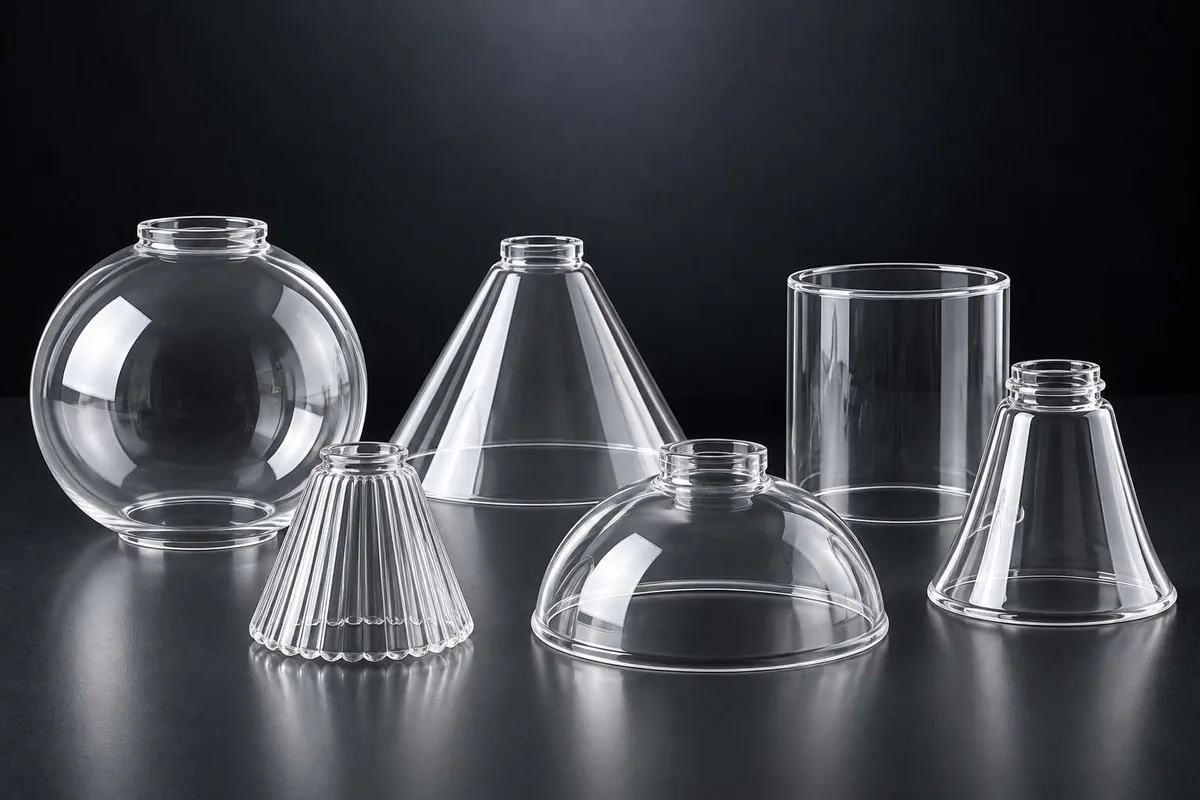
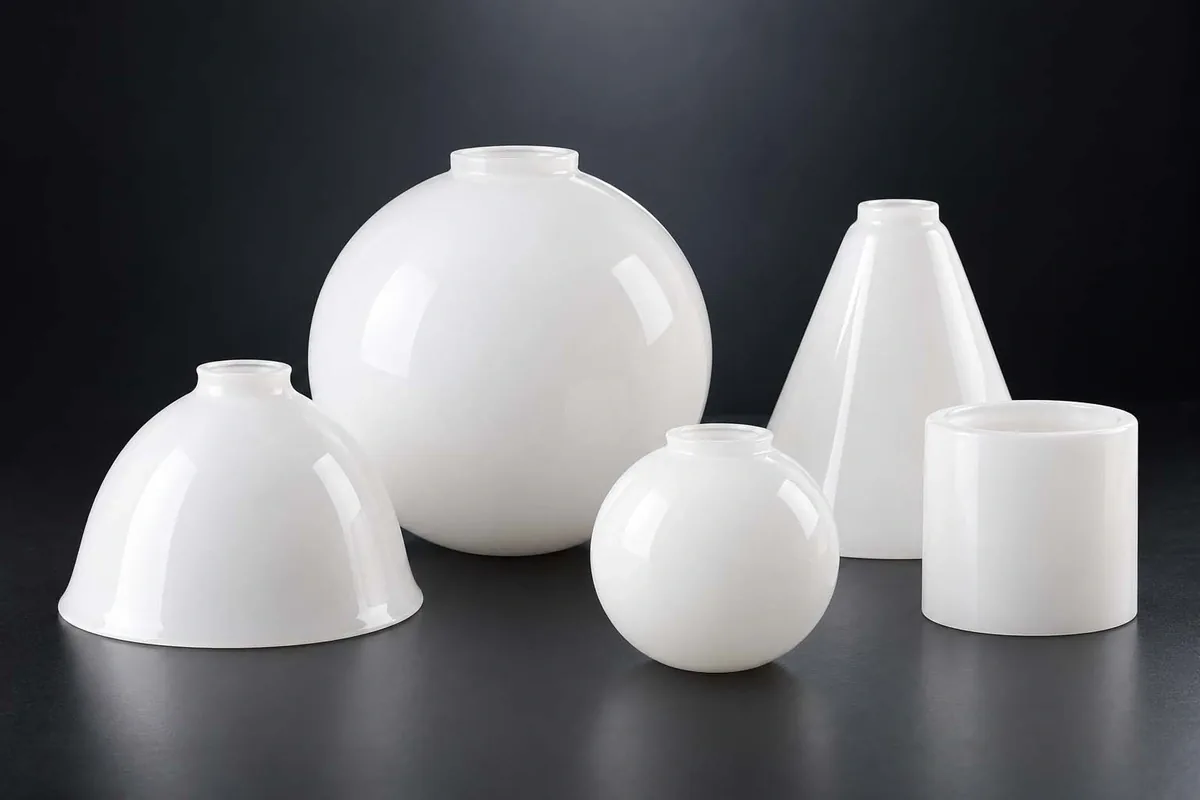
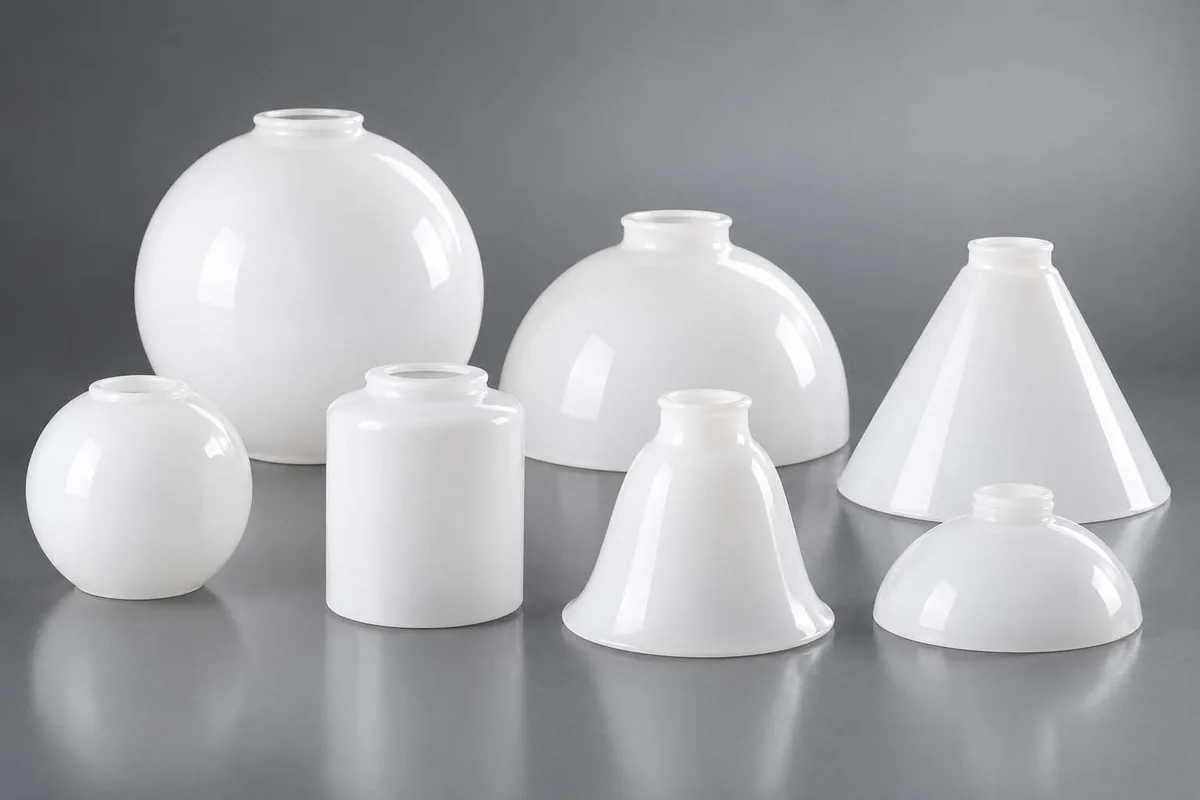
- Globes and balls: continuous diffusing surface around pendant and chandelier lamps
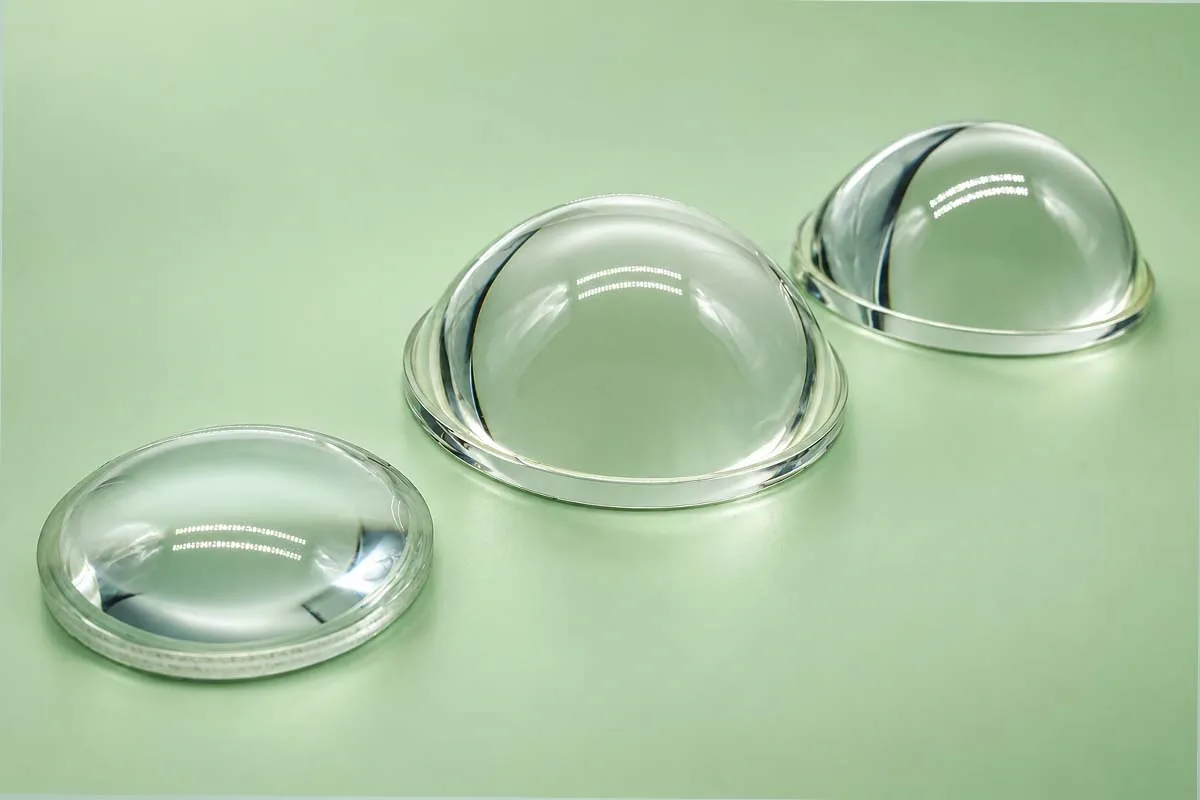
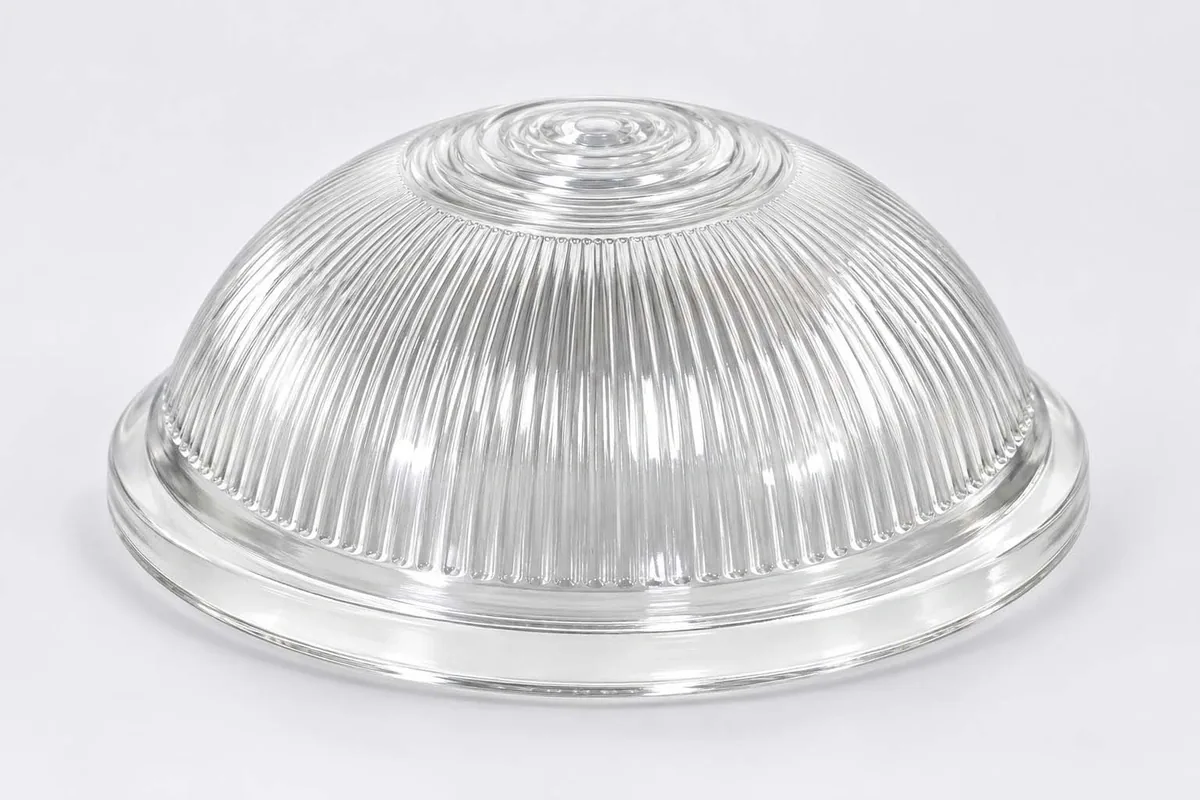
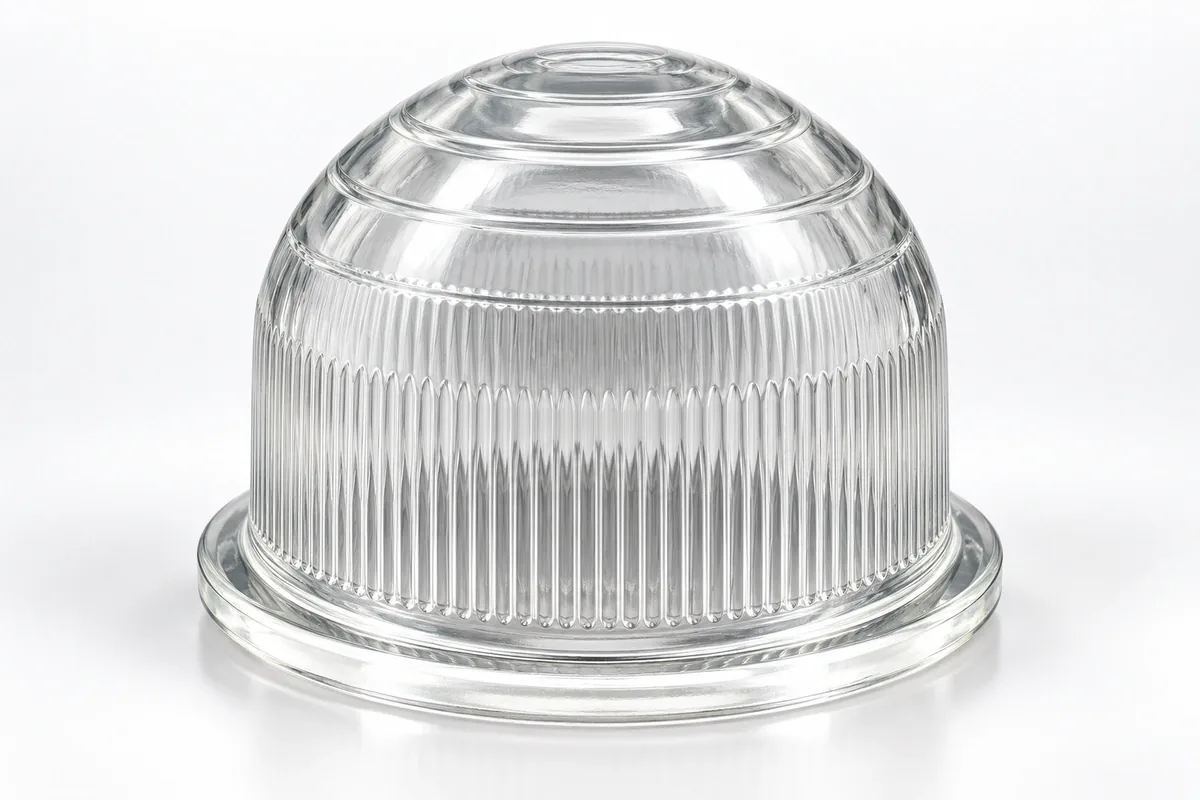
- Domes and bowls: wide illuminated area for ceiling, wall and table fixtures
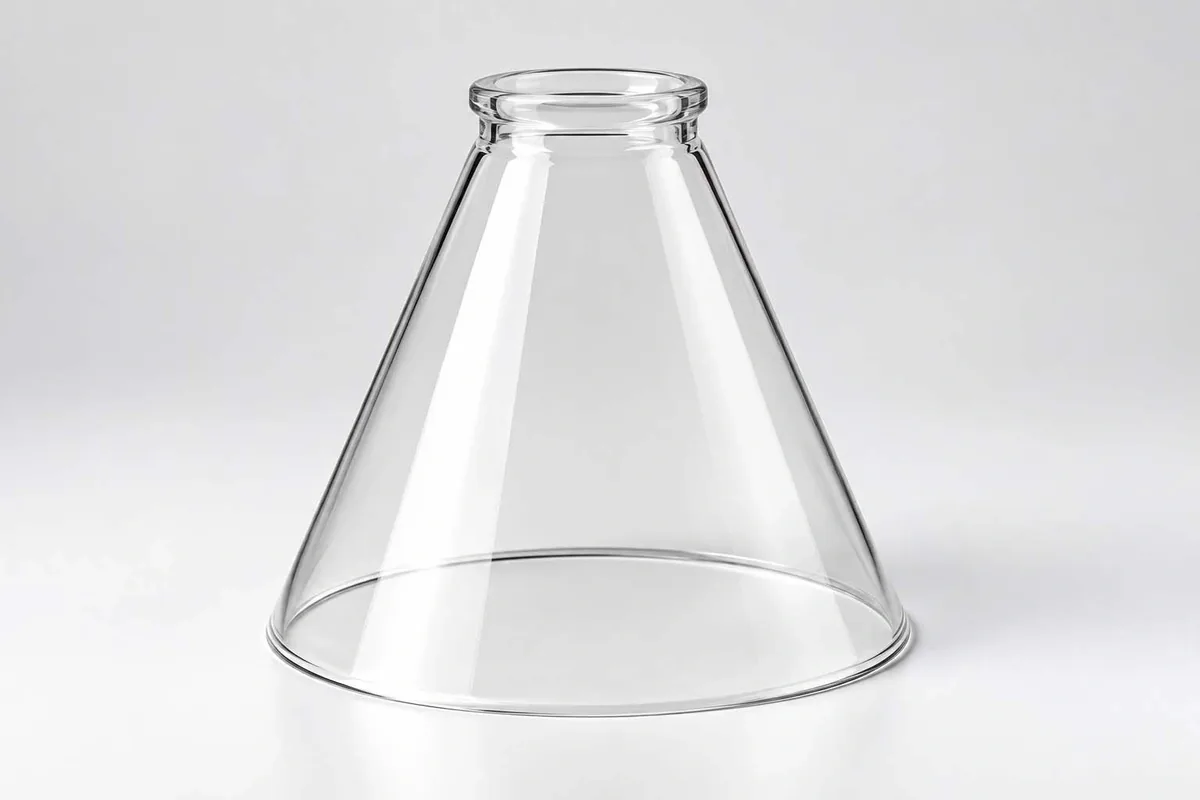
- Cones and bells: decorative taper with a downward opening
- Cylinders and cubes: geometric forms for modern fixture collections
- Threaded or necked shades: formed mounting section for the approved holder
Custom Development and Production
Lampoptics develops molds and production routes around the required shape, opening and illuminated appearance. The lamp-glass workshop is supported by two electric furnaces, two electric annealing furnaces and three automatic production lines.
Sandblasting and coating are available for surface-diffused options. Physical or chemical tempering and drilling can be applied only when compatible with the selected material, wall and geometry.
Opal Glass Shade Processing
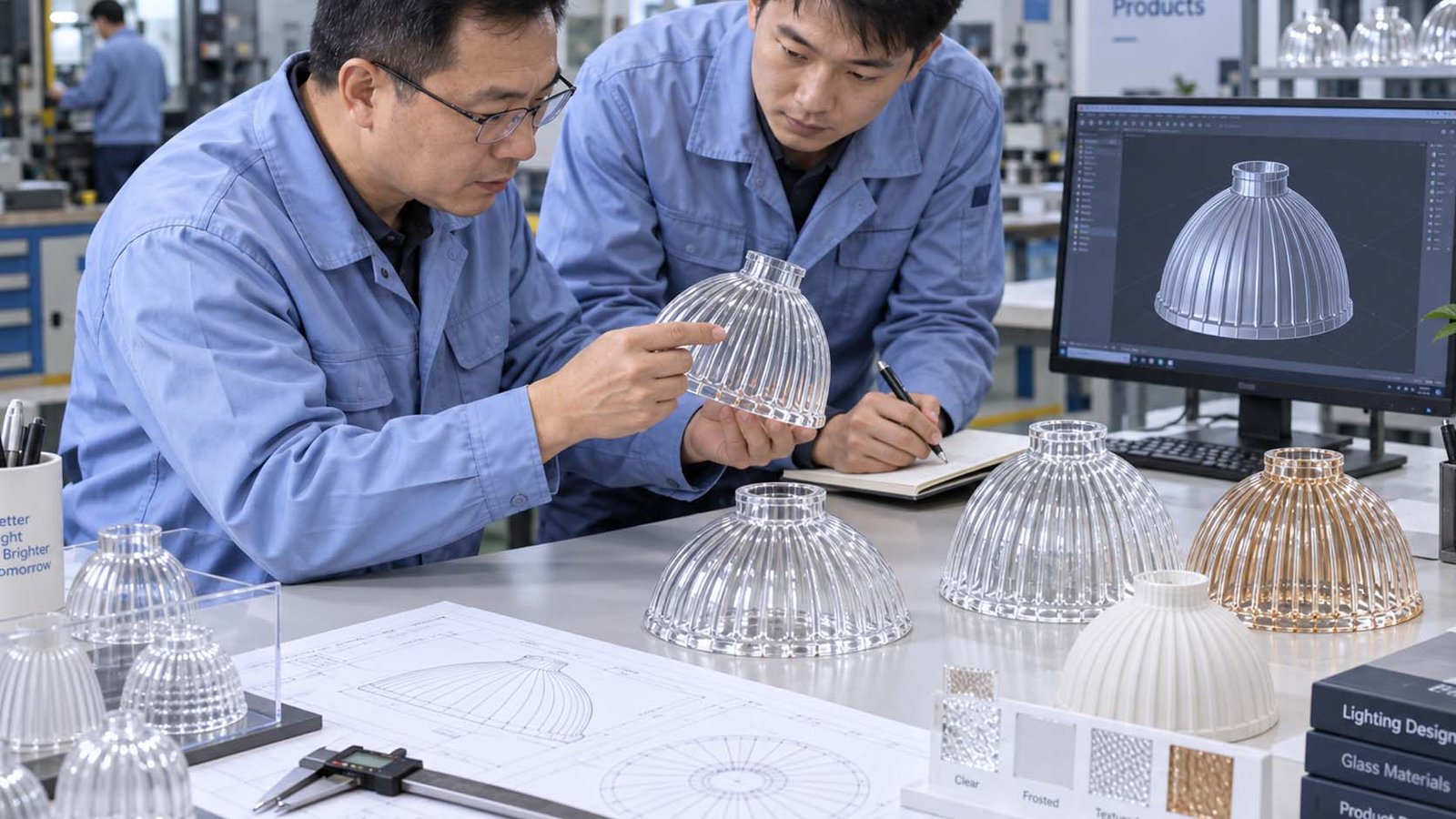
Opal Glass Selection
The glass and target visual effect are selected around the required diffusion, lit appearance and fixture temperature.
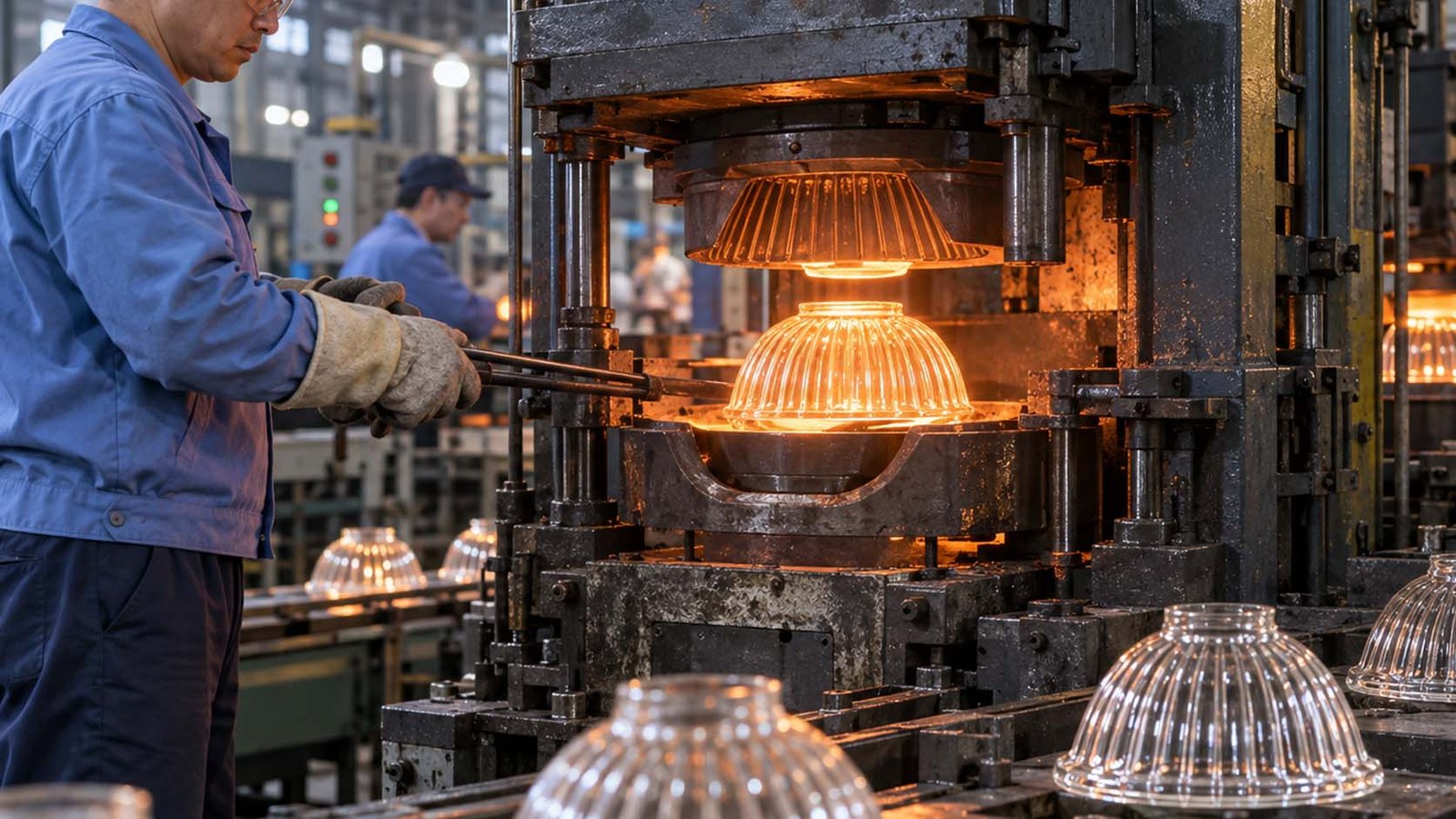
Shade Forming
The opal glass is formed to the approved profile with controlled wall distribution for more consistent transmitted appearance.
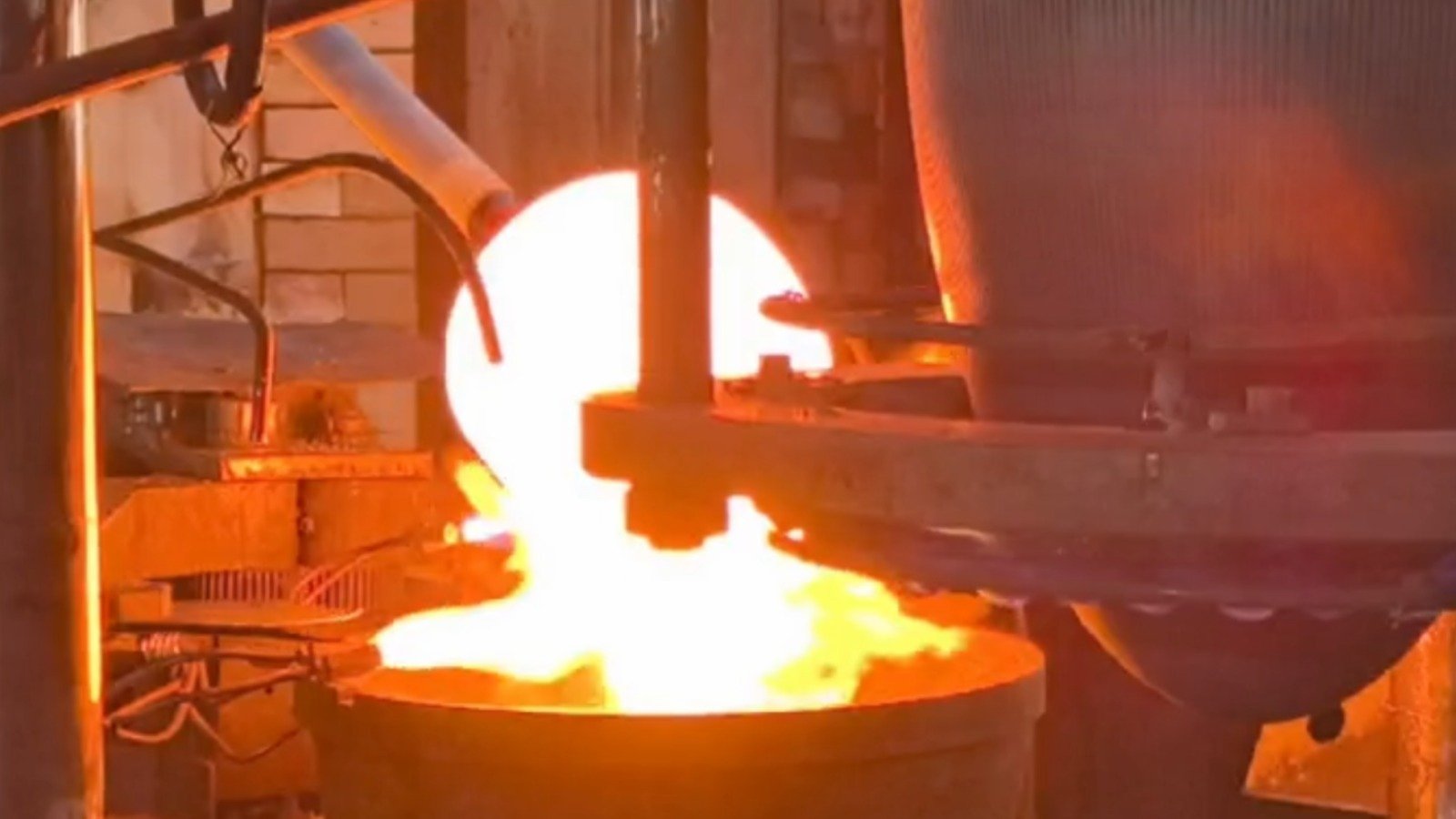
Annealing
Controlled cooling reduces forming stress and helps stabilize the shade before edge or surface operations.

Appearance Inspection
Samples are reviewed both unlit and illuminated for color, hot spots, wall variation and visible surface defects.
Applications
- Residential lighting: comfortable ambient light for pendants, wall lamps and ceiling fixtures
- Hotels and restaurants: uniform luminous shades used singly or in groups
- Retail and commercial interiors: source-hiding globes, domes and geometric shades
- Replacement lighting glass: opal parts reproduced from an approved sample and fixture dimensions
Opal Glass Lamp Shade FAQs
Is opal glass the same as frosted glass?
No. Opal glass normally scatters light through the body, while frosting modifies the surface of otherwise clear glass.
What data describe diffusion?
Total transmission, haze, color, wall distribution and an illuminated acceptance condition are the main references.
Can opal shades be made in different shapes?
Globe, dome, cone, cylinder and other molded profiles can be submitted for review. Availability is confirmed after drawing, tooling and glass-flow evaluation.
Can the opening be threaded?
A threaded or screw-on neck can be developed when the mating holder, thread and selected glass route are compatible.
Can Lampoptics match an existing opal shade?
Yes. A physical sample is useful for matching the unlit color, illuminated diffusion, profile and mounting dimensions.