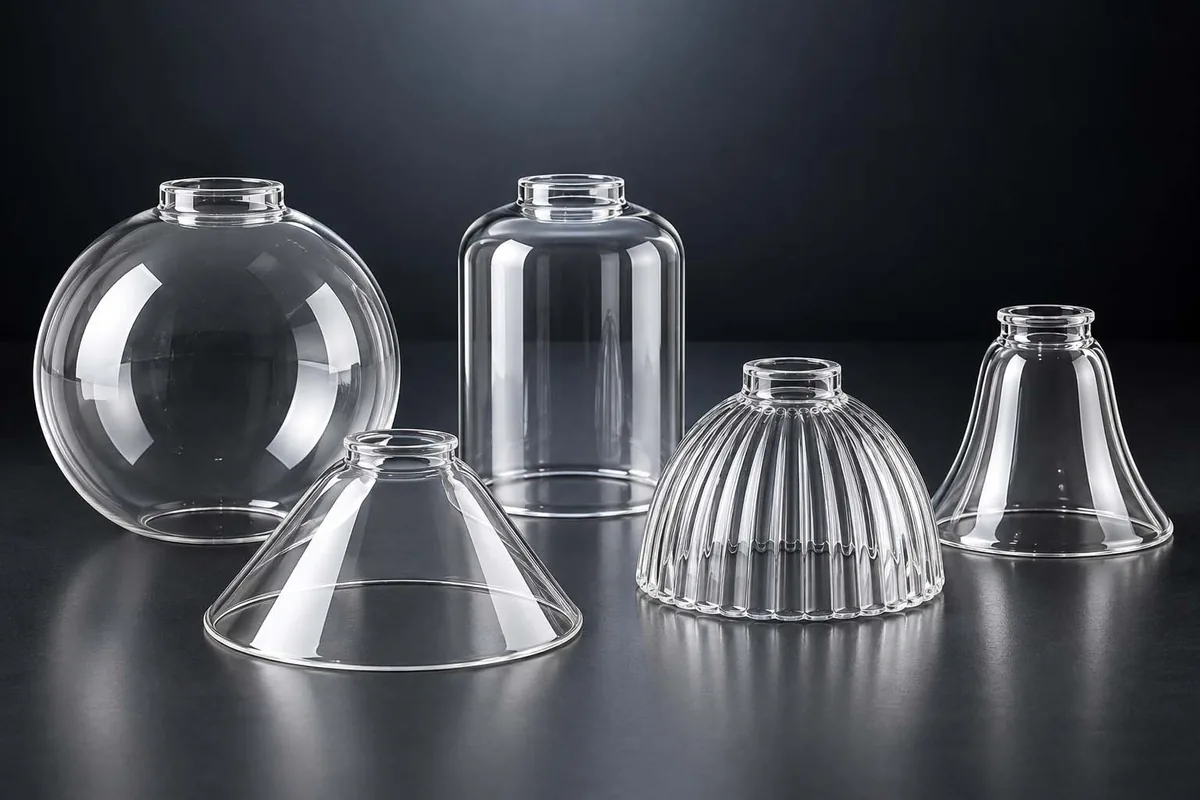
Custom Clear Glass Lamp Shades
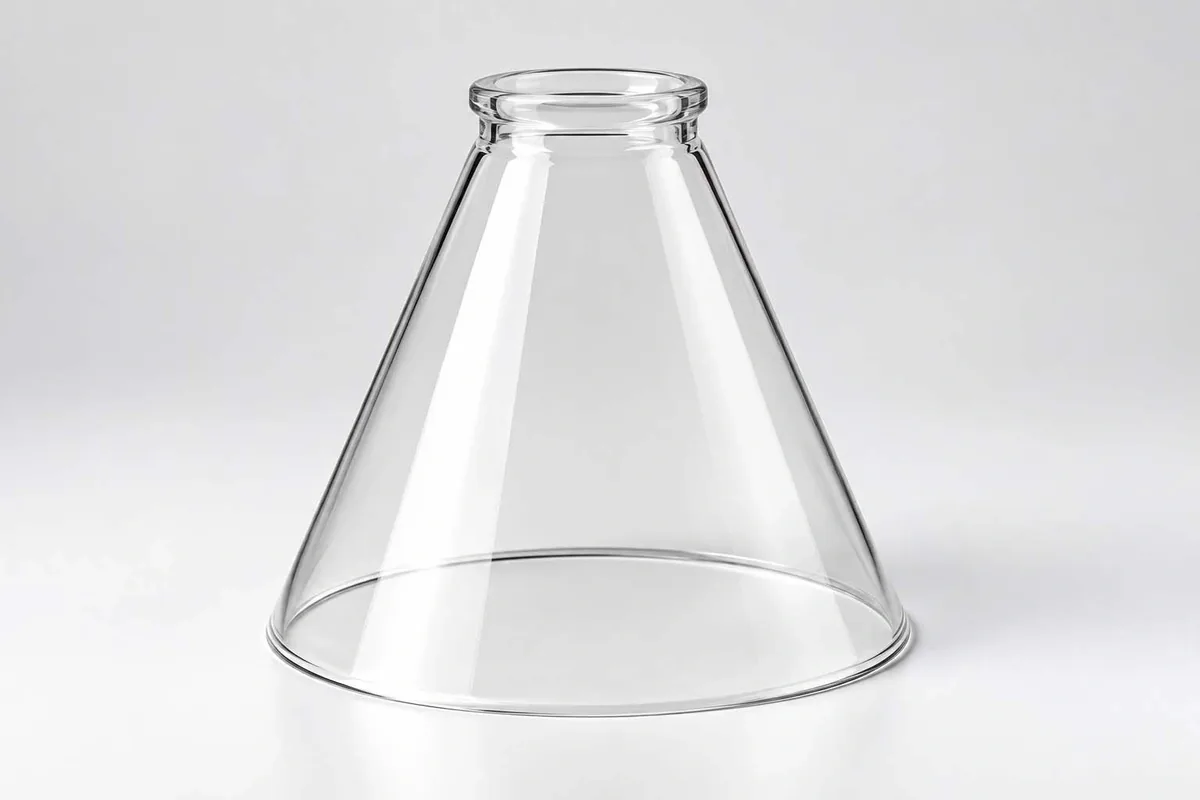
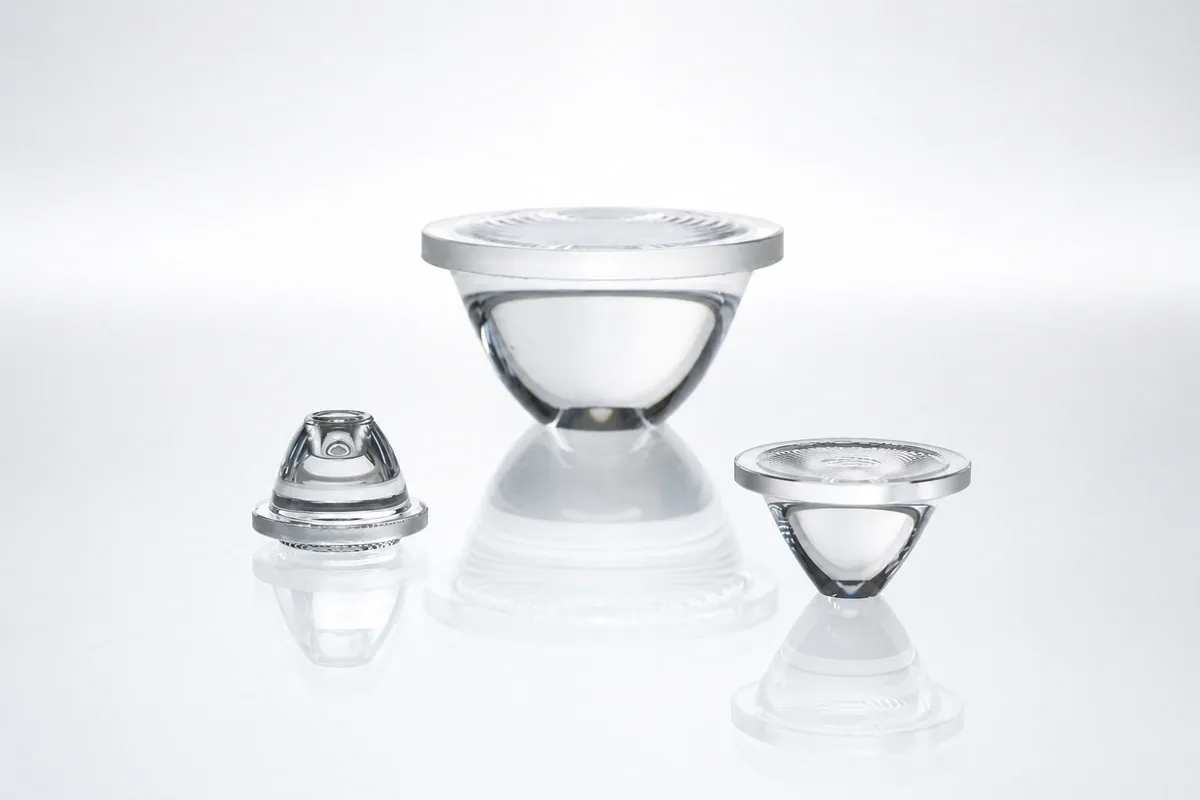
Clear glass lamp shades protect or surround the light source while keeping the lamp, filament, reflector or LED assembly visible. They are selected where brightness, transparency and the appearance of the internal fixture are part of the design.
Because the source is visible through the glass, wall variation, mold marks, bubbles, stones, cords and surface scratches can be more noticeable than on diffusing shades. China Lampoptics defines cosmetic zones separately from functional mounting areas.
Specification note: Numerical ranges shown on this page are preliminary engineering references for project screening. The quotation and approved drawing define the final material, dimensions, tolerances, processing route and inspection method.
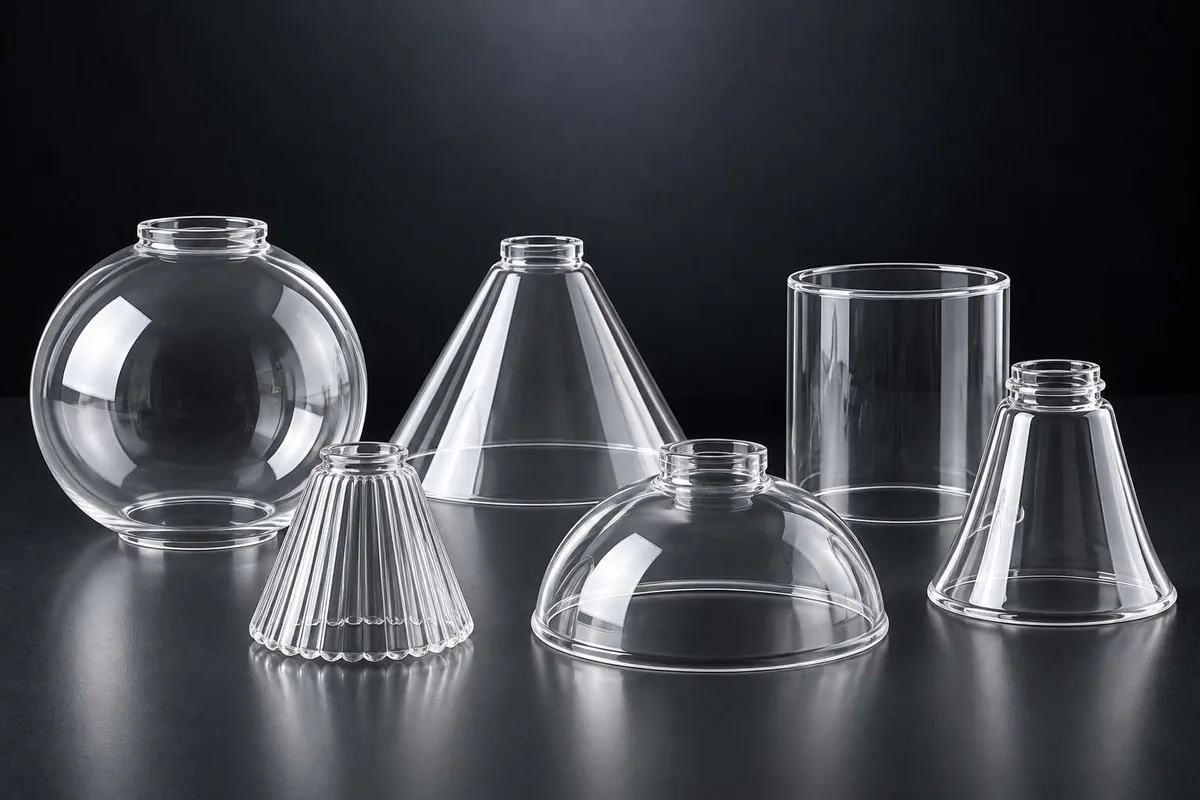
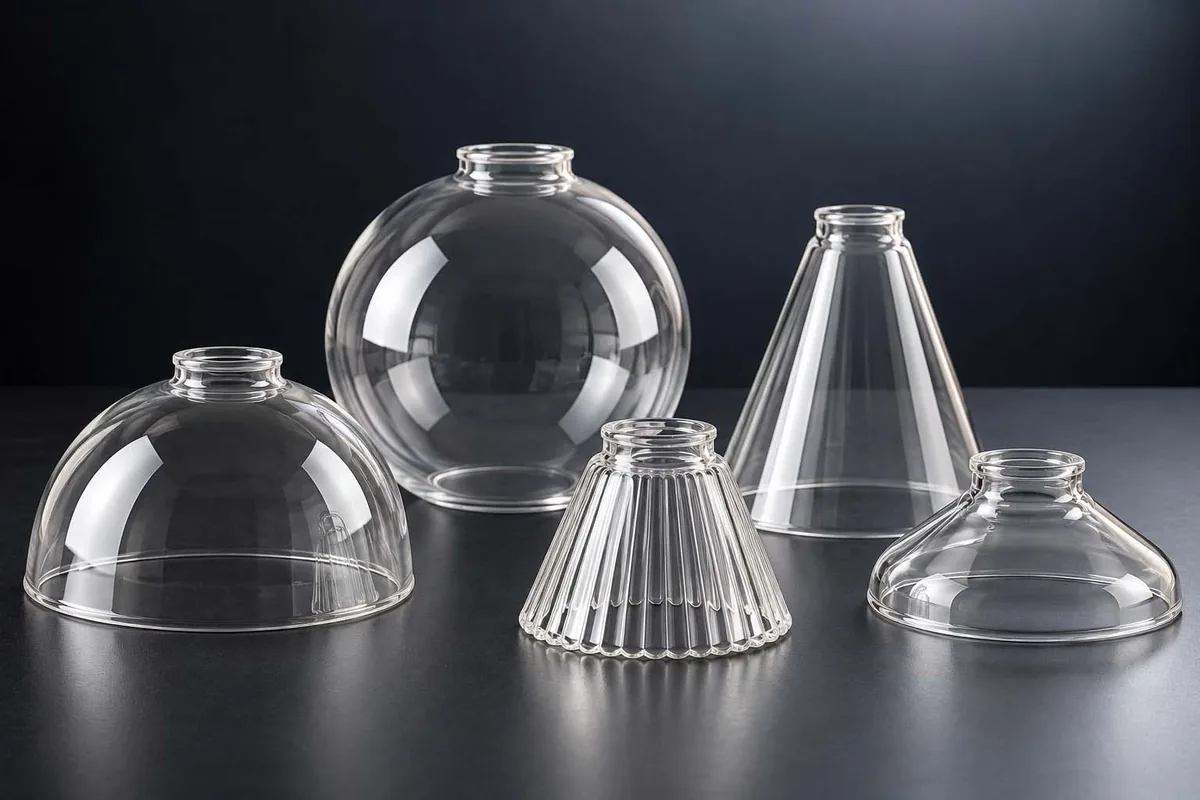
Shade Profiles for Custom Projects
| Profile | Visual character | Typical fixture |
|---|---|---|
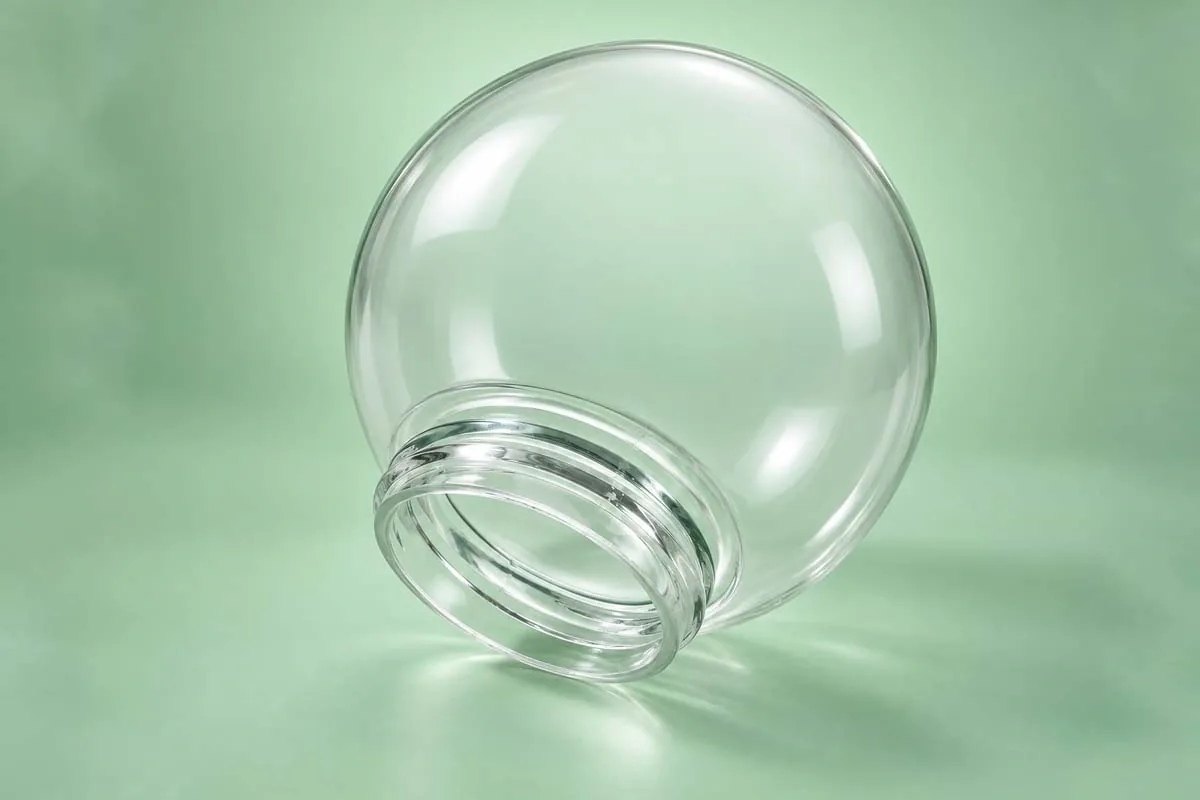
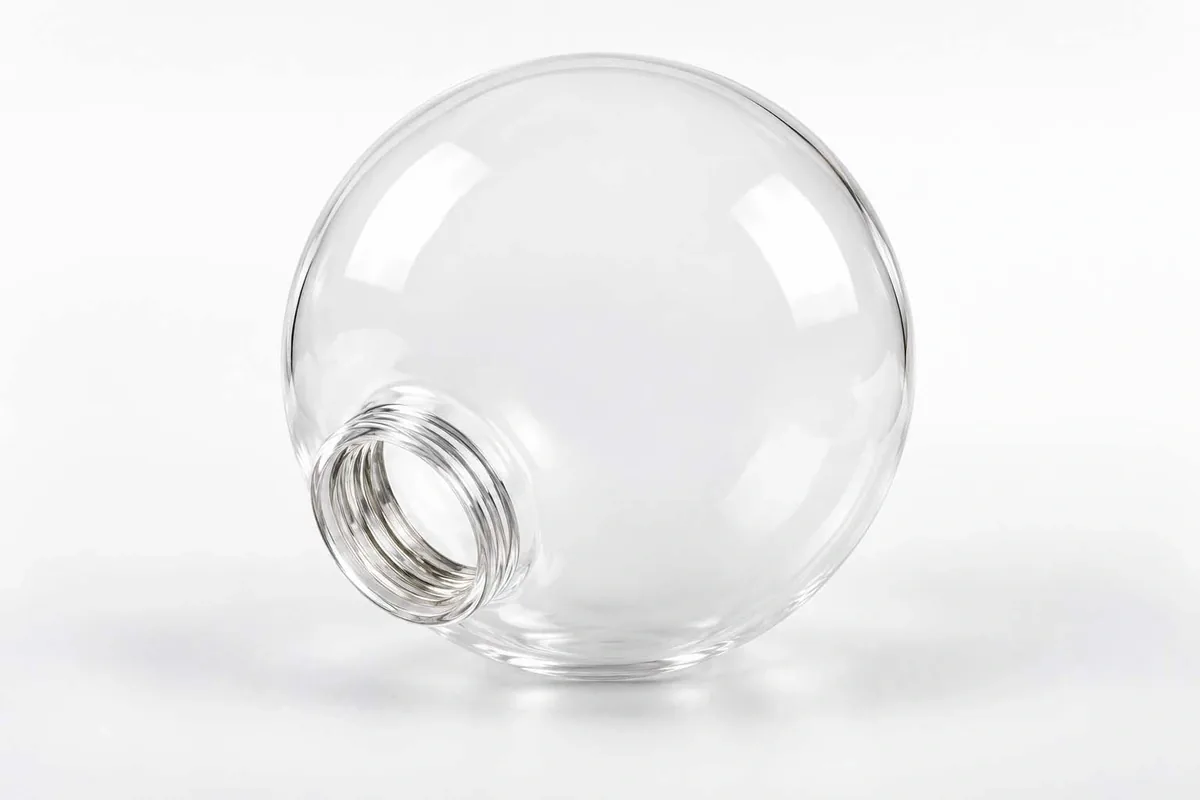
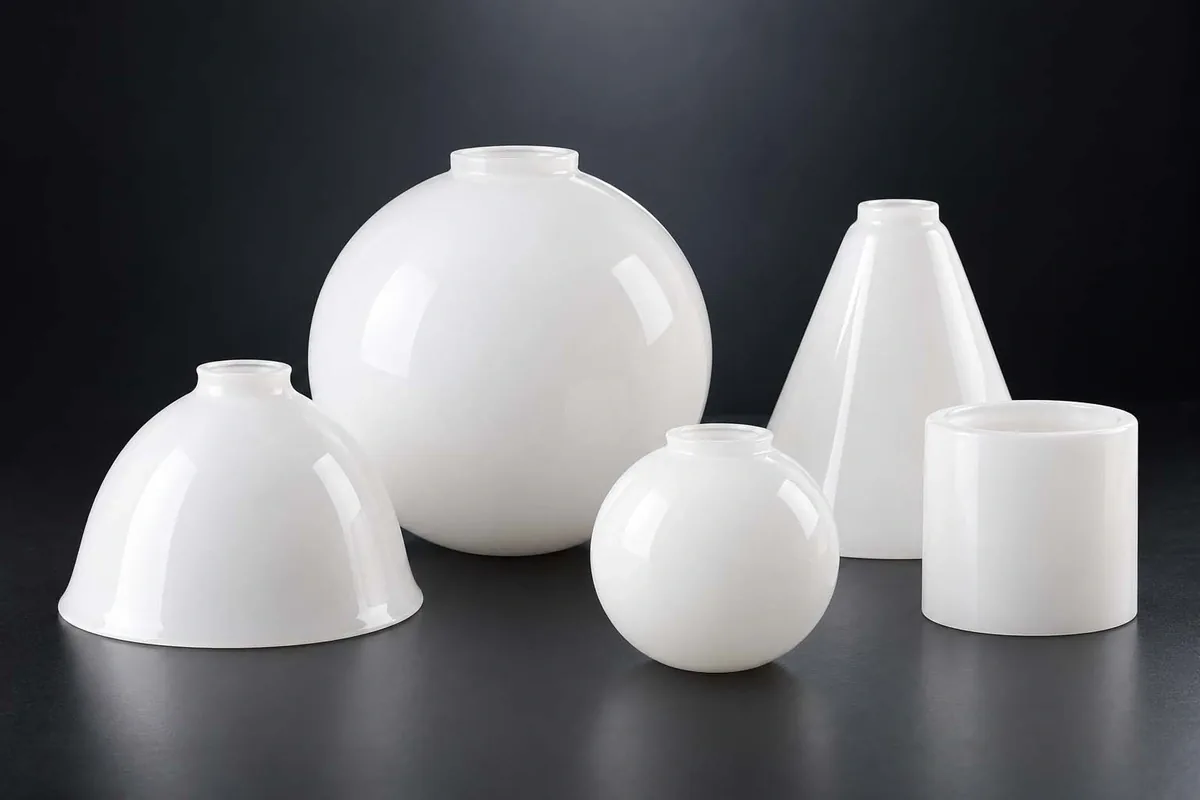
| Clear globe | Continuous transparent round body | Pendant, chandelier and wall lighting |
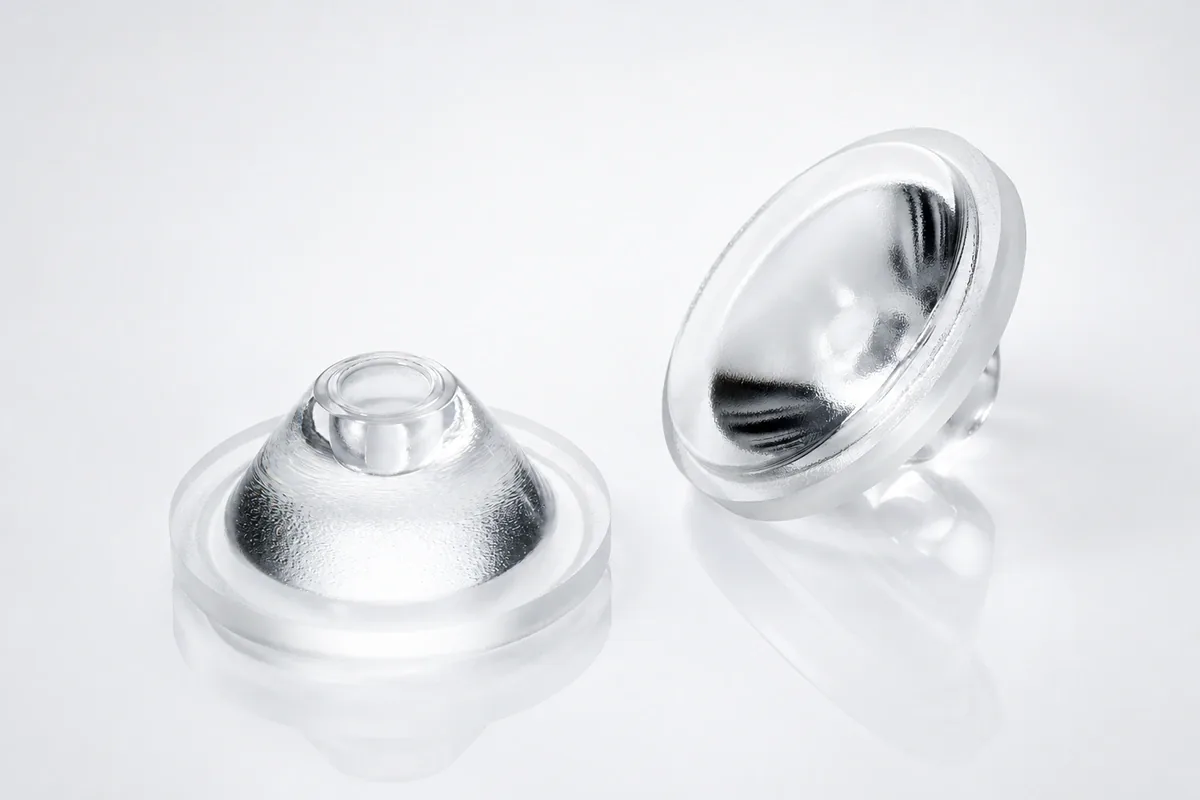
| Cone or bell | Open lower profile around the source | Pendant, table and floor lamps |
| Cylinder | Straight wall with a compact footprint | Modern pendants and equipment lights |
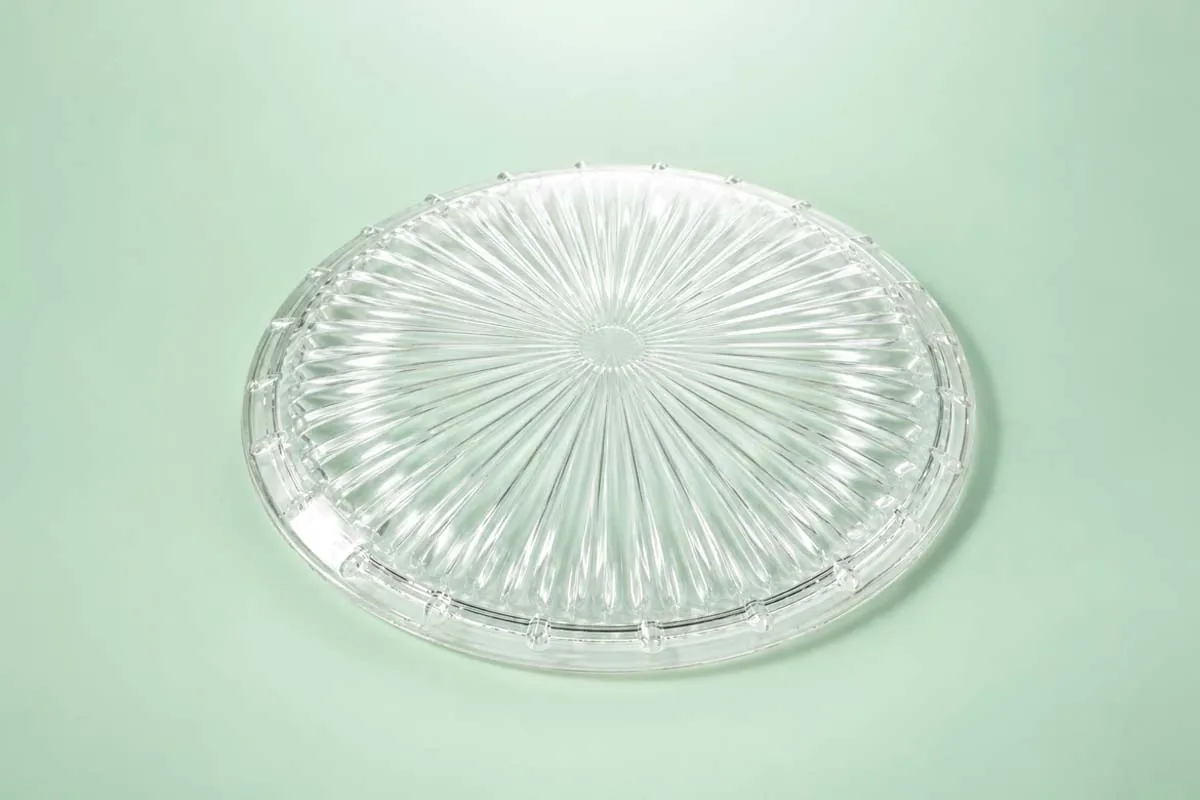
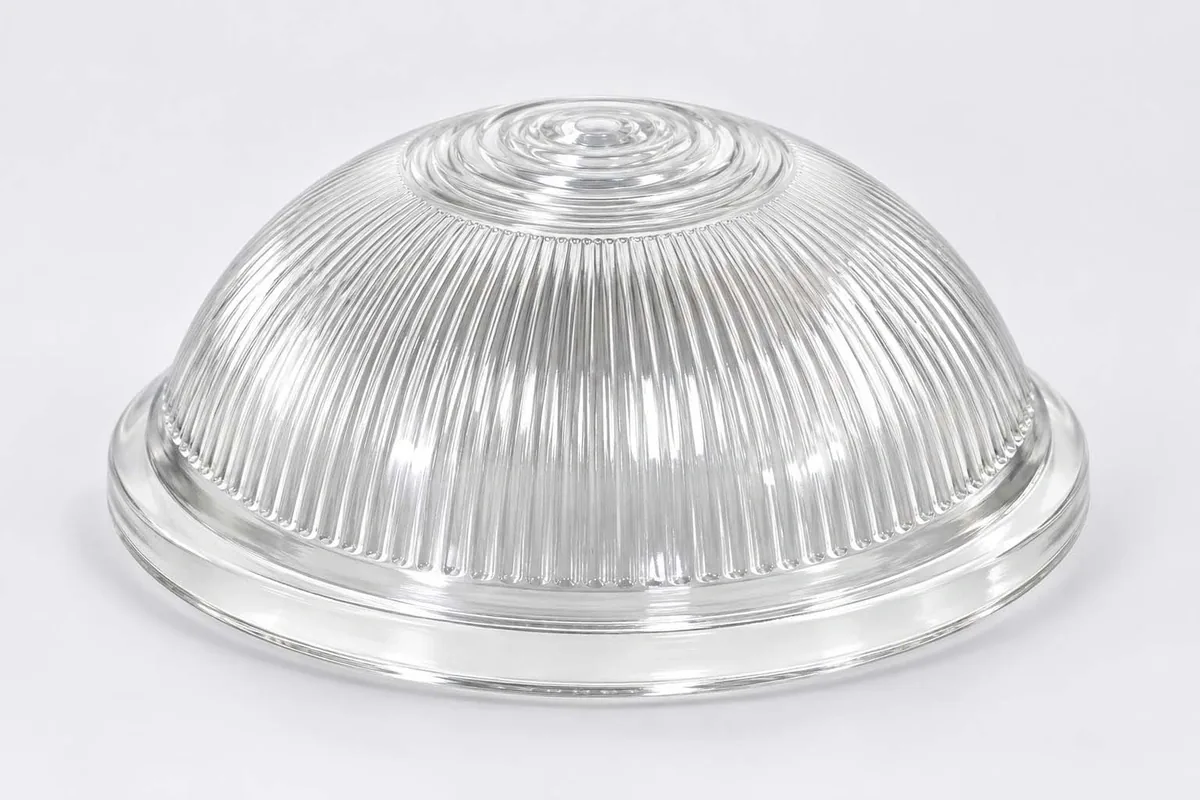
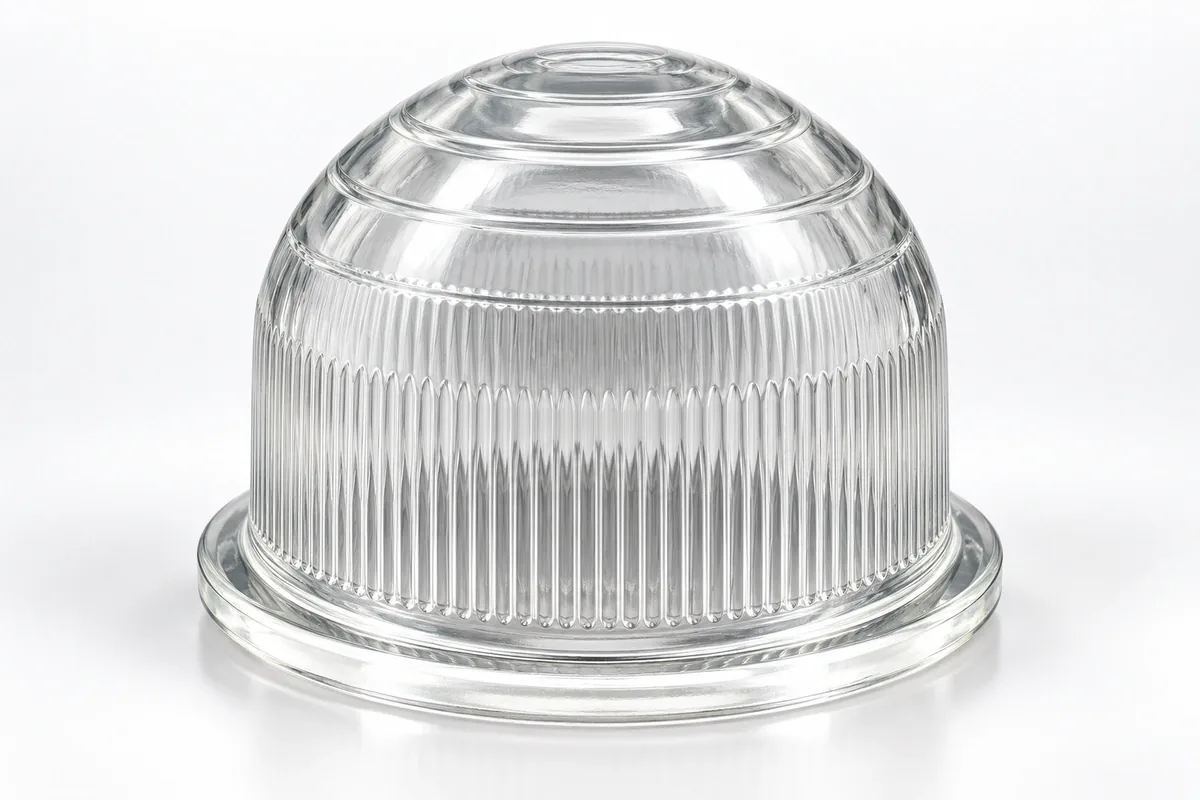
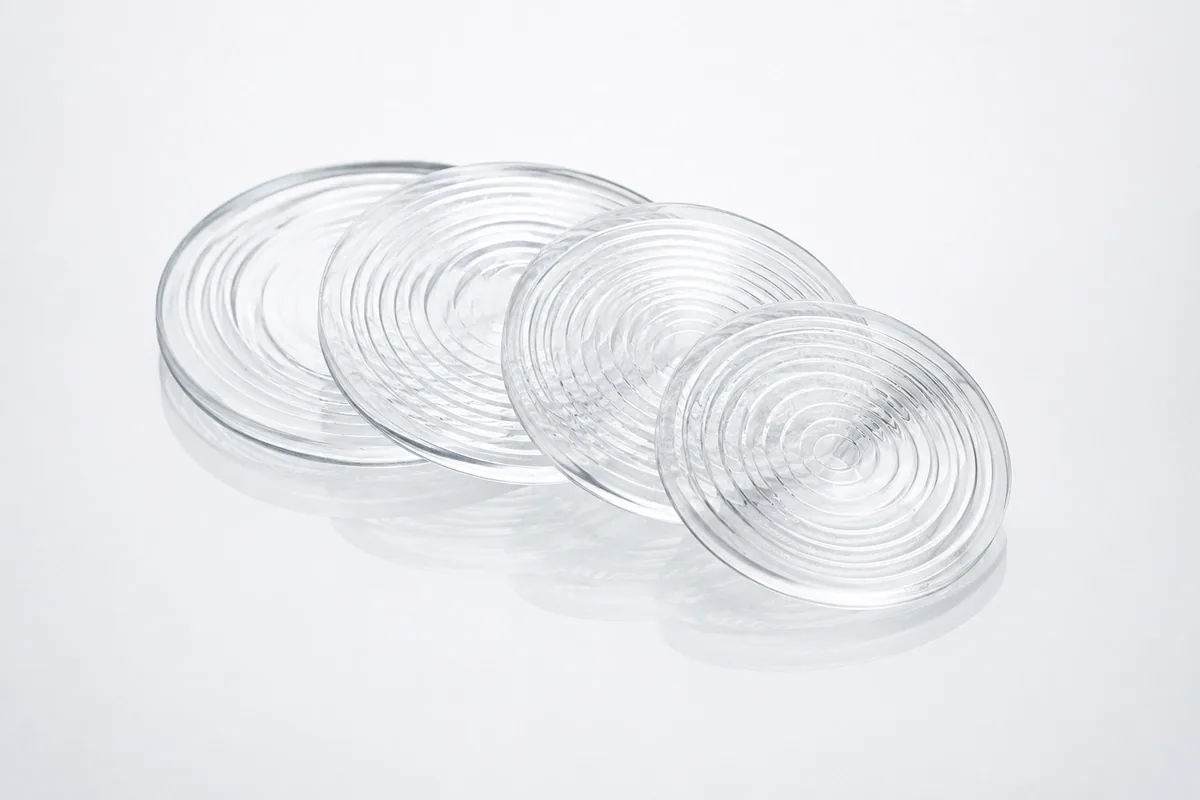
| Ribbed or patterned shade | Molded texture adds sparkle and redirects reflections | Decorative, vintage and industrial fixtures |
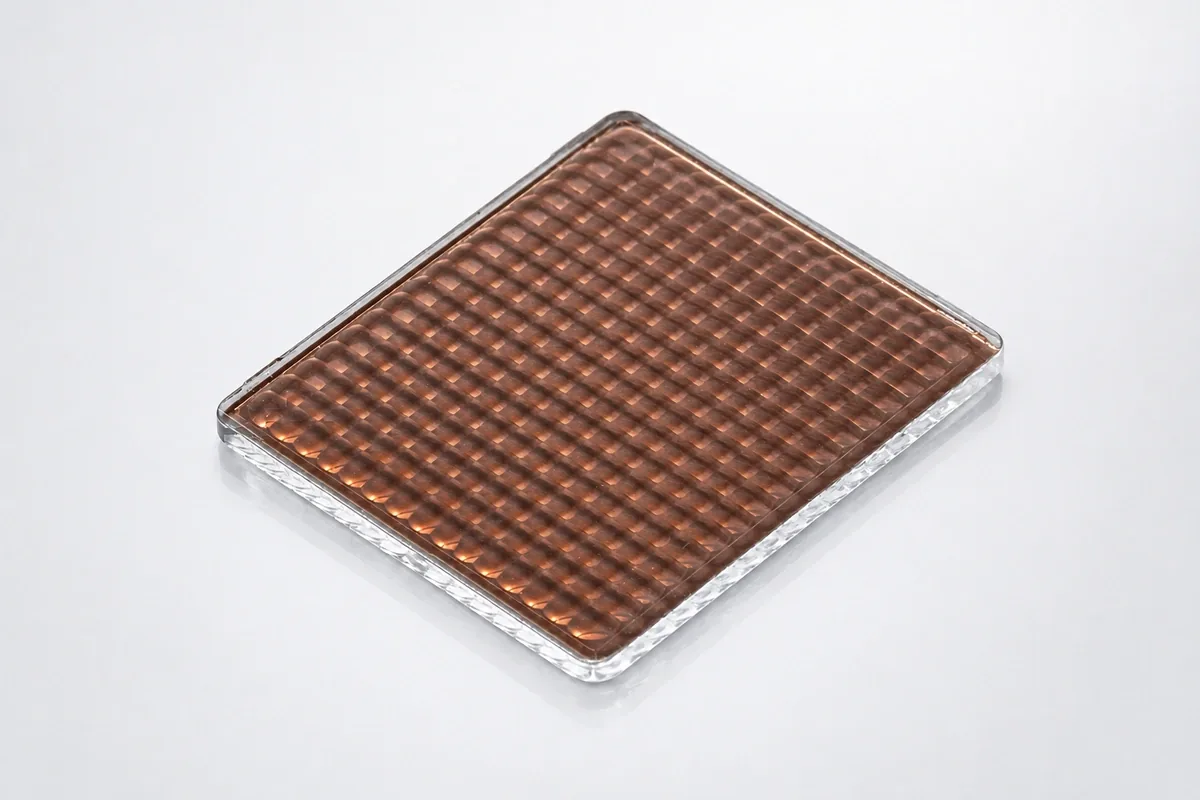
| Bubble-effect shade | Deliberate internal or surface texture | Feature and hospitality lighting |
| Project-specific cover | Shape and opening copied from a drawing or sample | OEM and replacement programs |
Optical and Appearance Specifications
| Glass composition | Selected for the application and confirmed with the quotation and material data |
|---|---|
| Visible transmission | Clear textured designs typically target 85–92%; final value depends on material, thickness, texture and coating |
| Color / tint | Clear or project-specific tint by approved master sample |
| Outside dimensions | Globe reference Ø50–500 mm |
| Wall thickness | Formed globes 2–5 mm; flat textured parts 2–10 mm |
| Optical or visible zone | Defined on the controlled drawing |
| Allowed bubbles / stones / cords | Confirmed after drawing, sample and process review |
| Surface scratch limit | Confirmed after drawing, sample and process review |
| Mold mark location | Confirmed after drawing, sample and process review |
| Opening and edge finish | Ø42 mm fitter is a common example; custom openings and edge acceptance follow the mating fixture |
Inspection should match the way the shade is used. A decorative clear globe viewed from all sides requires different cosmetic zoning from an industrial cover whose edge and rear surfaces are concealed by the housing.
Textures and Finishes
- Smooth clear: maximum view of the source and internal structure
- Ribbed or fluted: molded lines modify reflections and add a defined pattern
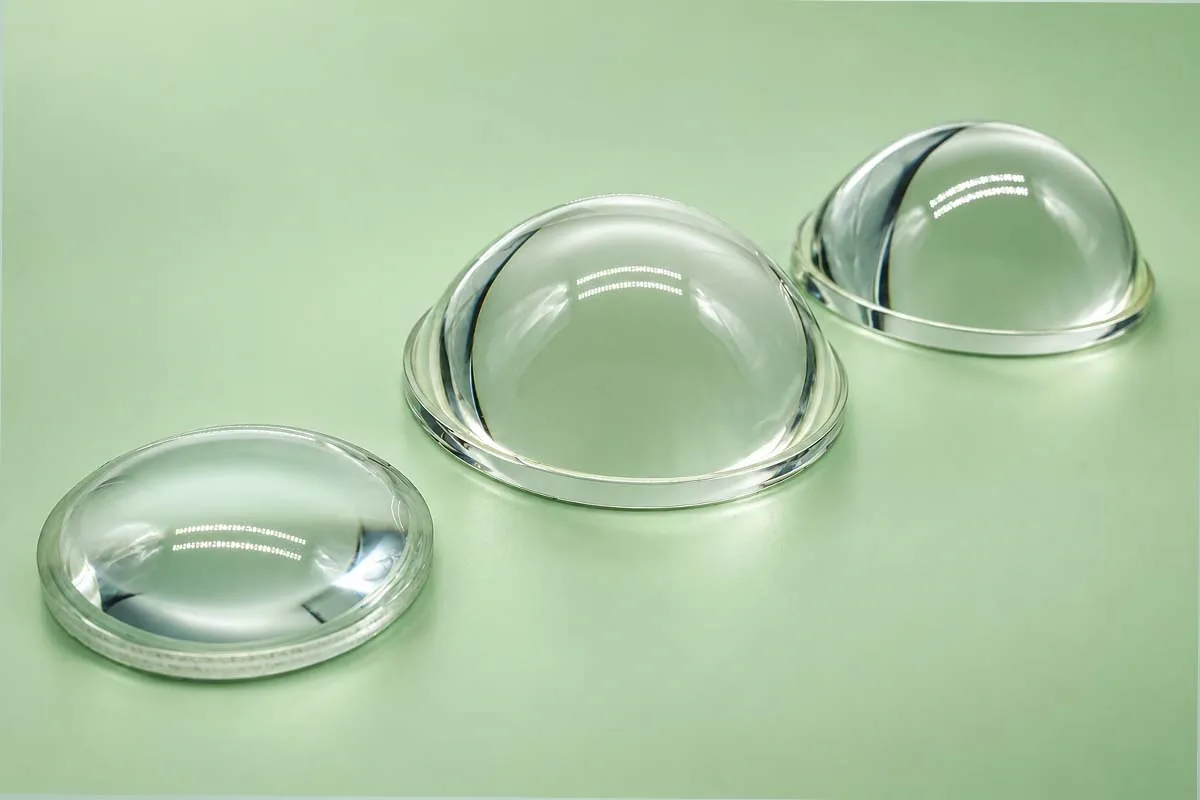
- Prismatic: structured facets redirect light for a functional beam
- Selective sandblasting: adds diffusion only in specified areas
- Coated or tinted: adds decorative color or a project-defined optical finish
Custom Development and Production
Lampoptics combines mold development, glass forming, annealing and secondary processing. The factory can develop new tooling from a drawing or approved sample and can finish compatible parts by coating, sandblasting, drilling, physical tempering or chemical tempering.
Glass grade, forming route, size range and cosmetic standard are confirmed after the drawing and viewing zones are reviewed.
Clear Glass Shade Processing
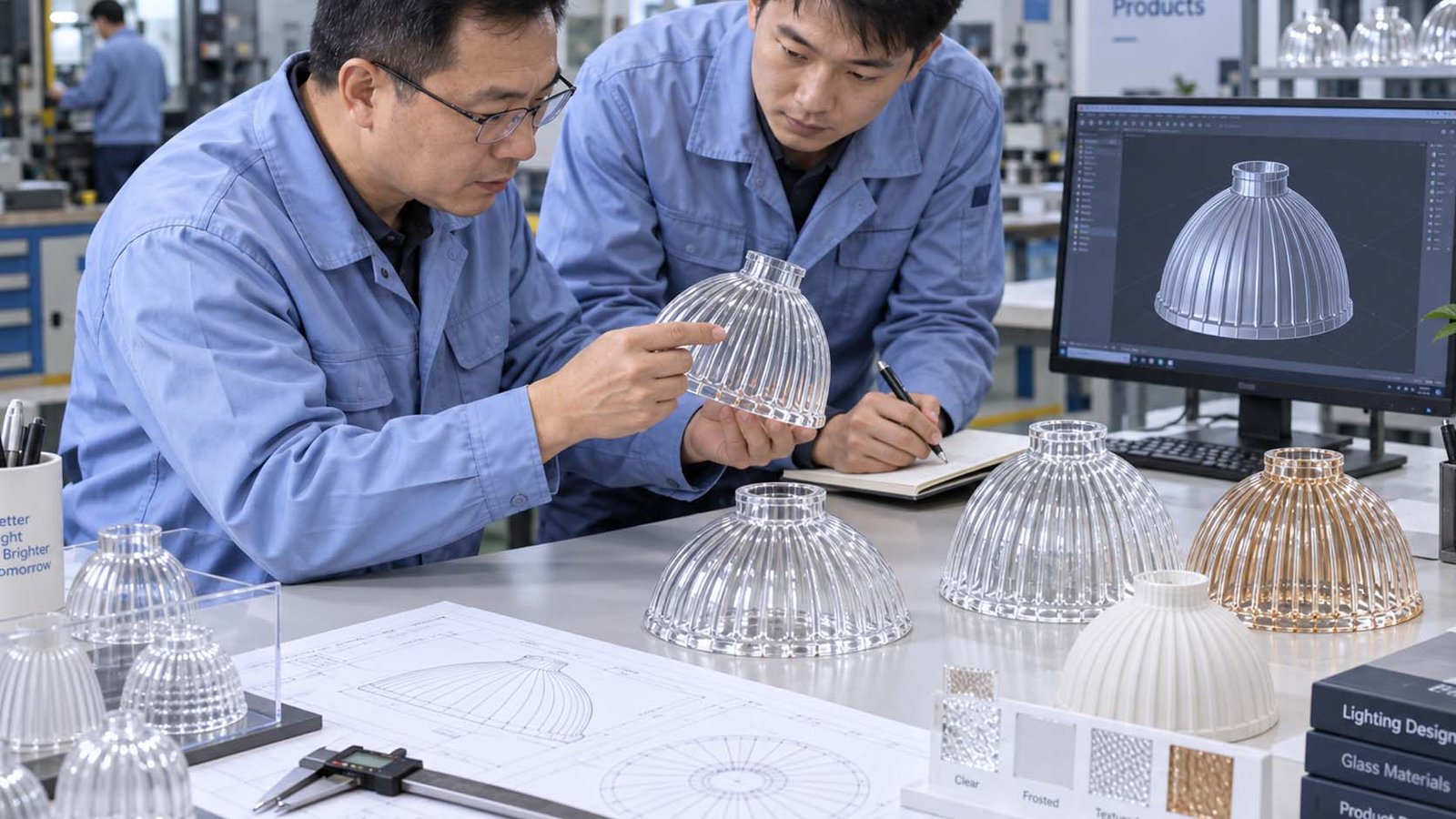
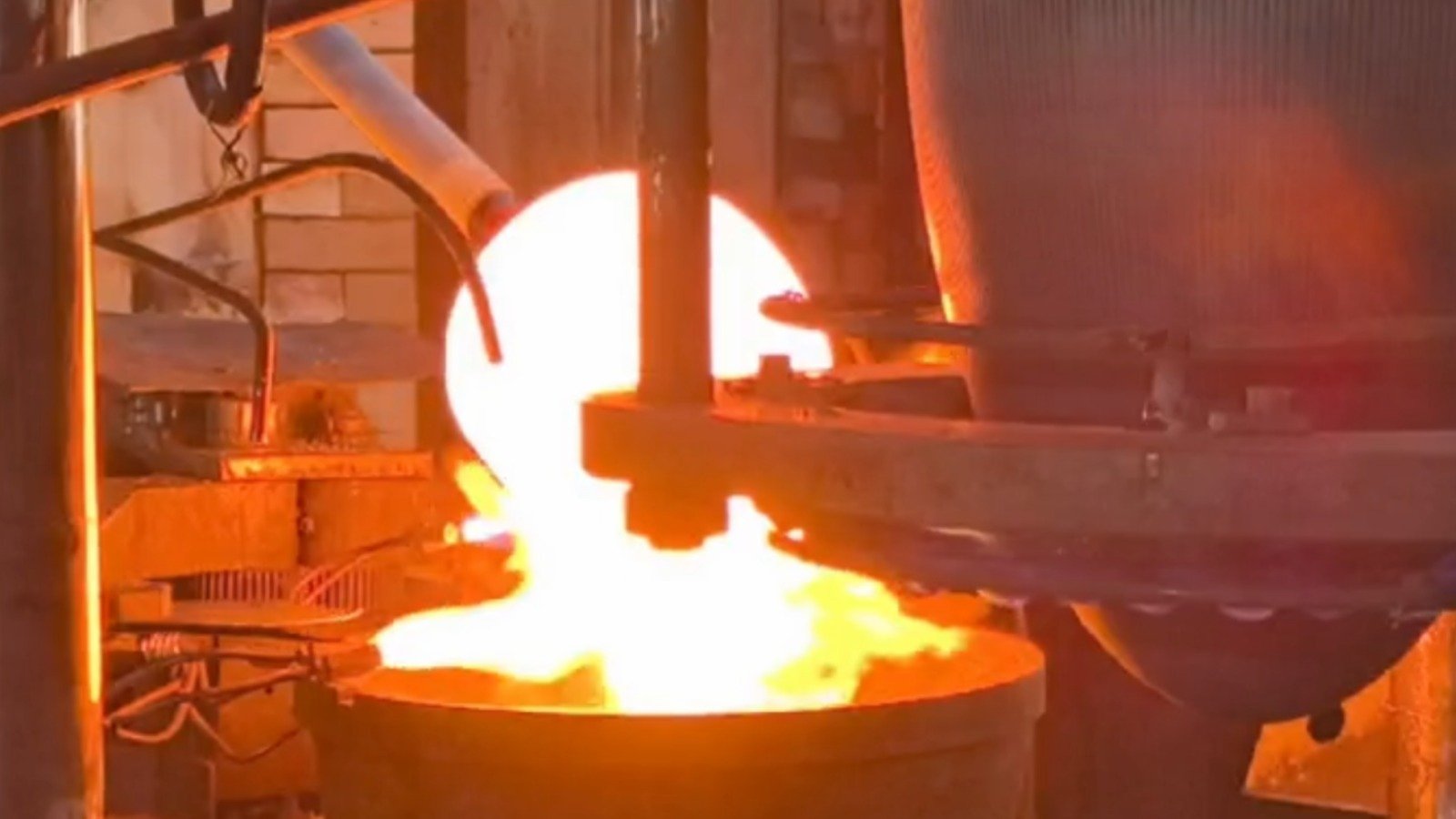
Clear Glass Selection
Glass is selected for the required transmission, tint, thermal duty and visual quality.
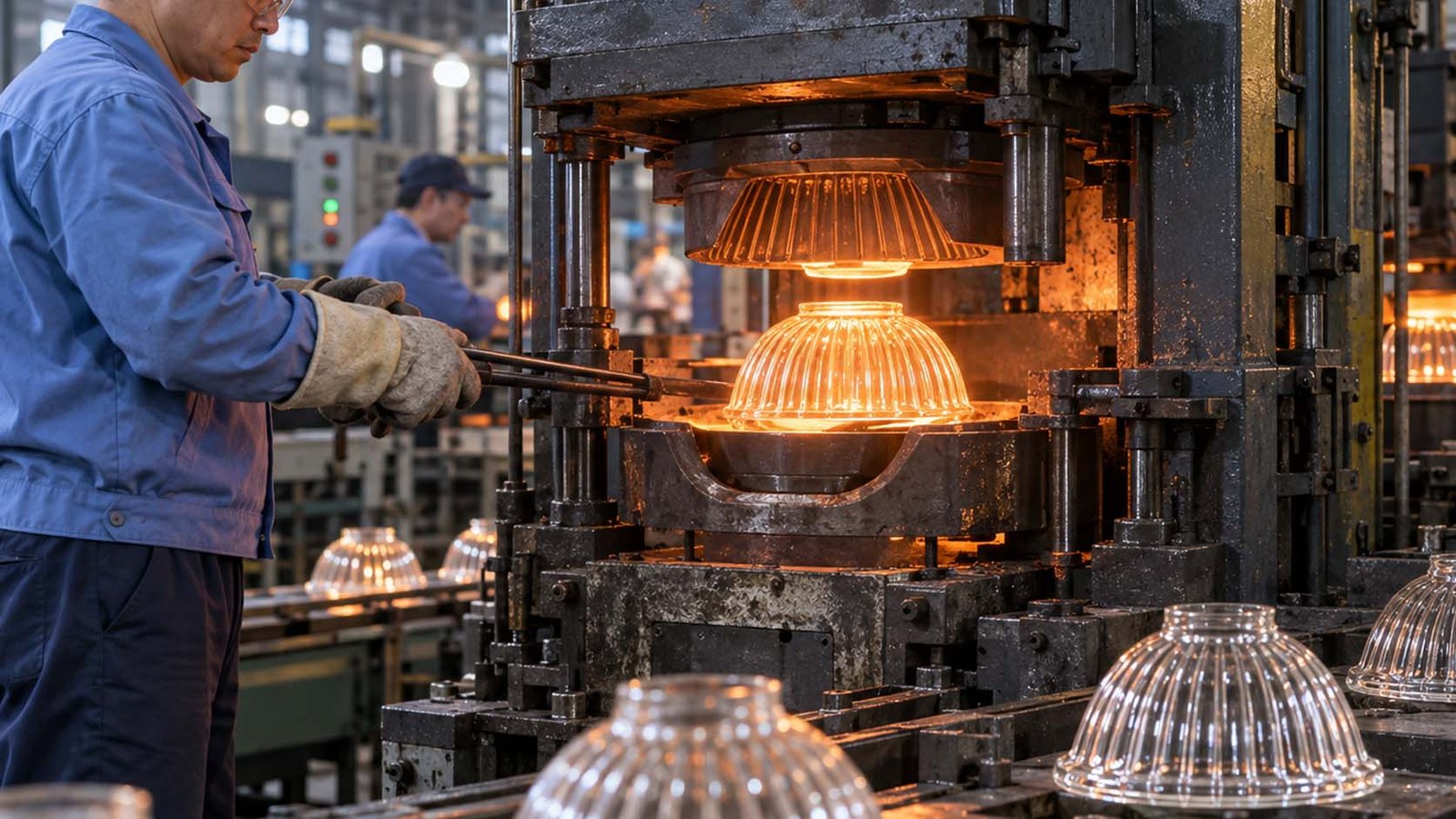
Profile Forming
The shade body, rim and molded texture are formed while limiting distortion in the specified viewing areas.
Annealing
A controlled annealing cycle reduces stress before the clear surface receives further handling or finishing.

Cosmetic and Dimensional Inspection
The opening and mounting dimensions are checked together with bubbles, stones, scratches, mold marks and distortion.
Applications
- Decorative pendants and chandeliers: transparent globes, cones and cylinders
- Wall and ceiling fixtures: clear covers with controlled openings and rims
- Vehicle and utility lighting: molded clear lamp glass with optical textures
- Equipment and appliance lighting: heat-exposed transparent covers developed to the housing
- Replacement shades: sample-based reproduction of discontinued or project-specific glass
Clear Glass Lamp Shade FAQs
Which defects matter most in clear lamp glass?
Bubbles, stones, cords, mold marks, scratches, wall variation and edge chips are controlled according to the visible zone.
Can clear glass include ribs or patterns?
Yes. Ribs, prisms and decorative patterns can be molded into the surface when the tooling and release are suitable.
Can part of the shade be frosted?
Lampoptics has sandblasting capability. The treated area and masking boundary are defined on the drawing.
Can a clear shade be reproduced from a sample?
Yes. The sample establishes profile and appearance while the mating fixture establishes the opening and installed position.
What glass materials are available?
The clear-glass grade is selected against the optical appearance and service temperature, then confirmed with the quotation and material data.