
Stage · Studio · Projection
Stage Lighting Glass Optics
Fresnel lenses, fly-eye optics, glass lens arrays and custom molded lenses for spotlights, wash lights, projection systems and high-output stage or studio fixtures.
Glass Optics for Stage, Studio and Entertainment Lighting
A stage-lighting optic is selected by the effect it must create, not by diameter alone. Spotlights need controlled collection and focusing, wash lights require a smooth field, projection systems need repeatable imaging, and multi-color LED engines often need homogenization before the final beam is formed.
Lampoptics develops molded glass components from optical prescriptions, drawings or approved samples. The glass route can support Fresnel structures, lens arrays, fly-eye surfaces, spherical or aspherical profiles and project-specific freeform geometry, subject to tooling and inspection review.
Build the Optical Train Around the Lighting Effect
The table separates the main functions within a stage or studio light so the correct glass component can be specified.
| Application | Optical or component task | Required project input |
|---|---|---|
| Source collection | Capture light from LED, COB, arc or lamp source | Molded condenser or aspherical lens |
| Beam homogenization | Reduce source imaging and mix multiple channels | Fly-eye lens or matched lens arrays |
| Focusing and zoom | Form a spot, wash or adjustable field | Fresnel, molded lens or lens group |
| Projection | Transfer a controlled image or pattern | Aspherical, freeform or multi-element optics |
| Front protection or diffusion | Protect the optical engine or soften the field | Clear, textured or pressed glass cover |
Fresnel, Fly-Eye and Projection Optics
Fresnel glass lenses provide optical power with a shorter and lighter profile than a thick conventional lens. Fly-eye and lens-array systems divide the source into repeated channels and overlap them at a target plane, which can improve field uniformity and color mixing. Aspherical and freeform optics are considered when a compact system must achieve higher collection efficiency or a shaped output.
Thermal load, source-to-glass spacing, fixture ventilation and the movement of a focusing mechanism affect the useful optical design. Beam uniformity, edge definition, color consistency and output angle should be defined as measurable targets. Lamp power or maximum glass temperature is not assumed from the product name and must be supplied for review.
Recommended Glass Products for Stage Lighting
Each product family below performs a different part of the optical train.
| Product | Role | Key selection input |
|---|---|---|
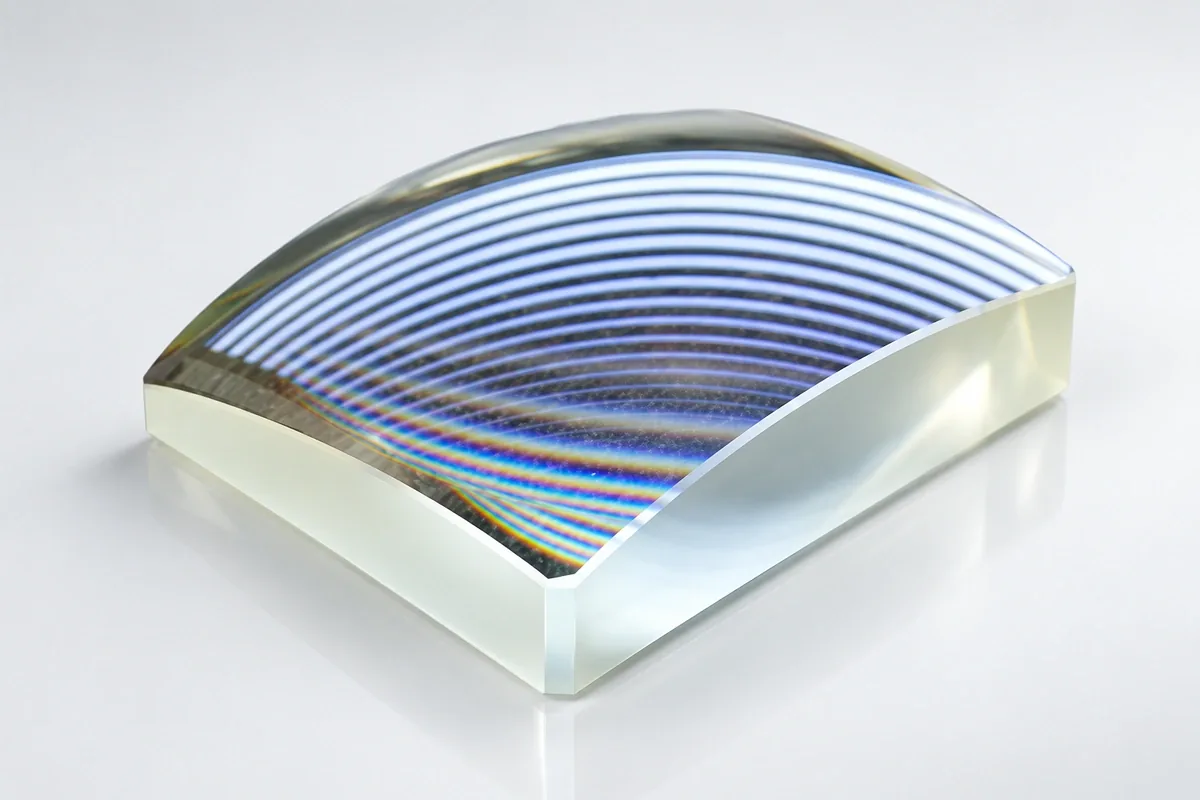
| Fresnel Glass Lenses | Spot, wash and compact focusing optic | Focal length, aperture, groove side and source travel |
| Fly-Eye Glass Lenses | Beam homogenization and color mixing | Array pitch, channel count and target field |
| Glass Lens Arrays | Multi-channel light engines and projection modules | Lens pitch, source matrix and alignment |
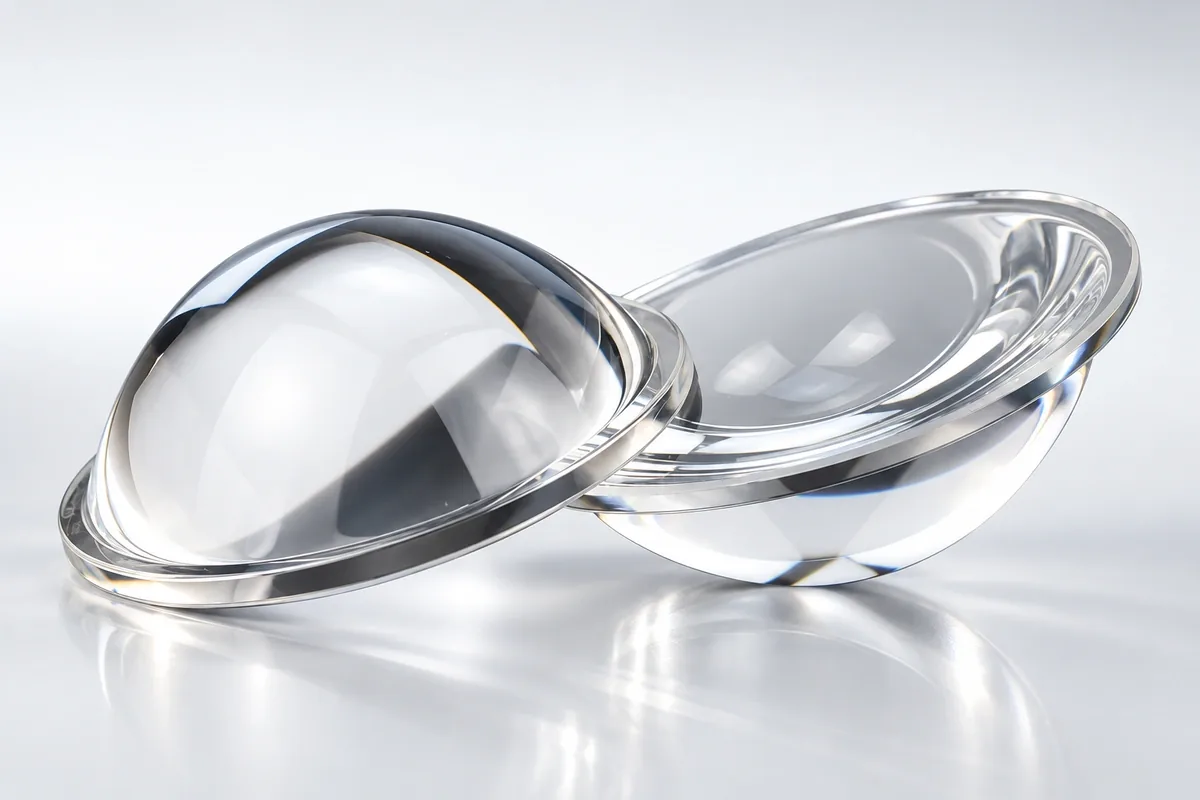
| Molded Glass Lenses | Condensing, collecting and secondary optics | Prescription, clear aperture and focal data |
| Aspherical Glass Lenses | Efficient collection with fewer elements | Surface prescription, source and working distance |
| Freeform Glass Lenses | Shaped or asymmetric output | Target intensity map and orientation datum |
Recommended Glass Products
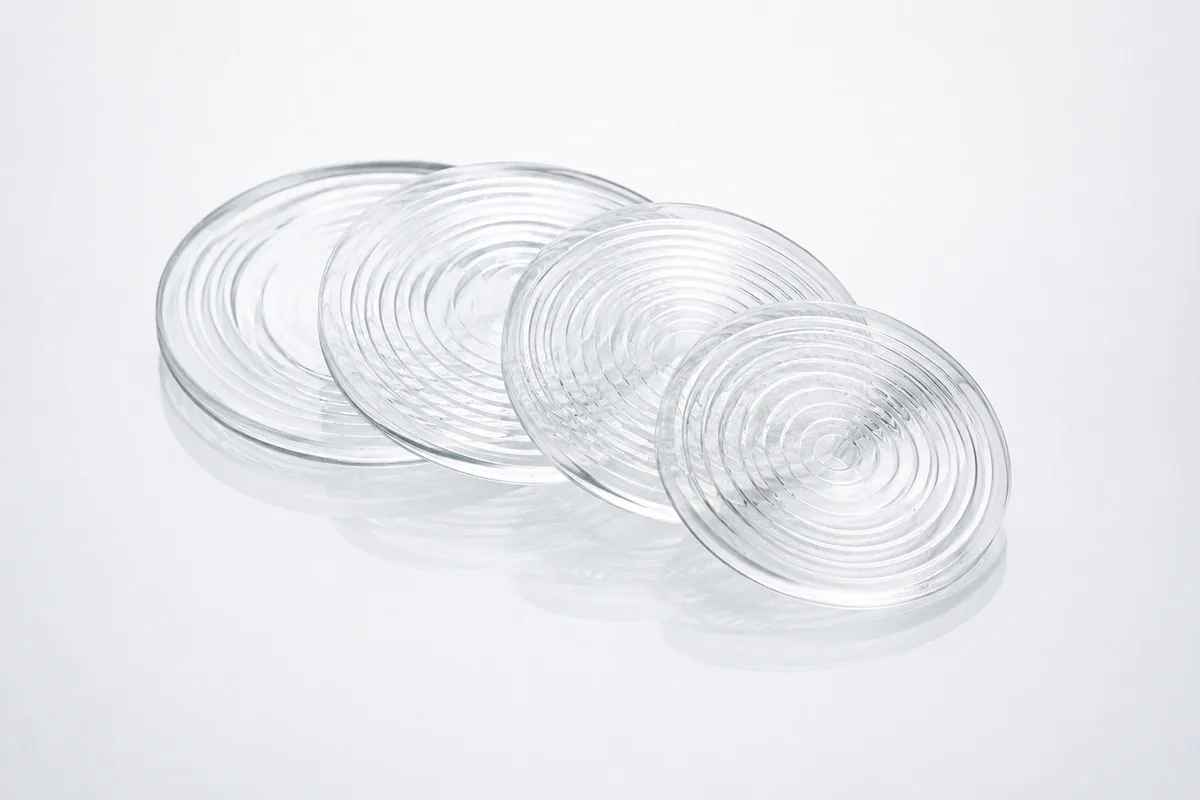
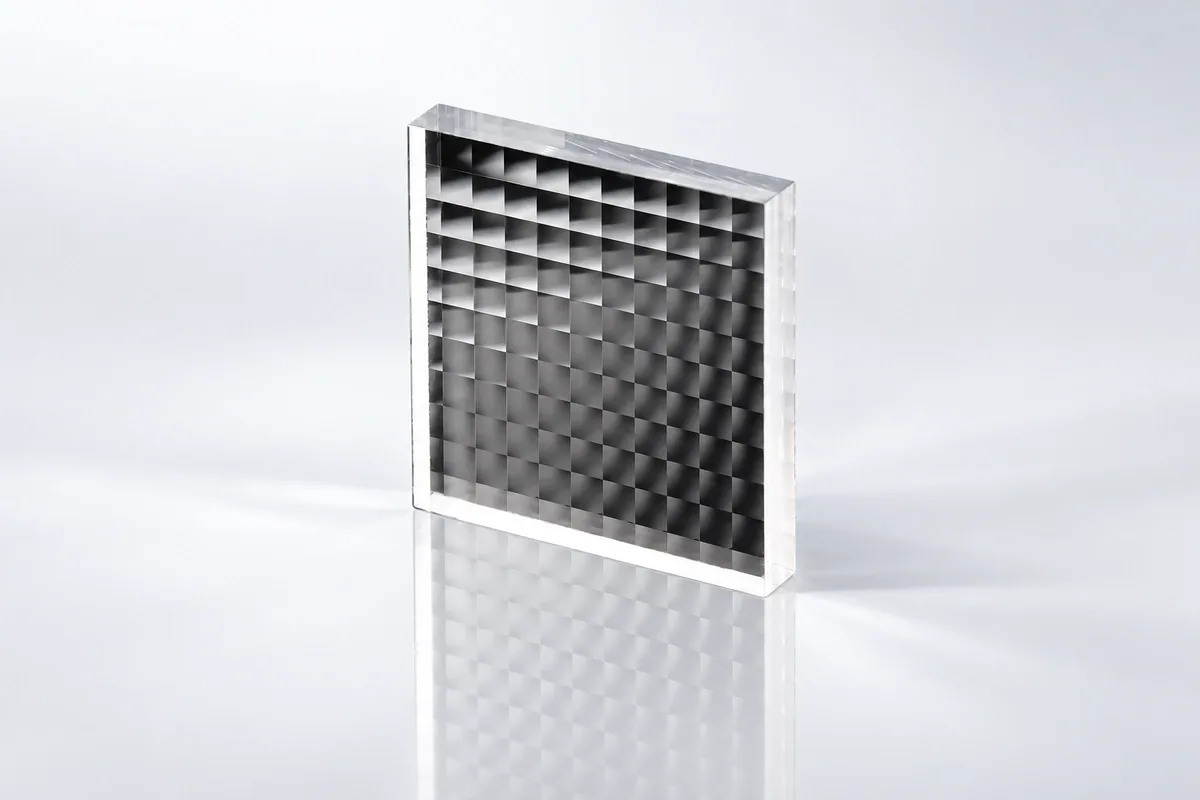
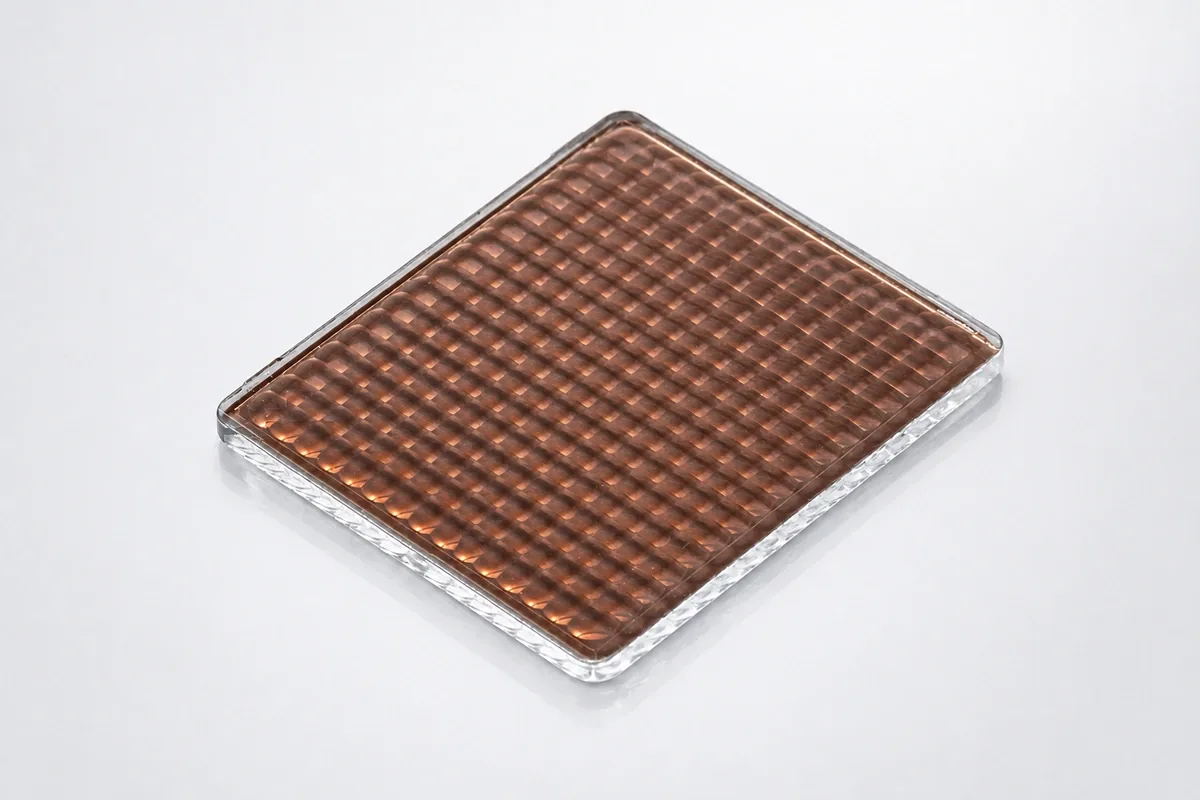
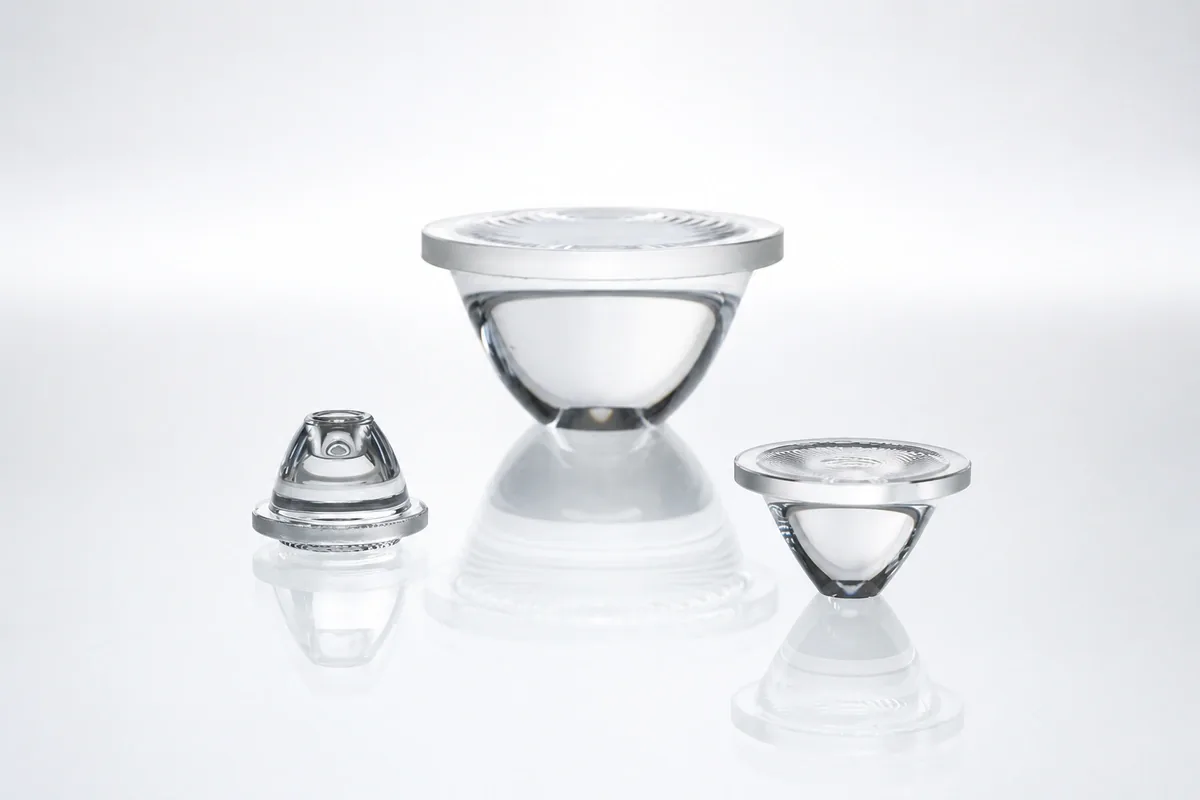
Custom Optics for New and Legacy Fixtures
- Identify the desired effect, output angle, field size, working distance and adjustment range.
- Provide the production source model, spectrum, emitting geometry and thermal operating condition.
- Release the optical prescription together with the mechanical axis, seat and clear aperture.
- Review mold transfer, grooves or array features, edge zones, annealing and optional finishing.
- Correlate dimensional inspection with beam, field-uniformity or projection tests on approved samples.
Information Needed for an Optical Review
- Fixture type and required stage/studio effect
- Production LED, COB or lamp model and operating point
- Beam angle, field size, working distance and zoom/focus travel
- Lens prescription or target photometric data
- Mechanical envelope, mounting datum and clear aperture
- Thermal condition, coating requirement, quantity and approval method
Stage Lighting Glass Optics FAQs
What is the difference between a Fresnel lens and a fly-eye lens?
A Fresnel lens mainly provides focusing or collimating power in a compact profile. A fly-eye system uses repeated lenslets to redistribute and homogenize the source.
Can glass optics be used with high-output stage LEDs?
Glass can be considered for demanding thermal and optical conditions, but the actual glass temperature, source spacing and fixture ventilation must be reviewed for the specific design.
Can a legacy theatrical lens be reproduced?
A drawing or sample can support reconstruction. If the source has changed, the new source geometry and target beam are also required because the original surface may not preserve the same output.
Can Lampoptics mold lens arrays and microstructures?
Molded repeated structures can be reviewed. Pitch, depth, draft, usable aperture and the chosen inspection method must be confirmed before tool release.
How should a stage-light optic be approved?
Approval should combine mechanical fit, surface and cosmetic inspection with a beam or field test using the specified source, distance and fixture configuration.


