
Viewing · Measurement · Protection
Glass Components for Equipment and Instruments
Custom sight glass, gauge glass, meter glass, optical windows and protective glass components for instruments, machines and process equipment.
Custom Glass Components for Equipment and Instruments
Equipment glass may be used to observe a process, read a level or register, transmit light to a sensor, protect a display or close an opening. These functions create different requirements for clear aperture, optical distortion, surface quality, thickness, edge support and sealing.
Lampoptics supplies molded and processed technical glass from customer drawings or samples. Cutting, grinding, drilling, physical or chemical strengthening, coating and sandblasting can be integrated where the selected material and geometry permit.
Separate Viewing, Illumination and Protection Functions
Defining the functional role prevents unnecessary optical tolerances or an incomplete pressure/seal specification.
| Application | Optical or component task | Required project input |
|---|---|---|
| Direct process viewing | Clear observation through a vessel or housing | Medium, pressure, temperature, aperture and supported diameter |
| Level indication | Reflex or transparent reading along a gauge | Gauge type, length, sealing surfaces and viewing direction |
| Meter/register viewing | Readable dial or sensor path behind a window | Clear aperture, distortion, coating and gasket face |
| Optical/sensor window | Transmit a defined wavelength with controlled geometry | Spectrum, flatness, wedge, surface and datum |
| Protective equipment cover | Separate a display, light or mechanism from exposure | Impact, abrasion, cleaning, edge and housing |
Seal Interface, Clear Aperture and Surface Requirements
The visible aperture is only part of the component. The supported diameter or length, gasket contact width, edge condition, step height, flange and retainer determine how load enters the glass. Pressure, vacuum and leak performance should be defined for the complete assembly with the actual sealing arrangement.
Optical requirements should match the task. A human viewing window may emphasize transparency and cosmetic quality; a sensor window may need tighter flatness, wedge or transmission control; a reflex gauge requires a controlled prism profile. Applying the same tolerance language to all three increases cost without improving function.
Recommended Glass Products for Equipment and Instruments
The product families below cover observation, level indication, metering and protective windows.
| Product | Role | Key selection input |
|---|---|---|
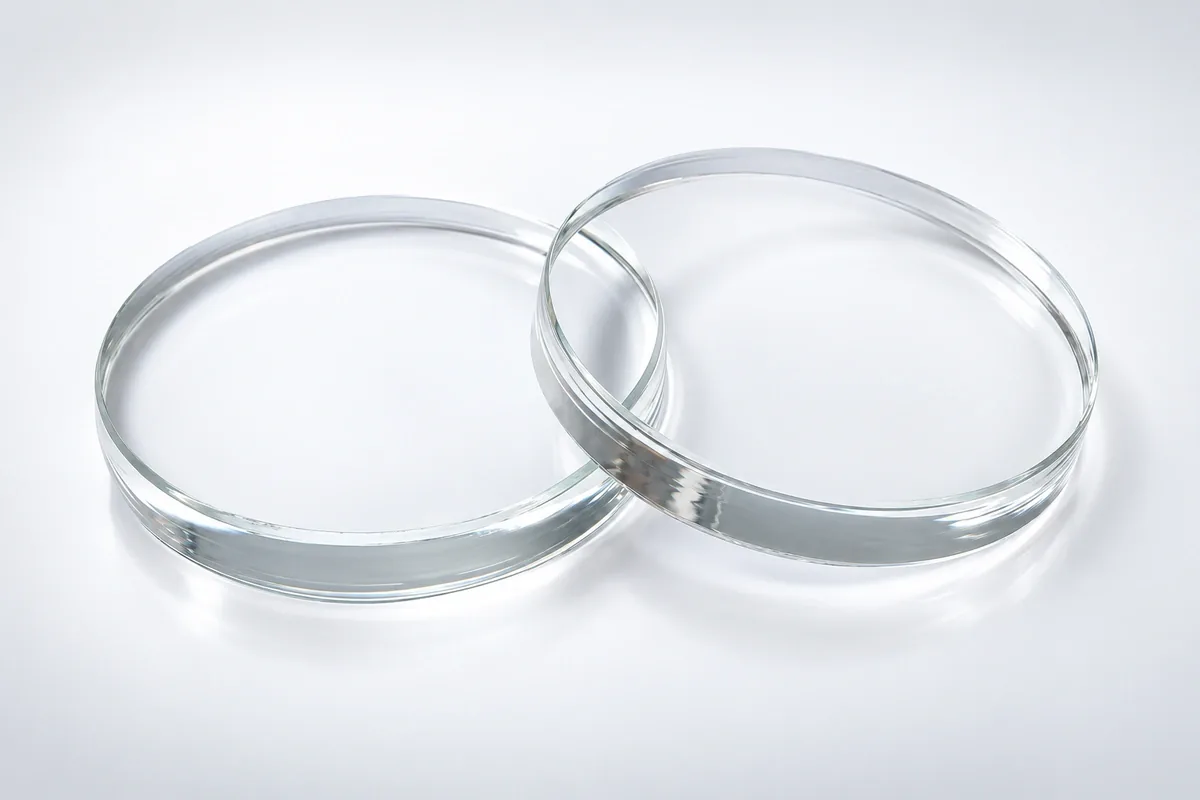
| Sight Glass | Direct viewing into vessels and equipment | Pressure, temperature, medium and supported diameter |
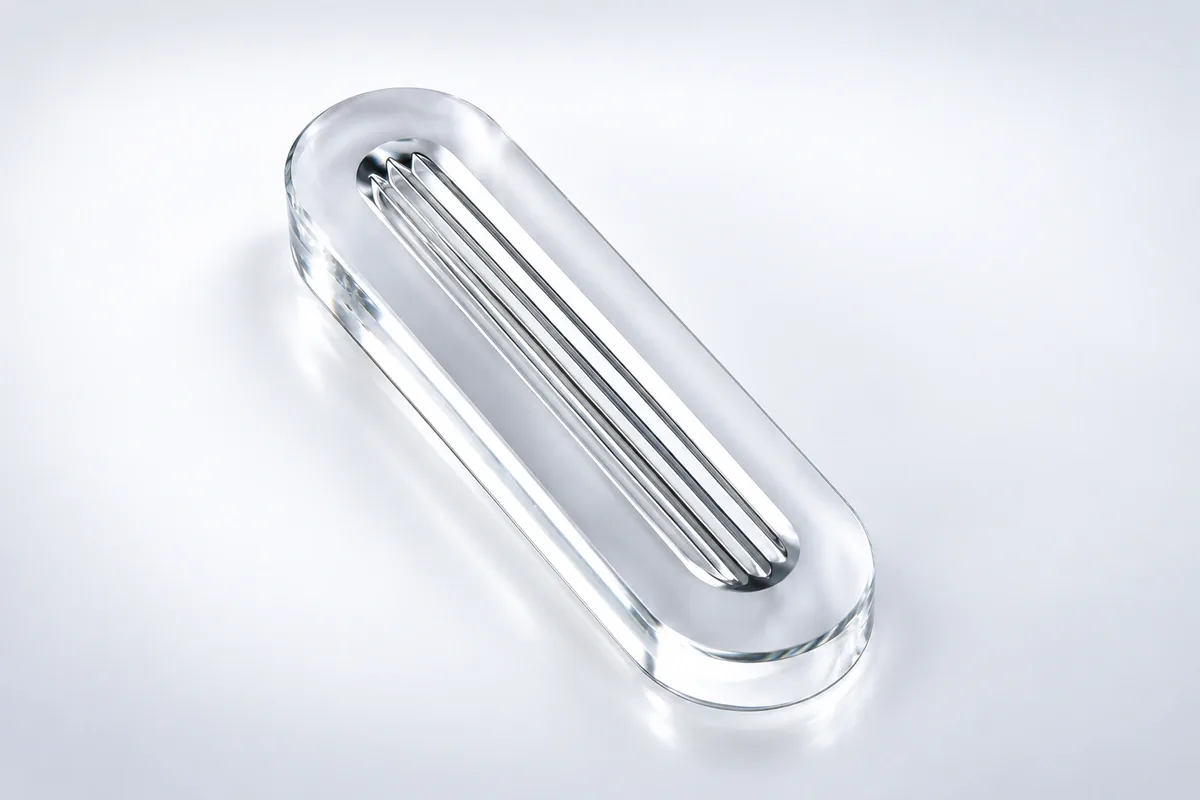
| Gauge Glass | Level indication and reflex/transparent viewing | Gauge type, length, sealing and viewing method |
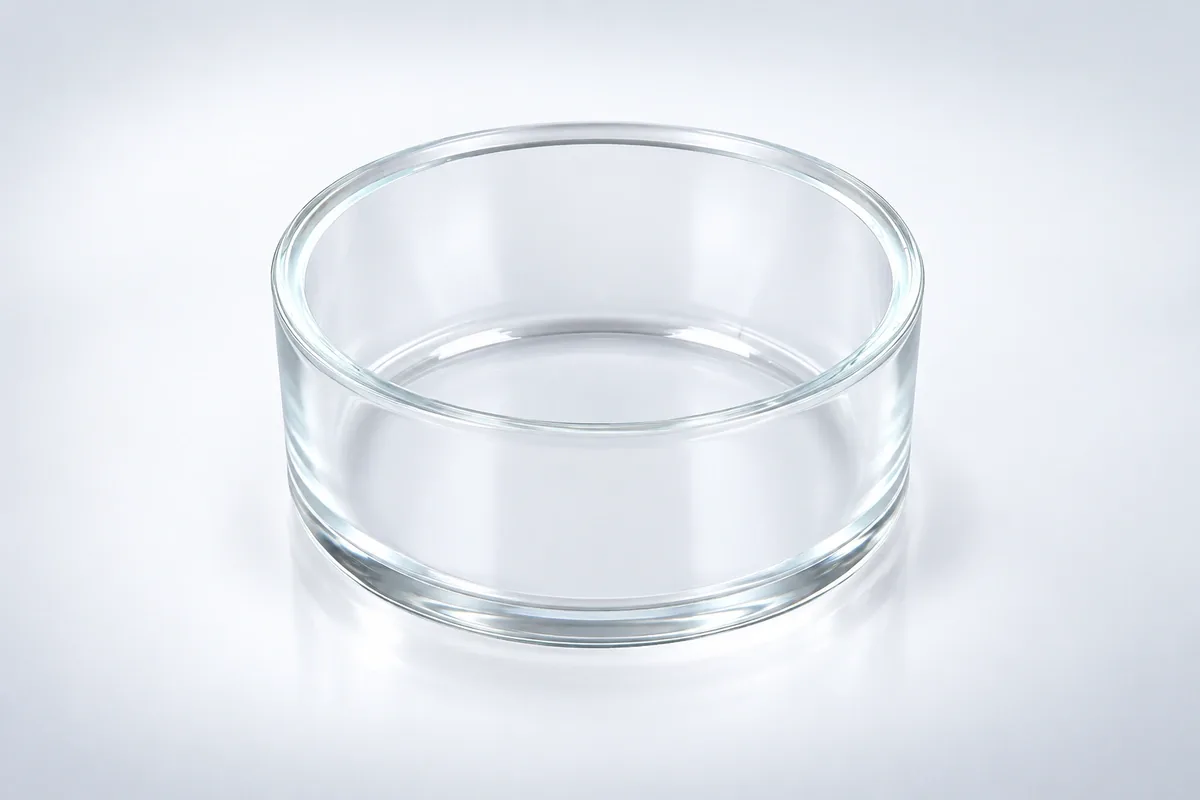
| Water Meter Glass | Register and sensor window | Aperture, step, gasket face and optical clarity |
| Glass Windows | Optical or general viewing window | Flatness, wedge, transmission and edge geometry |
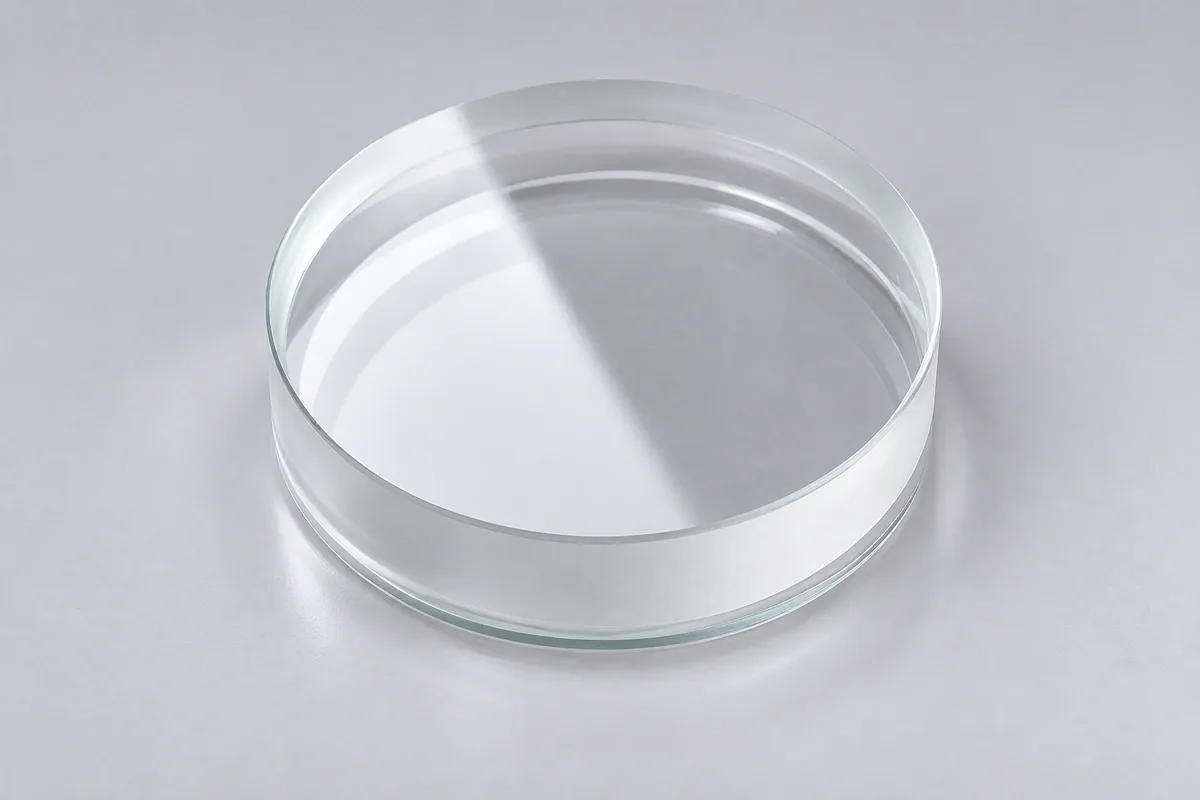
| Protective Glass Covers | Sensor and display protection | Impact, abrasion, coating and sealing |
| Pressed Glass Components | Custom molded instrument component | Functional geometry, surface and datums |
Recommended Glass Products
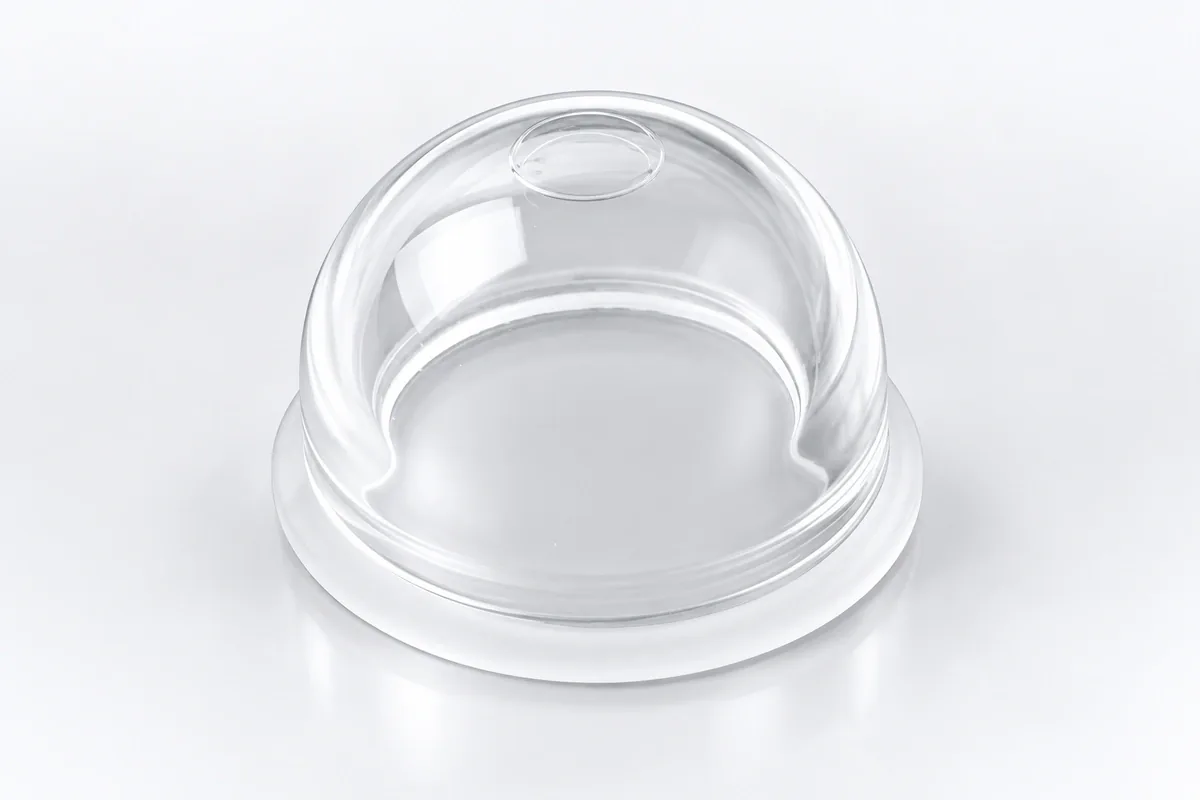
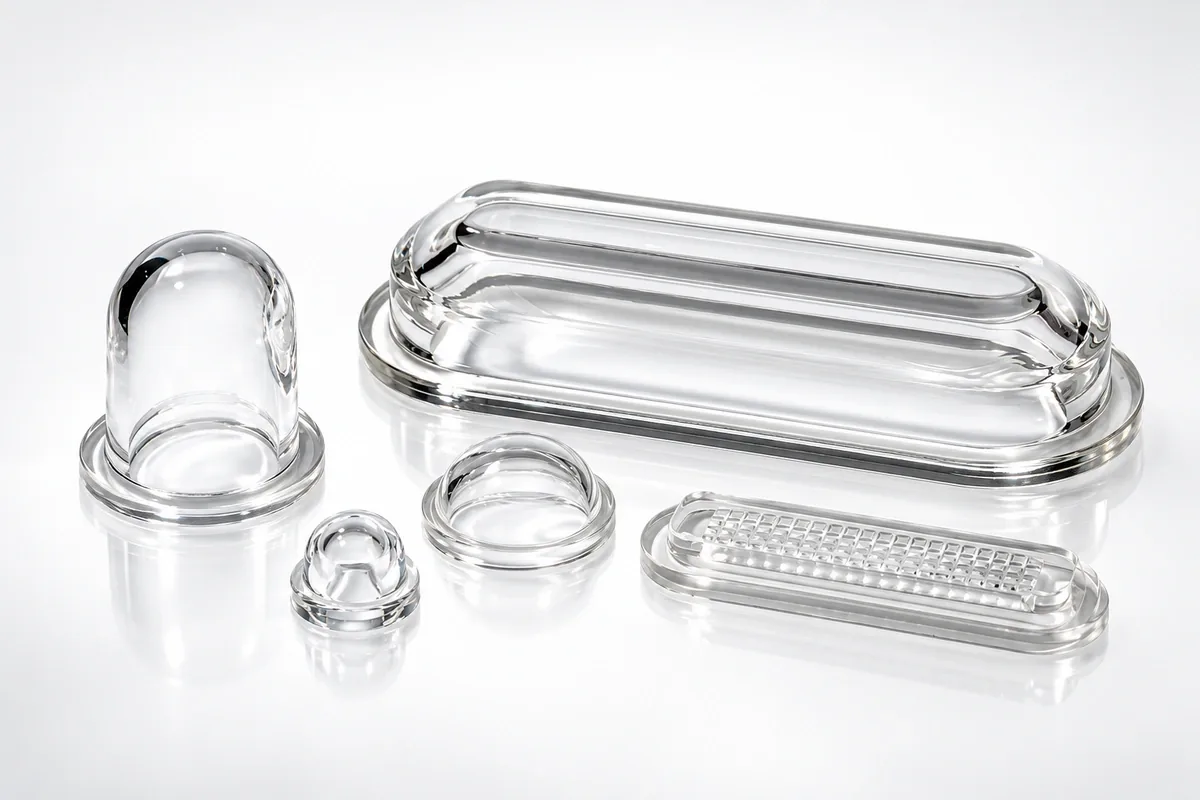
Deep Processing and Inspection Options
- Define whether the glass is for human viewing, optical transmission, measurement or protection.
- Release the aperture together with the supported area, gasket, edge, step, hole and retention details.
- Select glass and surface requirements from temperature, medium, wavelength and cleaning exposure.
- Review cutting, grinding, drilling, polishing, strengthening, coating, sandblasting or molding.
- Inspect the component and validate pressure, sealing or functional performance in the complete equipment assembly.
Data Required for an Instrument Glass Review
- Equipment function and viewing/sensor requirement
- Outside size, thickness, aperture, step, holes and edge
- Supported area, gasket, retainer and assembly drawing
- Pressure/vacuum, temperature cycle and process medium
- Transmission, flatness, wedge, surface and coating requirements
- Applicable component/assembly standard, quantity and inspection method
Glass Components for Equipment and Instruments FAQs
What is the difference between sight glass and gauge glass?
Sight glass is a broad category for viewing into equipment. Gauge glass is commonly used for level indication and may have transparent or reflex geometry with specific sealing surfaces.
Can Lampoptics make stepped or drilled instrument windows?
Stepped profiles, holes and custom edges can be reviewed from the drawing. Feasibility depends on glass type, thickness, spacing and the required edge quality.
How is pressure rating determined?
Pressure capability depends on glass grade, thickness, supported aperture, gasket, retainer, temperature and load case. The complete assembly must be evaluated.
Can the glass be coated for a sensor or display?
Coating can be reviewed when the target spectrum, transmission/reflection, environmental exposure and coated-zone drawing are supplied.
Can a replacement instrument glass be made from a sample?
A sample helps define geometry, but pressure, temperature, medium, support and optical requirements must be confirmed rather than inferred from the old part.


