
Hazardous Area · Flameproof · Controlled Assembly
Glass Components for Explosion-Protected Lighting Assemblies
Custom glass covers, globes and windows manufactured to approved drawings and certification-controlled requirements for hazardous-area lighting assemblies.
Glass Components for Explosion-Protected Lighting Assemblies
In an explosion-protected luminaire, the glass cover is part of a controlled system that includes the housing, gasket or joint, retainer, minimum wall, material grade and approved manufacturing route. A similar-looking globe cannot be substituted on dimensions alone.
Lampoptics can manufacture molded and processed glass components to a released drawing, approved sample and agreed inspection plan. The customer or designated certification authority defines the applicable protection concept, standard, equipment group, temperature class and complete-assembly validation.
Certification Applies to the Complete Lighting Assembly
The page must keep the component-manufacturing scope separate from the certification and equipment scope.
| Application | Optical or component task | Required project input |
|---|---|---|
| Glass component | Material, nominal/minimum wall, dimensions, surface and traceability | Released component drawing and inspection plan |
| Housing and joint | Flange, thread, seat, supported area and clearances | Approved housing/interface drawing |
| Gasket and retainer | Sealing, preload and mechanical retention | Controlled material, geometry and assembly method |
| Complete luminaire | Protection concept, ingress, impact, thermal and electrical behavior | Applicable certified design and system test |
| Change control | Prevents unapproved changes to critical characteristics | Customer/certification authority approval route |
Controlled Characteristics of the Glass Cover
Glass grade, minimum and nominal wall, thread or flange geometry, seating face, supported span, permissible surface processing and marking may all be certification-critical. These items should be identified on the controlled drawing and not changed through a general purchase note.
Physical or chemical strengthening, coating, sandblasting, drilling or edge finishing are applied only when included in the approved design. A component can be dimensionally acceptable yet unsuitable if the material, heat treatment, surface process or traceability route differs from the controlled version.
Recommended Glass Products for Hazardous-Area Lighting
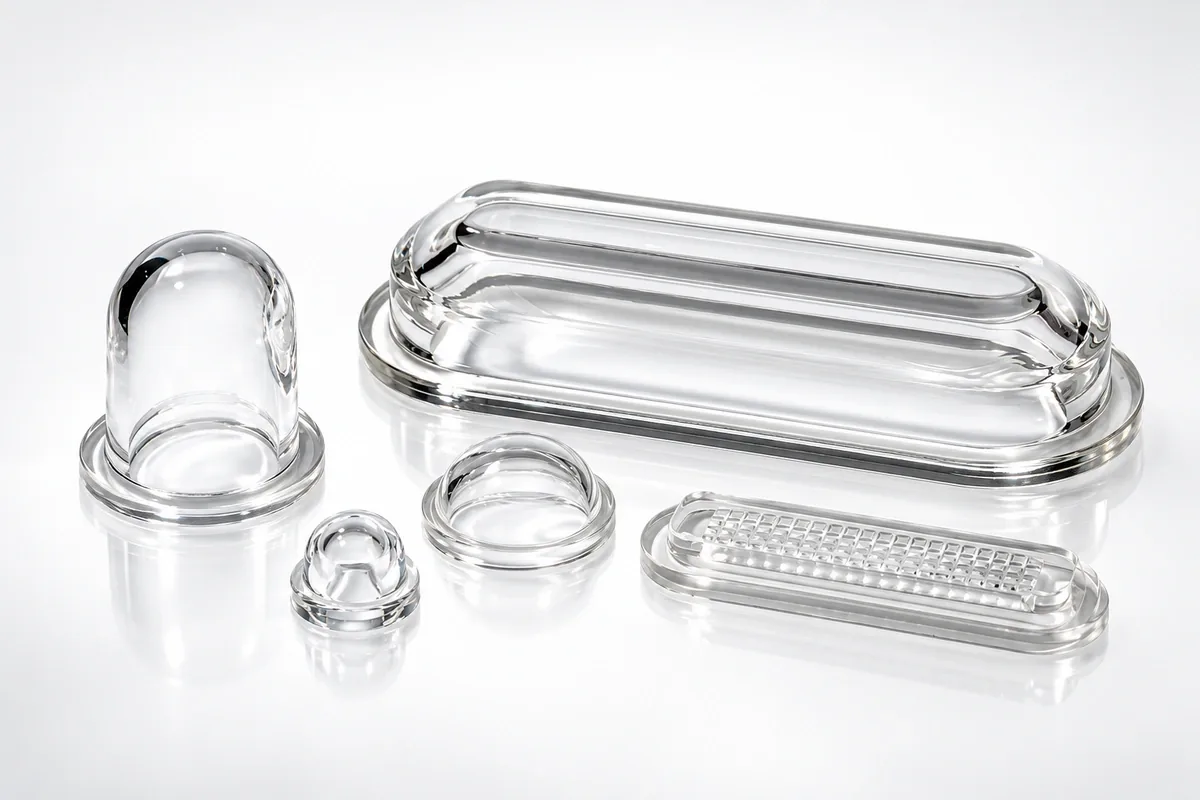
Product pages describe manufacturable glass formats; the released assembly determines whether a format is appropriate for the certified equipment.
| Product | Role | Key selection input |
|---|---|---|
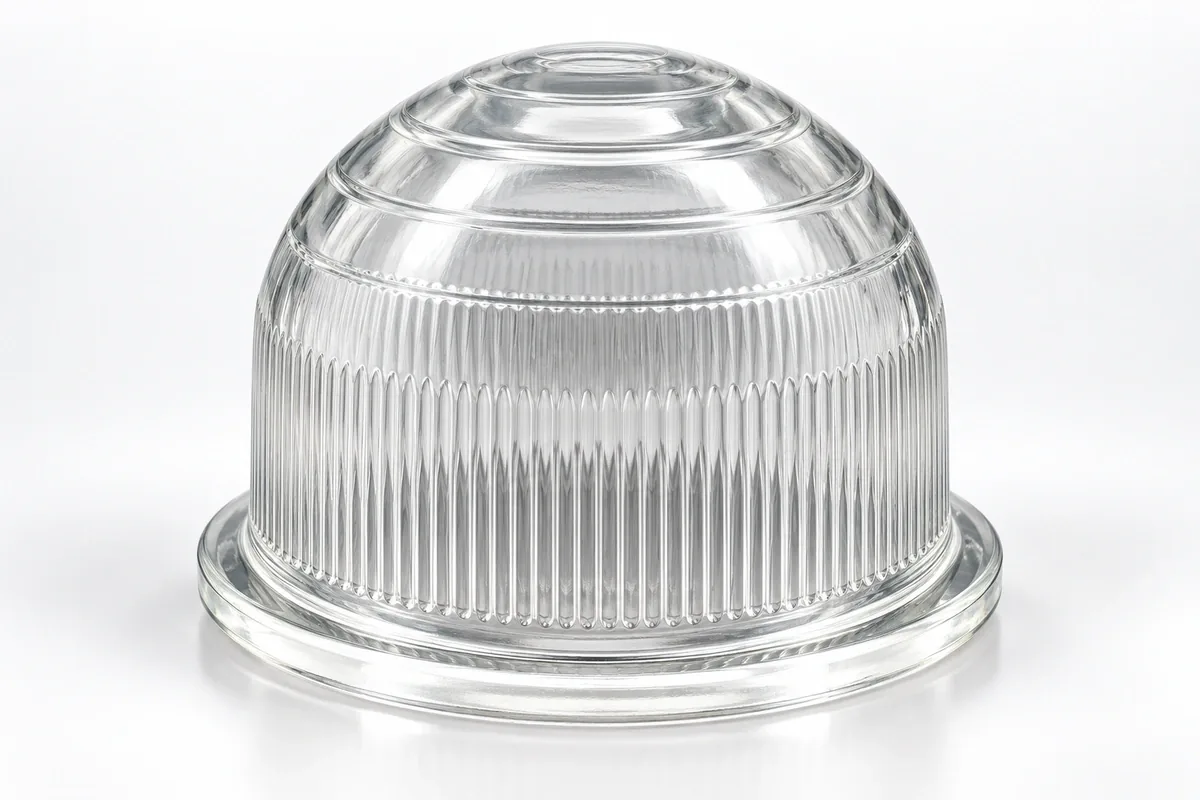
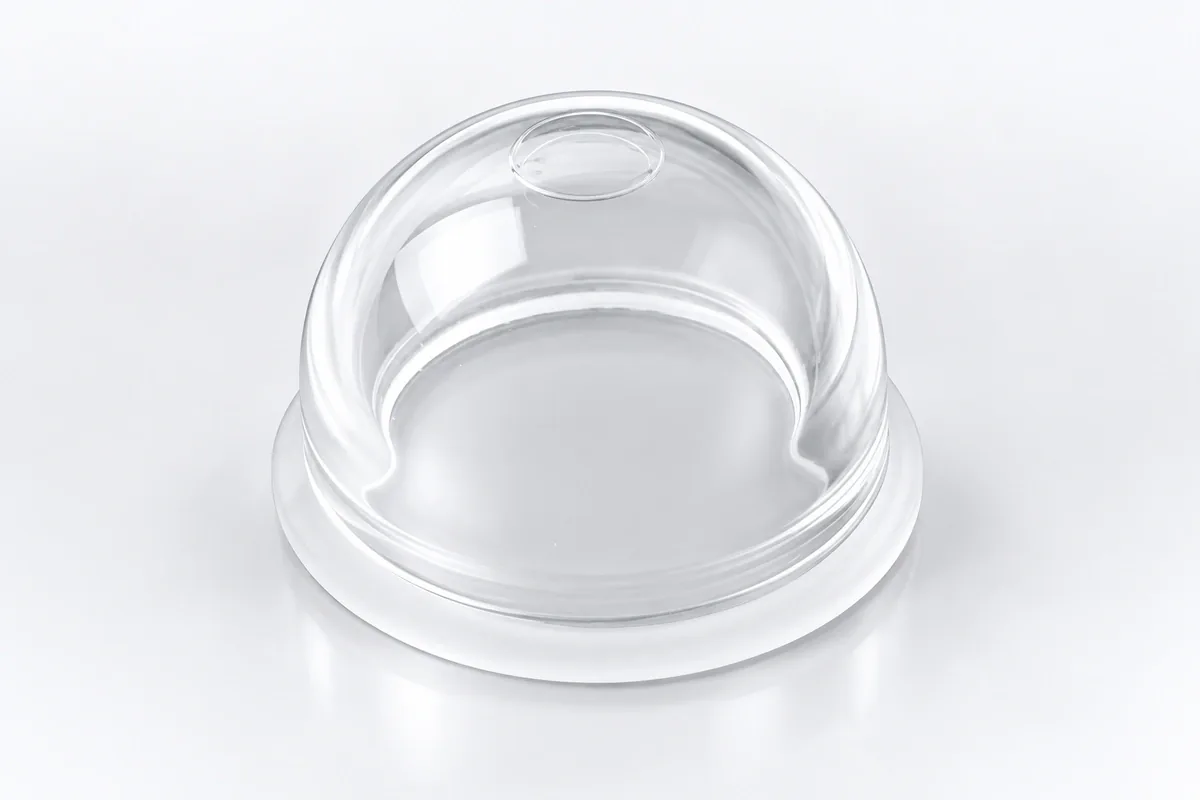
| Explosion-Proof Glass Covers | Primary controlled glass cover | Approved grade, wall and interface drawing |
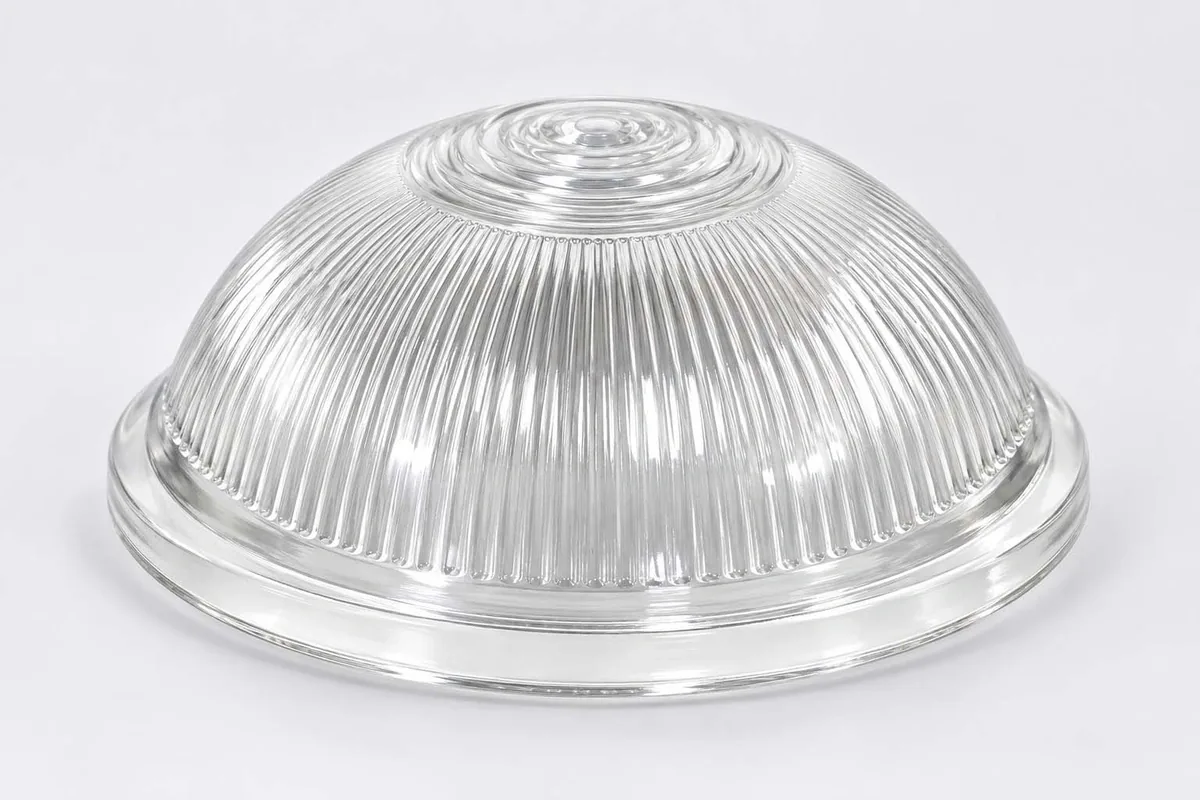
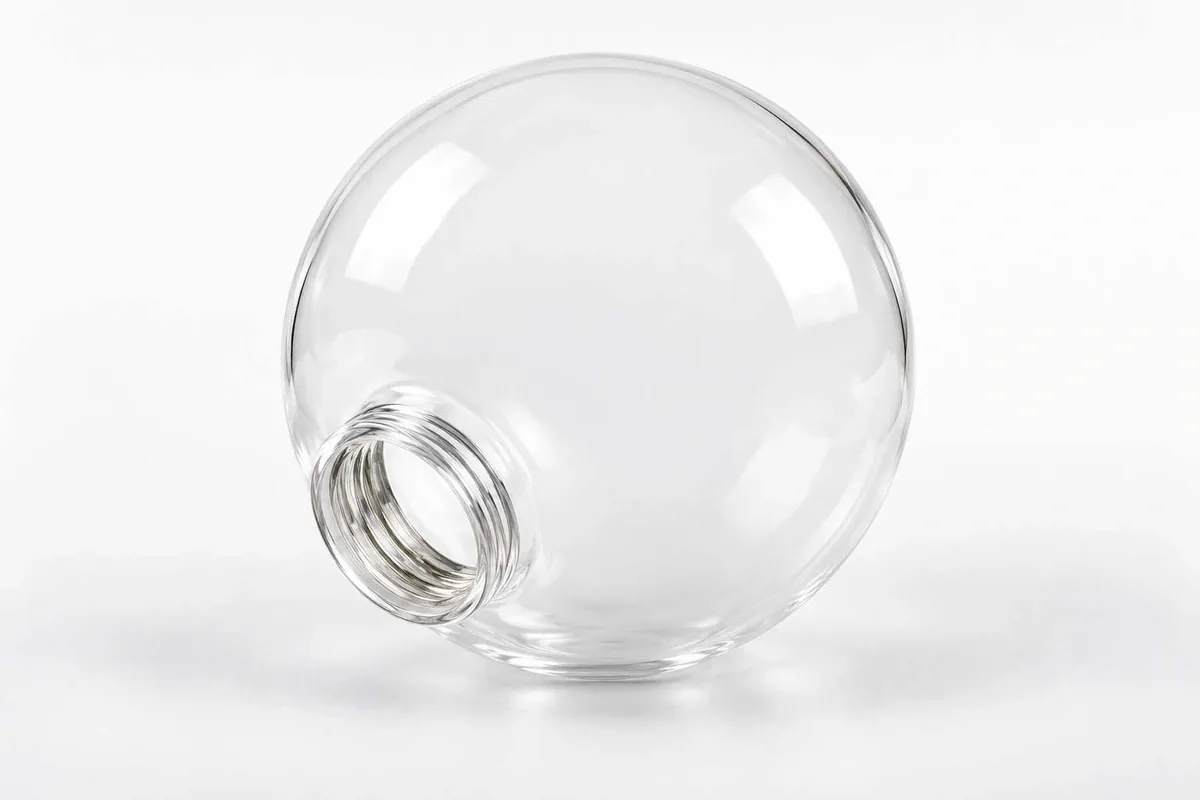
| Industrial Glass Lamp Covers | Dome, globe or cylinder for heavy-duty housing | Housing, gasket and service duty |
| Threaded Glass Lamp Shades | Screw-on cover interface | Thread gauge, engagement and seating face |
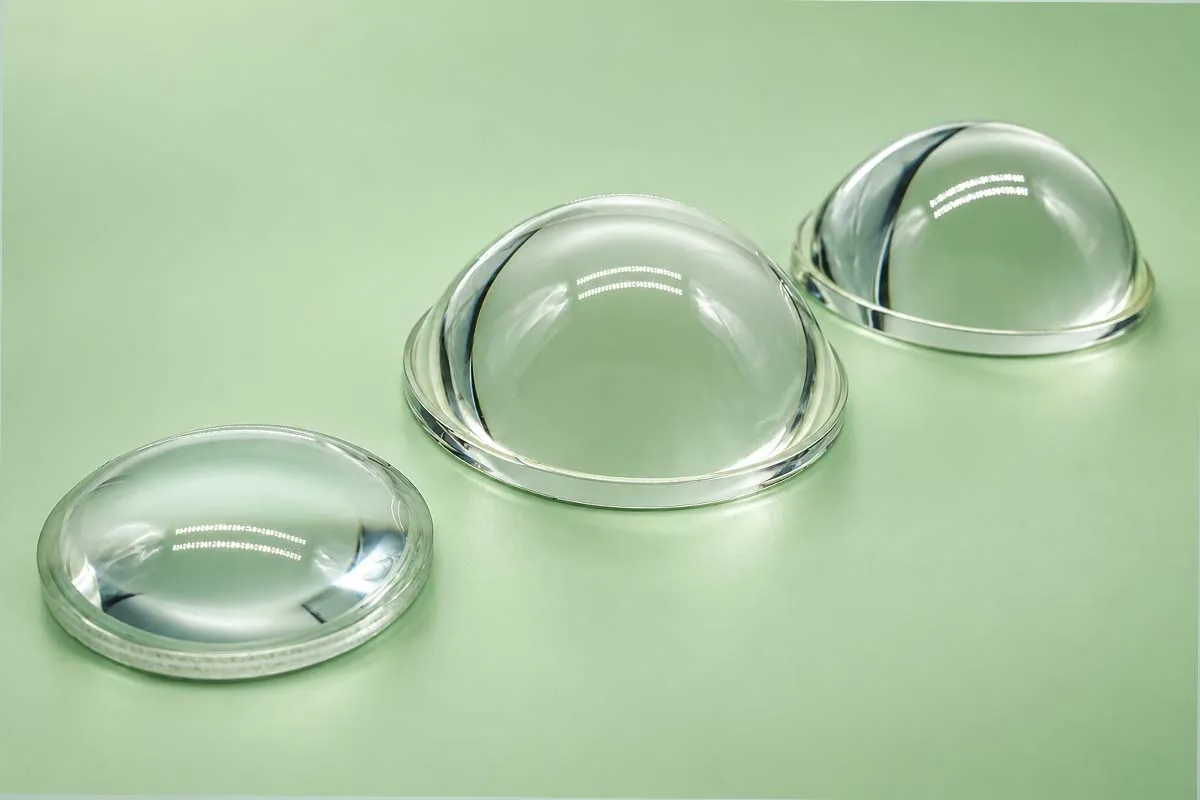
| Glass Dome Lamp Shades | Curved cover geometry | Diameter, height, wall and retained rim |
| Protective Glass Covers | Flat or stepped protective window | Supported aperture, edge and gasket face |
| Pressed Glass Components | Drawing-defined molded glass component | Tooling, datums and traceability |
Recommended Glass Products
Tooling, Change Control and Traceability
- Receive the applicable standard, certified assembly reference and released glass drawing.
- Confirm glass grade, wall, interface, gasket/retainer relationship and controlled processes.
- Review tooling and process feasibility without changing certification-critical geometry.
- Produce and inspect samples using the agreed characteristics, gauges and traceability records.
- Obtain required customer or authority approval before serial release or any later process/design change.
Documents Required Before Manufacturing Review
- Applicable standard and protection concept
- Certified assembly or approval reference
- Released glass drawing with material and minimum wall
- Housing, thread/flange/seat, gasket and retainer drawings
- Permitted strengthening, coating, finishing and marking
- Inspection, traceability, change-control and complete-system test responsibilities
Glass Components for Explosion-Protected Lighting Assemblies FAQs
Is an explosion-proof glass cover certified by itself?
Normally the protection rating applies to the complete equipment assembly. The glass is manufactured as a controlled component to the approved design and certification plan.
Can an ordinary industrial globe replace a certified cover?
No substitution should be made from appearance or nominal size alone. Material, wall, interface, process and approval status may all be critical.
Can the glass be tempered after molding?
Only if the strengthening route is compatible with the glass/geometry and is included in the approved design and change-control process.
Can Lampoptics develop a cover from a sample?
A sample can support geometry review, but a hazardous-area project also requires the controlled assembly drawing, material, wall and certification authority requirements.
What changes require re-approval?
Any change identified as certification-critical may require review, including material, wall, tooling, heat treatment, surface processing, dimensions or inspection method. The approval authority decides the required action.


