
CUSTOM GLASS MANUFACTURING
Pressed Glass and Molded Optics Capabilities
China Lampoptics combines mould development, lamp-glass forming, optical-lens production, annealing, tempering and secondary processing. The objective is not simply to copy a shape: it is to establish a controllable route from the customer assembly requirement to repeat production.
ONE RESPONSIBLE MANUFACTURING ROUTE
From Part Definition to Stable Production
Engineering, tooling, forming and inspection decisions are connected. This avoids treating the optical surface, mounting interface and downstream processing as separate problems.
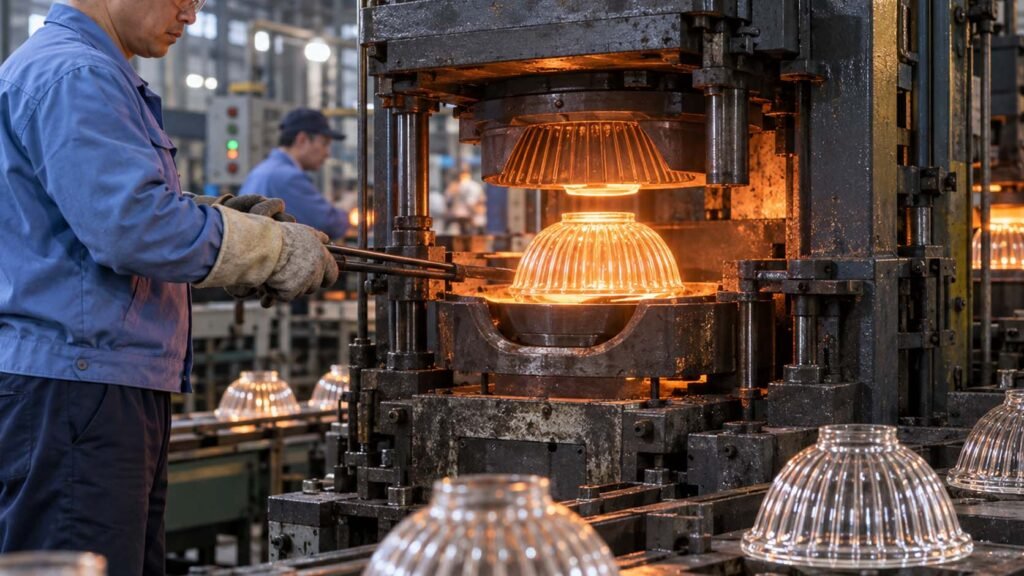
ENGINEERING & MOULD DEVELOPMENT
Develop the Glass Part Around Its Assembly
A custom project can begin with a controlled drawing, 3D model, approved sample or the mating fixture. We review the supported surfaces, mounting interface, wall transitions, optical features, draft and realistic inspection datums before the production route is fixed.
- Sample- and drawing-based development
- Mould construction in the dedicated mould workshop
- Design-for-manufacture review before tooling
- Revision-controlled sample approval
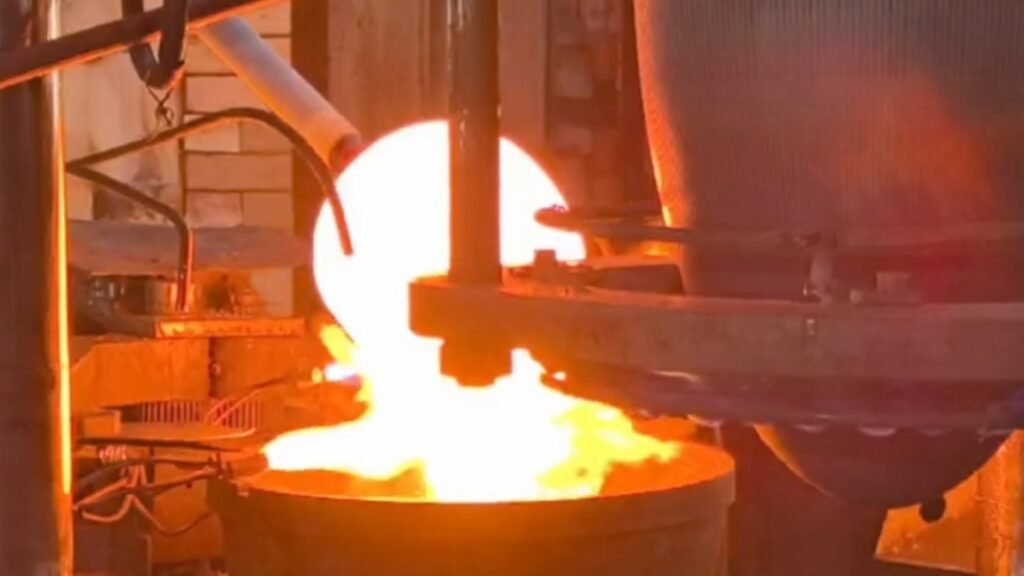
PRESSED GLASS FORMING
Repeatable Forming for Lamp Glass and Technical Components
Two electric furnaces, two electric annealing furnaces and three automatic production lines support molded lamp glass and pressed technical components. The forming review considers glass flow, parting, wall distribution, ribs, prisms, flanges, necks and the surfaces that must fit the customer assembly.
- Clear, opal, textured and project-specific appearances
- Dome, globe, conical, threaded and custom profiles
- Controlled annealing after forming
- Prototype review before serial production
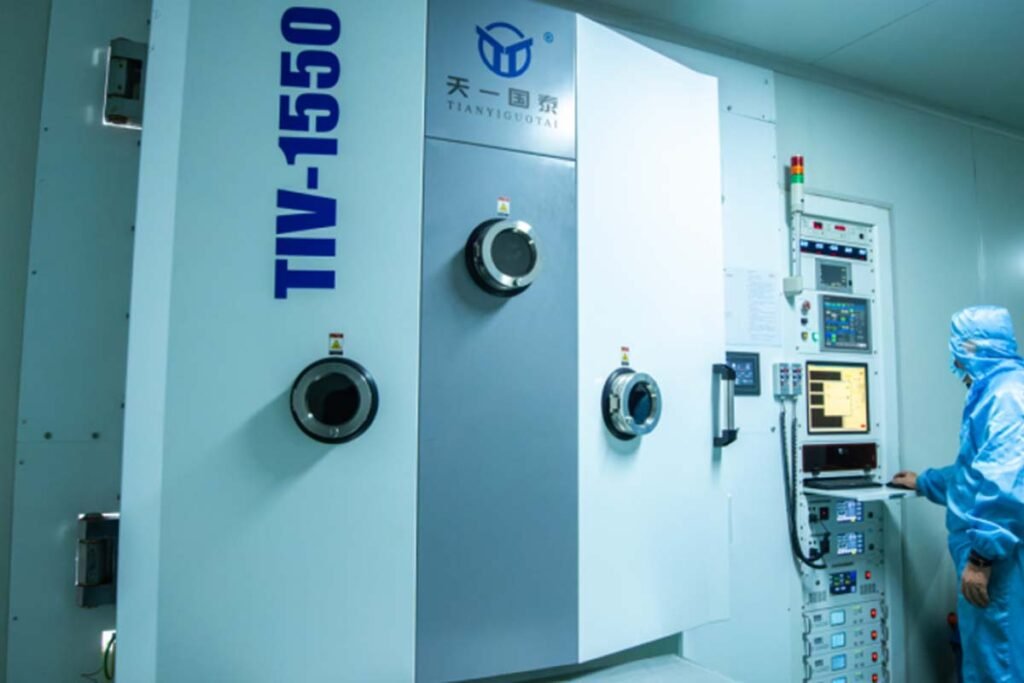
OPTICAL LENS PRODUCTION
Molded Glass Optics From Source Data to Inspection
Our molded lenses and arrays serve lighting and signal systems. The optical product range also includes selected fused-silica micro-optics. Lens development connects source geometry, target distribution, clear aperture, locating features and optical surface geometry under one drawing revision.
- Molded, Fresnel, TIR, fly-eye, microlens-array, aspherical and freeform concepts
- Optical analysis, design optimization and sample review
- LED package, optical axis and mechanical seat coordination
- Dimensional, visual and project-defined optical checks
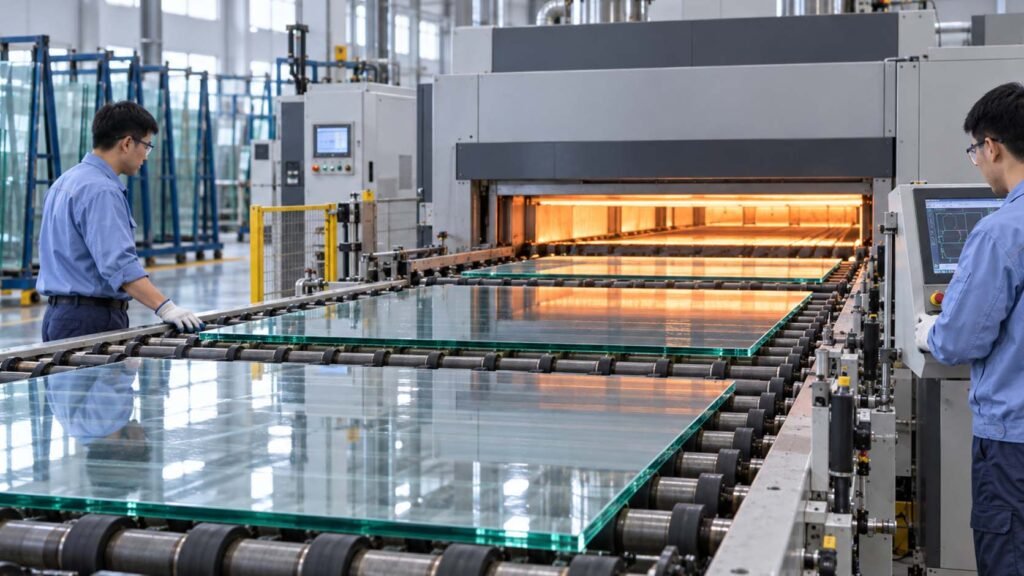
DEEP PROCESSING & QUALITY CONTROL
Finish the Component for the Required Interface
After forming, compatible parts can receive physical tempering, chemical tempering, coating, sandblasting, drilling and edge processing. The selected route depends on the glass, geometry and duty; final acceptance is tied to the approved drawing and agreed inspection method.
- Physical or chemical strengthening where compatible
- Coating and sandblasting by project
- Drilling, cutting and edge finishing
- Critical dimension, surface and visual inspection
CUSTOMIZATION WORKFLOW
Six Steps From Project Input to Serial Supply
Each gate reduces ambiguity before the next manufacturing commitment.
- 01
Project Review
Application, drawing, sample, quantity and controlled interfaces are identified.
- 02
Material & Process
Glass, forming route, strengthening and finishing options are reviewed.
- 03
Mould Development
Production geometry and inspection datums are transferred into tooling.
- 04
Sample Production
Initial glass parts are made for dimensional, visual and functional review.
- 05
Approval & Control
The accepted sample, drawing revision and inspection method define production.
- 06
Repeat Production
Forming, annealing, processing, inspection and packing follow the agreed route.
CONNECTED PRODUCT FAMILIES
Choose a Starting Point for Your Project
Glass Lamp Shades
Pressed, dome, globe, threaded, conical, opal and clear glass profiles.
Explore lamp glass →Glass Lenses
Molded, Fresnel, TIR, array, fly-eye, aspherical and freeform optics.
Explore molded optics →Technical Glass
Sight, gauge and water-meter glass, windows, covers and pressed components.
Explore technical glass →CAPABILITY FAQ
Information That Helps Us Review a Custom Part
Can Lampoptics work from an existing glass sample?
Yes. A sample can establish the general profile and appearance. The mating assembly, critical dimensions and application duty are still needed to create a controlled production drawing.
Which files should be supplied for a new design?
Send the available 2D drawing, 3D model, light-source data, assembly drawing and target quantity. A marked photograph or physical sample can be used for an initial feasibility review.
Can every molded part be tempered, drilled or coated?
No. Compatibility depends on the glass, wall distribution, edges, holes, curvature and final duty. The deep-processing route is confirmed after the component geometry is reviewed.
How are tolerances and inspection methods confirmed?
Critical dimensions, datums, visual limits and any optical or assembly checks are agreed on the approved drawing and sample before repeat production.


