Custom Glass Windows
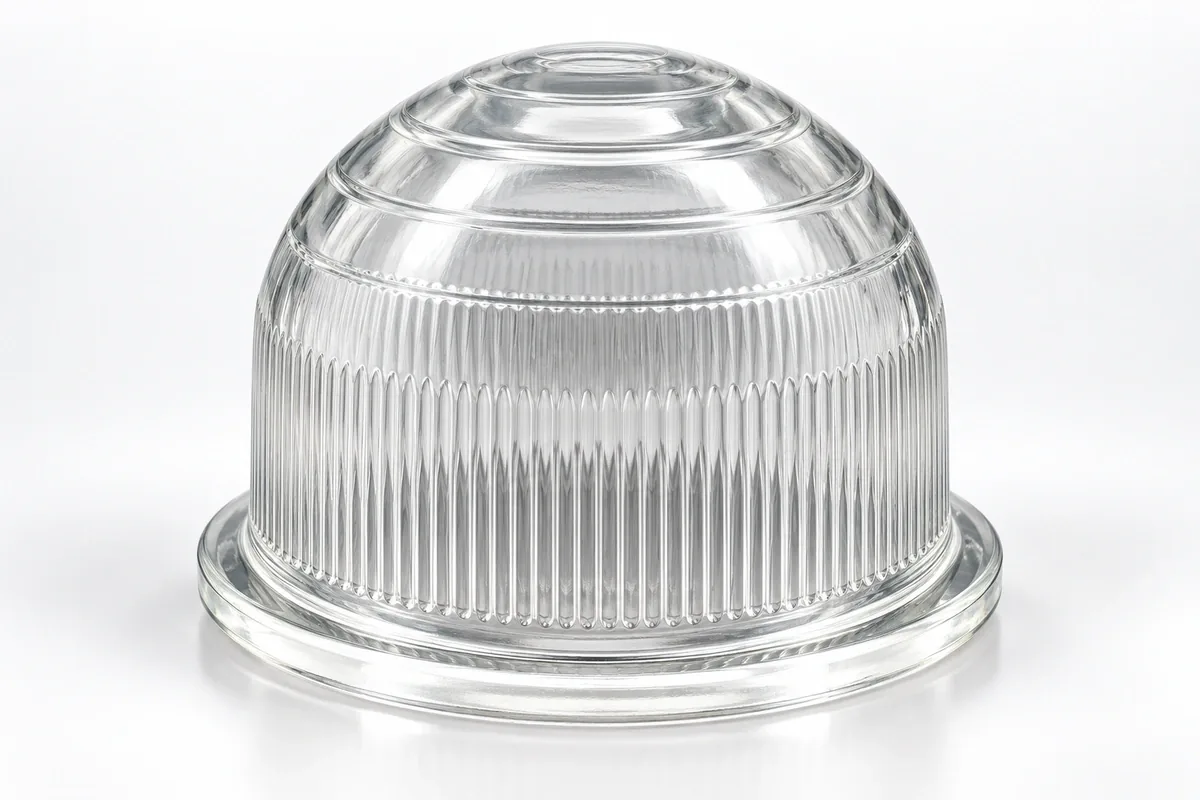
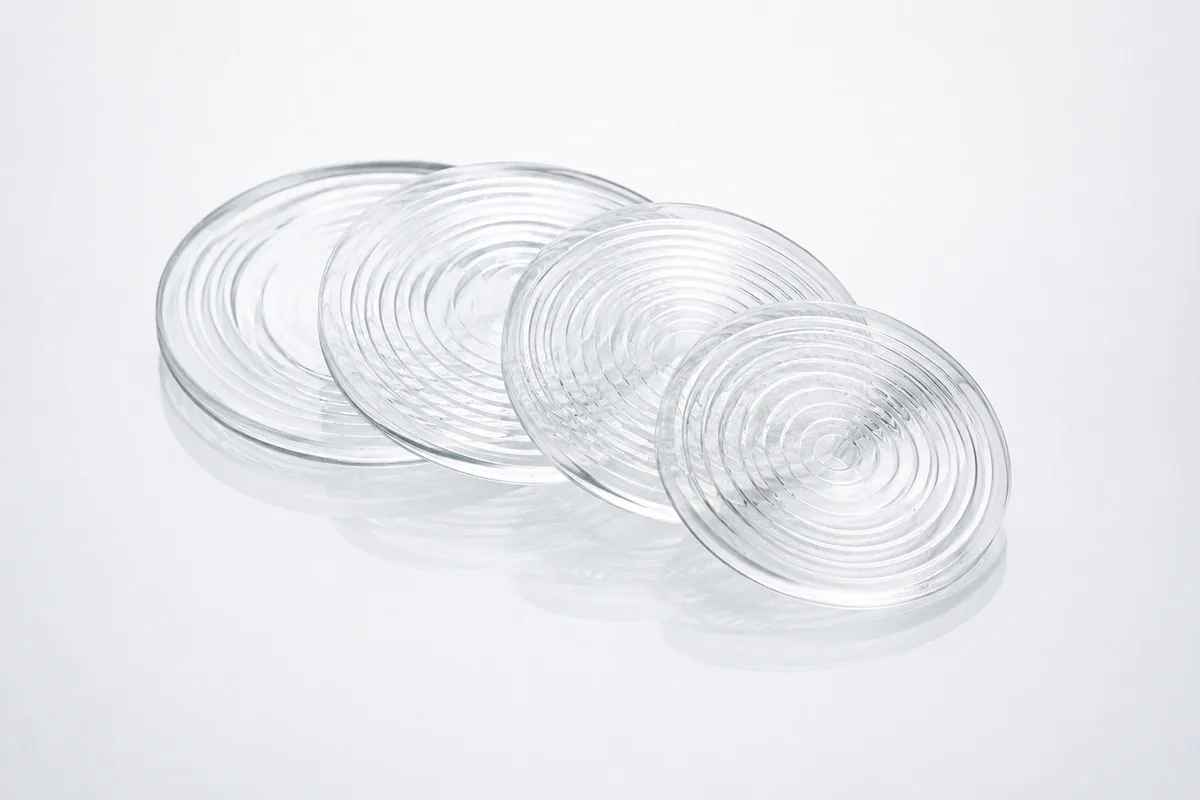
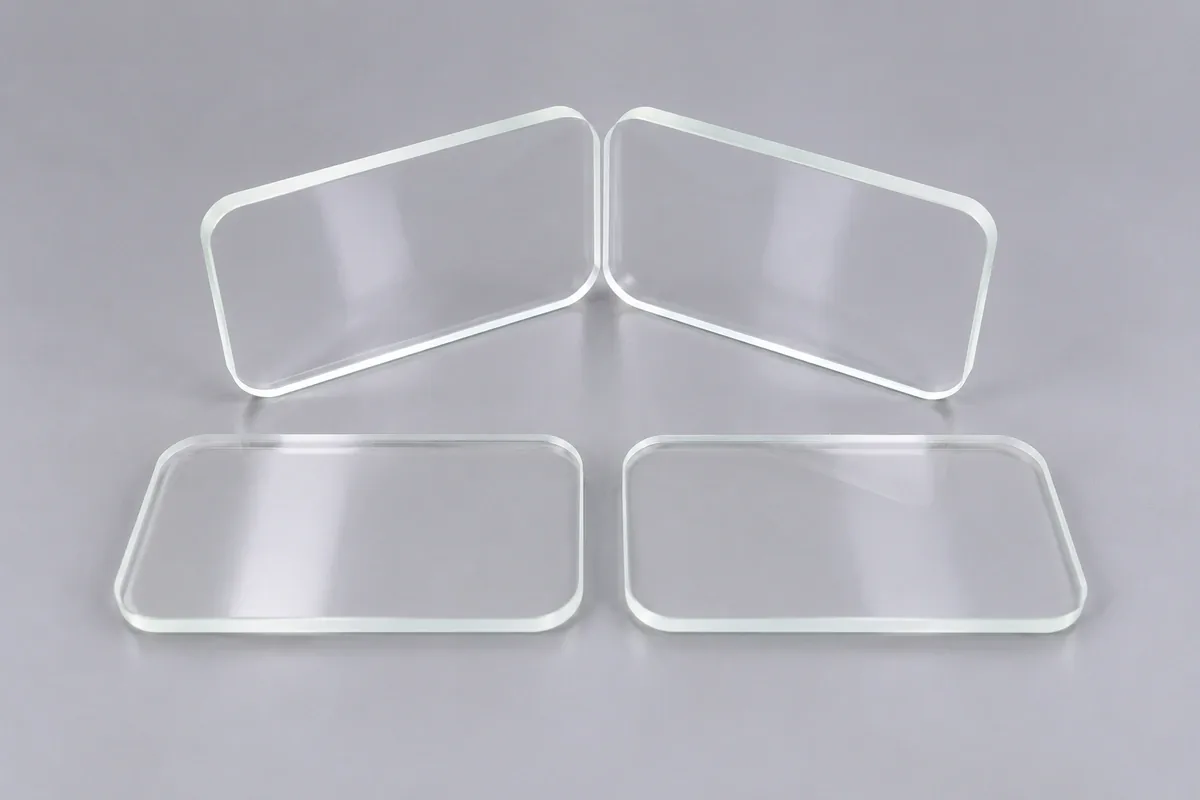
Glass windows create a transparent barrier in front of a light source, sensor, display, camera or process chamber. The glass may need optical transmission, mechanical protection, sealing, electrical insulation, chemical resistance or a combination of these functions.
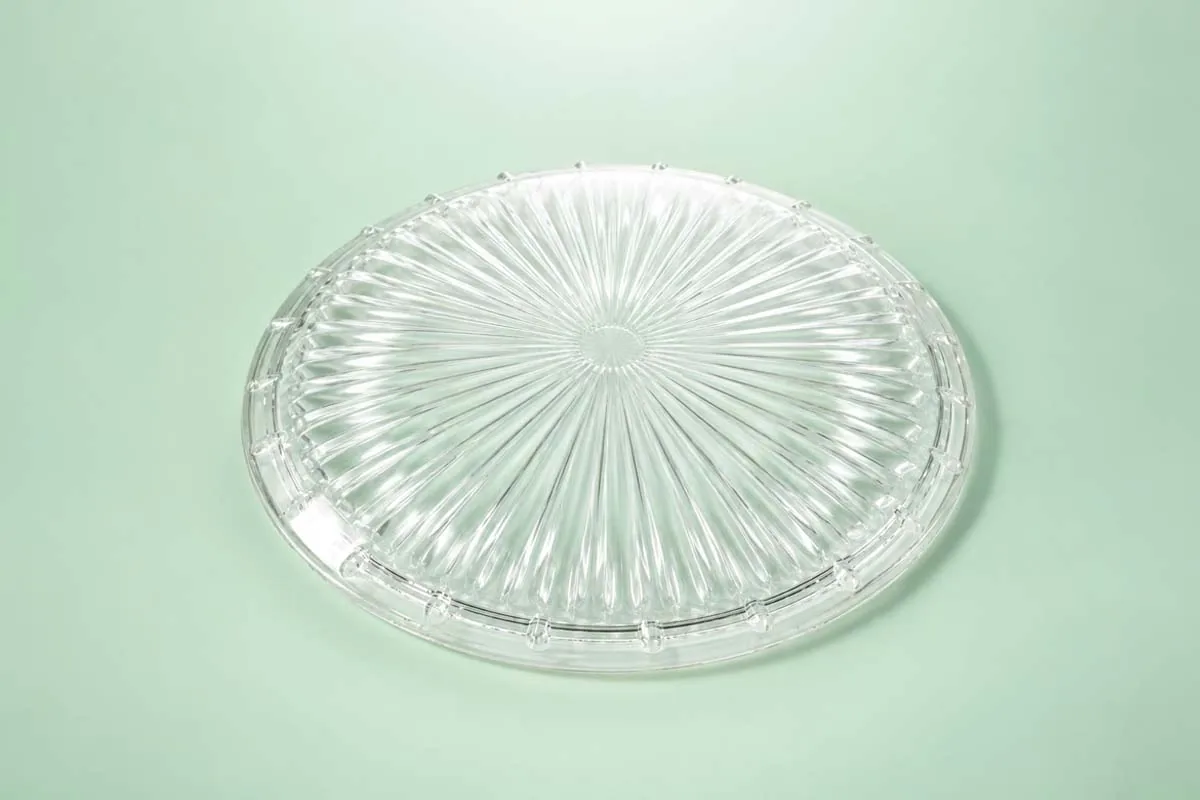
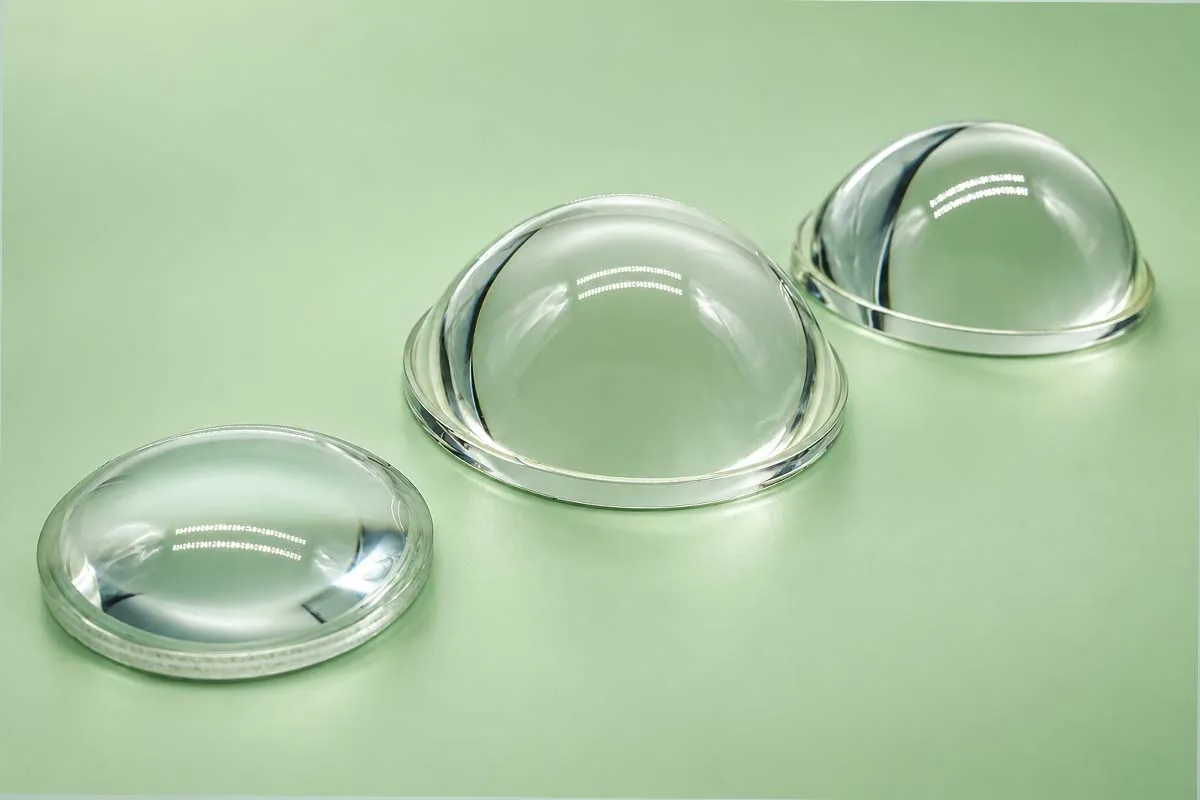
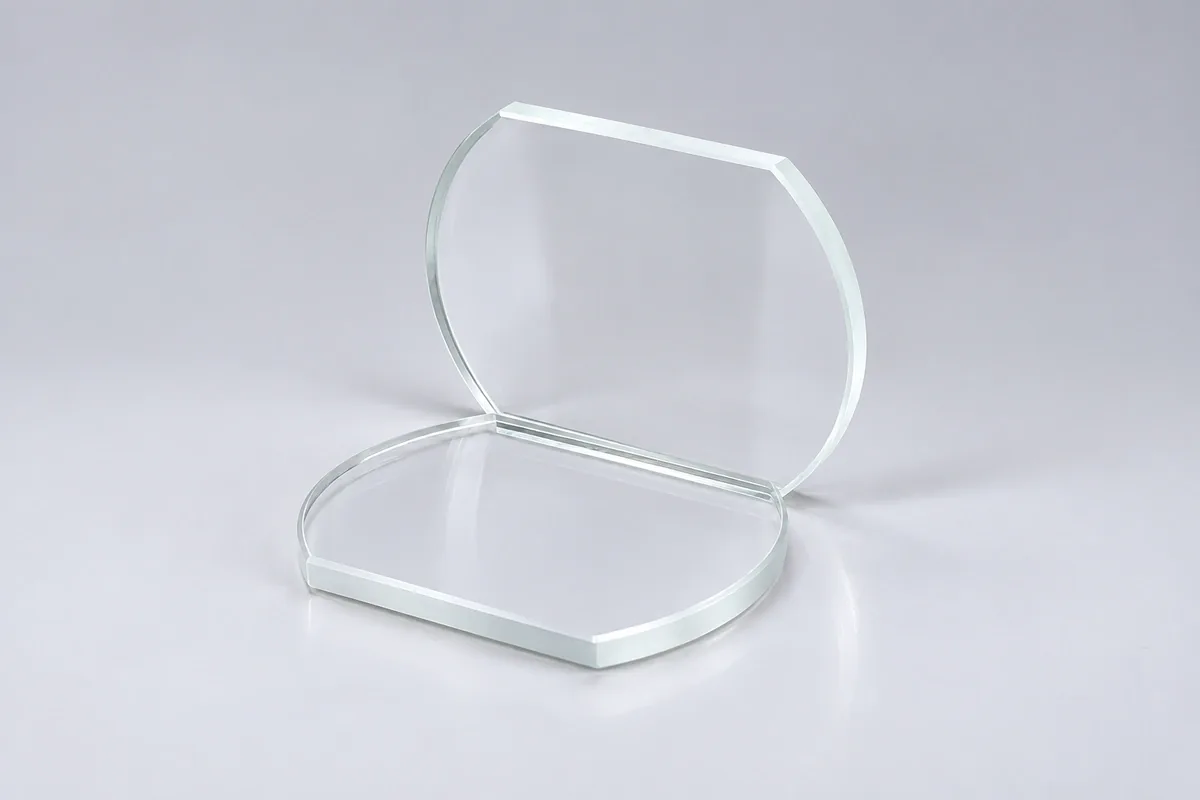
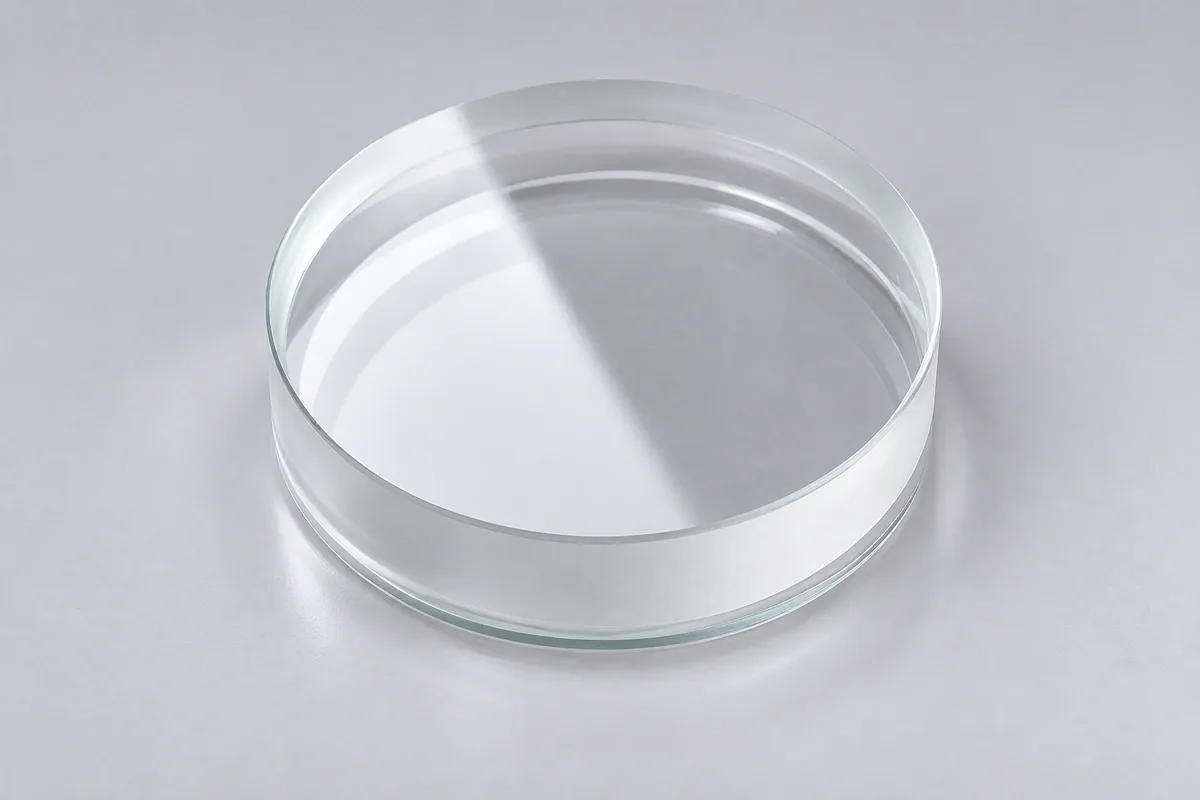
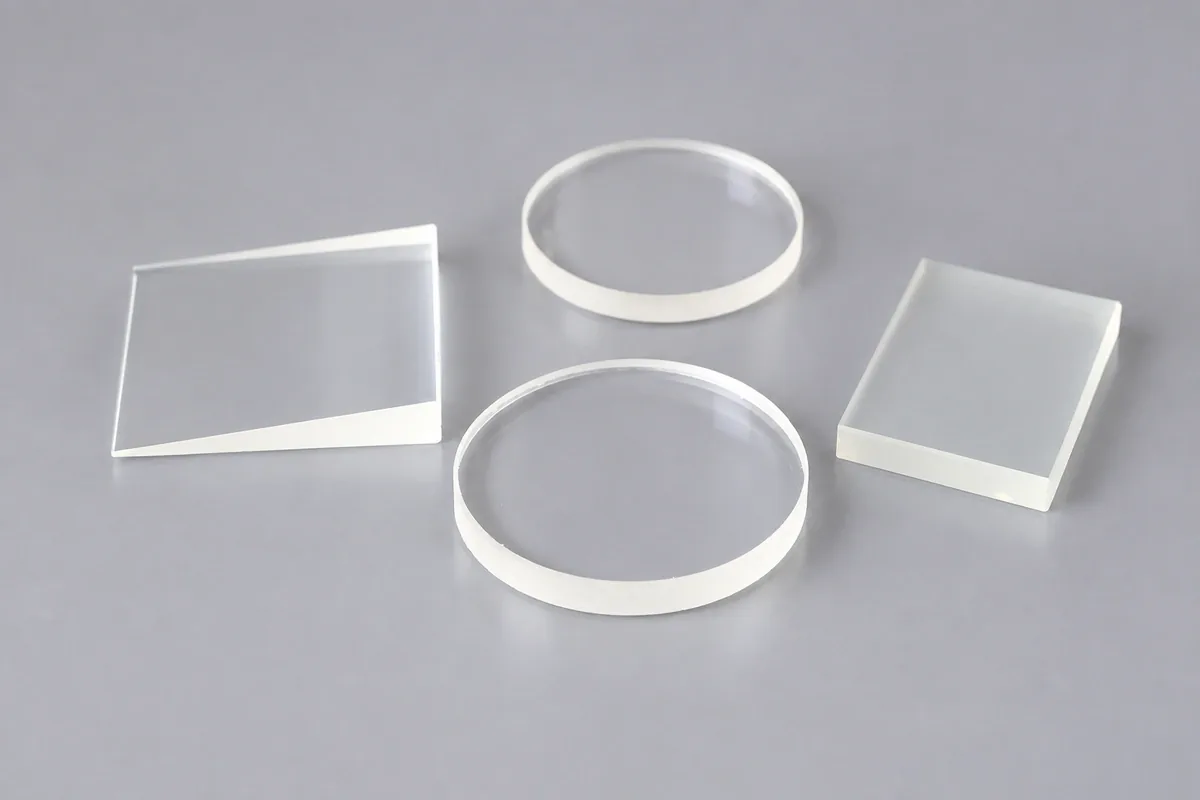
China Lampoptics supplies round, rectangular, stepped, curved and project-specific windows from drawings or approved samples. Material choice follows the wavelength, temperature, environment and processing required by the assembly.
Specification note: Numerical ranges shown on this page are preliminary engineering references for project screening. The quotation and approved drawing define the final material, dimensions, tolerances, processing route and inspection method.
Window Glass Options
| Material route | Useful characteristic | Selection basis |
|---|---|---|
| Soda-lime glass | Cost-effective visible window material | General lighting, display and equipment covers |
| Borosilicate glass | Low thermal expansion and good chemical durability | Heat-exposed lighting, instruments and process equipment |
| Optical crown glass | Controlled refractive index and optical homogeneity | Sensors, imaging and precision optical windows |
| Colored or filter glass | Defined spectral transmission | Indicators, sensors and wavelength selection |
| Project-specific glass | Property set selected for one environment | Special chemical, thermal or optical duty |
The selected glass grade is confirmed with the quotation. Supplier property data must match the production lot and required wavelength range.
Optical Specifications
| Transmission wavelength range | Defined by source, detector and application |
|---|---|
| Average transmission | Specified over the stated wavelength range and angle of incidence |
| Refractive index / Abbe number | Selected for the application and confirmed with the quotation and material data |
| Flatness | Reference λ/10–λ/4 at 632 nm |
| Parallelism / wedge | Reference parallelism under 10 arcsec; wedge definition must match the inspection method |
| Surface quality | Reference S/D 10-5, 20-10 or 40-20 by optical zone |
| Clear aperture | Reference over 90% of diameter, unless the drawing defines another usable zone |
| Coating and coated side | Defined by spectral target and controlled drawing |
| Angle of incidence | Made to the approved drawing; production limit confirmed after tooling review |
| Environmental durability | Defined for the intended service environment; assembly-level responsibility agreed before production |
A window with parallel surfaces can create reflections or ghost images in a sensor or camera. Wedge, coating and installation angle are therefore optical design variables, not only drawing tolerances.
Mechanical and Seal Specifications
| Outside diameter / length x width | Flat/stepped-window reference 2–300 mm |
|---|---|
| Thickness / step | Total thickness 0.5–50 mm; step height 0.1–20 mm; reference step-height tolerance ±0.005 mm |
| Edge finish | Selected from confirmed project-compatible processes and approved by sample |
| Holes / notches | Made to the approved drawing; production limit confirmed after tooling review |
| Supported area | Defined by the complete assembly |
| Gasket contact | Defined by the complete assembly |
| Service temperature | Defined for the intended service environment; assembly-level responsibility agreed before production |
| Pressure / impact duty | Defined for the intended service environment; assembly-level responsibility agreed before production |
The edge and supported span determine how the window carries assembly load. Holes, notches and steps must be located relative to the optical clear aperture and sealing surface.
Component Processing Options
Lampoptics can provide coating, sandblasting, drilling, physical tempering and chemical tempering in addition to glass forming and annealing. The compatible process sequence depends on glass grade, thickness, edge condition and optical tolerance.
Flatness, surface quality, hole geometry, coating and strengthening scope are confirmed after drawing and process review.
Glass Window Processing
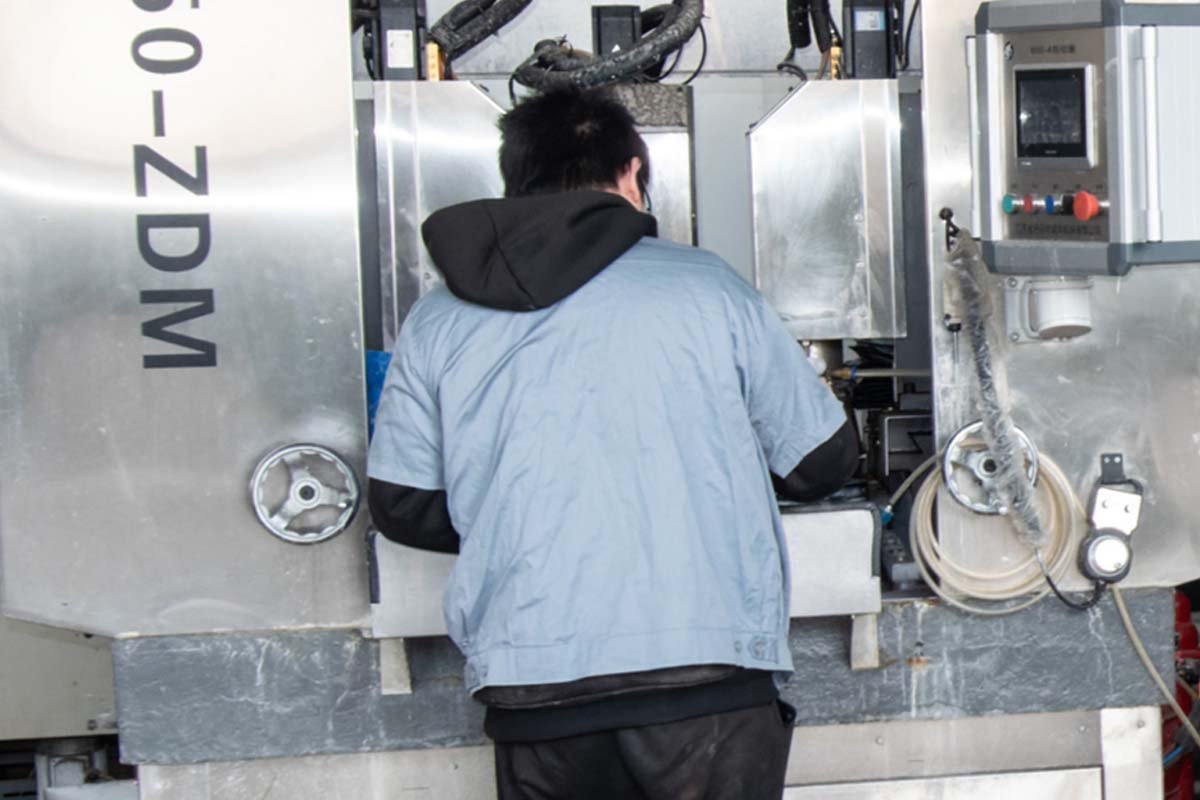
Material and Optical Review
Wavelength range, transmission, surface quality, environment and mechanical support are defined.
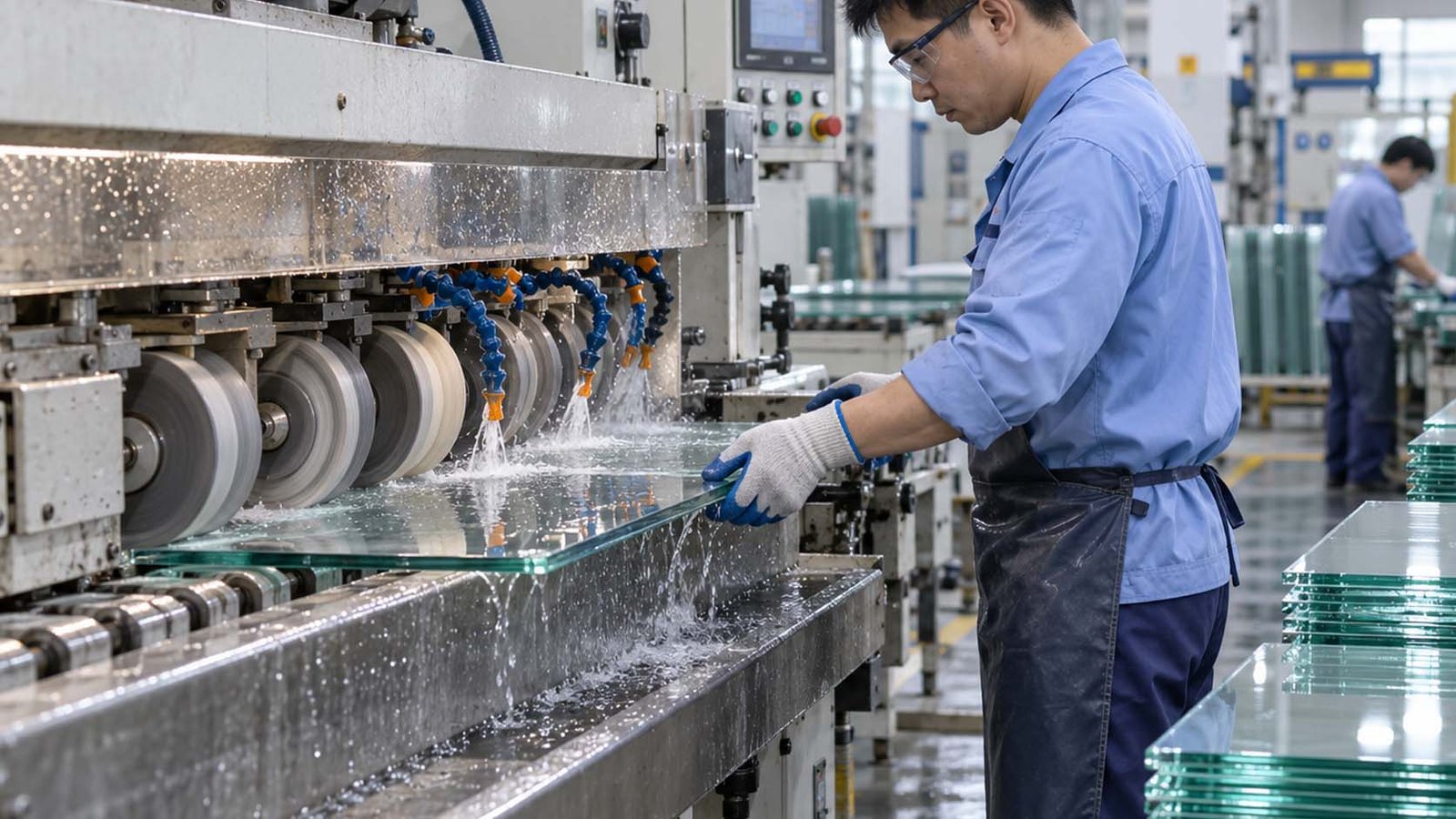
Cutting and Shaping
The window blank is cut or formed to the specified round, rectangular, stepped or custom outline.
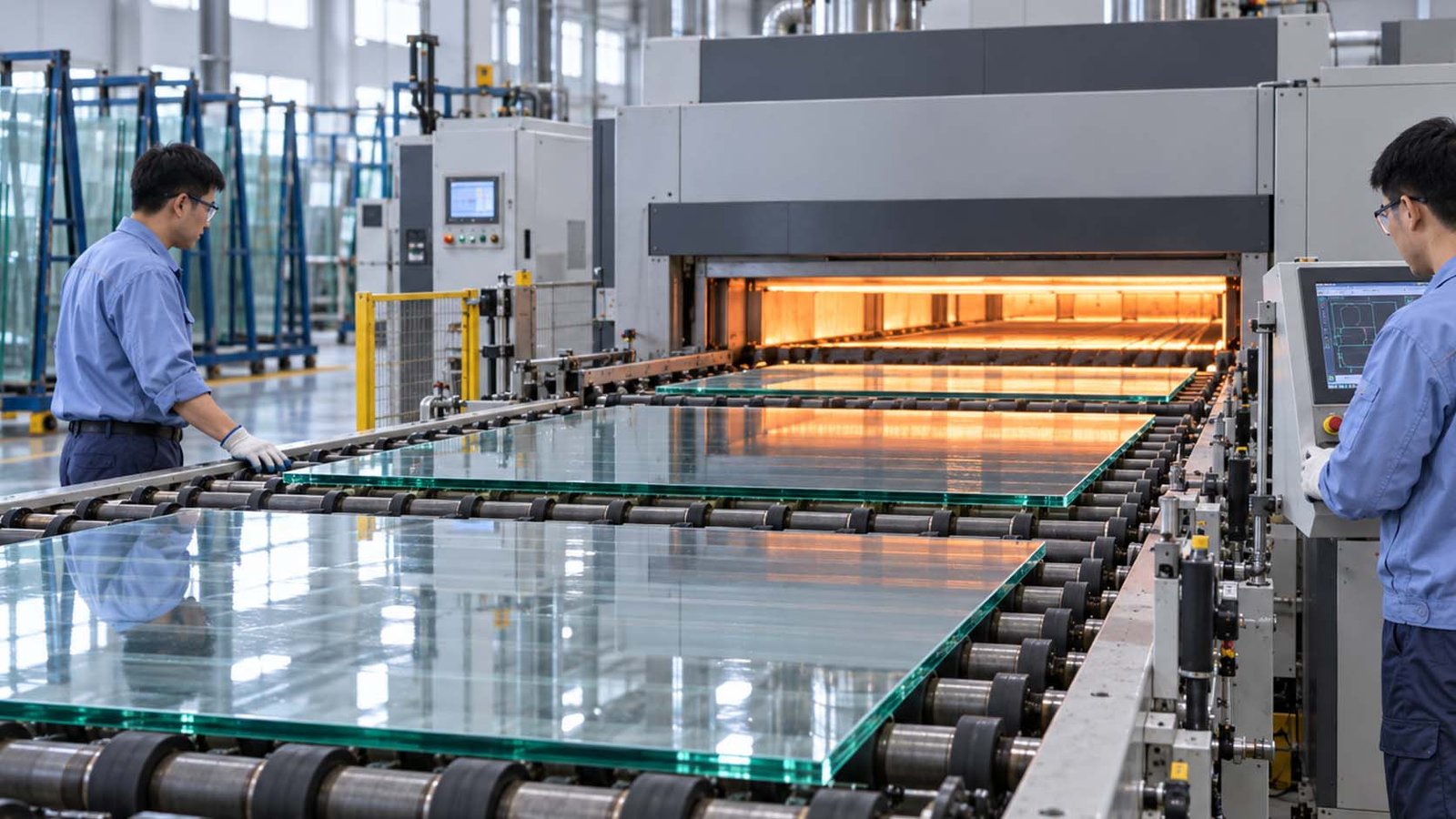
Specified Secondary Processing
Compatible drilling, coating or surface treatment is scheduled after feasibility review.
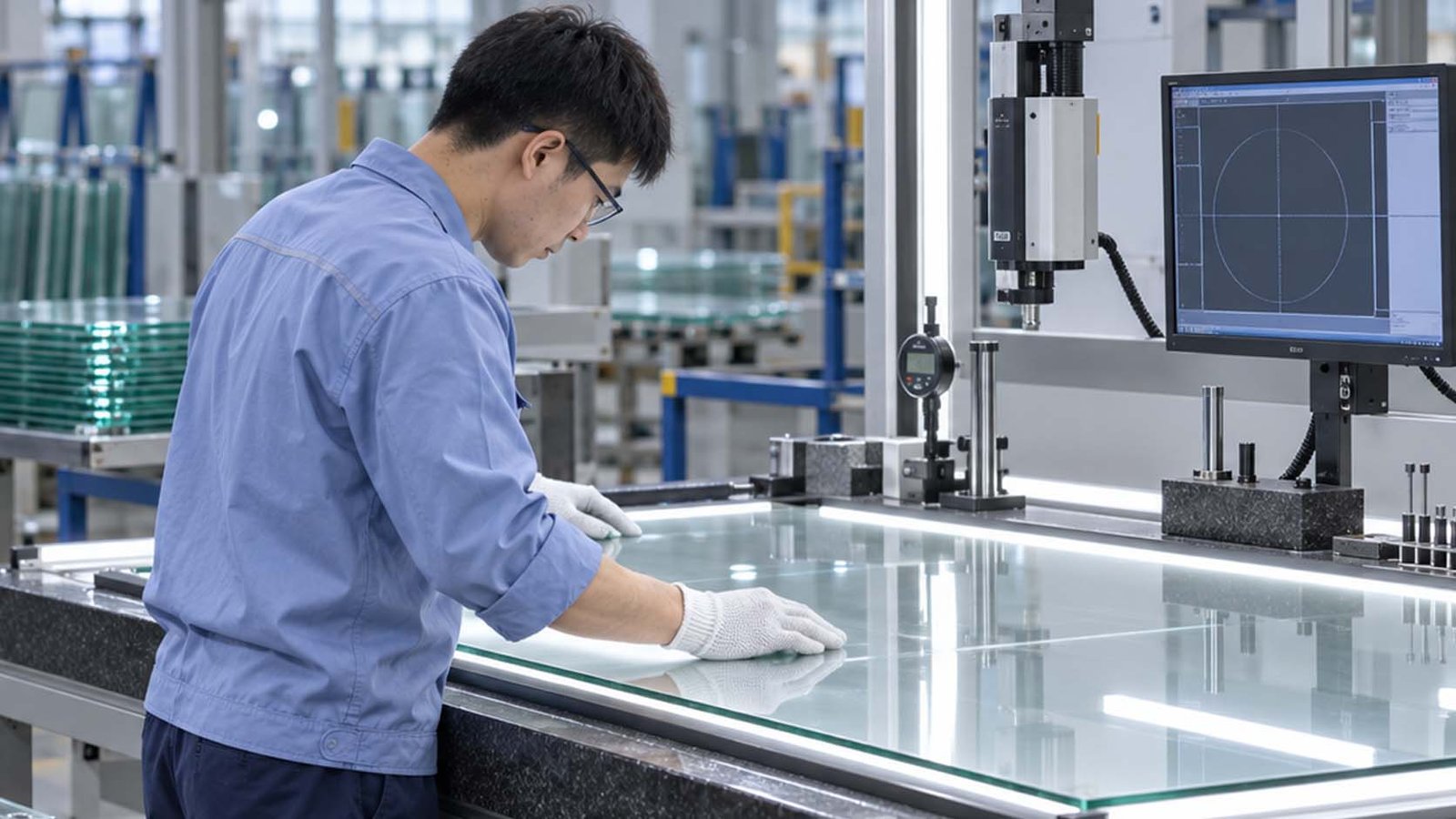
Optical and Dimensional Inspection
Clear aperture, surface quality, flatness or transmitted wavefront, dimensions and coating are checked.
Applications
- Lighting fixtures: protective cover glass over LEDs, lamps and reflectors
- Sensors and cameras: clear, filtered or coated optical windows
- Meters and displays: stepped, coated or strengthened cover glass
- Industrial equipment: sealed viewing and process windows
- Automotive and transport: lamp, indicator and instrument windows
Glass Window FAQs
How is an optical window different from ordinary cover glass?
An optical window has controlled transmission, flatness, wedge, surface quality and clear-aperture requirements.
Can Lampoptics supply stepped windows?
Stepped and drawing-defined profiles can be reviewed. Feasible size and tolerance are confirmed after tooling and process review.
Can windows include holes or surface markings?
Drilling and coating are available processes. Printing or other marking requires separate confirmation; any artwork and registration datum must be controlled.
Can a glass window be tempered?
Physical or chemical tempering may be used when compatible with material, thickness and optical quality.
Which material should be selected?
Selection depends on wavelength, temperature, chemical exposure, thermal shock, strength and cost. The available grade is confirmed for each project.