
Architectural · Retail · Hospitality
Architectural Lighting Glass and Custom Lamp Shades
Custom pressed, dome, globe, conical, clear and opal glass for pendant, wall, ceiling, retail, hospitality and exterior architectural lighting fixtures.
Custom Glass for Architectural and Commercial Lighting
Architectural lighting glass has two jobs: it becomes part of the visible fixture and it changes how the light source is perceived. The same shade must be evaluated when the fixture is switched off and when it is illuminated, because color, mold marks and proportions control daytime appearance while transmission, diffusion, hotspots and texture control the lit effect.
Lampoptics produces pressed and molded glass from customer drawings or approved samples. Dome, globe, cone, bowl, threaded and other profiles can be reviewed together with the opening, fitter, neck, flange or retaining rim that connects the shade to the fixture.
Match the Glass to the Fixture and Visual Intent
A useful specification joins the fixture type, surface appearance and lighting effect.
| Application | Optical or component task | Required project input |
|---|---|---|
| Pendant and decorative fixtures | Visible form, color and balanced diffusion | Globe, cone, opal or clear textured shade |
| Wall and ceiling lights | Low glare with repeatable mounting | Dome, bowl or flanged pressed cover |
| Retail and hospitality lighting | Accent, sparkle, soft glow or source concealment | Clear, opal, ribbed, frosted or prismatic glass |
| Track and display lighting | Controlled spot or adjustable accent beam | Molded, Fresnel or aspherical lens with cover glass |
| Exterior architectural fixtures | Appearance plus environmental separation | Pressed cover or dome designed with the housing and seal |
Evaluate the Shade Both Unlit and Illuminated
For the unlit product, define the color master, visible zones, acceptable bubbles or stones, mold-parting location, rim finish and dimensional relationship to the fixture. For the illuminated product, define whether the source should remain visible, the acceptable hotspot level, the desired diffusion and the direction of ribs, prisms or other molded texture.
Mounting details normally control production more than the outer silhouette. A fitter, formed neck, thread, flange, center opening, gasket face or supported rim should be identified with functional gauges or mating components. Cleaning chemicals, access and exterior exposure should also be considered before a finish or coating is selected.
Recommended Glass Shades and Covers
The following product families cover the main decorative and functional routes for architectural fixtures.
| Product | Role | Key selection input |
|---|---|---|
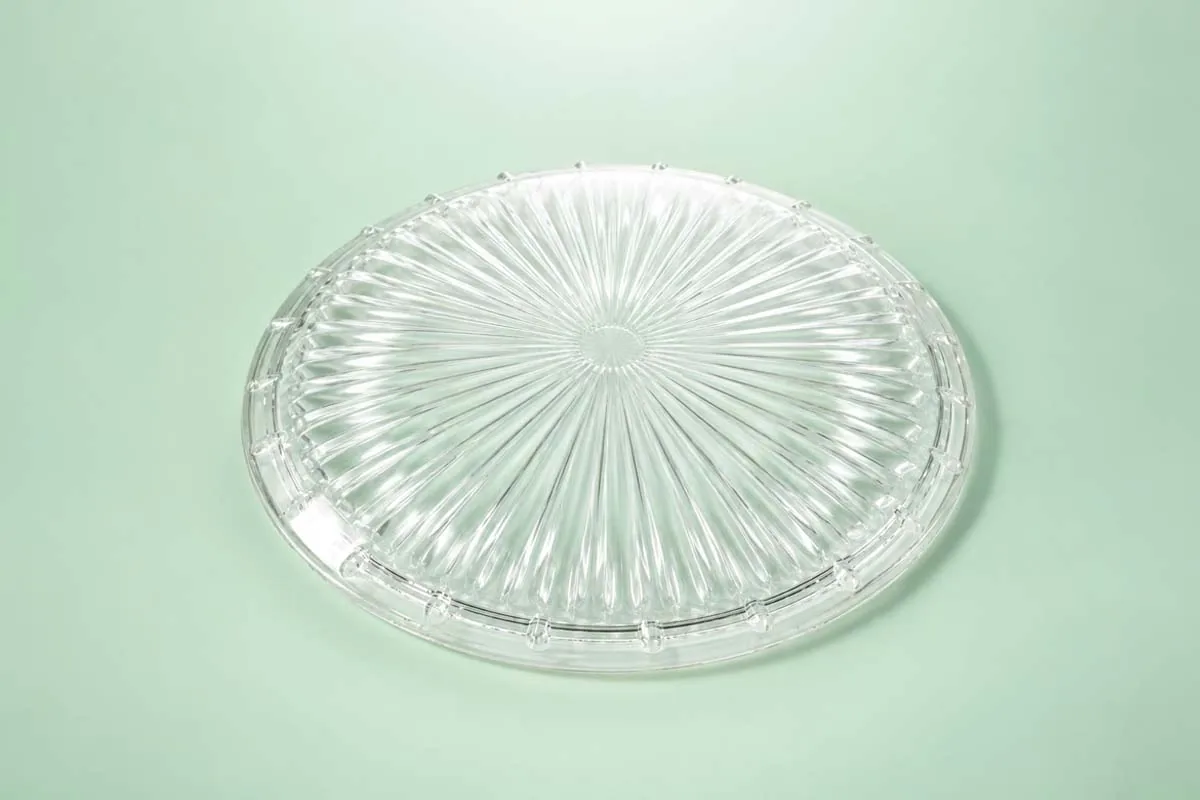
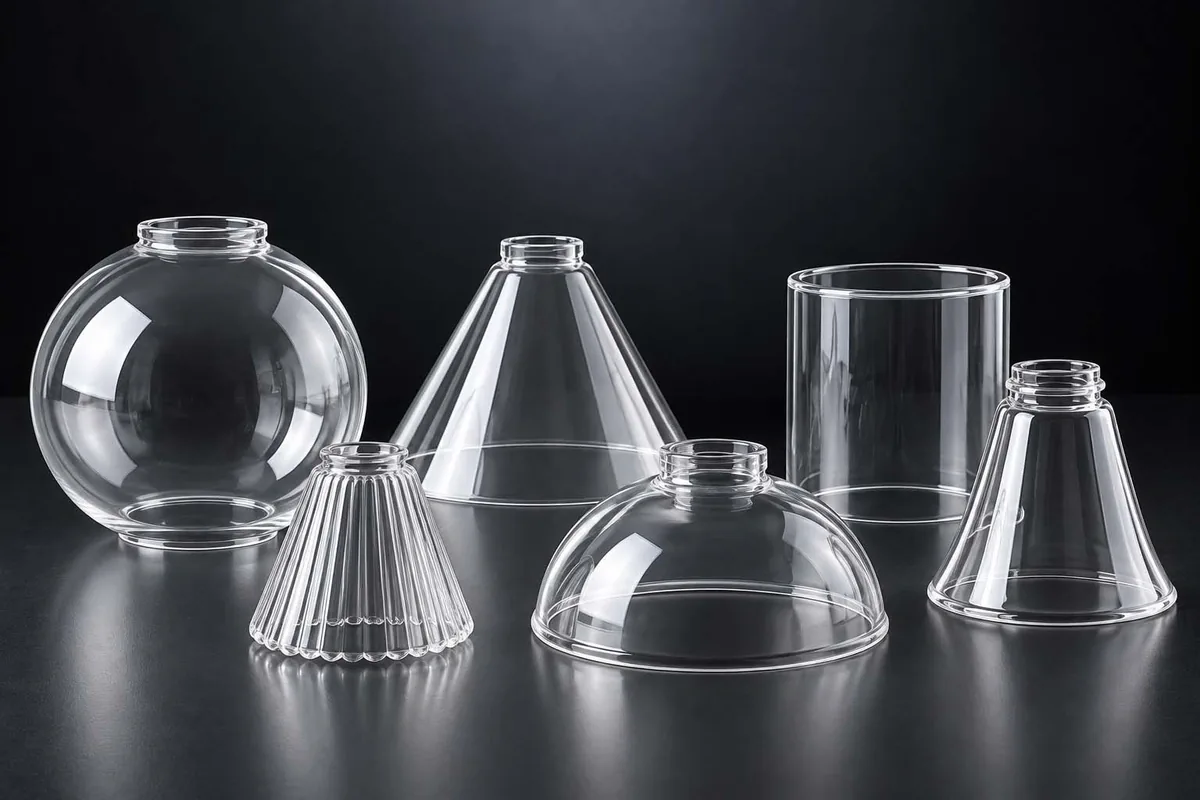
| Pressed Glass Lamp Shades | Repeated custom profiles with molded details | Profile, wall, ribs, prisms and mounting interface |
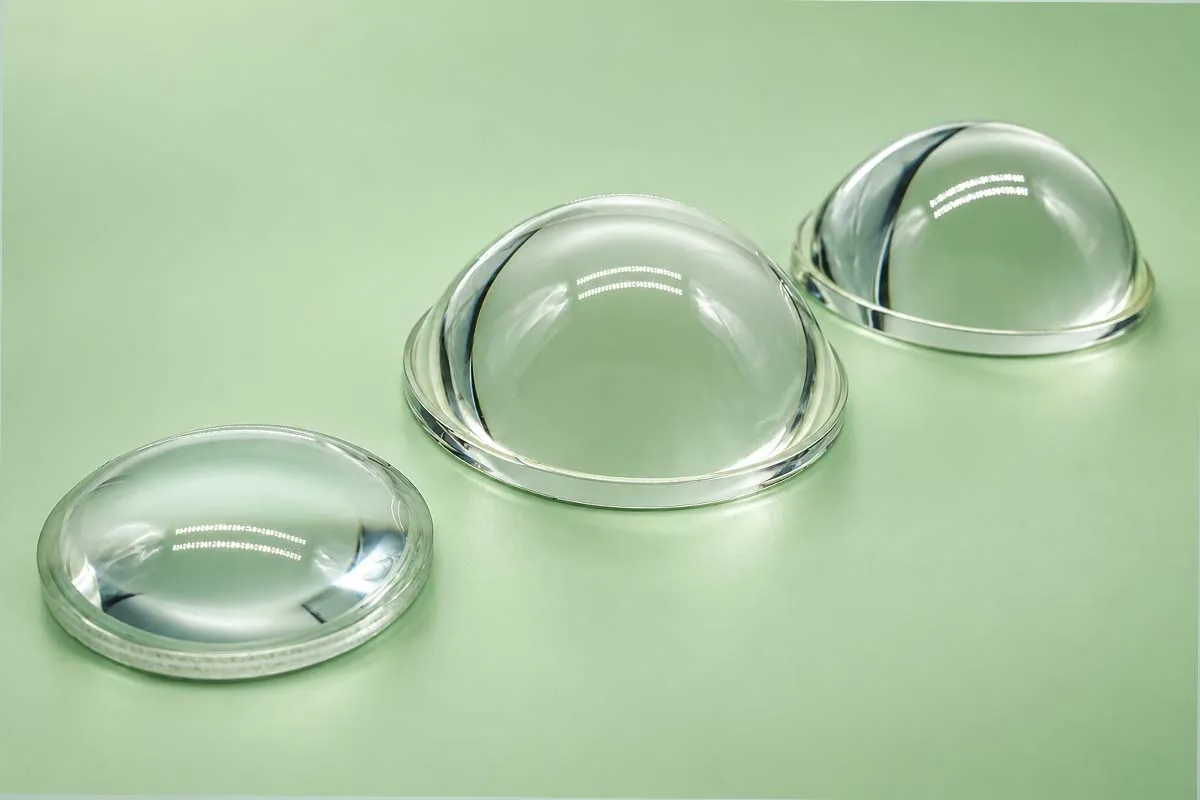
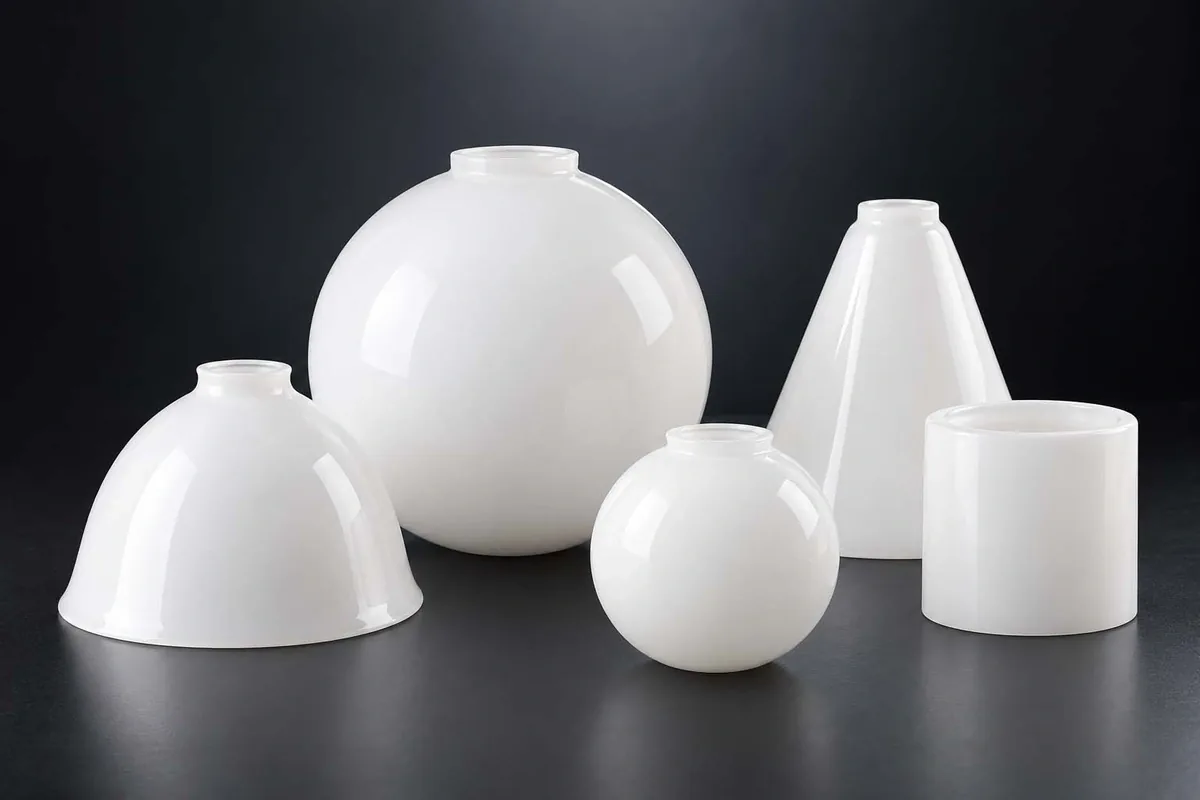
| Glass Dome Lamp Shades | Ceiling, wall and exterior domed fixtures | Diameter, height, flange or retained rim |
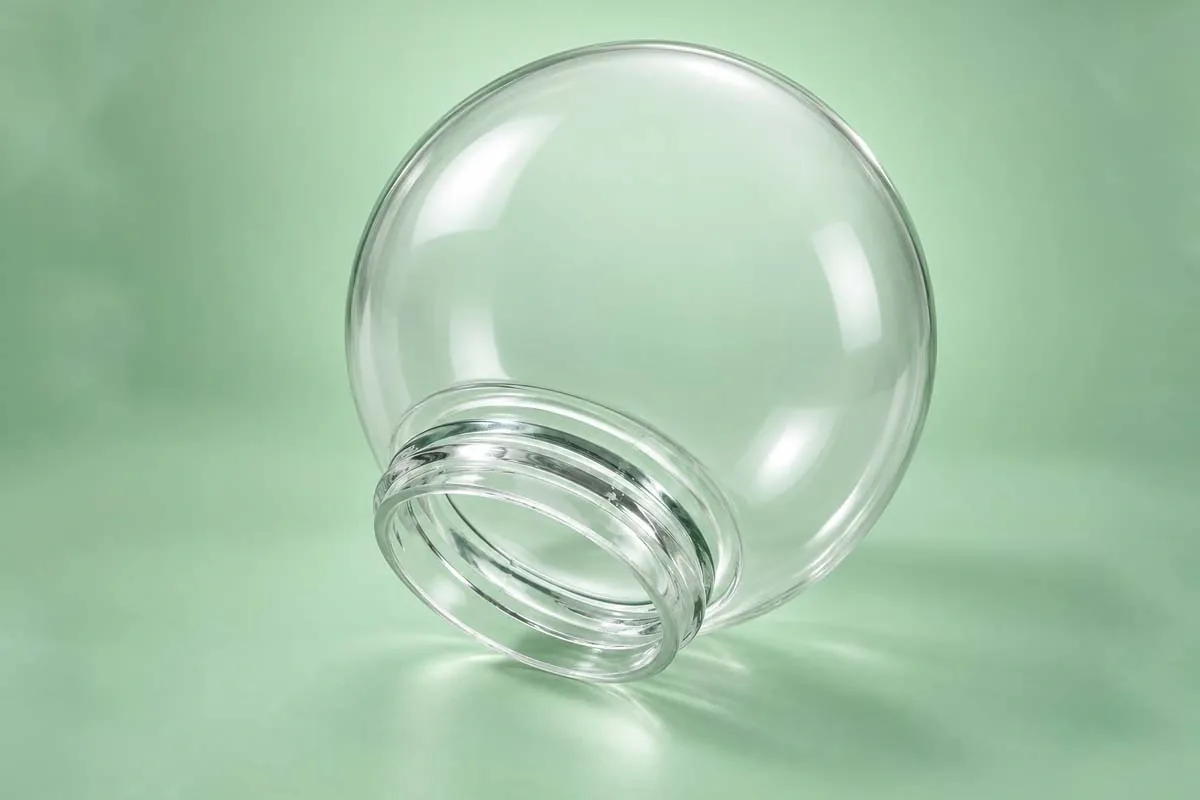
| Glass Globe Lamp Shades | Pendant, wall and decorative luminaires | Globe profile, opening, fitter and finish |
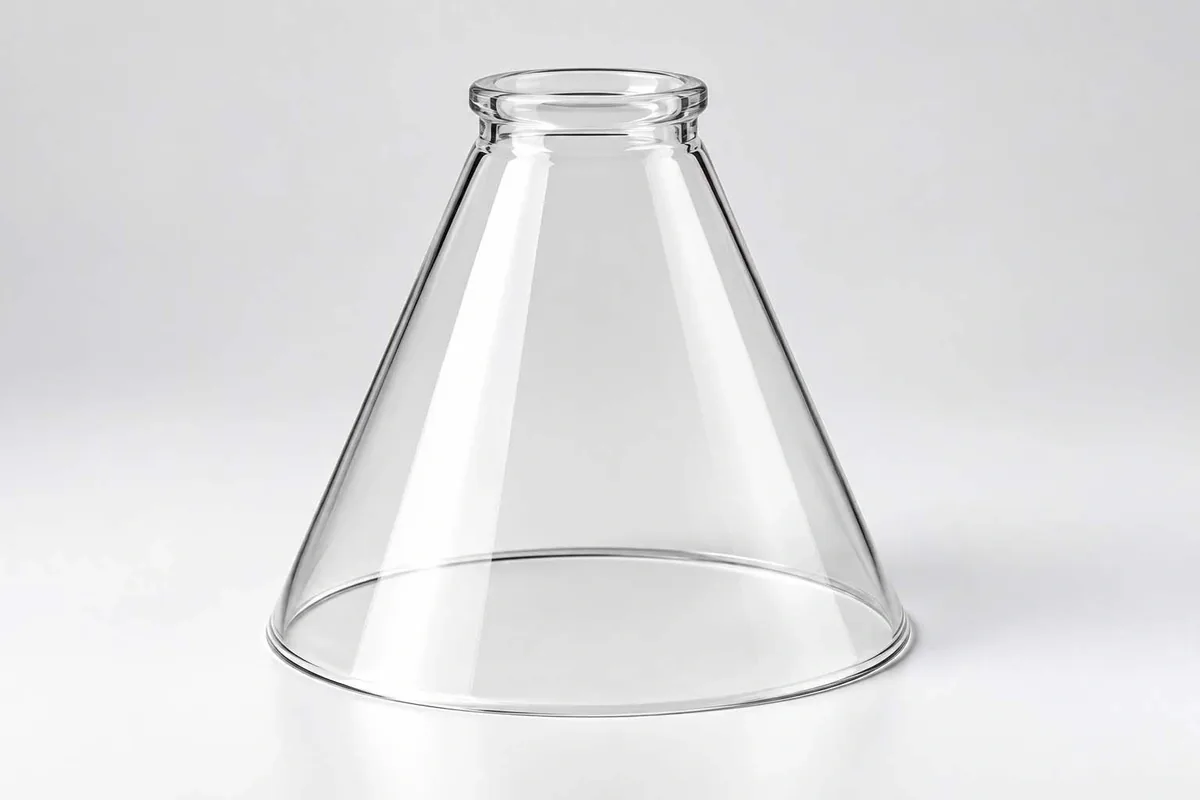
| Conical Glass Lamp Shades | Pendant, retail and hospitality fixtures | Top/bottom diameter, taper and opening |
| Opal Glass Lamp Shades | Diffuse light and conceal LED hotspots | Opacity, color, wall and approved lit sample |
| Clear Glass Lamp Shades | High transparency and visible-source designs | Cosmetic zones, texture and rim finish |
Recommended Glass Products
From Concept Sample to Production Tooling
- Confirm the fixture category, visible surfaces and required illuminated appearance.
- Release the outer profile together with the opening, fitter, thread, flange or mating holder.
- Select clear, opal, tinted or textured glass and define the approval sample under agreed lighting.
- Review mold parting, draft, wall transitions, rim processing, annealing and optional strengthening.
- Approve dimensional fit and both unlit and illuminated appearance before serial production.
Architectural Lighting Project Checklist
- 2D/3D profile or physical reference sample
- Opening, fitter, neck, thread, flange or holder details
- Clear, opal, frosted, tinted, ribbed or prismatic appearance
- Visible cosmetic zones and unlit acceptance sample
- LED or lamp type plus illuminated appearance target
- Quantity, packaging, handling and cleaning environment
Architectural Lighting Glass and Custom Lamp Shades FAQs
Can a lamp shade be developed from a physical sample?
Yes. A sample can define the profile and visible character. The mating holder and critical dimensions should also be supplied so fit is not inferred from appearance alone.
How should opal glass be specified?
Define the desired color, source concealment and lit uniformity using an approved sample under a stated light source. Opacity should not be judged from an unlit photo only.
Can ribs or prisms be molded into the shade?
Yes, when feature depth, spacing, glass flow and mold release are compatible. Functional optical patterns require clearer acceptance criteria than decorative texture.
Can Lampoptics make threaded architectural shades?
Threaded and necked formats can be reviewed from the mating holder, controlled drawing or fit gauge. Thread engagement and seating dimensions should be treated as functional characteristics.
What cosmetic defects should be defined?
Visible zones, bubbles, stones, cords, scratches, mold marks, parting lines and rim condition should be agreed according to viewing distance and whether the shade is clear or diffusing.


