About China Lampoptics
We are a medium-sized manufacturer specializing in pressed glass and molded optical components. Our production and engineering teams support custom lamp glass, precision glass optics and technical glass parts for lighting, transportation, instruments and industrial equipment.
Our Manufacturing BaseManufacturing Focus
Our product range includes glass for automotive and motorcycle lamps, fly-eye glass for stage lighting, spotlight and fog-lamp glass, convex lenses, condenser lenses, crystal gear-shift components and other pressed or molded glass parts. Products may be developed jointly from customer samples, drawings and application requirements.
Production Organization
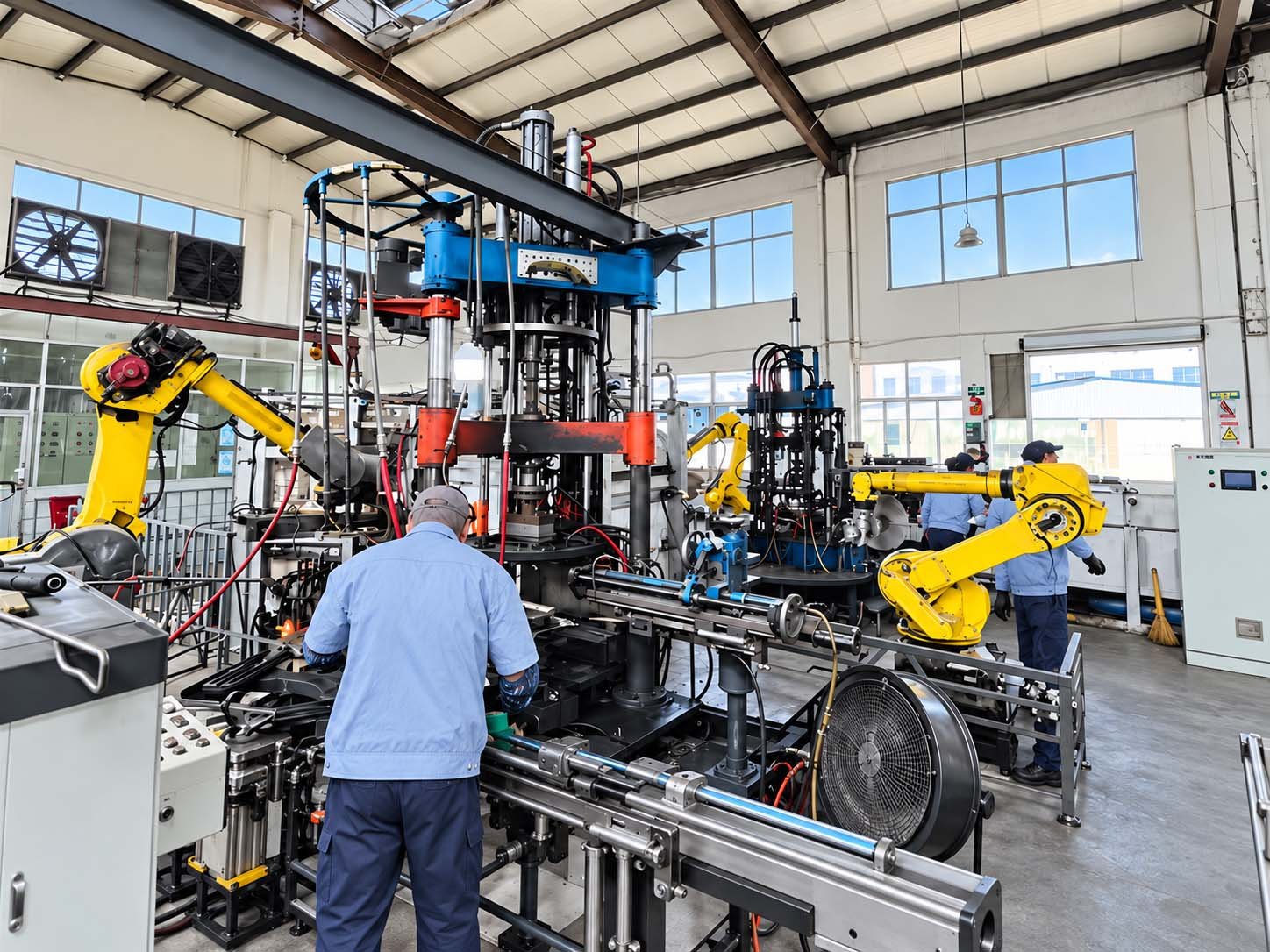
China Lampoptics has approximately 120 employees. The factory is organized around dedicated lamp-glass, mould, optical-lens and tempering workshops so product development, tooling, forming and secondary processing can be coordinated within one manufacturing system.
Equipment and Capacity
The production workshops operate two electric furnaces, two electric annealing furnaces and three fully automatic production lines. This configuration supports development work, repeat production and scalable manufacturing for different glass component geometries.
Deep Processing
In addition to producing molded and pressed glass, we can provide deep-processing operations including physical tempering, chemical tempering, coating, sandblasting and drilling. The process route is selected according to part geometry, optical or mechanical requirements and the final application.
Innovation and Engineering
We maintain a strong focus on innovation, technical renovation and process development. Through industry–university cooperation with Tongji University in Shanghai, we continue to strengthen our technical capabilities and develop skilled engineering and production personnel.
Custom Development
Our technical team has strong mould-development capabilities and works with customers from samples or drawings. We review material, geometry, tooling, processing, inspection and expected production volume together to establish a practical route from prototype to serial supply.