Custom Sight Glass
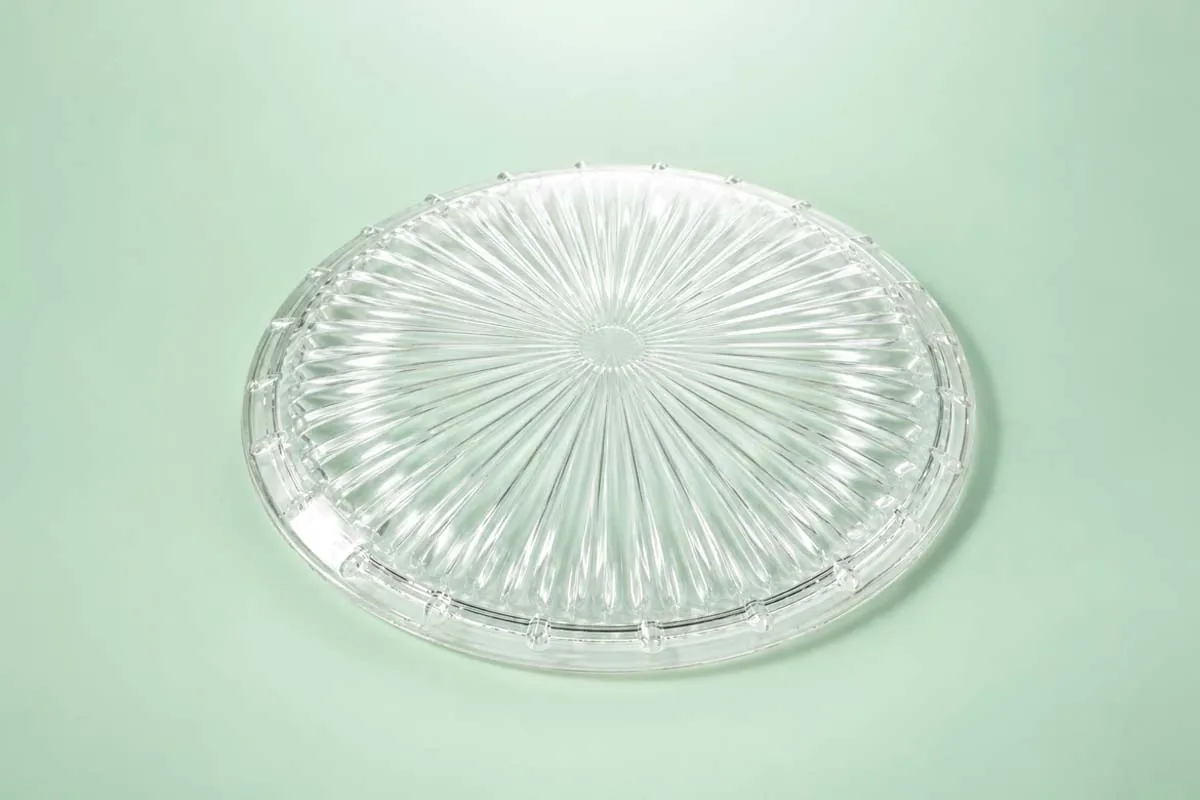
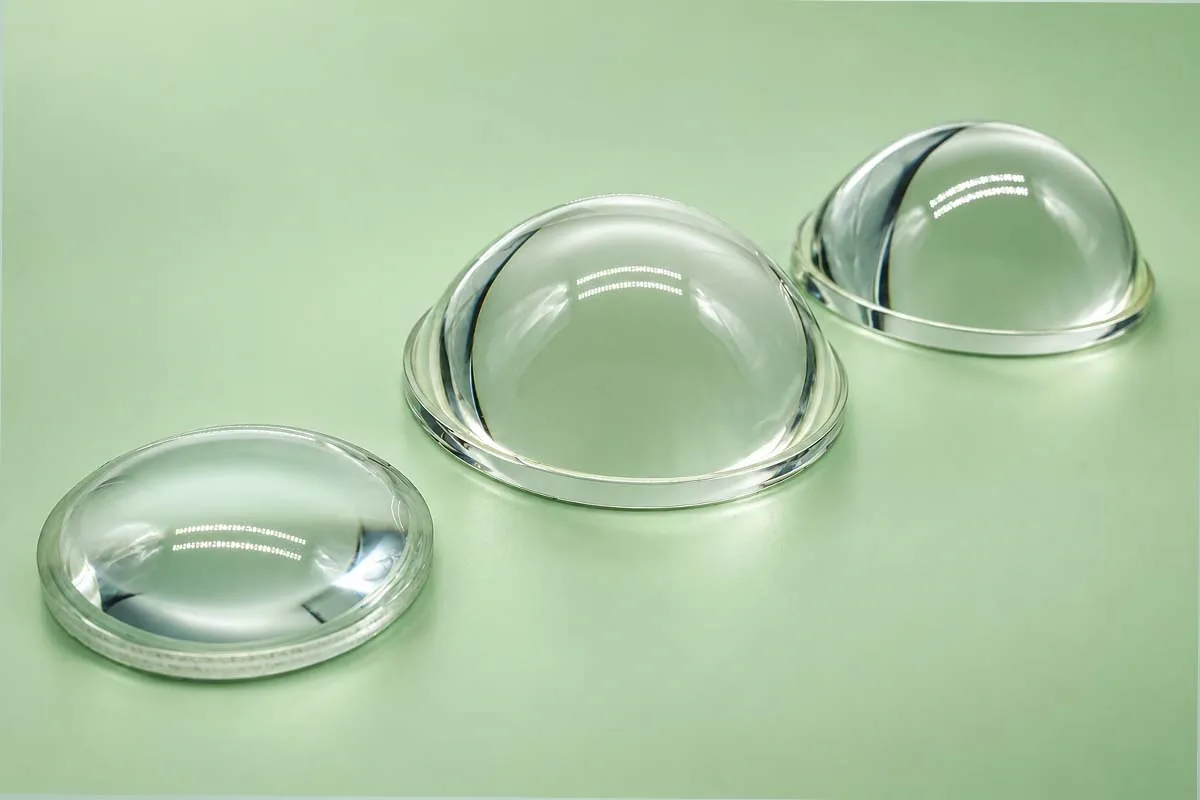
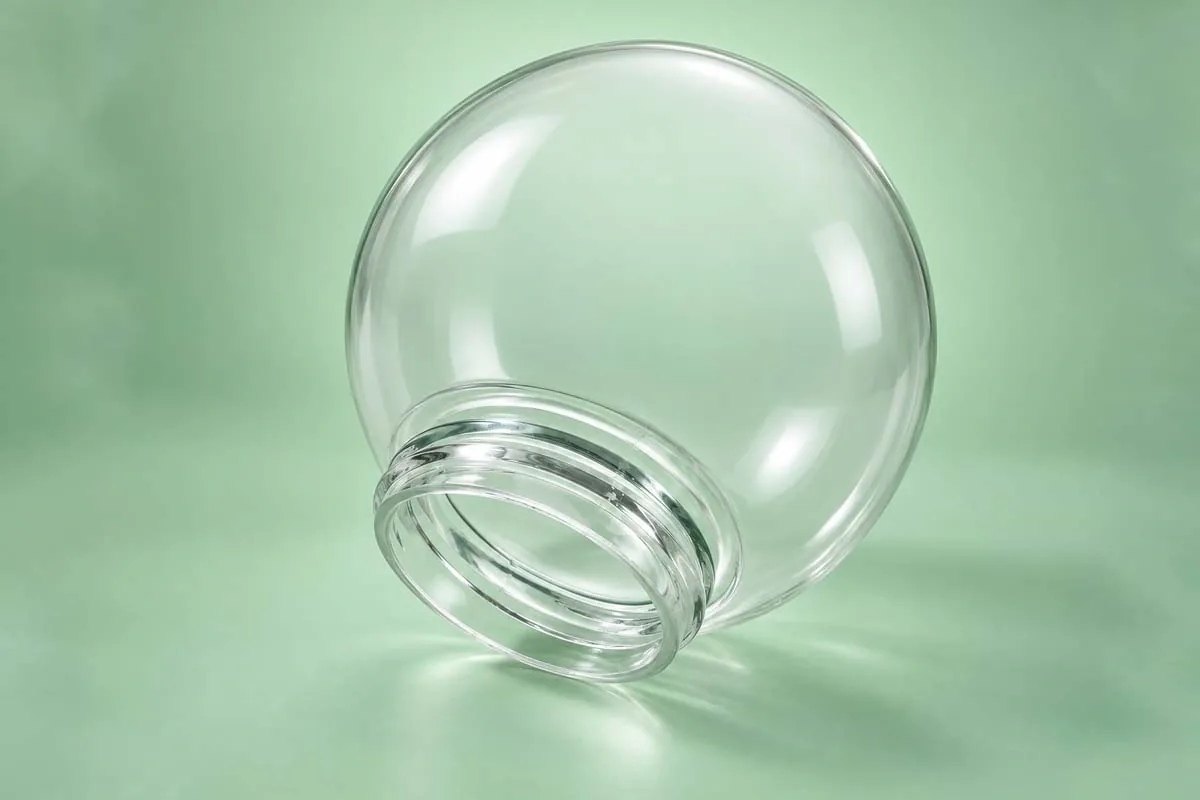
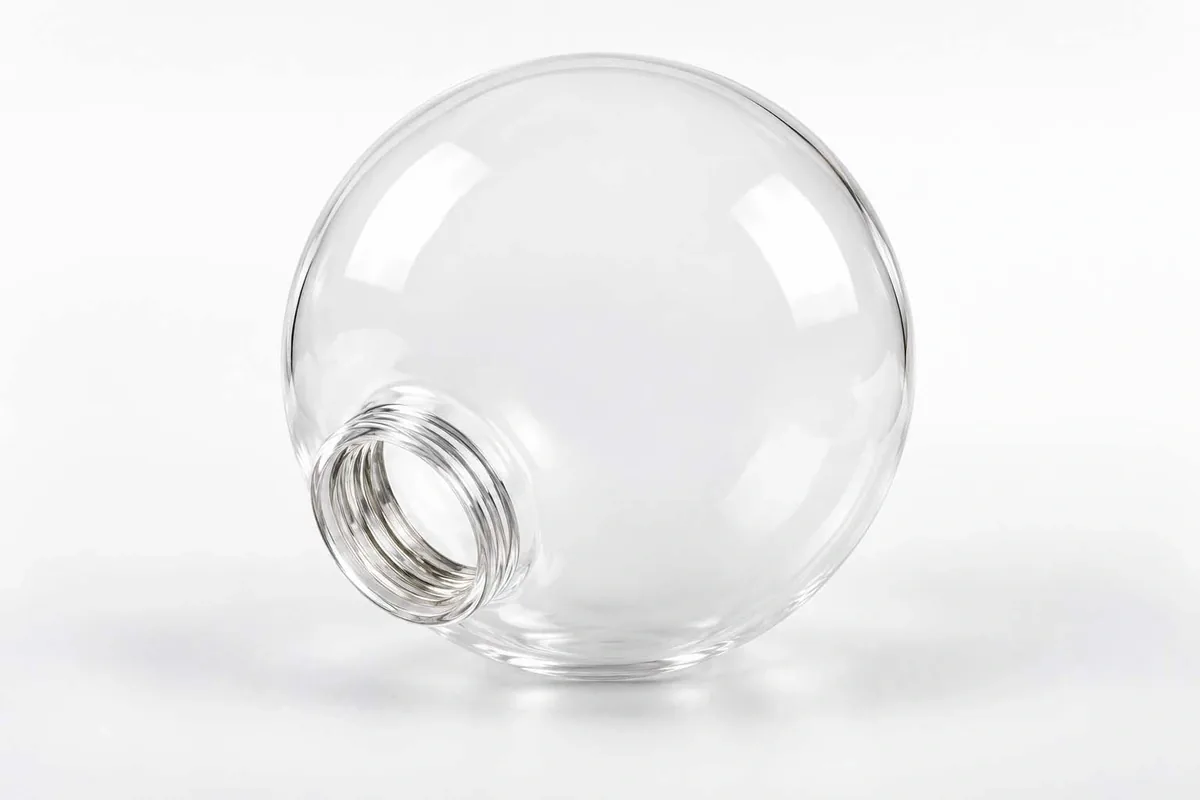
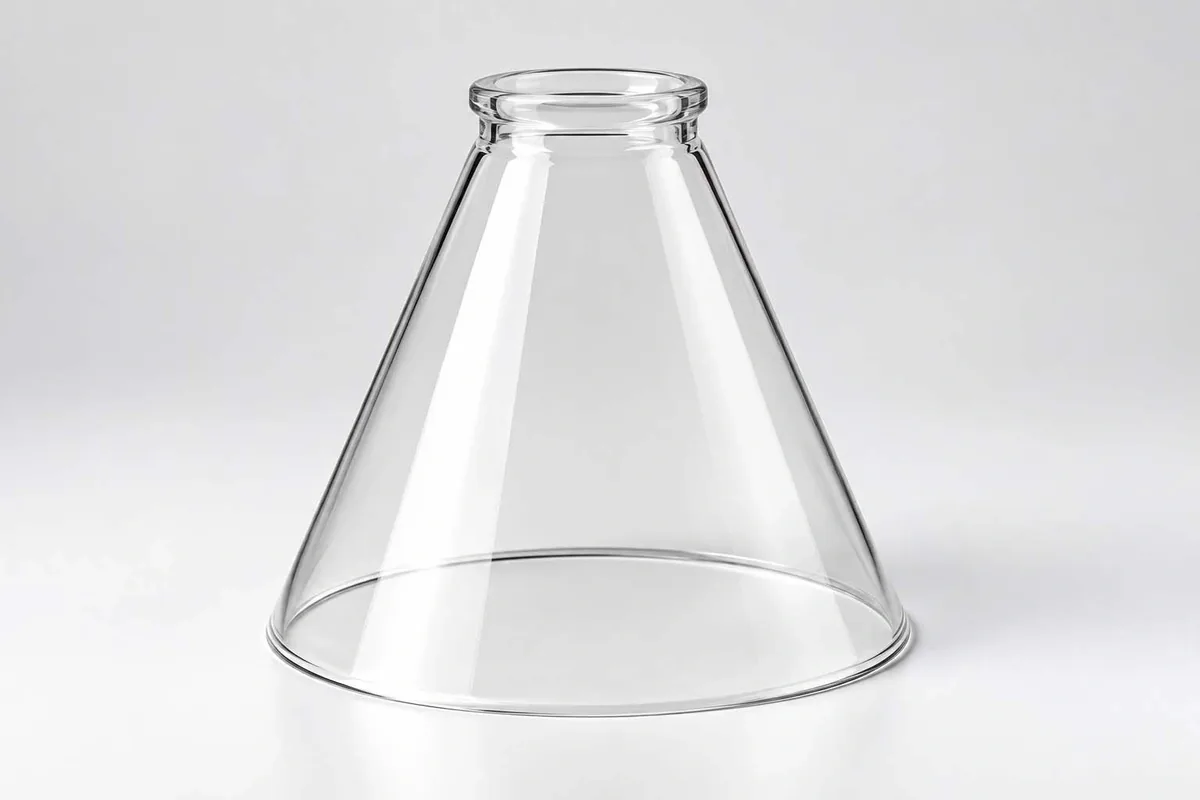
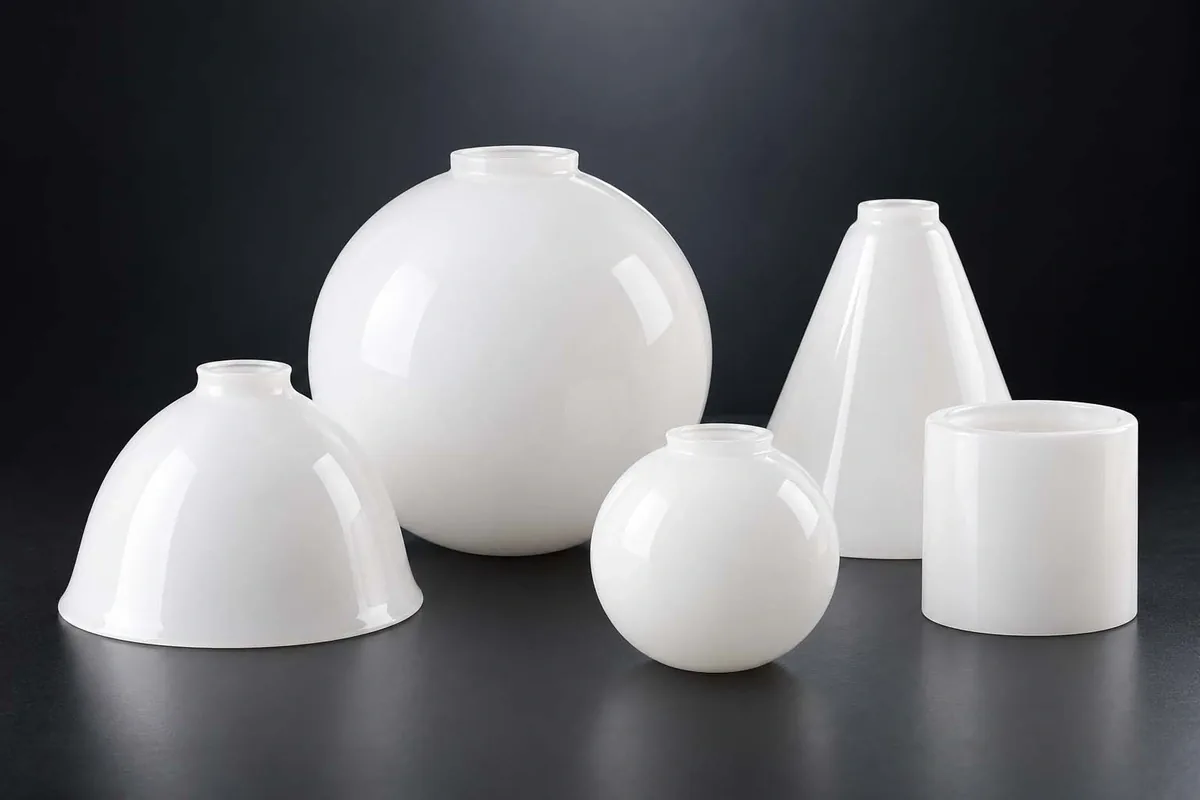
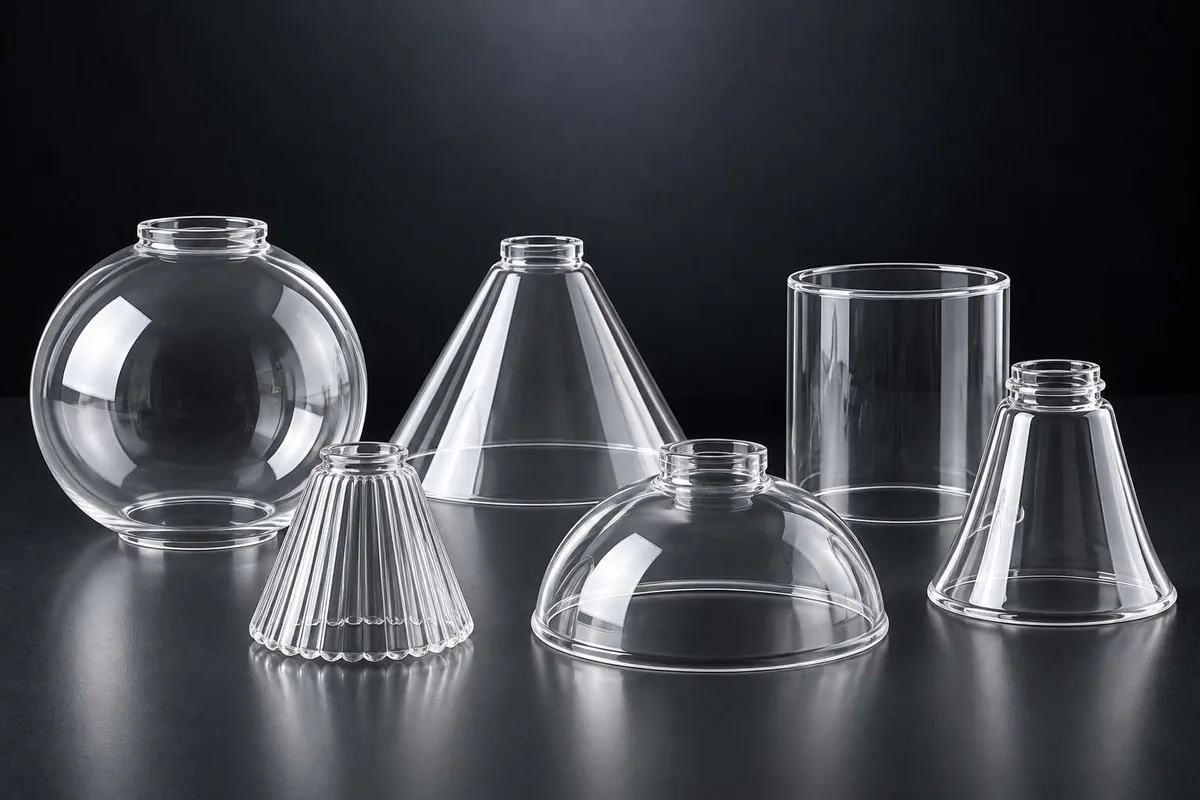
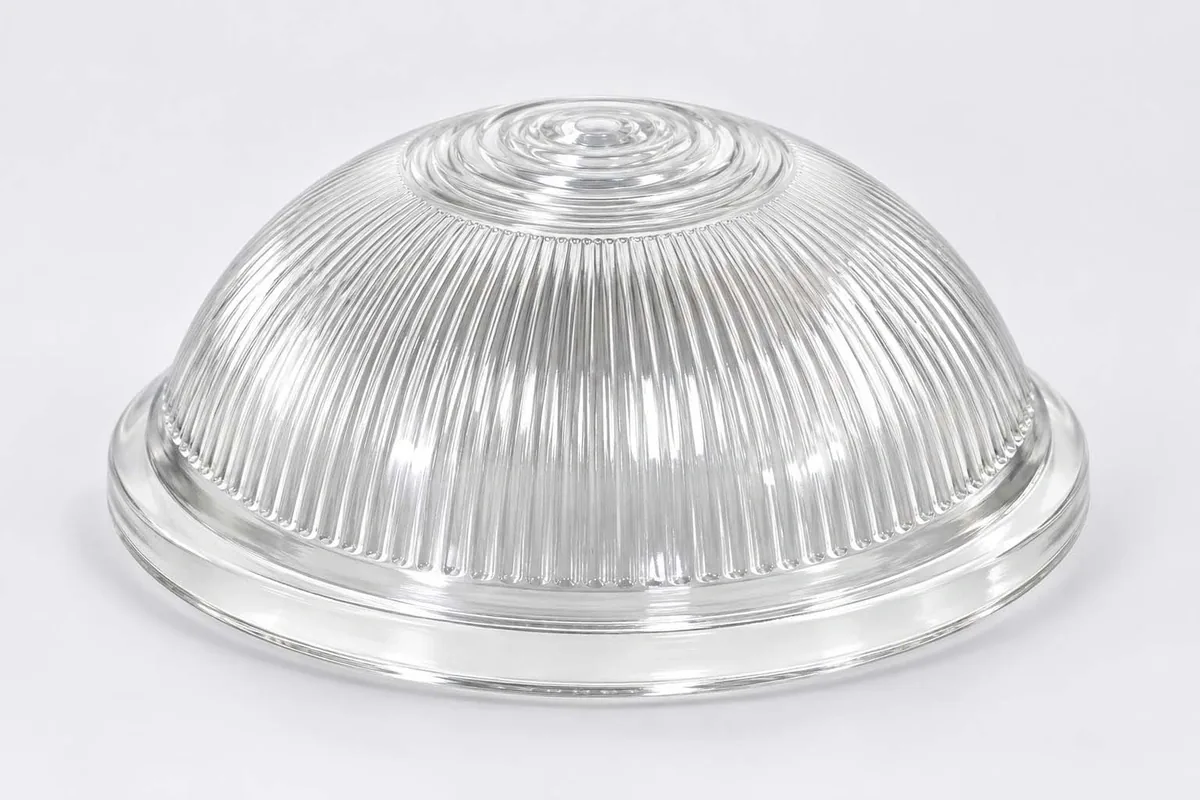
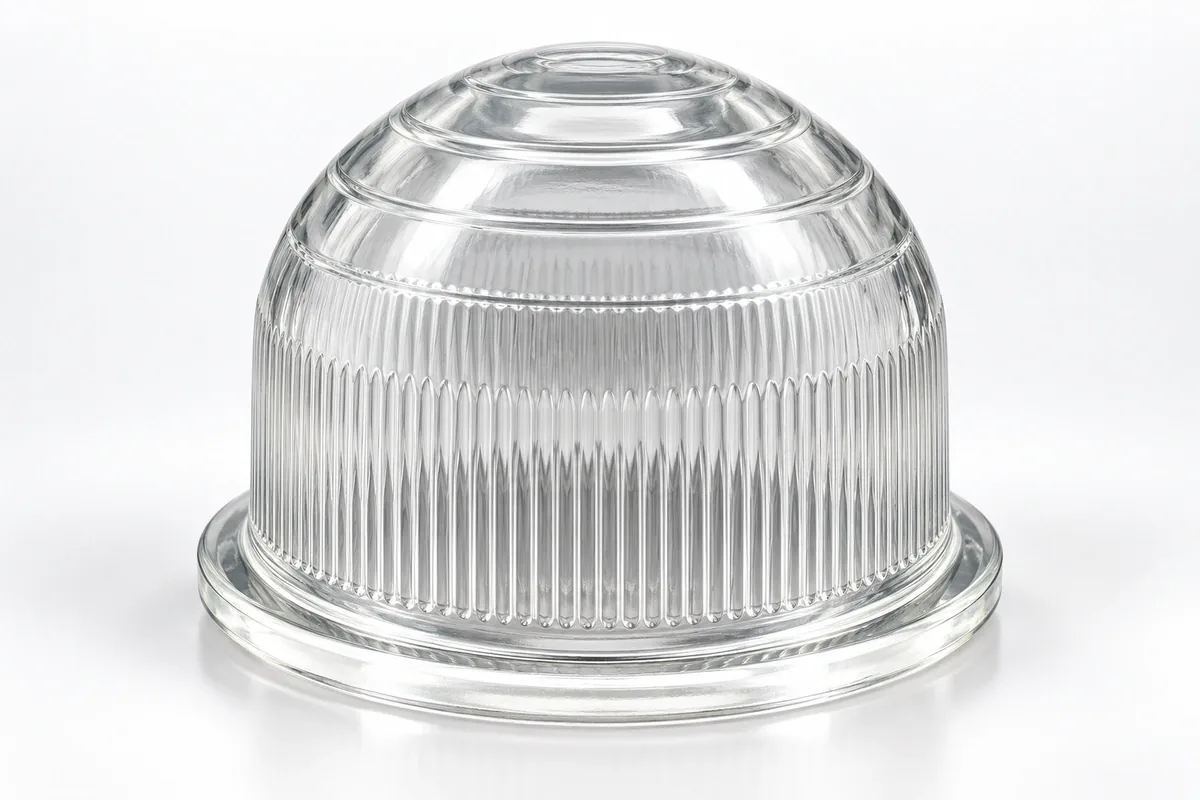
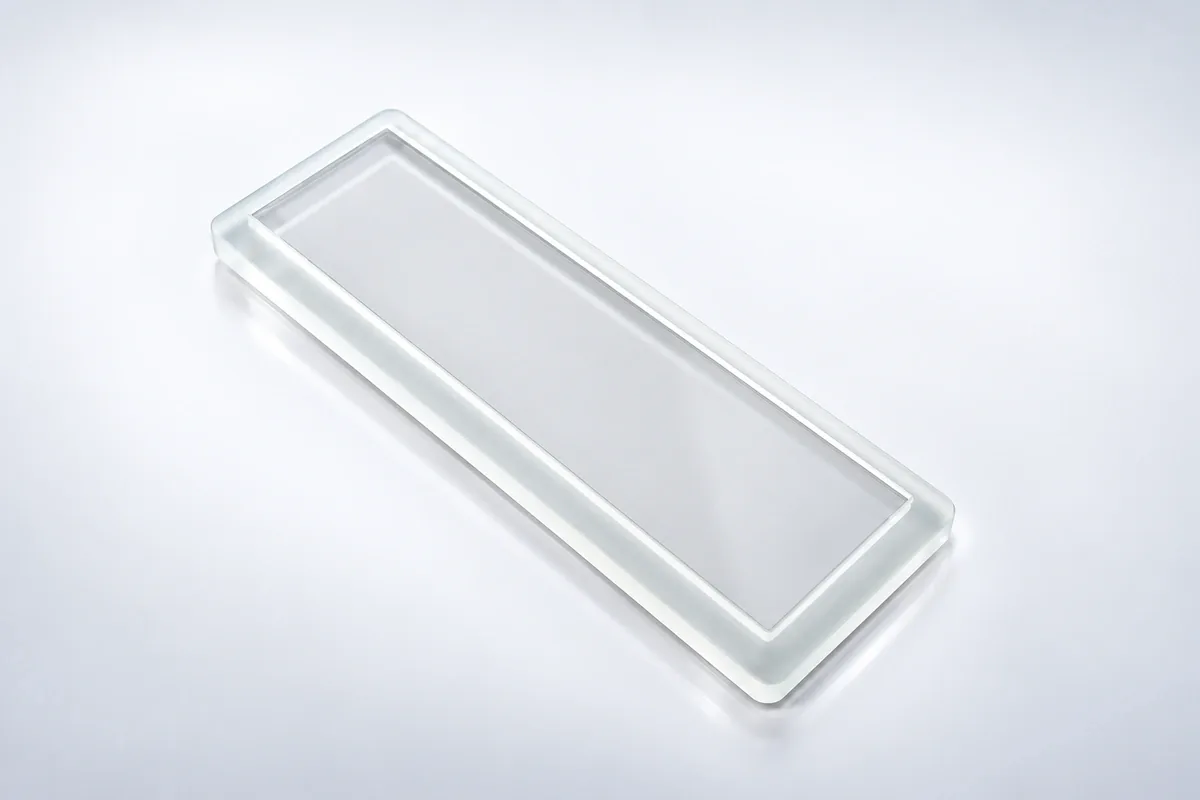
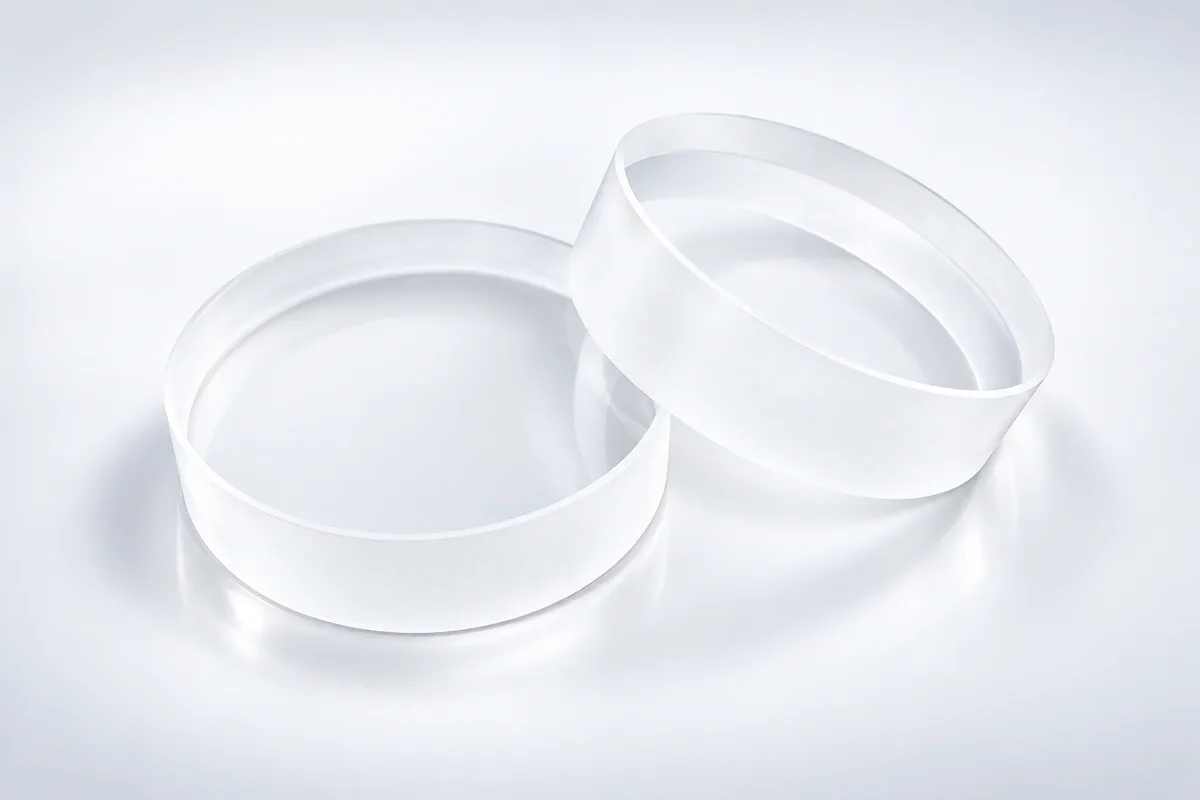
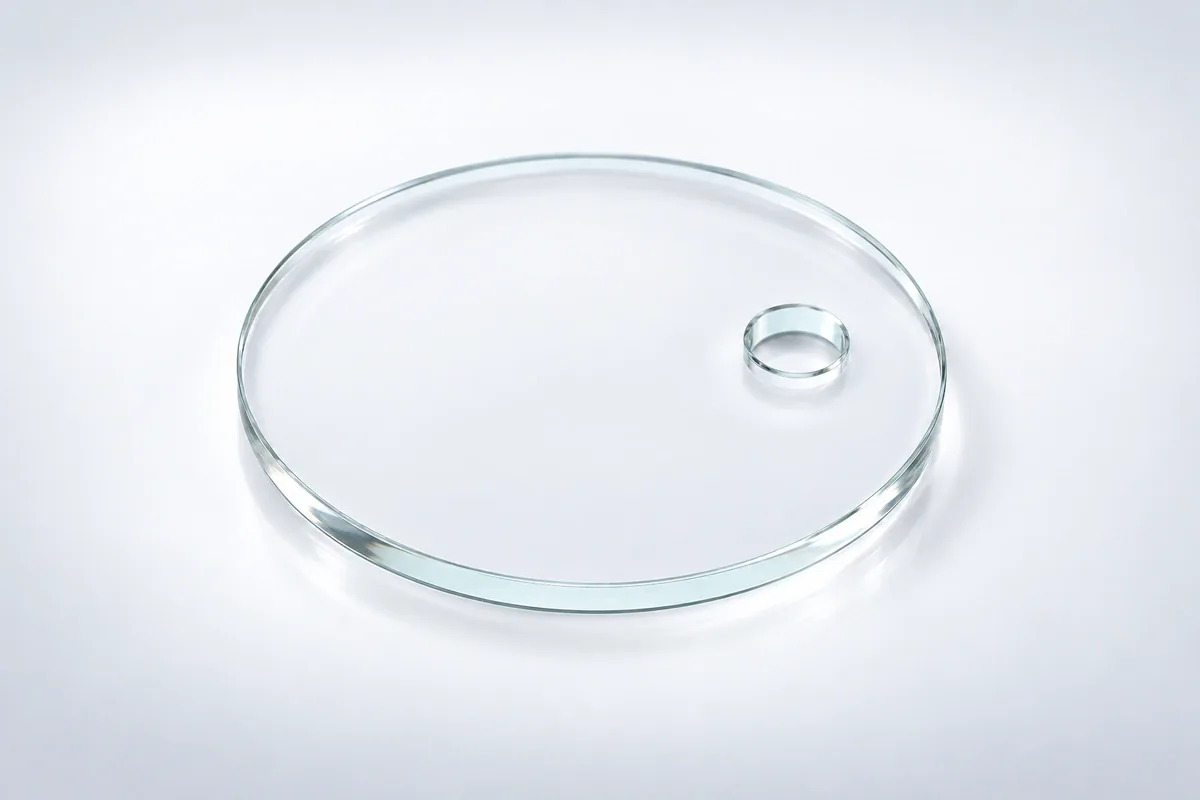
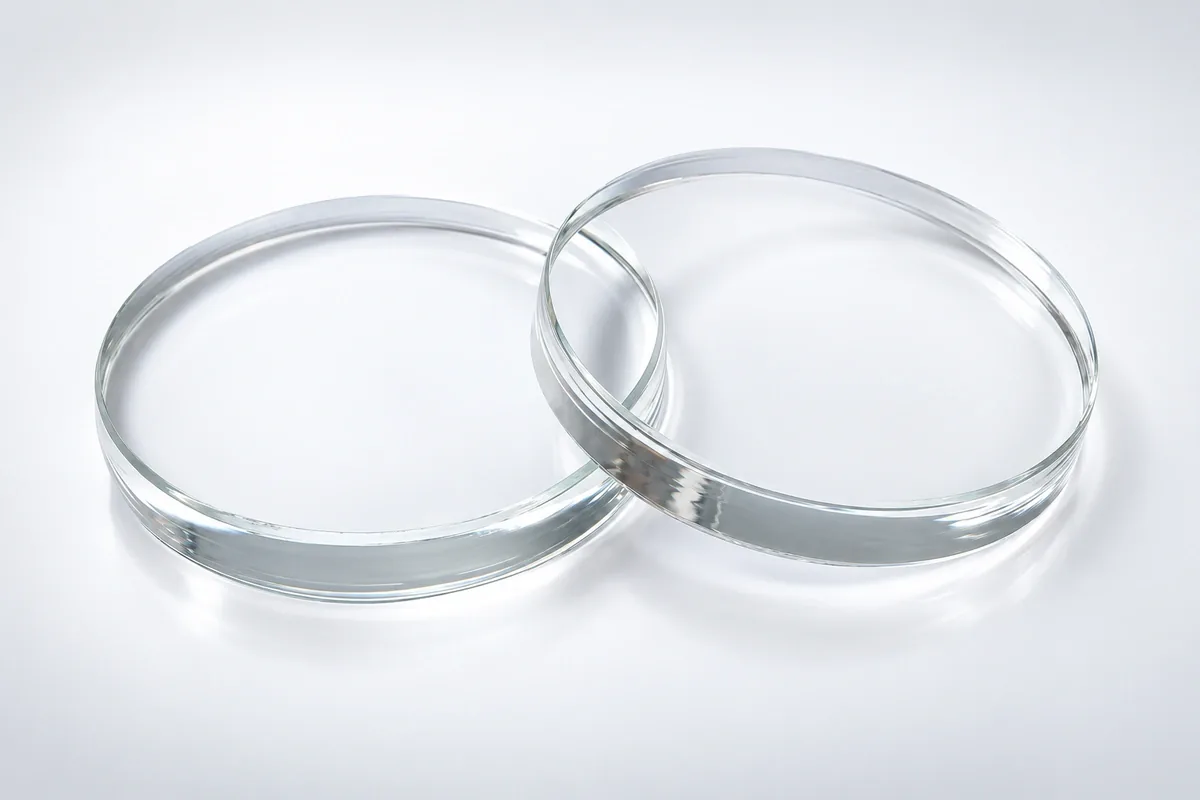
A sight glass provides a direct viewing window into a vessel, pipe, machine or enclosed process. The glass may be a round disc, rectangular window, tube, stepped part or molded component, depending on how the housing supports and seals it.
China Lampoptics manufactures glass to controlled drawings or approved samples and can provide forming, annealing and compatible secondary processing. Pressure and temperature capability must be established for the complete sight-window assembly, including the gasket, supported span and retainer.
Specification note: Numerical ranges shown on this page are preliminary engineering references for project screening. The quotation and approved drawing define the final material, dimensions, tolerances, processing route and inspection method.
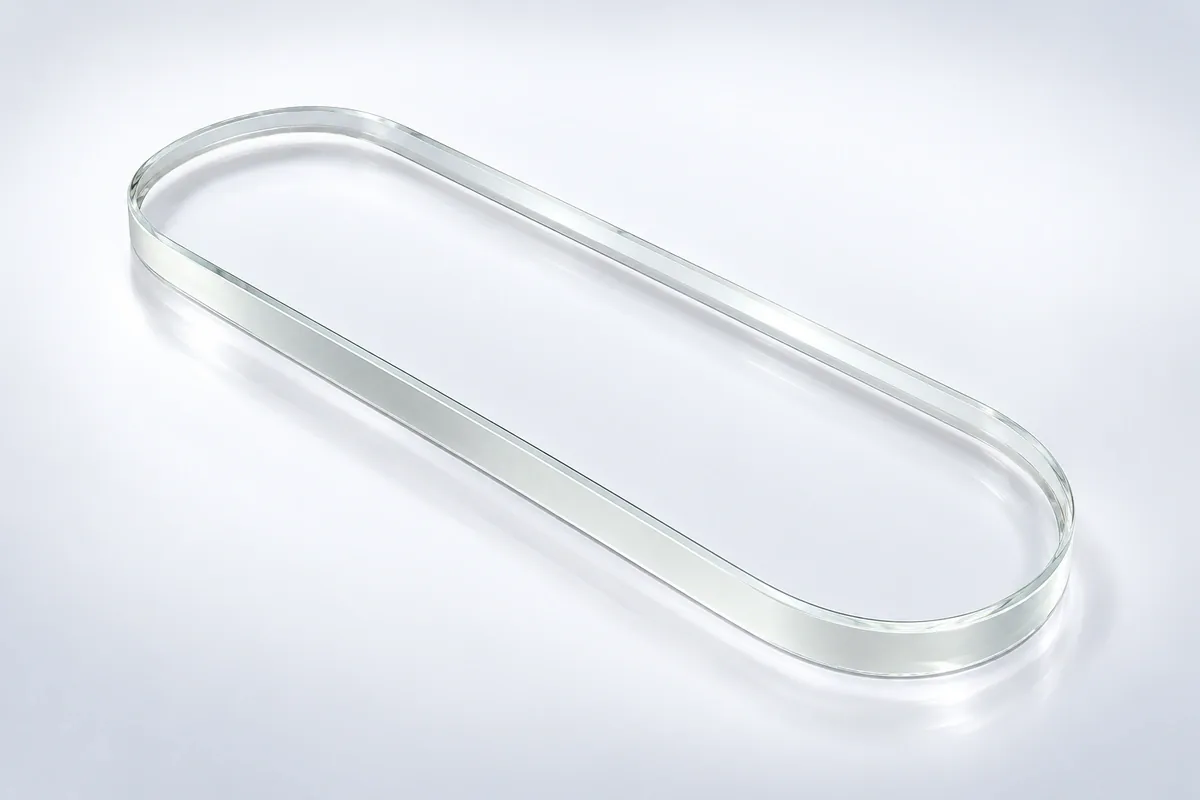
Sight Glass Formats
| Format | Viewing arrangement | Typical equipment |
|---|---|---|
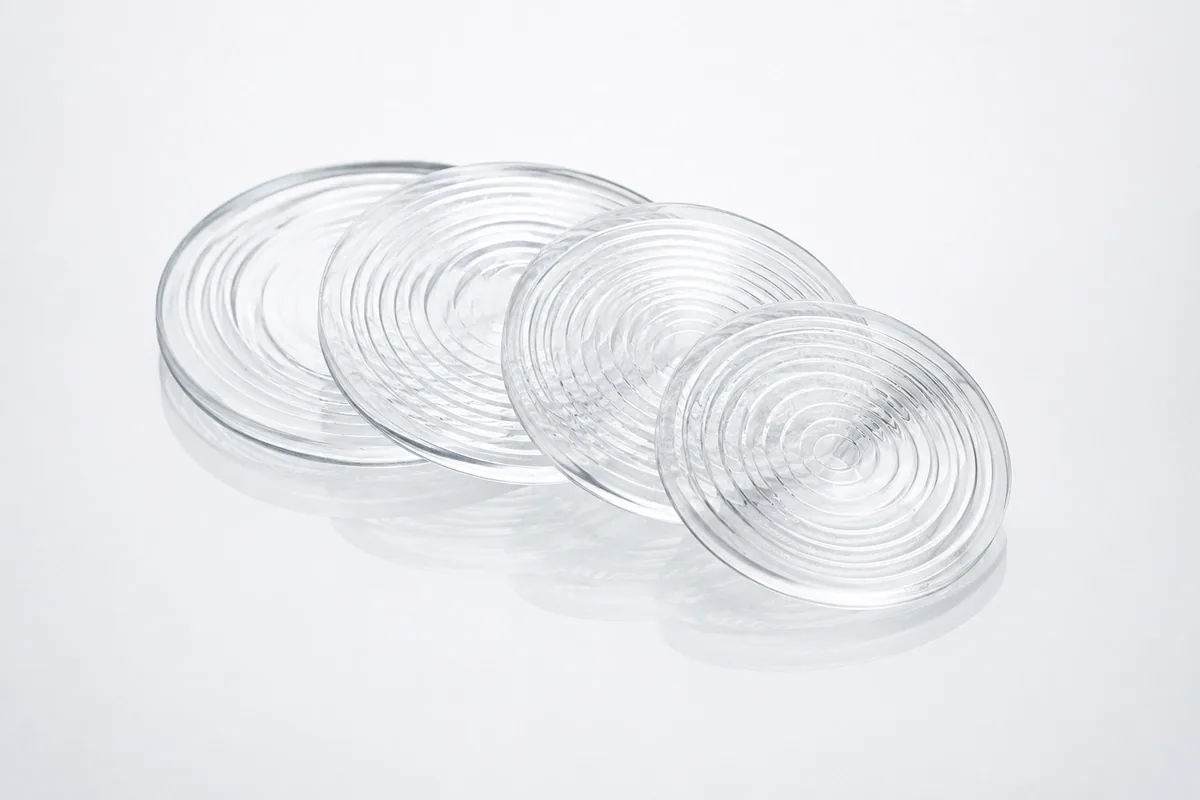
| Round disc | Flat window supported around a circular seat | Tanks, filters and instrument housings |
| Rectangular window | Elongated field of view | Machines, process vessels and level indicators |
| Tubular sight glass | Continuous view along a transparent tube | Low-pressure flow and level observation |
| Stepped window | Machined or formed shoulder locates in the housing | Instruments and sealed equipment |
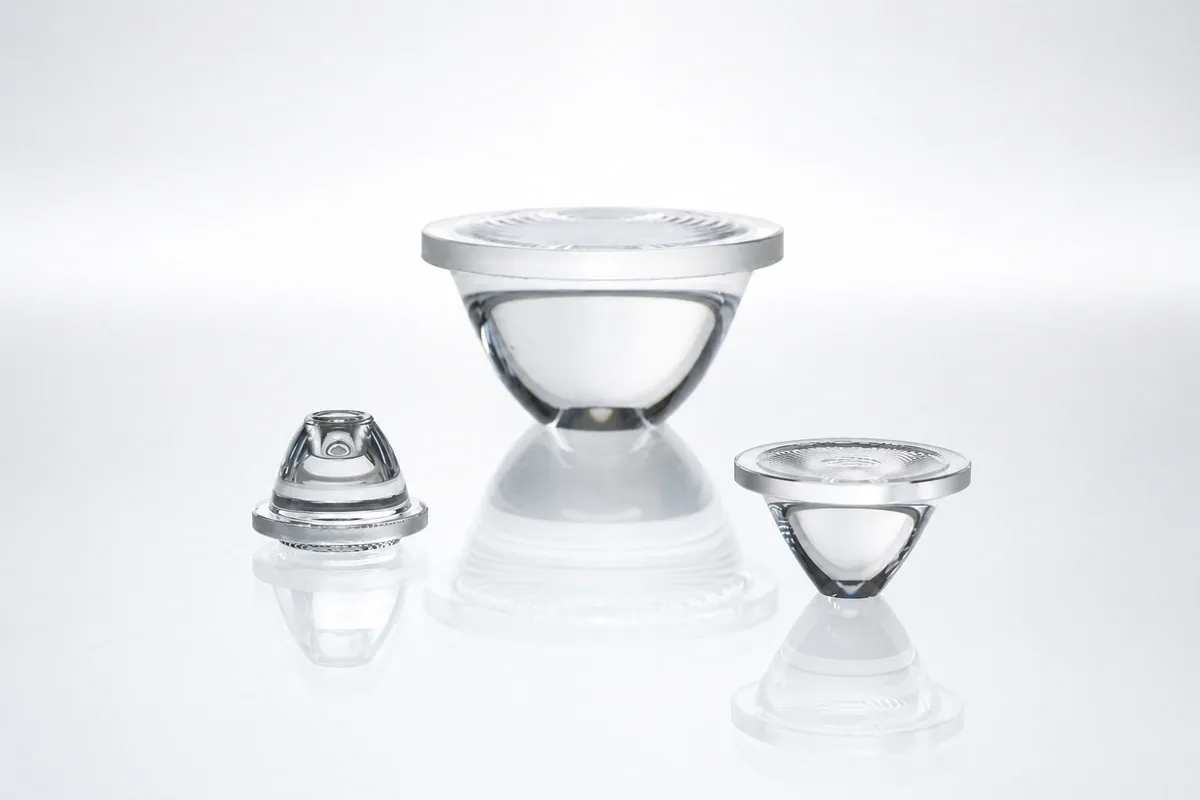
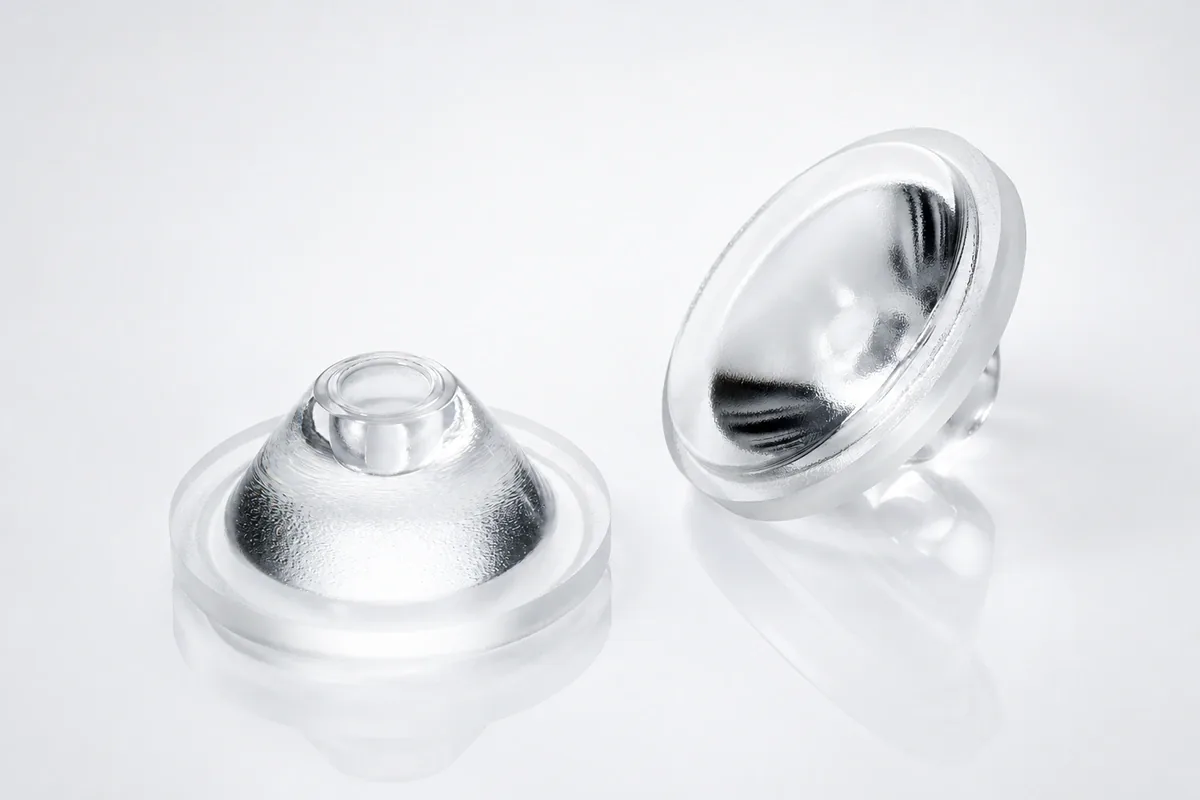
| Molded sight component | Curved or featured body produced to the assembly | Special process and lighting equipment |
Operating Specifications
| Glass material / grade | Thermally prestressed borosilicate for DIN 7080-type round sight glasses; BOROFLOAT 33 reference n_d = 1.471 |
|---|---|
| Outside size | Made to the approved drawing; production limit confirmed after tooling review |
| Thickness / minimum section | DIN 7080 reference minimum thickness 6.5 mm |
| Clear aperture | Defined by the housing and viewing requirement |
| Design pressure / vacuum | Defined for the intended service environment; assembly-level responsibility agreed before production |
| Continuous / peak temperature | DIN 7080 pressure-service reference up to 280°C; BOROFLOAT 33 material reference 450°C long-term / 500°C short-term |
| Thermal cycling | Project-specific test profile for the complete assembly |
| Process fluid / chemical exposure | BOROFLOAT 33 material reference: hydrolytic HGB1/HGA1, acid class 1 and alkali class A2; actual media compatibility must be reviewed |
| Optical clarity / tint | Target defined by the application or approved sample; achievable result confirmed during review |
| Applicable standard | DIN 7080 may apply to thermally prestressed circular borosilicate sight glass; confirm full scope |
Published material strength cannot be converted directly into an assembly pressure rating. Unsupported diameter, edge condition, gasket contact, preload, temperature and cycling all influence the installed glass.
Seal and Housing Interface
- Supported diameter: defines the effective loaded span of a round window
- Gasket contact: must be wide, flat and free of hard particles or point loading
- Edge finish: removes chips and controls the most damage-sensitive region
- Retainer load: holds the seal without bending or locally crushing the glass
- Thermal clearance: allows differential expansion between glass and metal housing
Component Processing Options
Lampoptics has physical tempering, chemical tempering, coating, sandblasting and drilling capability, supported by dedicated tempering and mold workshops. These operations are selected according to the glass material, size, edge and service duty.
Material, dimensions and inspection requirements are confirmed after the complete sight-window assembly and operating duty are reviewed. No glass-only pressure rating is implied.
Sight Glass Processing
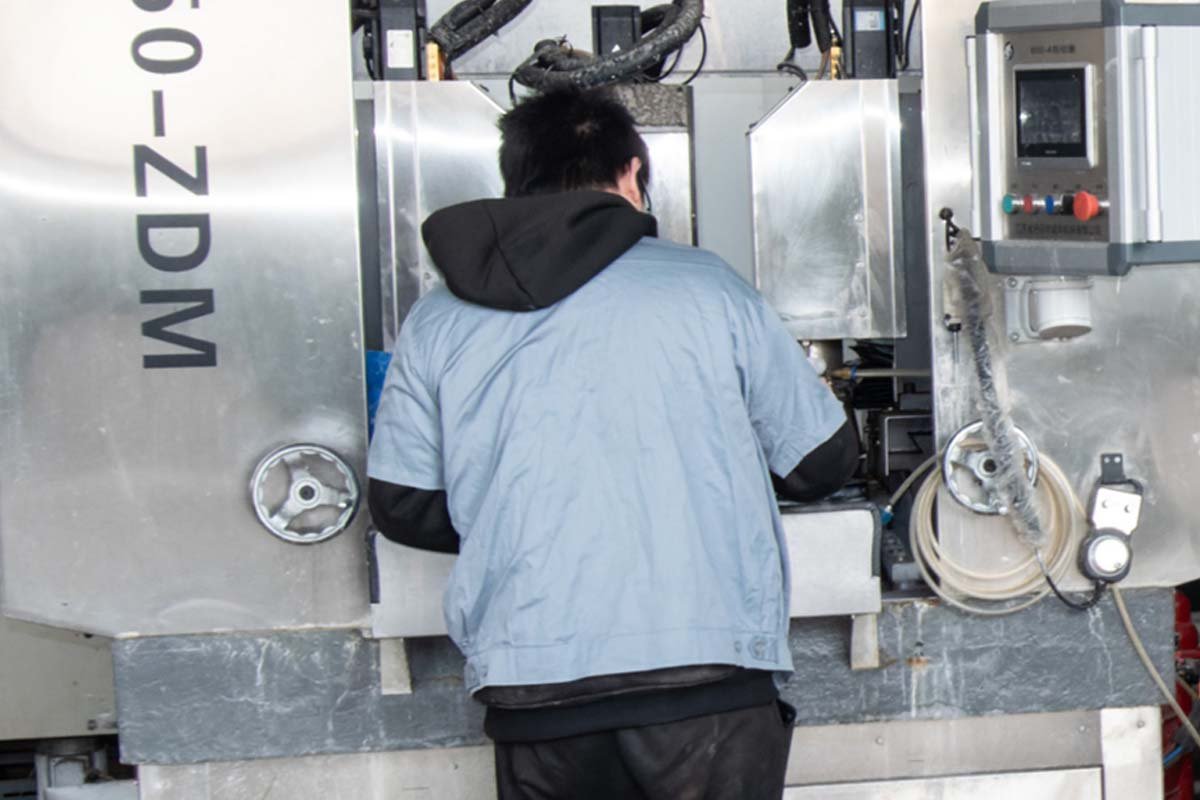
Service Condition Review
Pressure, temperature, medium, viewing area, support diameter and gasket arrangement define the component route.

Forming or Cutting
The blank is molded, cut or shaped to the required disc, rectangle, tube or stepped profile.

Edge and Surface Processing
Edges, gasket faces, holes and viewing surfaces are finished to the approved drawing.

Inspection and Assembly Test
Dimensions and visual quality are checked; pressure and leak validation are defined for the installed assembly.
Applications
- Process vessels and tanks: direct observation of fluid condition or level
- Pumps, filters and pipelines: inspection of flow and contamination
- Boilers and thermal equipment: viewing windows designed for the defined temperature and pressure
- Machines and gearboxes: oil-level and internal-condition windows
- Optical and electronic instruments: sealed clear or coated windows
Sight Glass FAQs
Is a sight glass pressure rating a glass-only value?
No. The rating normally applies to a defined glass, gasket, support and retainer assembly.
Can Lampoptics make a sight glass from a sample?
Yes, but the service pressure, temperature, fluid and housing geometry are still required to validate the replacement.
Can sight glass be tempered?
Physical and chemical tempering are available processes; suitability is confirmed after material, edge condition and geometry review.
Can holes or steps be added?
Drilling and stepped geometry may be possible, but their location and edge condition must be included in the stress and assembly review.
What defines the clear aperture?
The clear aperture is the usable viewing area after the gasket, seat and retainer obscure the edge of the glass.