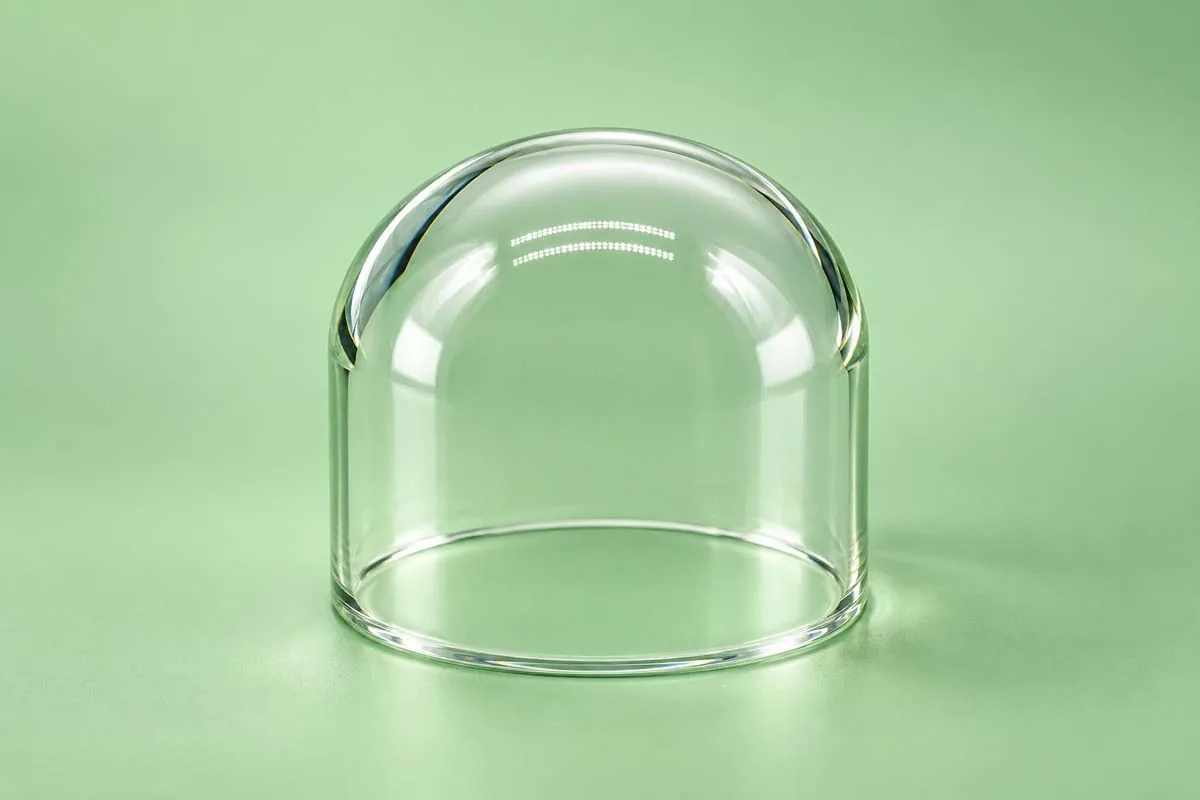
Custom Glass Dome Lamp Shades
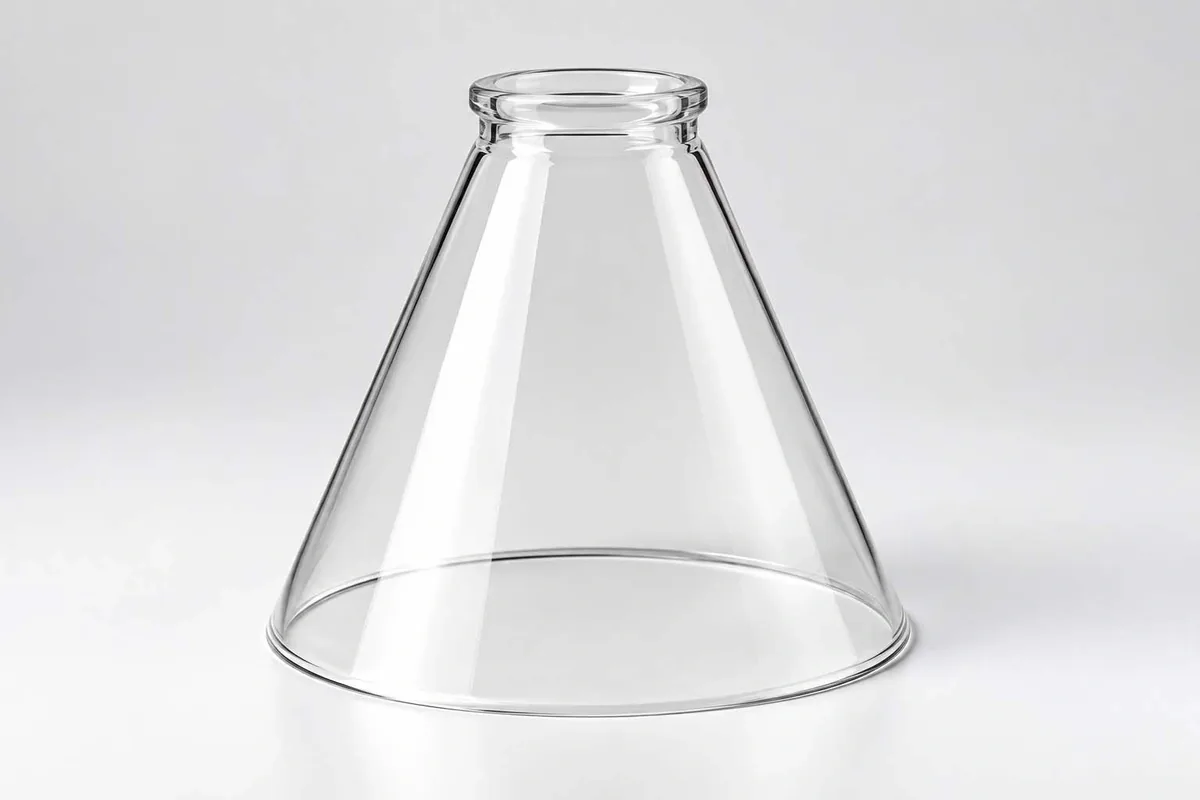
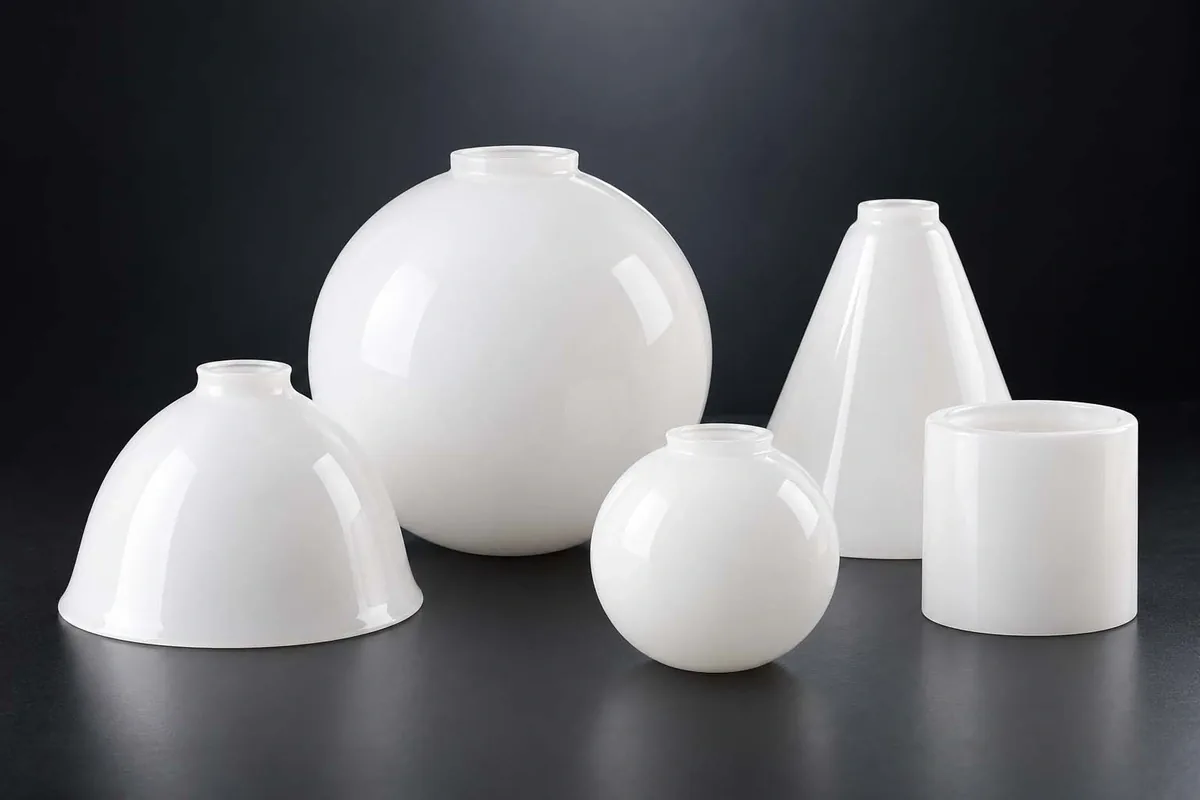
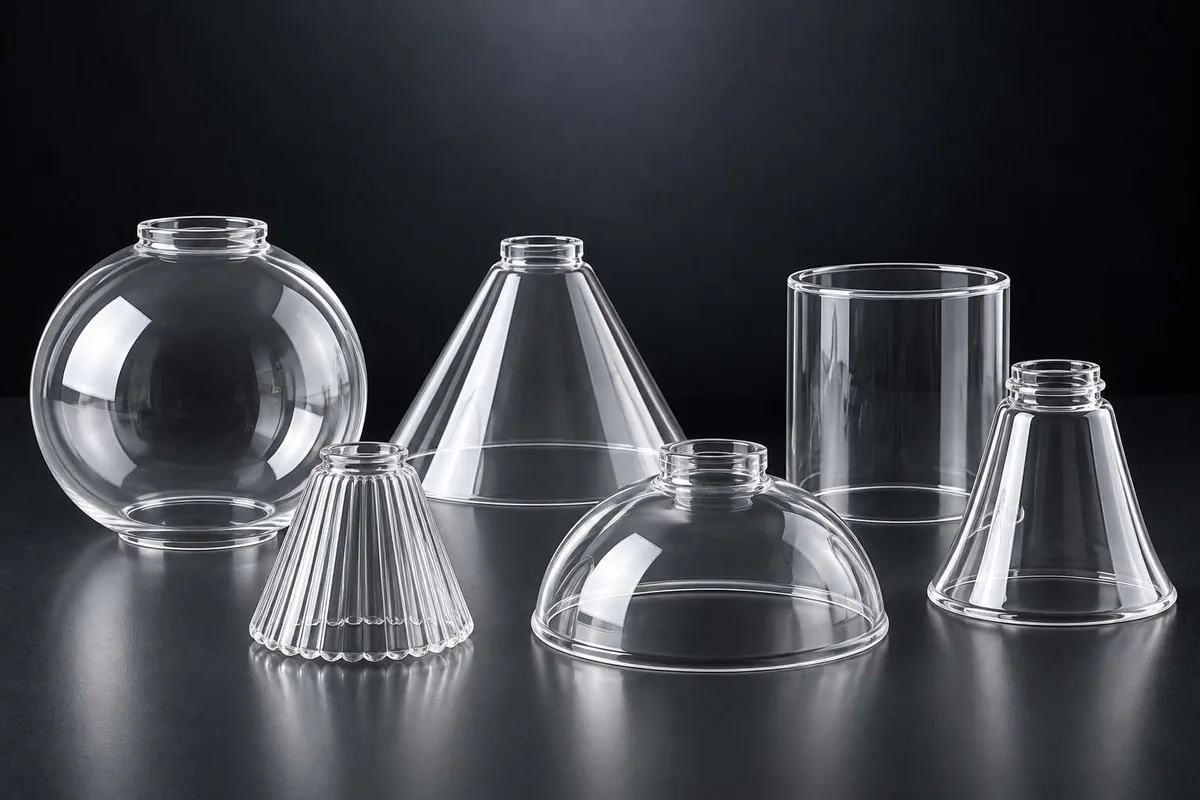
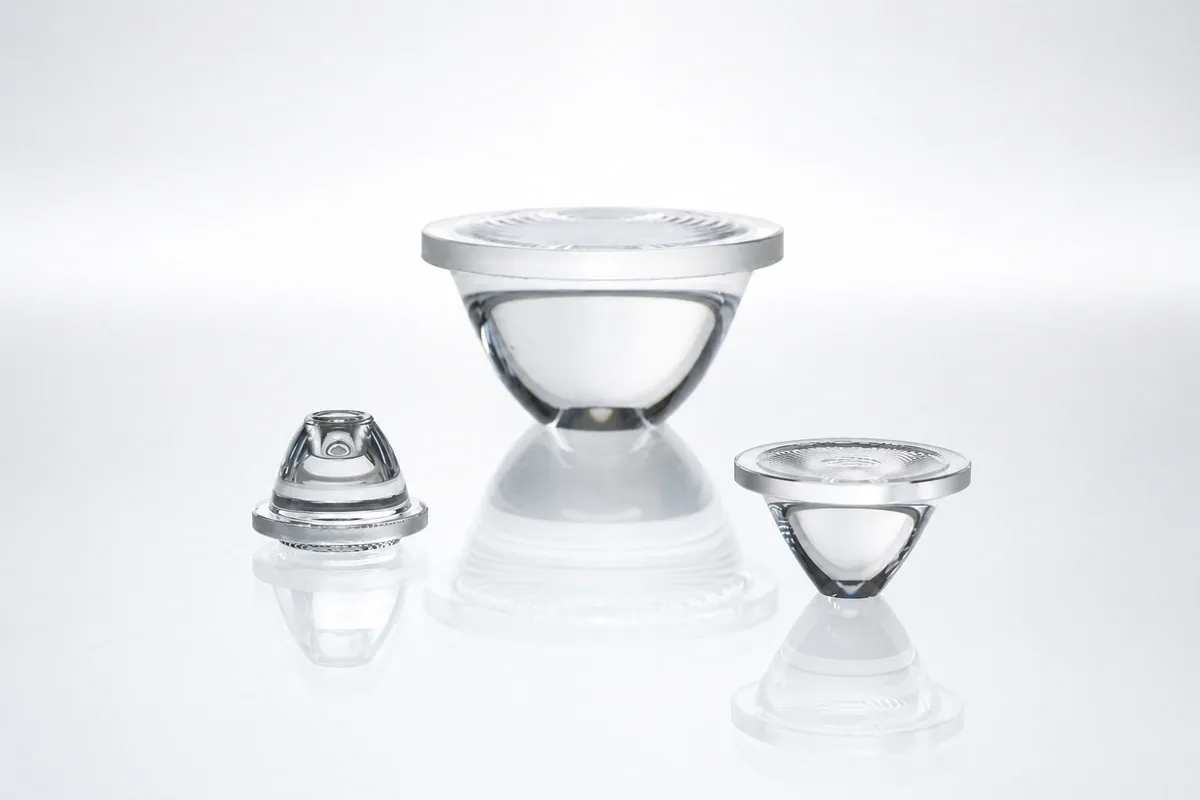
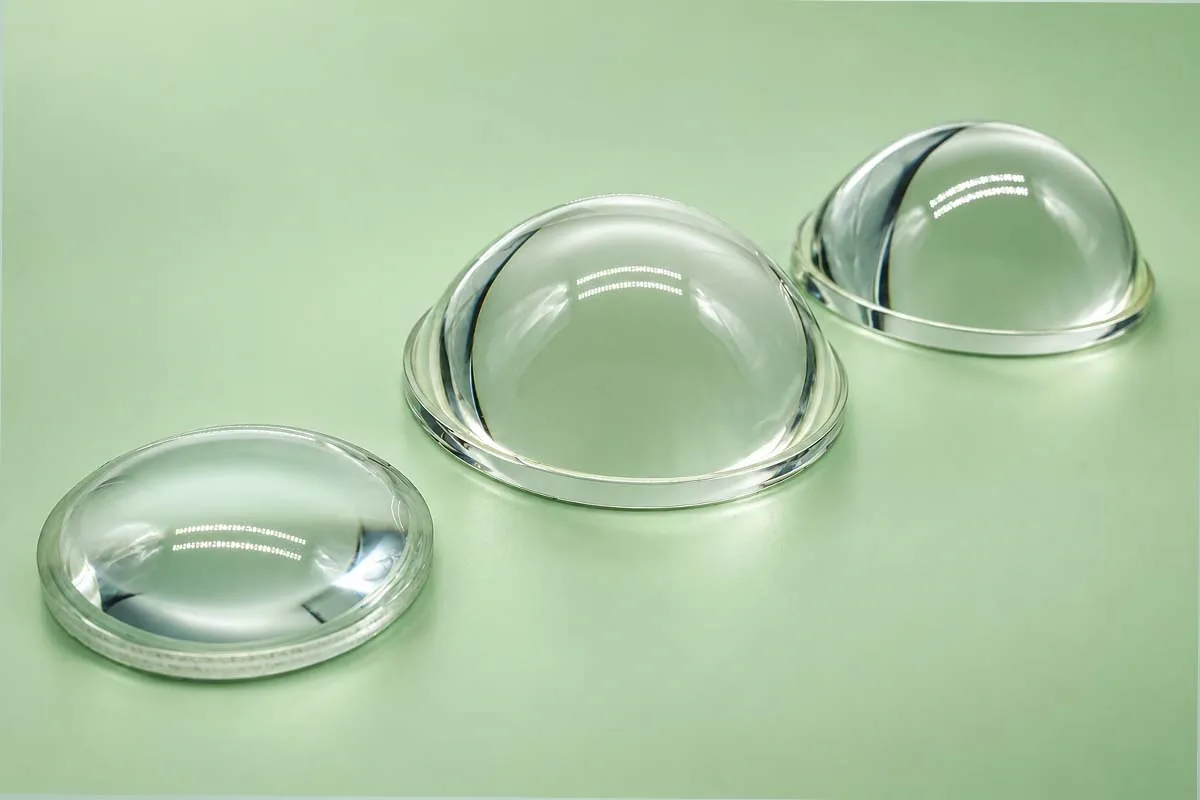
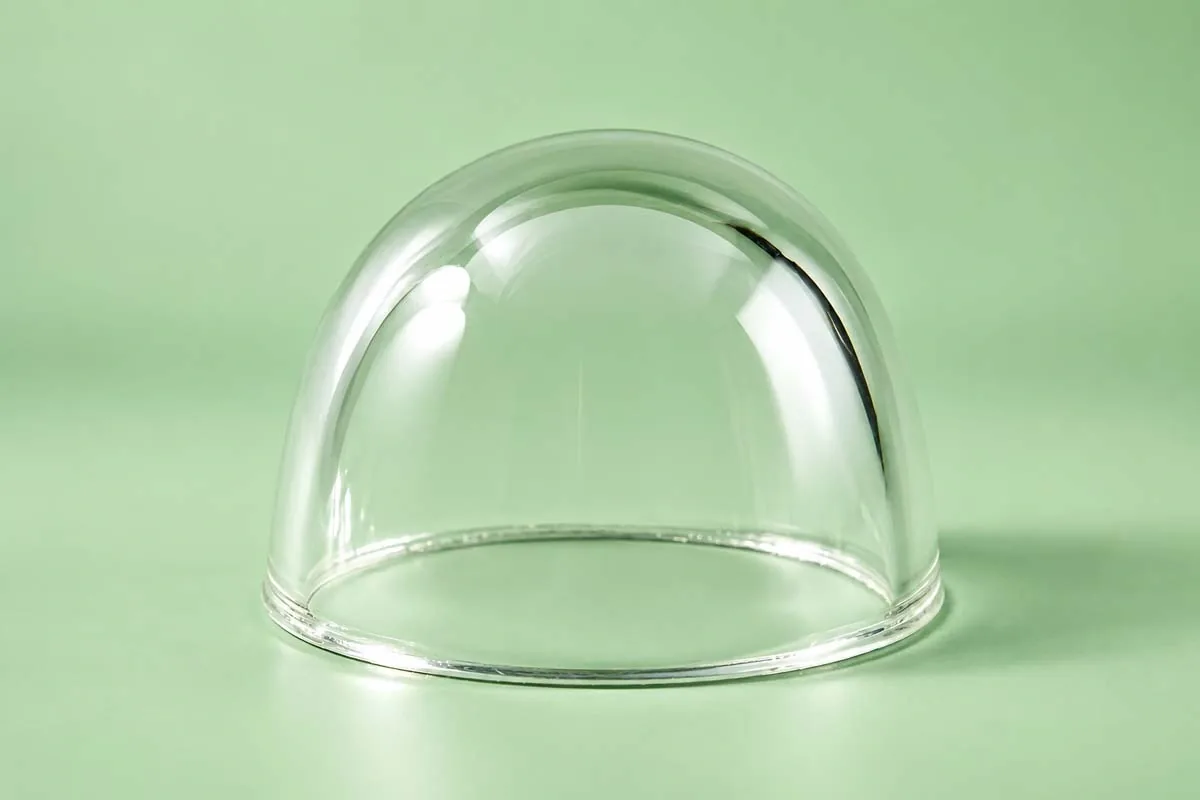
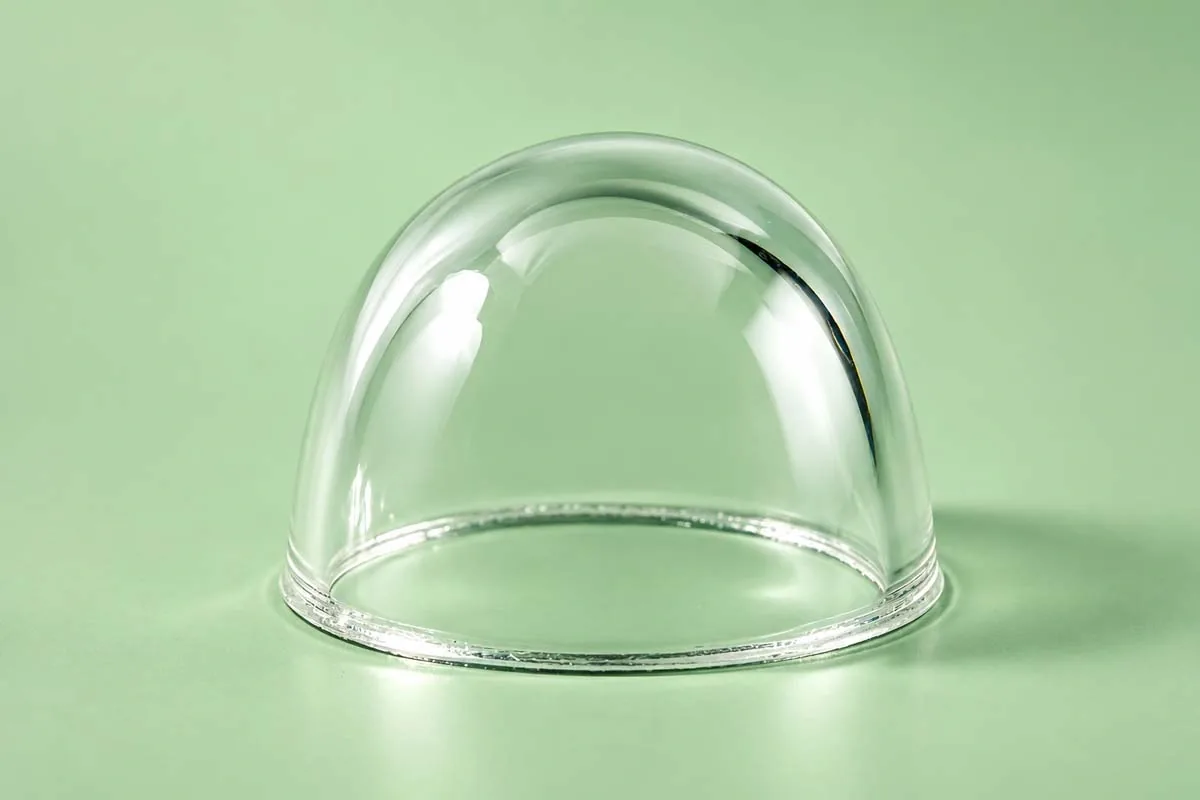
Glass dome lamp shades are curved covers with an open base. They may act as decorative diffusers, protective lamp covers or optical windows over a source. Shallow domes keep the fixture compact; deeper hemispherical domes provide more internal clearance and a wider visible glass surface.
China Lampoptics develops dome geometry around the light source, reflector and housing. Diameter, crown height, wall distribution and the base interface are controlled together because each affects both fit and appearance.
Specification note: Numerical ranges shown on this page are preliminary engineering references for project screening. The quotation and approved drawing define the final material, dimensions, tolerances, processing route and inspection method.
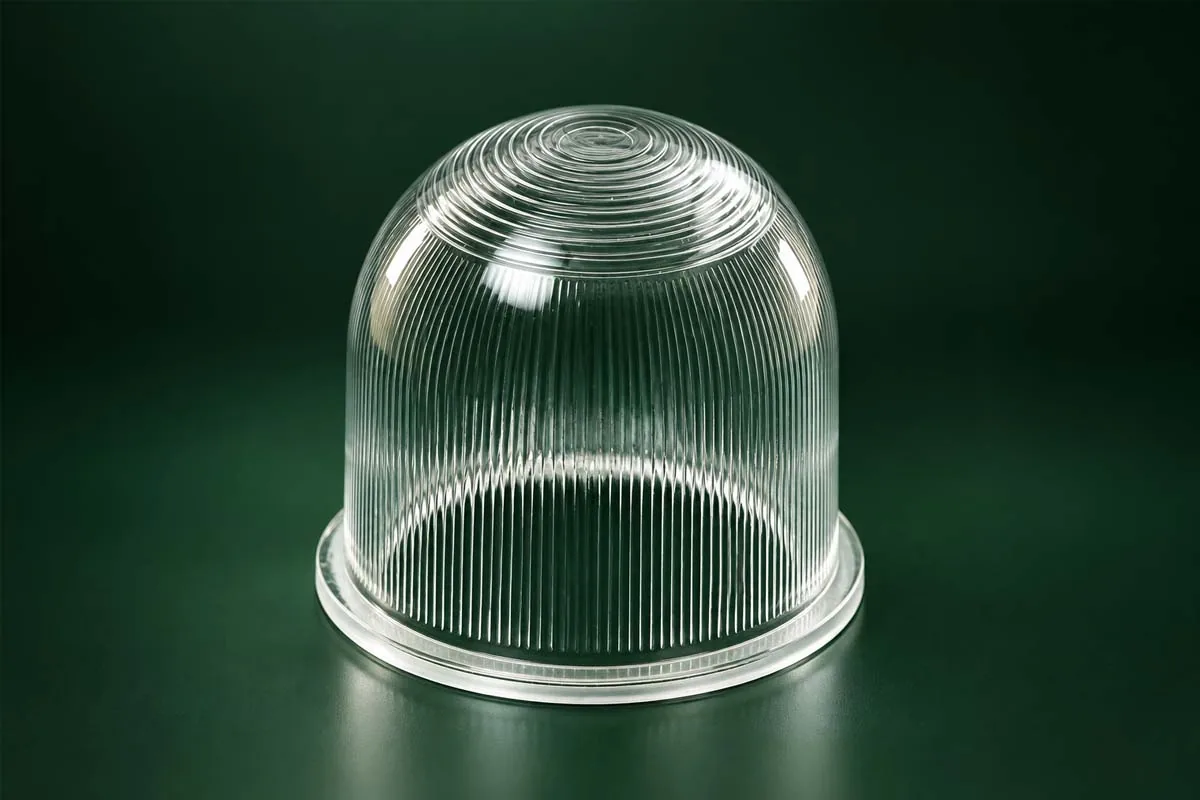
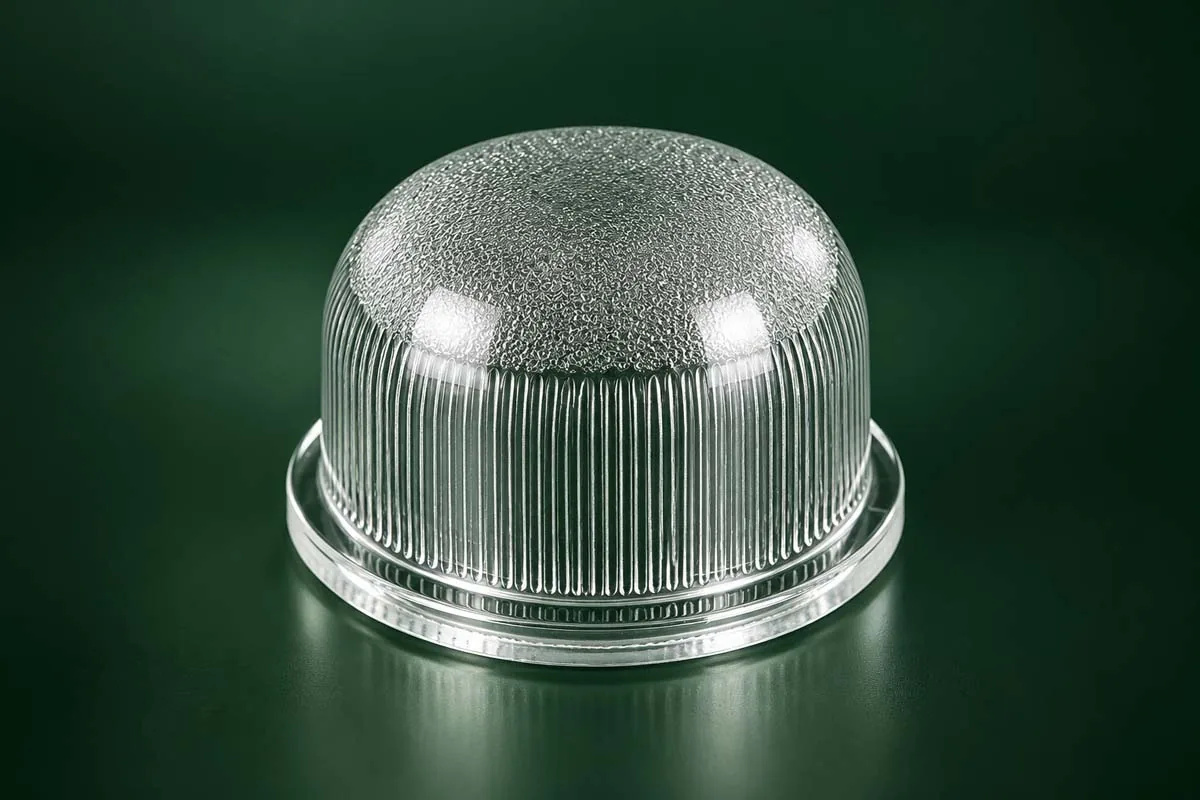
Dome Profiles
| Profile | Main characteristic | Typical use |
|---|---|---|
| Shallow dome | Low crown height and compact installed depth | Ceiling, wall and flush-mount fixtures |
| Hemispherical dome | Broad curved surface around the source | Outdoor, industrial and decorative lighting |
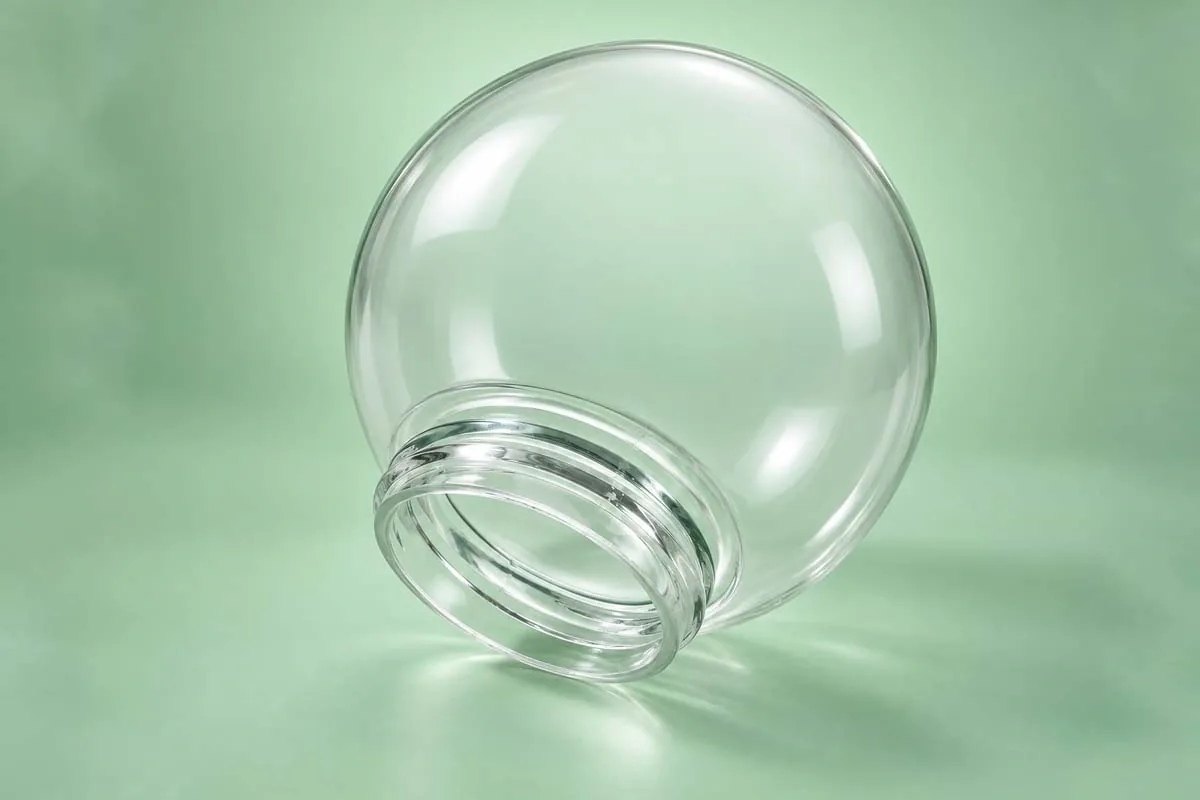
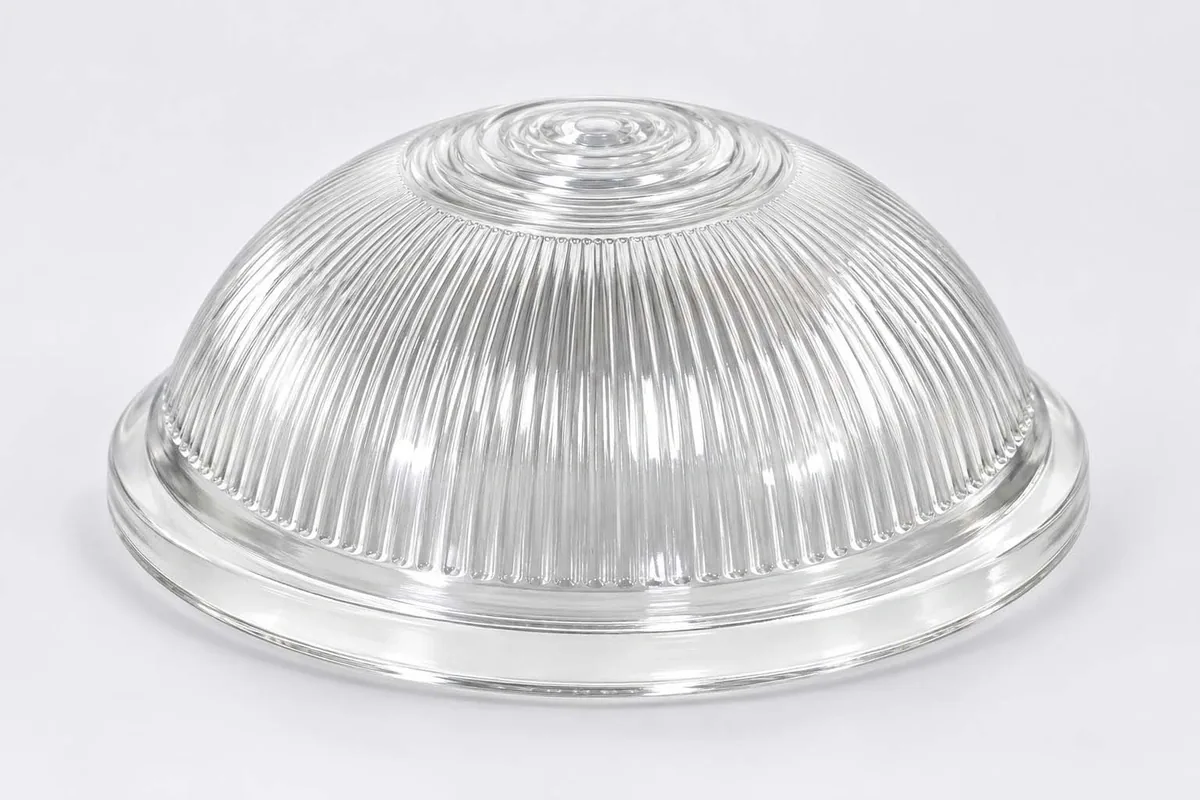
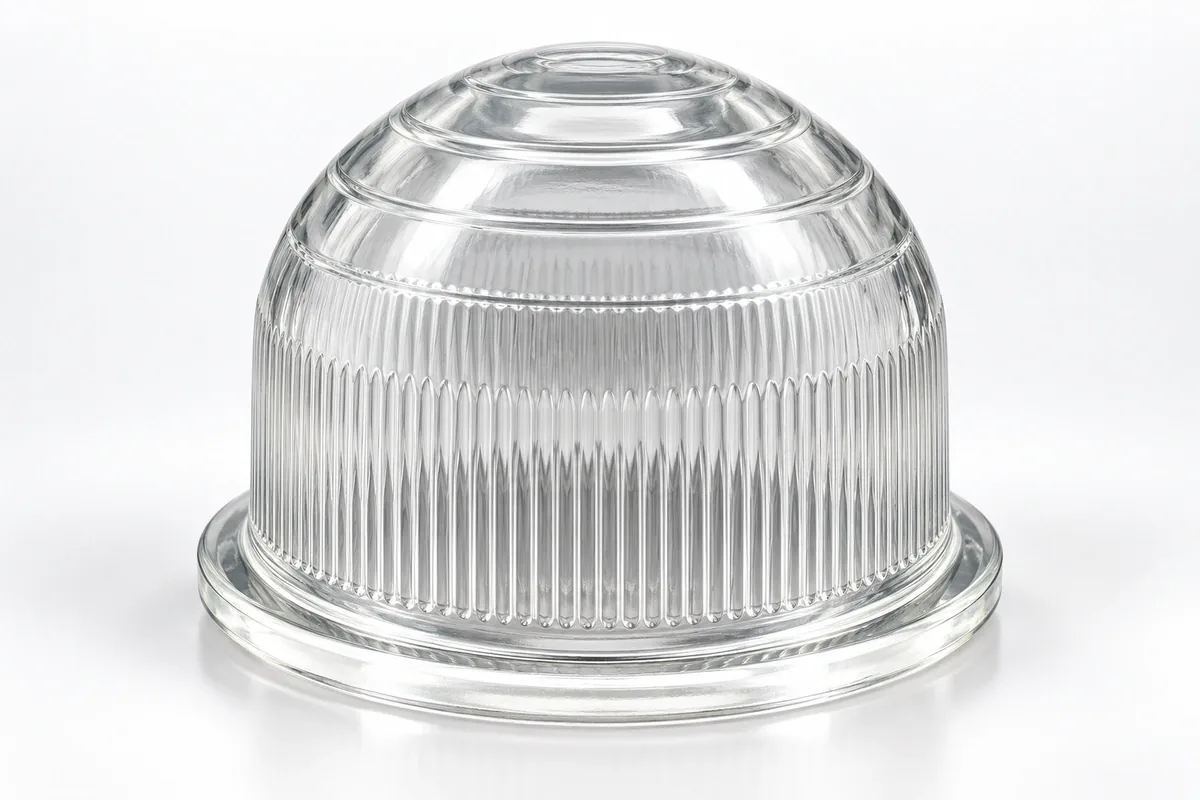
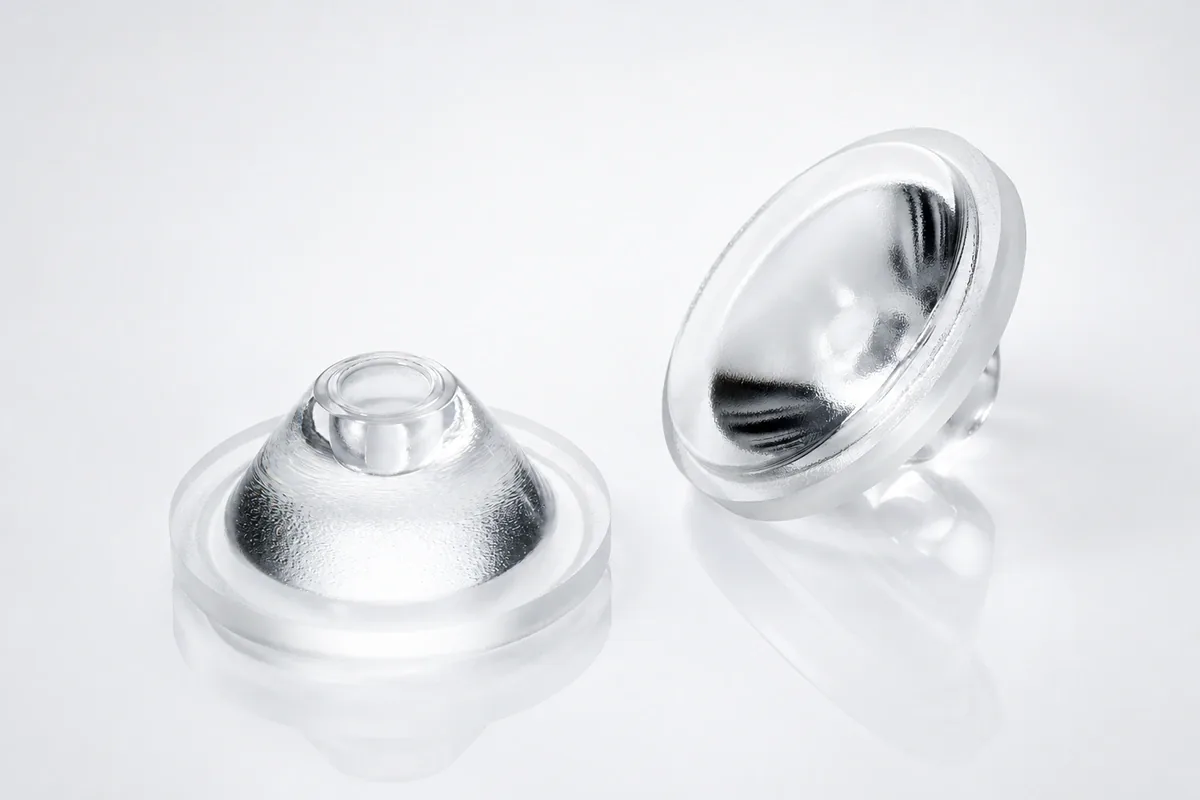
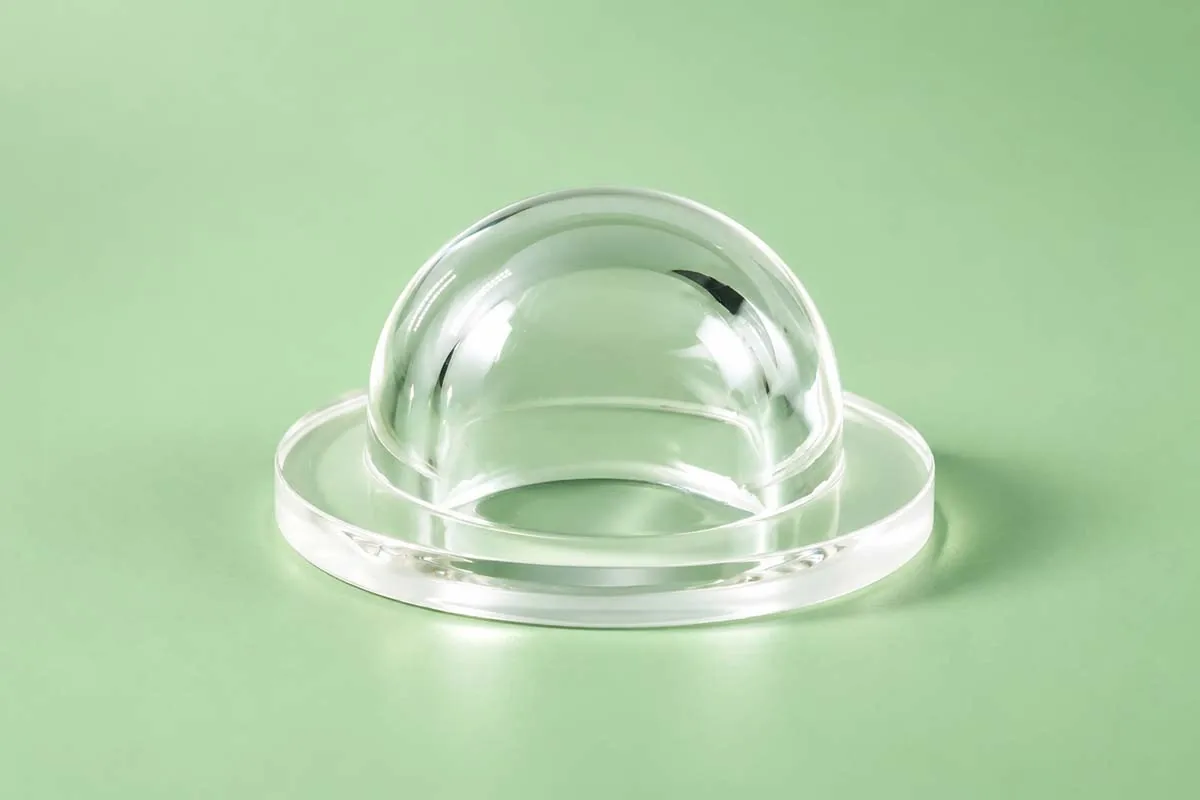
| Flanged dome | Molded base flange locates against a gasket or housing | Sealed or retained lamp assemblies |
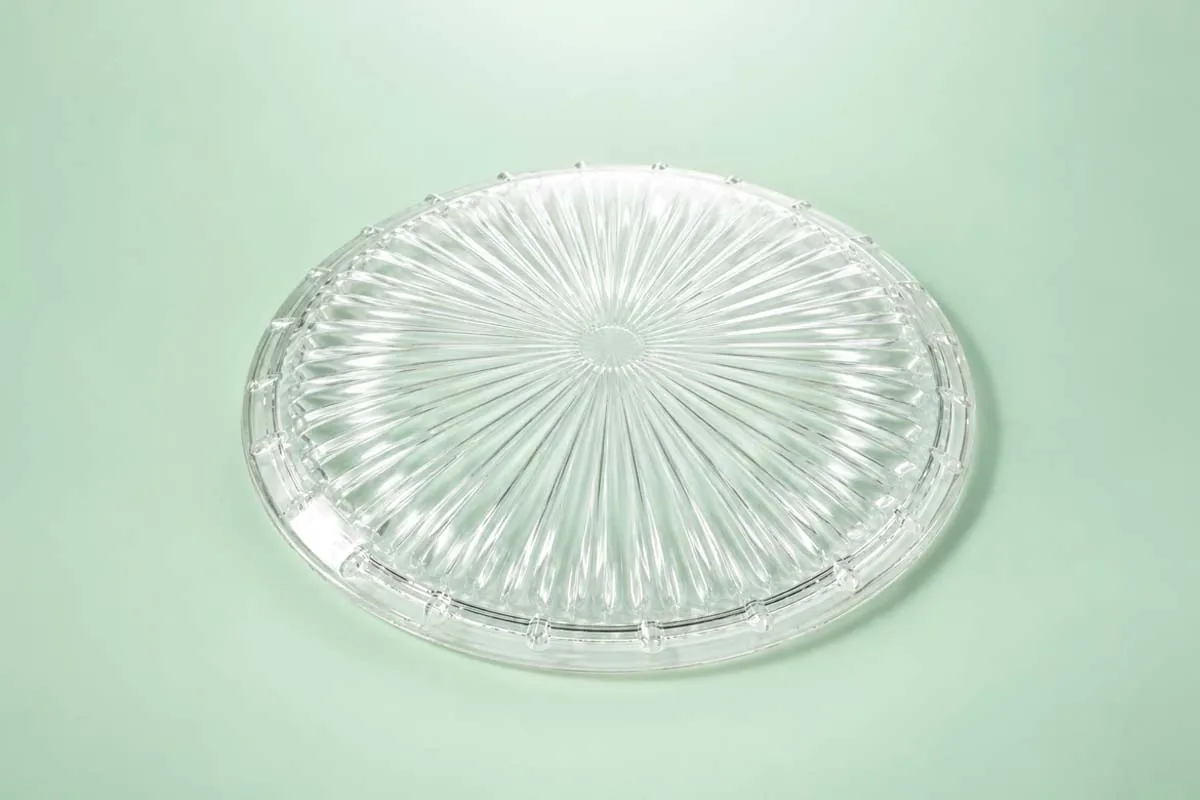
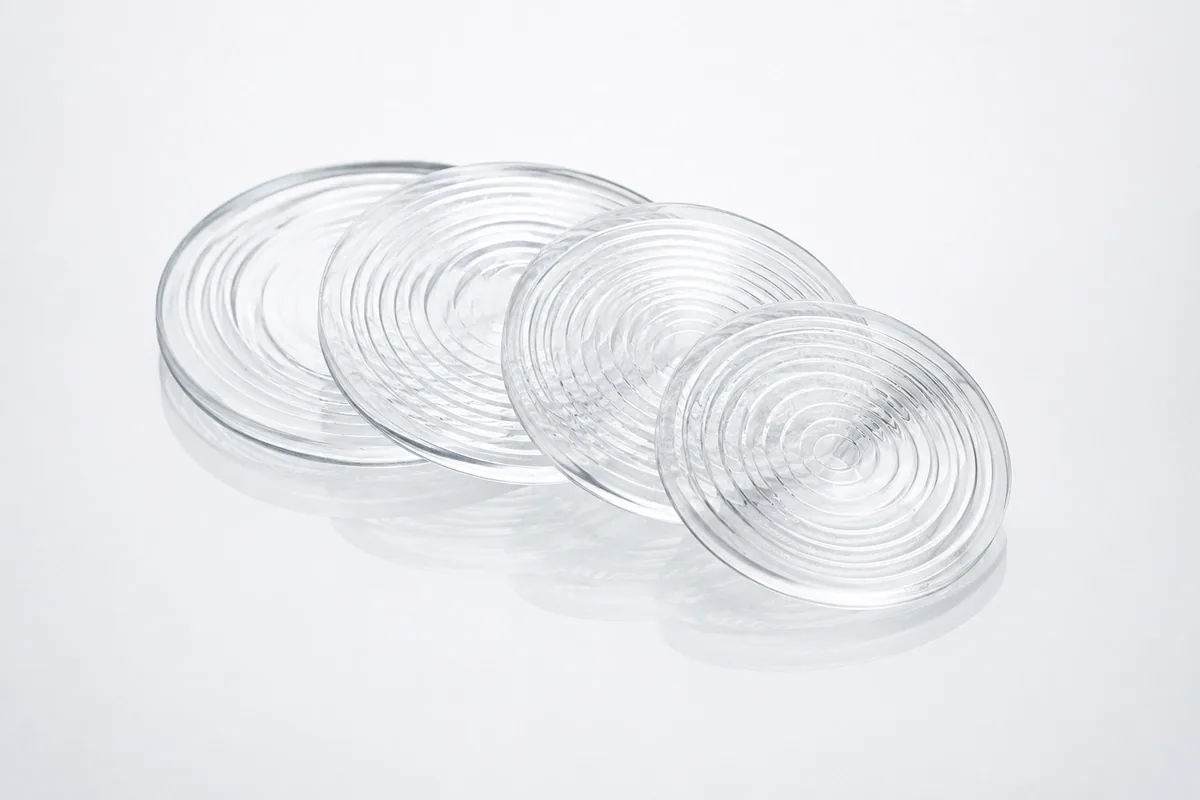
| Ribbed dome | Molded ribs modify appearance or beam spread | Vehicle, signal, utility and vintage lighting |
| Optical dome | Clear curved window with a controlled optical zone | Sensors and optical instruments |
Dome Specifications
| Outside diameter or width | Preliminary forming range Ø40–400 mm; larger domes require separate tooling review |
|---|---|
| Crown height | Made to the approved drawing; production limit confirmed after tooling review |
| Base opening | Project-specific; controlled by drawing or mating fixture |
| Nominal wall | 3–8 mm reference range; 4–5 mm is common for machine-pressed lighting glass |
| Base rim / flange | Defined by the housing interface and approved drawing |
| Profile tolerance | Typical formed-part consistency ±0.3–1.0 mm; the dome contour and sealing areas are specified separately |
| Glass and transmission | Target defined by the application or approved sample; achievable result confirmed during review |
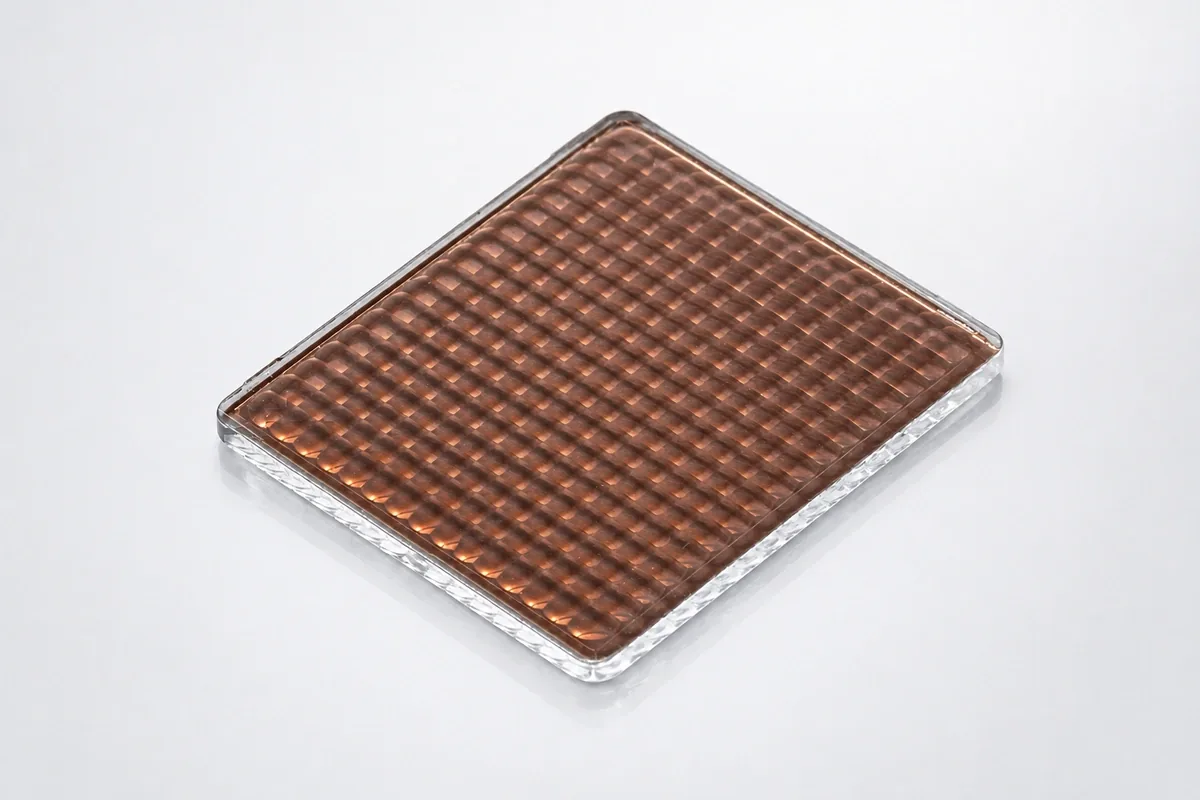
| Surface / texture | Clear, opal or textured; sandblasting and coating available by project |
For a dome, the profile cannot be defined by diameter alone. The drawing should include the section curve, crown position, supported base diameter and any flange, step or gasket face.
Housing and Seal Interface
- Plain rim: retained by a collar, clips or ring
- Flanged base: supported over a wider gasket or clamping area
- Stepped seat: locates the dome concentrically in a machined or molded housing
- Drilled or featured base: used only where the glass and stress condition permit the required secondary processing
Tooling and Production Route
Lampoptics combines in-house mold development, glass forming, controlled annealing and secondary processing. Two electric annealing furnaces support residual-stress control before finishing or assembly inspection.
Physical tempering, chemical tempering, coating, sandblasting and drilling are available subject to material and geometry. A new dome is approved against its production drawing and mating housing rather than as an isolated decorative part.
Glass Dome Processing
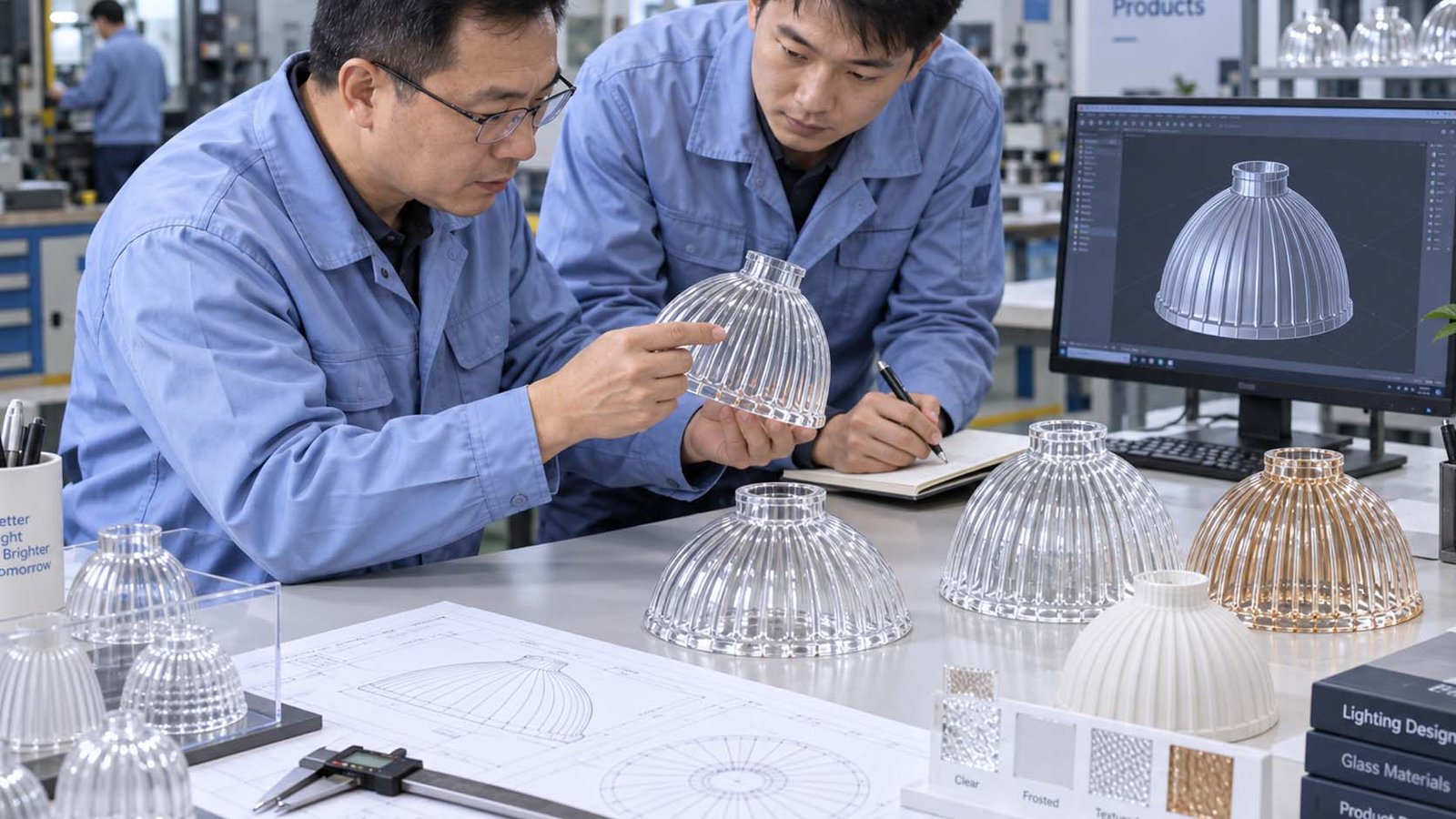
Dome Tooling
The mold is built around the approved section curve, crown height, supported base diameter and any flange or step.
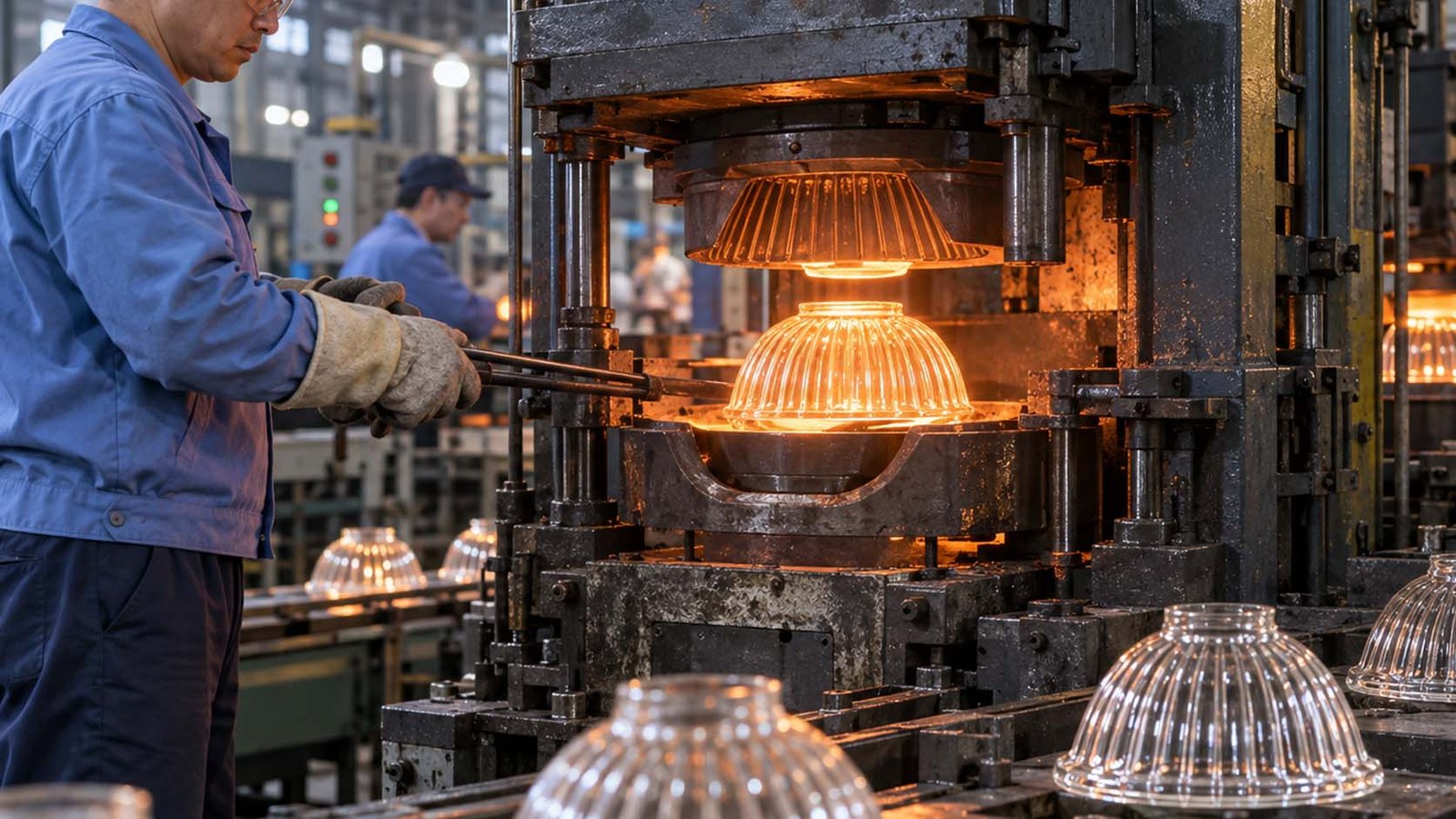
Dome Forming
The glass charge is formed to control crown position, wall distribution and the open-base profile.
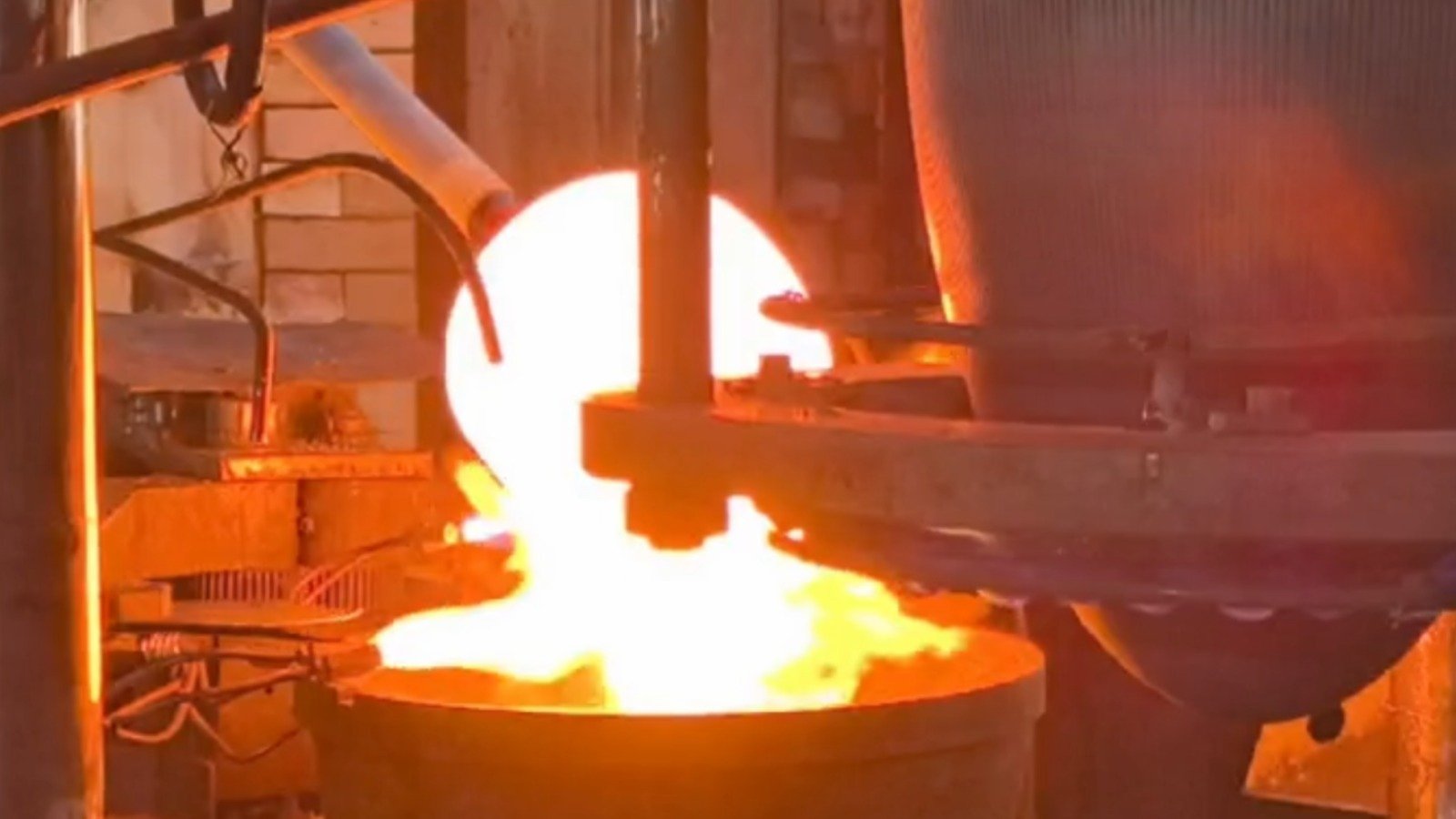
Annealing
A controlled cooling cycle reduces forming stress, with added attention to the transition between the dome and base rim.

Rim and Surface Finishing
The base finish is defined by the drawing, while compatible domes can receive sandblasting, coating or strengthening.
Applications
- Outdoor and landscape lights: weather-exposed covers seated in a housing
- Industrial and equipment lights: protective domes around lamps or LED modules
- Ceiling and wall fixtures: clear or diffusing shallow domes
- Automotive and utility lighting: ribbed or optically structured molded covers
- Sensors and instruments: clear optical domes with a defined viewing zone
Glass Dome Lamp Shade FAQs
What is the difference between a dome and a globe shade?
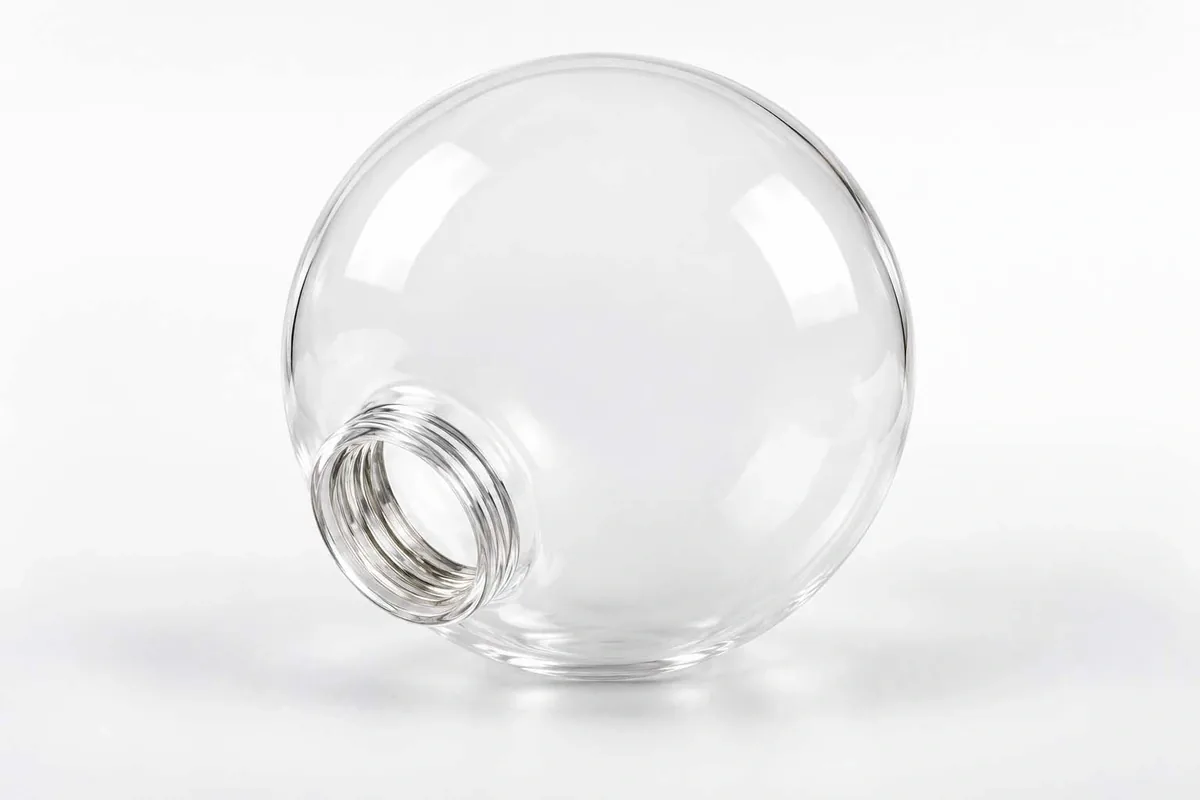
A dome has an open base and normally covers one side of the source. A globe surrounds more of the source and usually has a smaller mounting opening.
Can the base include a flange or step?
Yes. Flanges, seats and other locating features can be incorporated when the mold and wall transition are feasible.
Can a dome be clear or diffusing?
Clear, opal, textured, sandblasted or coated appearances can be reviewed. The feasible material-and-finish combination is confirmed by sample and process review.
Can Lampoptics work from the complete housing?
Yes. The housing model or sample helps define the supported diameter, gasket contact and installed clearance.
Are domes suitable for tempering?
Some dome geometries may use physical or chemical tempering. The route and acceptance method are confirmed after the glass and profile are reviewed.