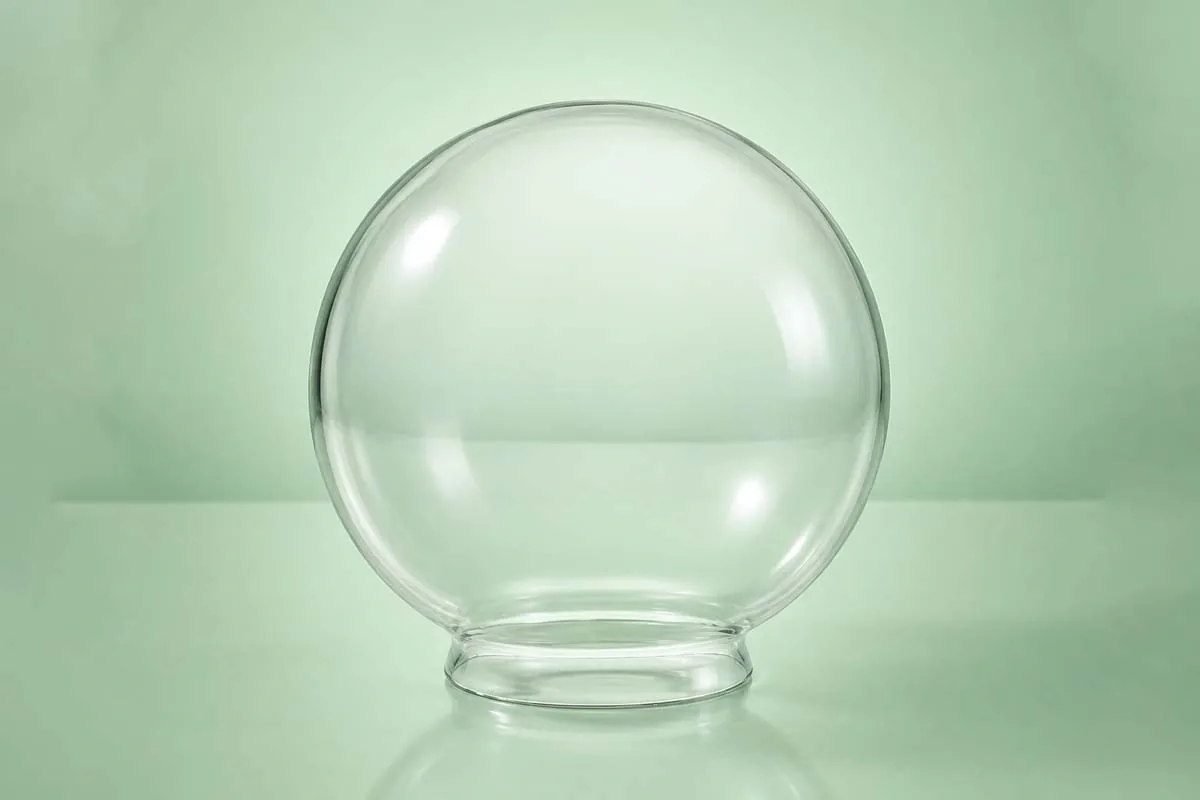
Custom Glass Globe Lamp Shades
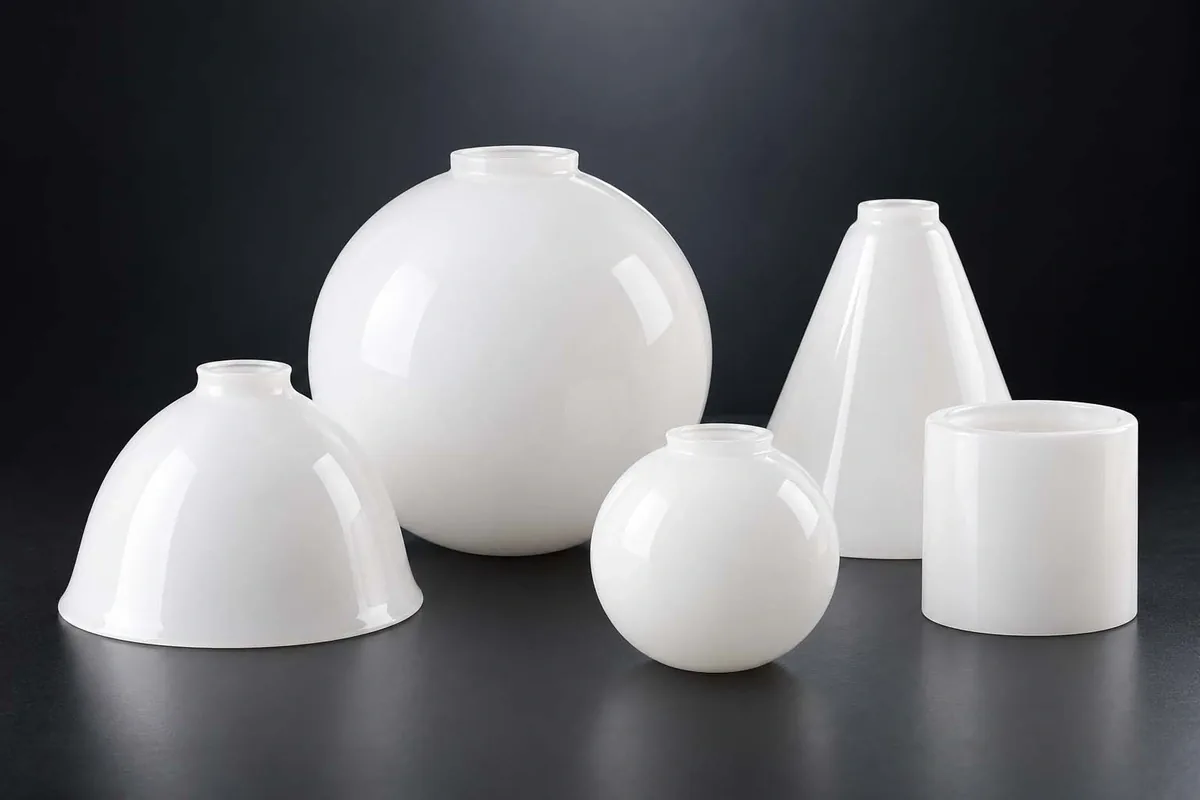
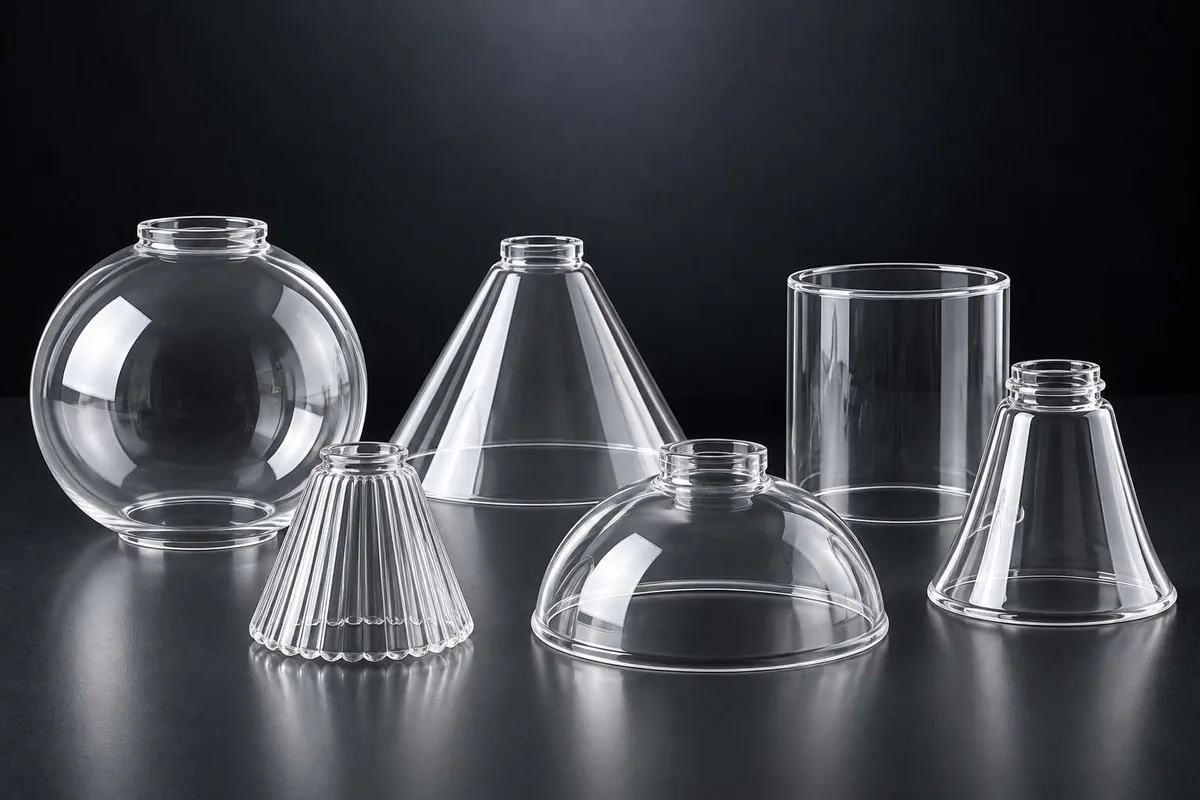
Glass globe lamp shades are spherical or near-spherical light covers used on pendants, chandeliers, wall lights, ceiling fixtures and decorative lighting assemblies. The globe may leave the lamp visible through clear glass or create a continuous luminous surface with opal, frosted or colored glass.
China Lampoptics supplies project-specific glass parts from drawings or approved samples. Globe diameter, overall height, opening structure, glass appearance and the required surface finish are defined for each product. New tooling can be developed in the company's mold workshop.
Specification note: Numerical ranges shown on this page are preliminary engineering references for project screening. The quotation and approved drawing define the final material, dimensions, tolerances, processing route and inspection method.
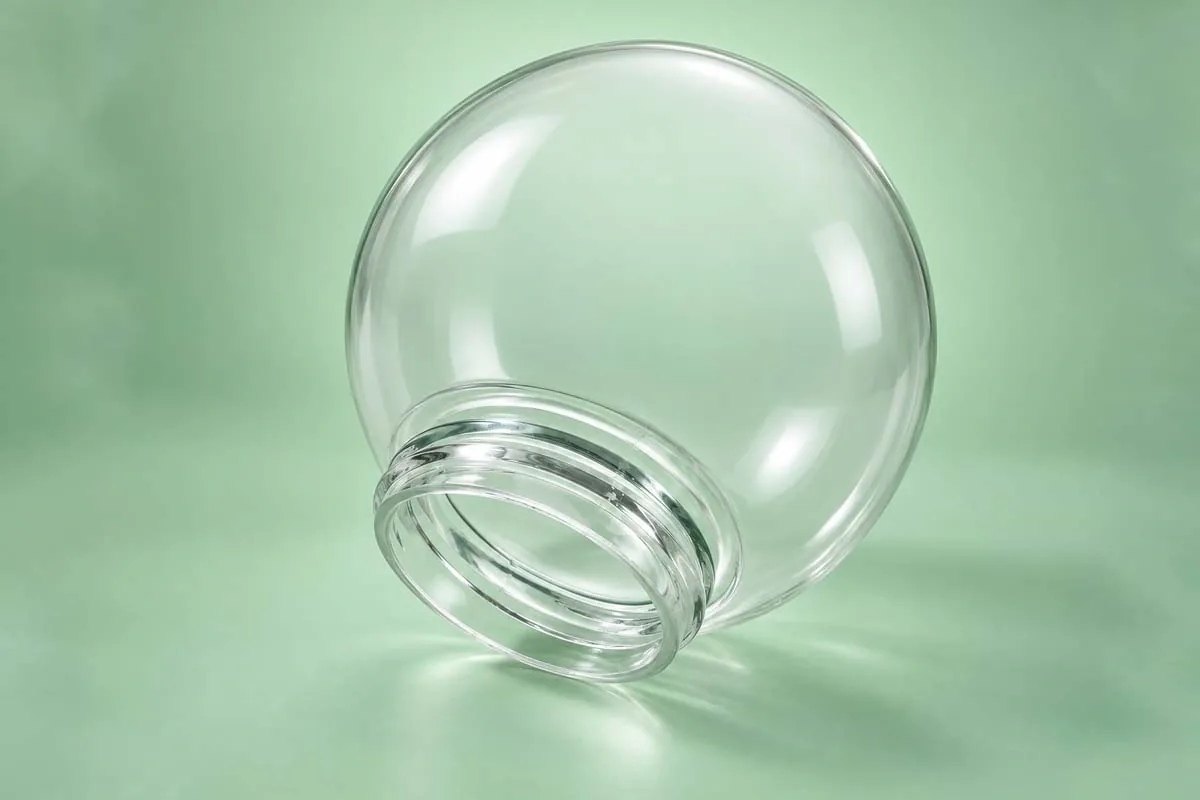
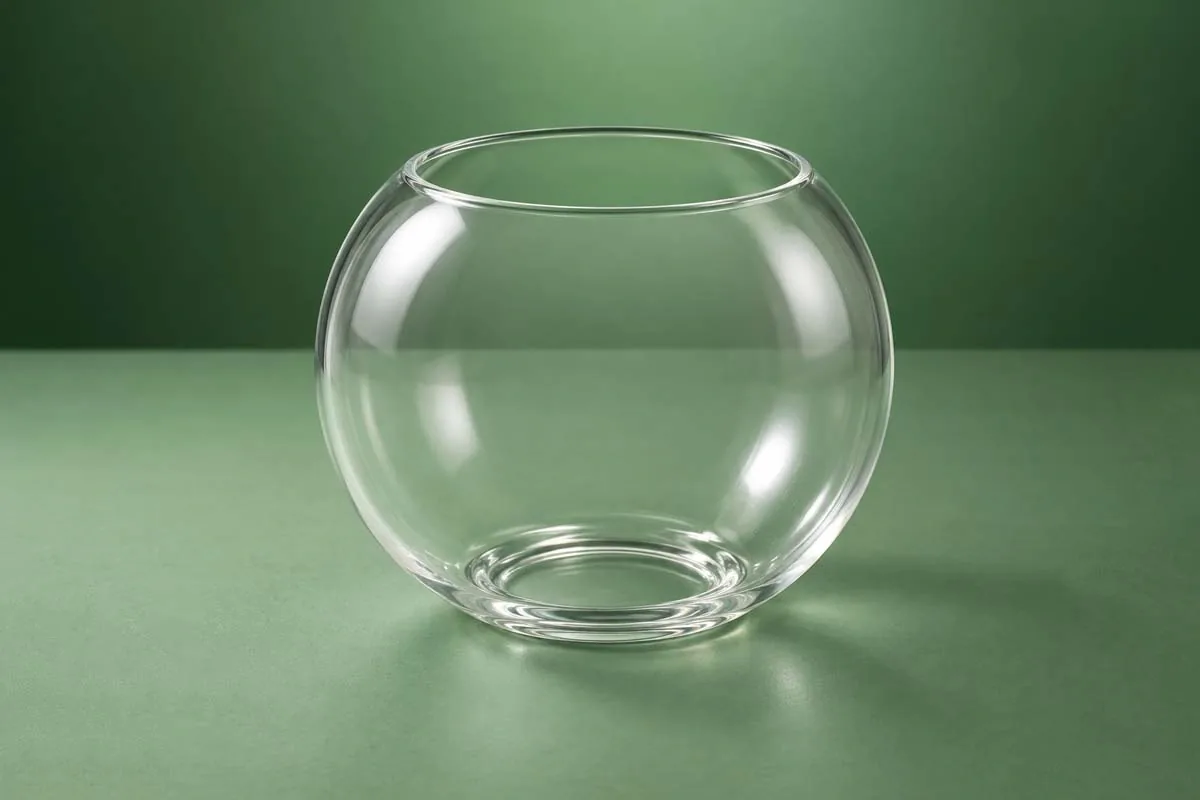
Globe Styles and Light Effects
| Globe style | Light and appearance | Typical fixture use |
|---|---|---|
| Clear glass globe | Keeps the bulb, filament or LED module visible and preserves a bright, transparent appearance. | Pendant lights, chandeliers and decorative fixtures with a visible light source. |
| Opal or milk glass globe | Scatters light through the glass body, softens glare and reduces visible LED hot spots. | Residential, hotel, restaurant and commercial ambient lighting. |
| Frosted glass globe | Adds surface diffusion while retaining more translucency than a fully opal glass body. | Wall lights, ceiling lights and contemporary decorative collections. |
| Colored or coated globe | Special color or coating is reviewed separately against an approved master sample; this page does not imply a stock color list. | Hospitality lighting, feature pendants and branded fixture ranges. |
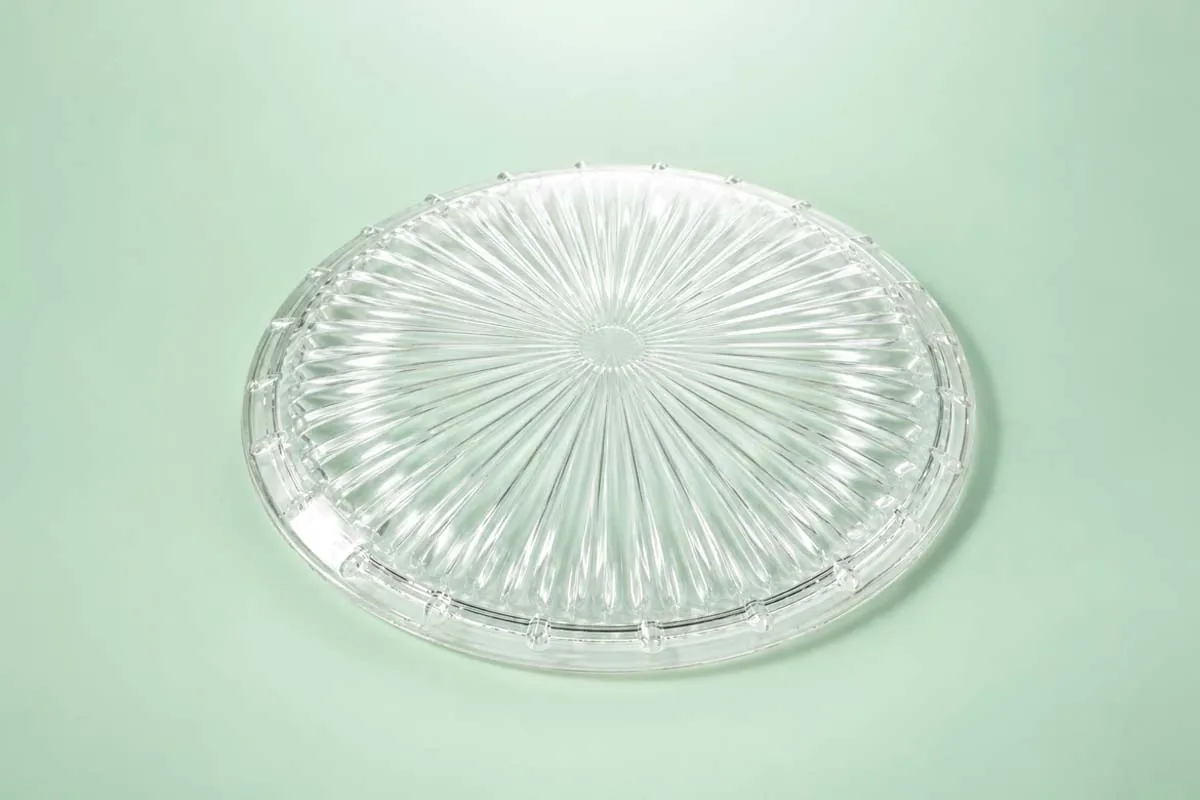
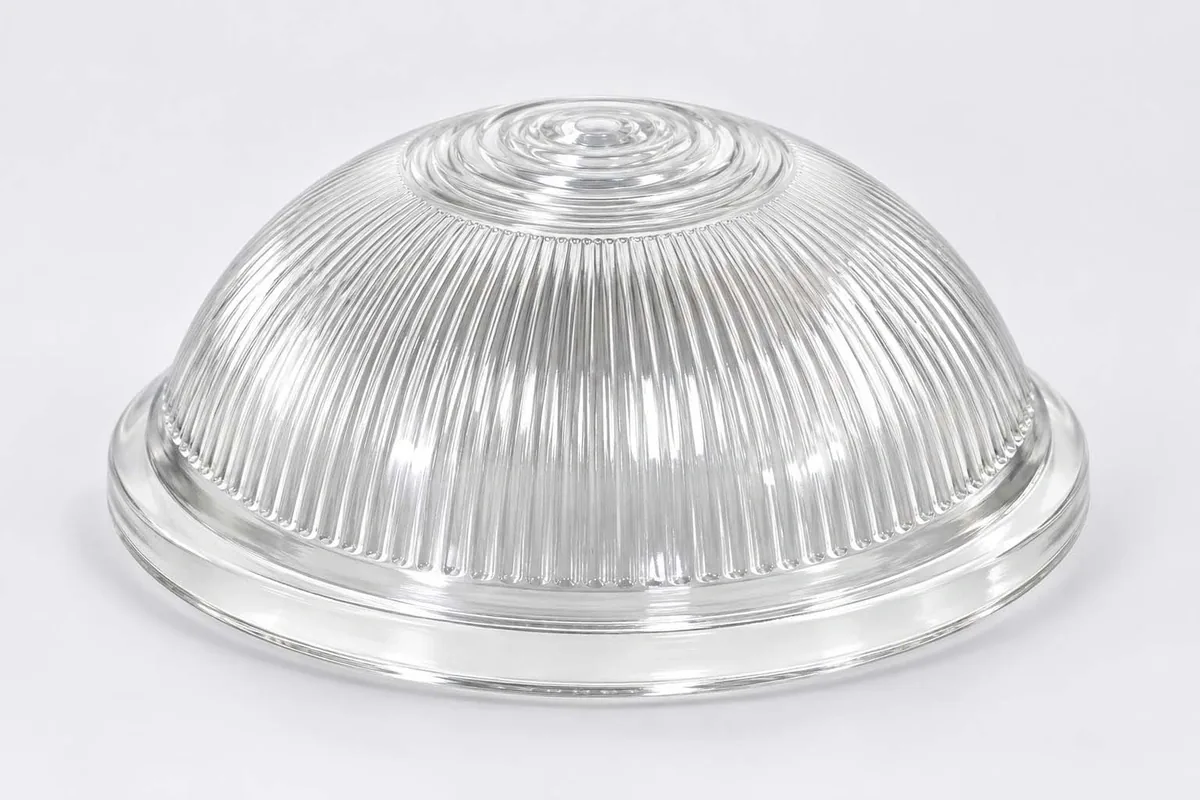
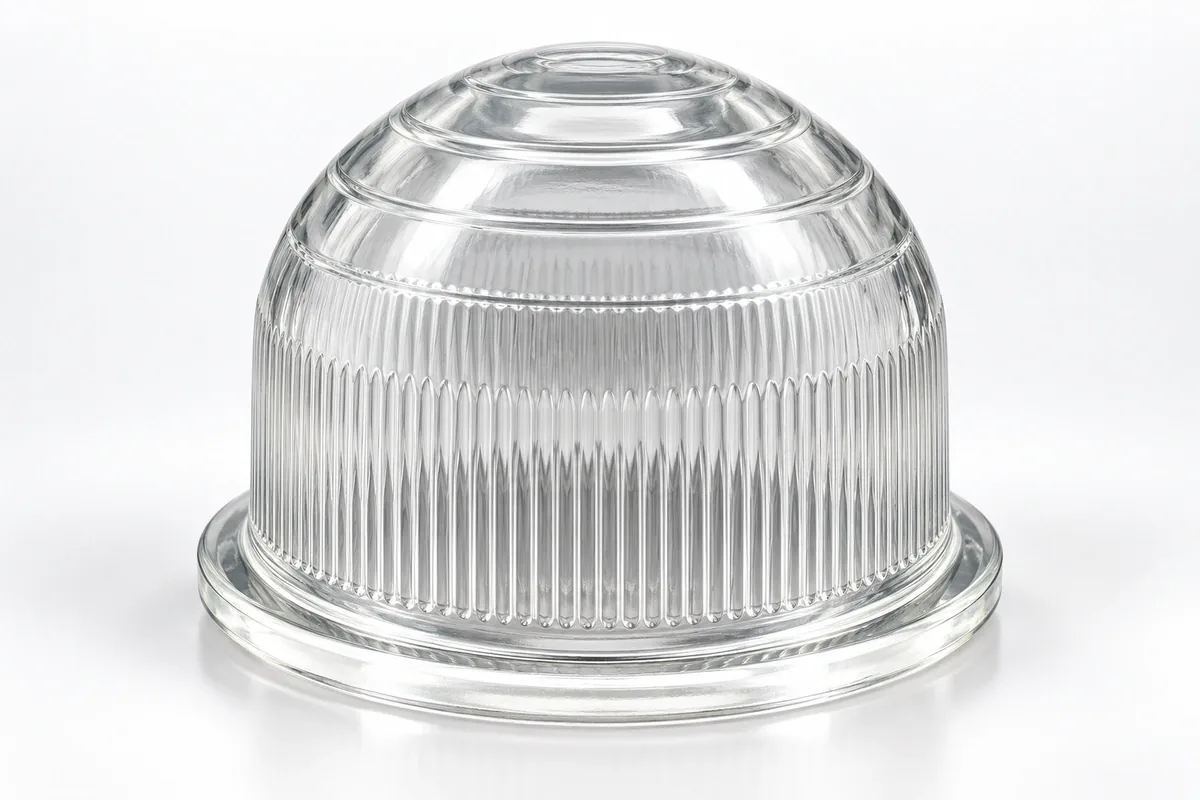
| Ribbed or textured globe | Uses a formed or finished surface to change reflections and make the glass itself a visible design feature. | Vintage, industrial and decorative luminaires. |
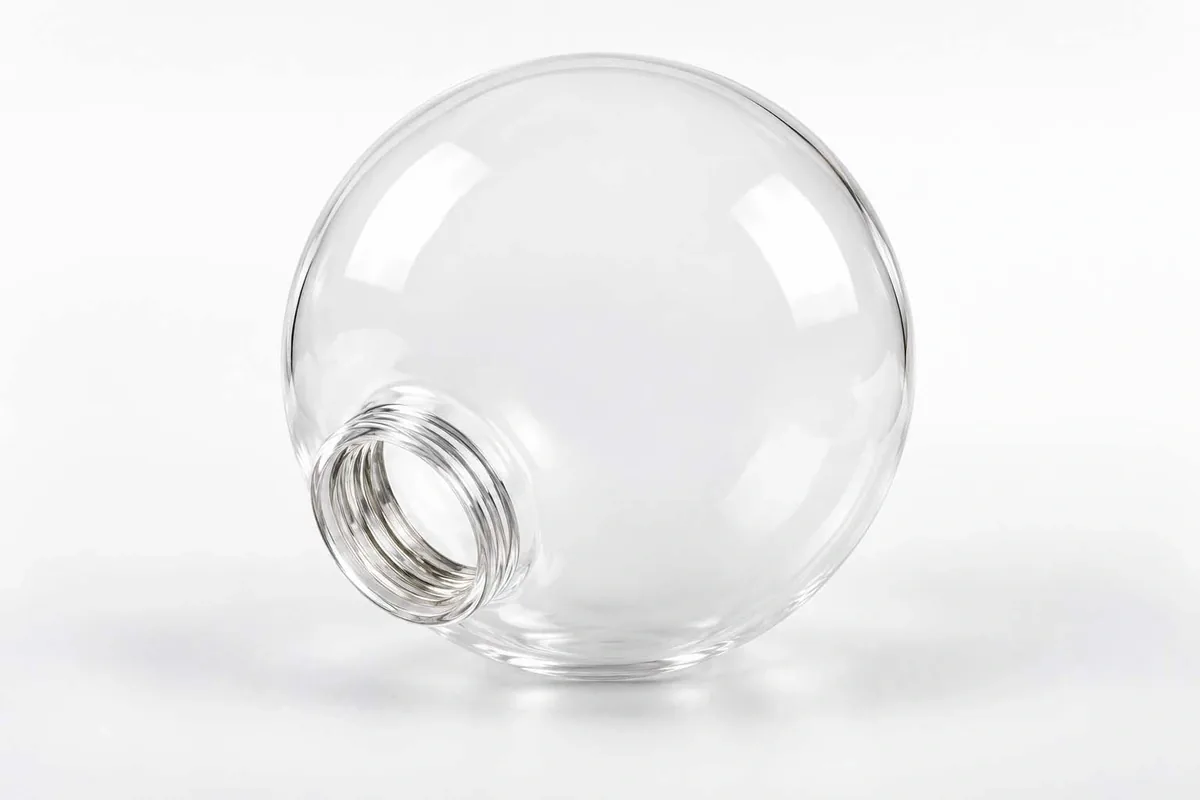
| Threaded or screw-on globe | Combines the globe body with a defined neck that engages the mating holder. | Fixtures that require repeatable replacement and concealed retention hardware. |
Globe Specifications
| Glass material | Selected for the application and confirmed with the quotation and material data |
|---|---|
| Shape | Spherical, flattened globe, elongated globe, ribbed globe or drawing-defined profile |
| Outside diameter | Reference range Ø50–500 mm |
| Overall height | Made to the approved drawing; production limit confirmed after tooling review |
| Wall thickness | 2–5 mm reference range; about 3 mm is common |
| Opening or fitter | Ø42 mm fitter is a common example; threaded bases Ø18–30 mm, with final fit controlled by gauge |
| Forming method | Made to the approved drawing; production limit confirmed after tooling review |
| Edge finish | Defined by the drawing; feasible method confirmed during process review |
| Surface finish | Clear, opal or textured; sandblasting and coating available by project |
| Dimensional tolerance | Acceptance requirement stated on the drawing; achievable level confirmed after process review |
The final drawing should distinguish the visible globe profile from the functional mounting dimensions. The opening diameter, neck height, seating surface and thread or retention feature determine whether the shade fits the fixture correctly.
Mounting and Fitter Options
- Plain opening: a cut or finished rim retained by a ring, clips or fixture collar.
- Neck or collar: a formed mounting section with a controlled outside diameter and seating height.
- Threaded neck: a screw-on interface developed to the mating holder or an approved fit gauge.
- Project-specific fitter: an opening, bead, flange or locating feature reproduced from a drawing or sample.
Fitter names such as E26, E27 or G9 do not by themselves define the glass interface. Lampoptics confirms the actual opening, neck and mating dimensions for the required fixture.
Tooling and Production Route
China Lampoptics operates dedicated lamp-glass, mold, optical-lens and tempering workshops. The factory has two electric furnaces, two electric annealing furnaces and three automatic production lines. Tooling can be developed from a customer drawing or an approved physical sample.
Available secondary processing includes physical tempering, chemical tempering, coating, sandblasting and drilling. The compatible operations depend on the glass grade, wall thickness and globe geometry. The approved process route for each globe is recorded with the product drawing and sample.
Glass Globe Processing
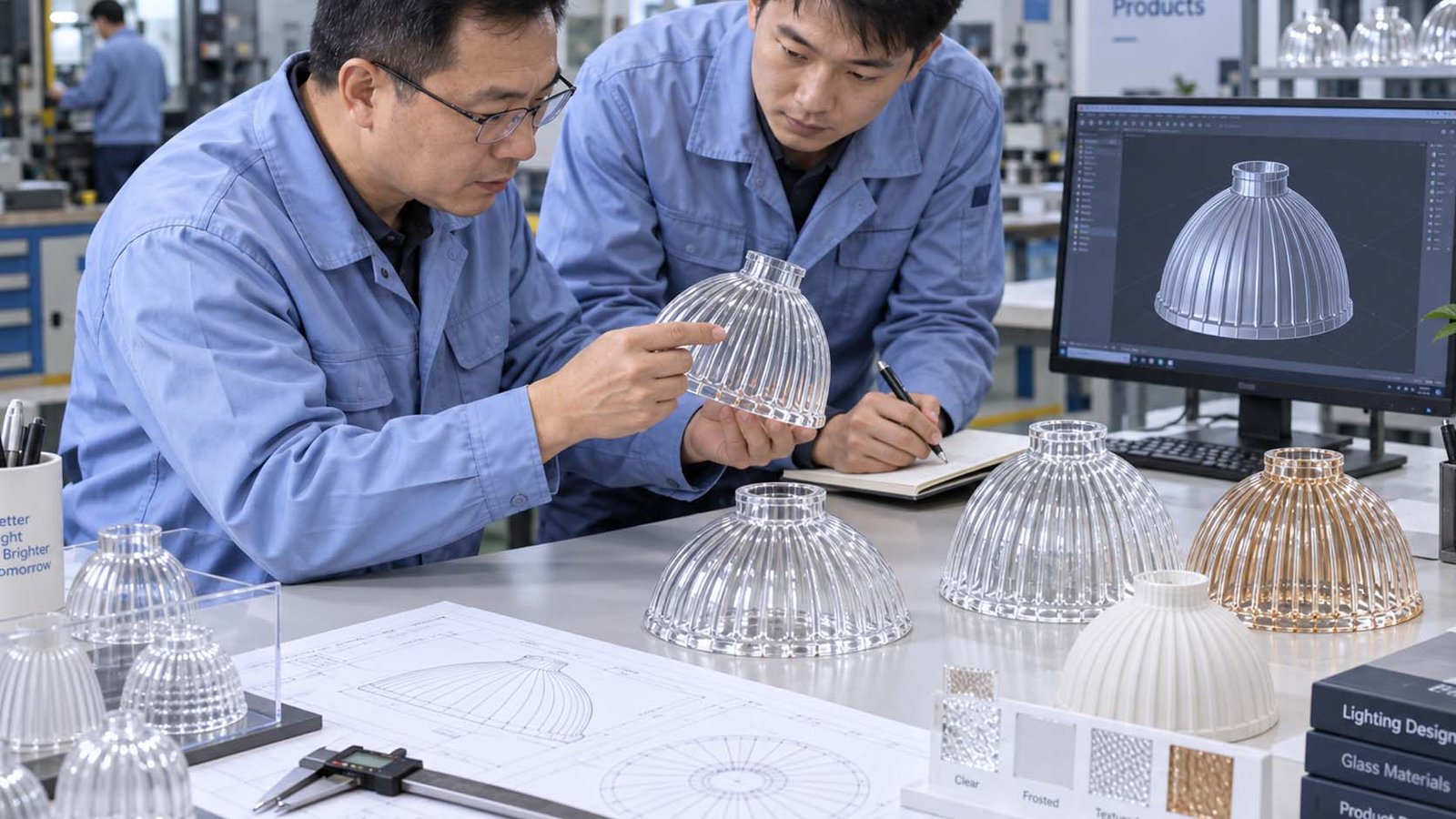
Globe Mold Development
The globe profile, opening and fitter geometry are converted from the approved drawing or sample into production tooling.
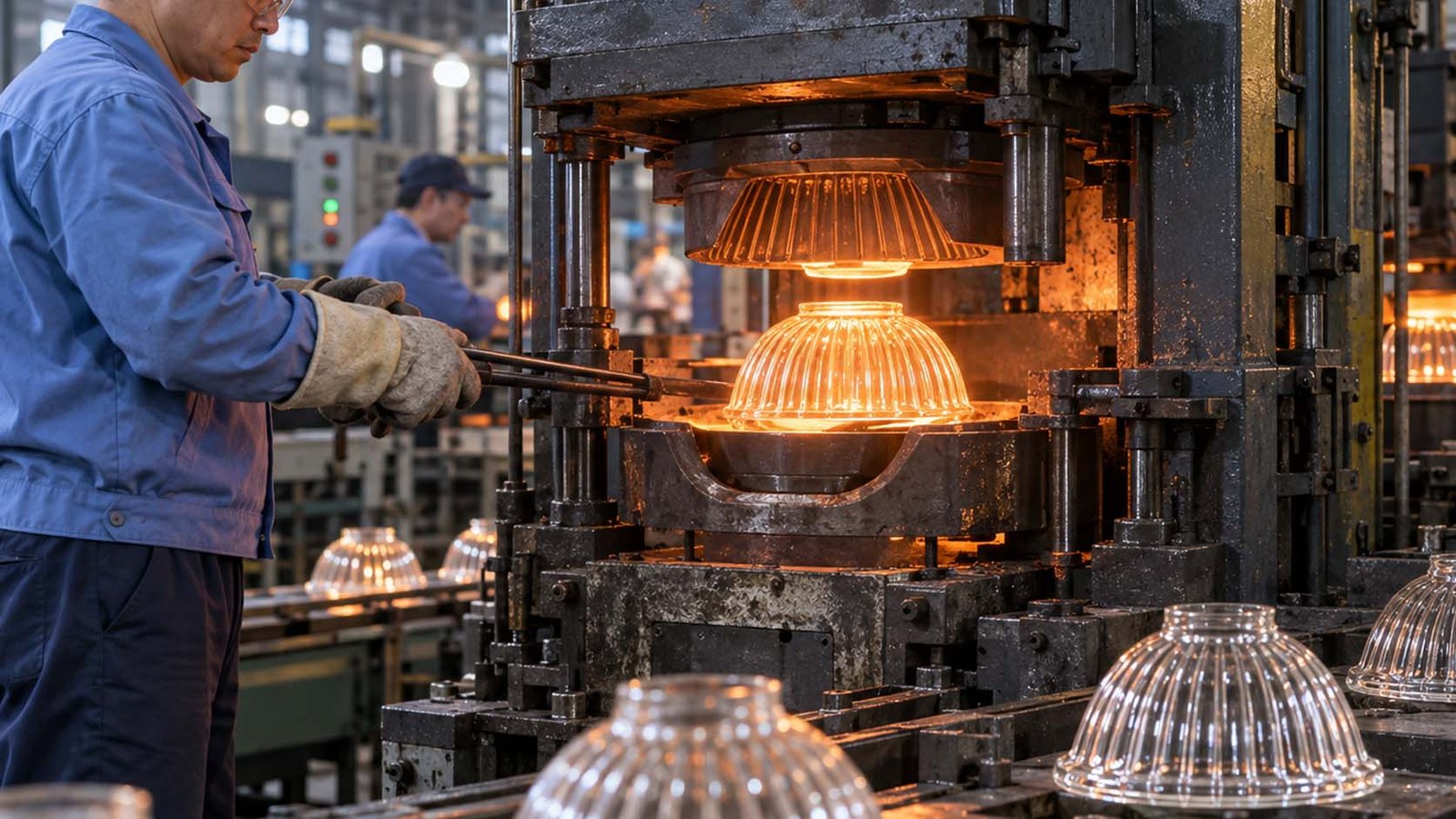
Glass Forming
The spherical or modified globe body is formed while controlling symmetry, wall distribution and visible surface quality.
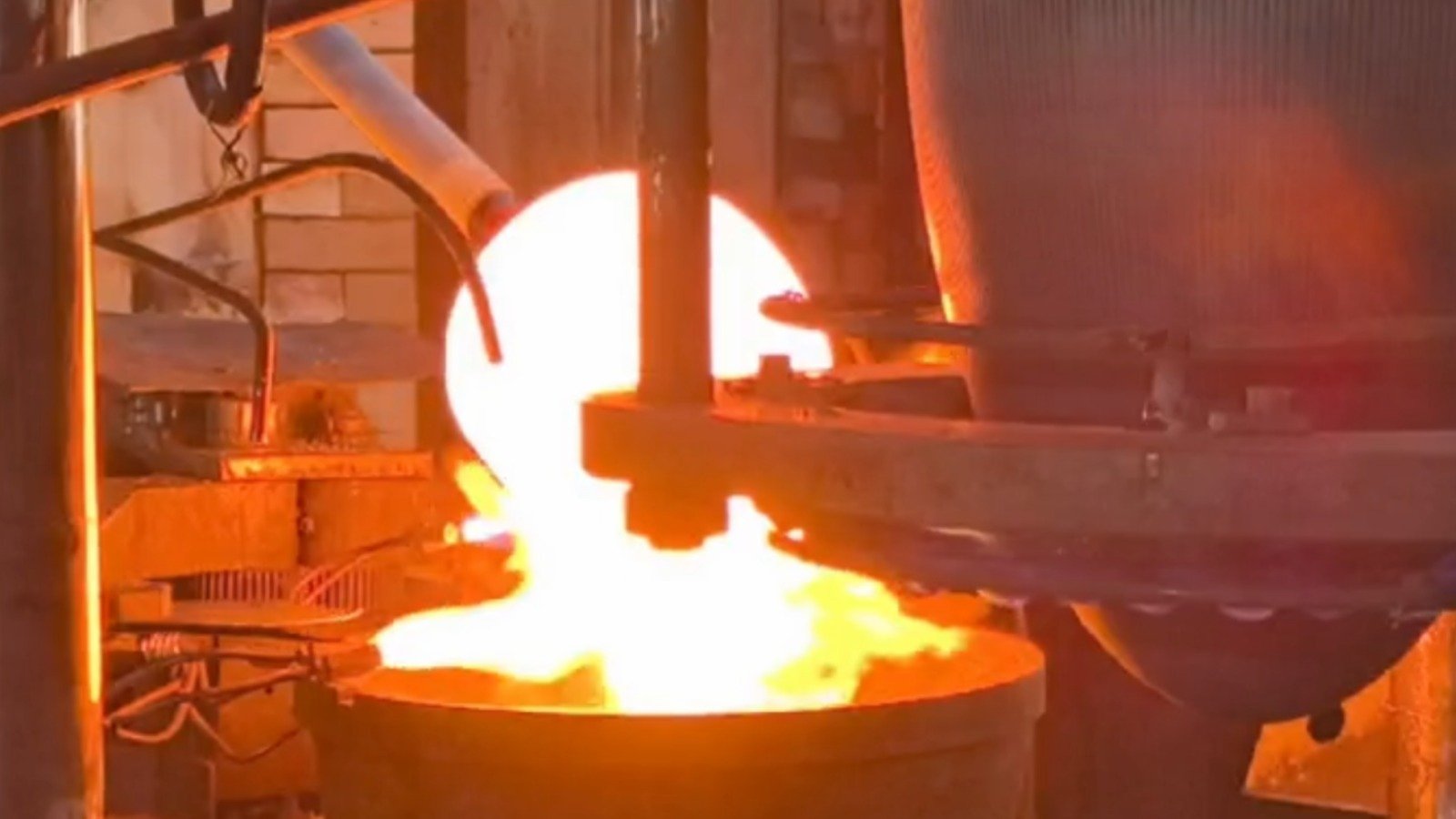
Annealing
The formed globe is cooled through a controlled annealing cycle to reduce residual stress in the body and neck.
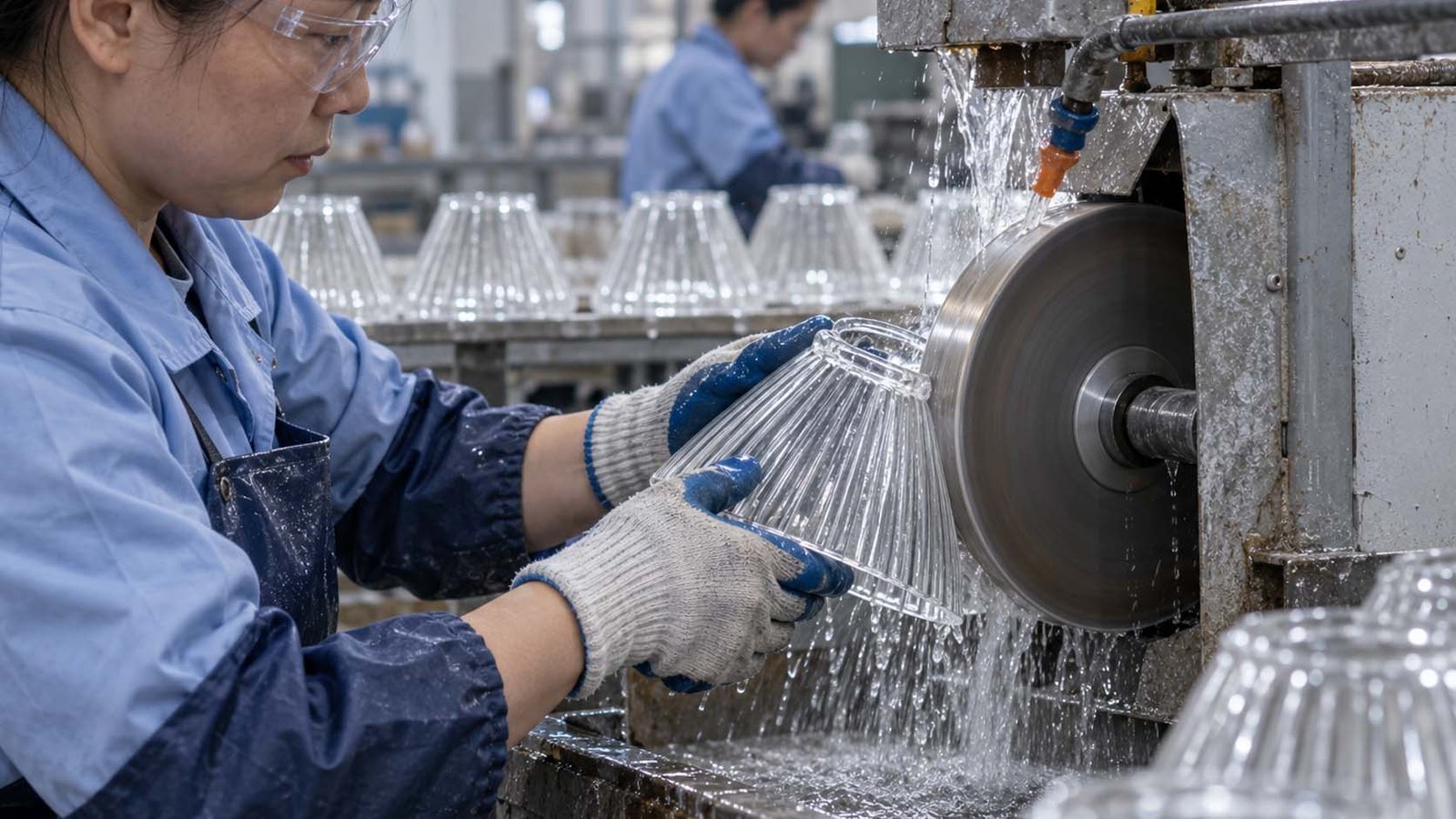
Opening and Finish
The opening, neck or threaded area is finished to the approved fit, followed by compatible frosting, coating, drilling or strengthening.
Applications
- Pendant lights and chandeliers: clear, opal, colored or textured globes used individually or in multi-light groups.
- Wall and ceiling fixtures: compact round shades with plain, necked or threaded mounting structures.
- Hospitality and commercial lighting: diffusing globes for guest rooms, restaurants, lobbies and retail interiors.
- Decorative lighting collections: coordinated globe sizes, colors and finishes for a complete fixture range.
- Replacement glass shades: reproduction of an existing globe when the sample and mating dimensions are available.
Glass Globe Lamp Shade FAQs
What is the difference between clear and opal glass globes?
Clear glass keeps the light source visible. Opal or milk glass scatters light through the body of the shade, reduces direct glare and makes the globe appear as a more uniform luminous surface.
Can Lampoptics reproduce a globe from an existing sample?
Yes. China Lampoptics can use an approved sample together with the fixture or mounting dimensions to develop the mold and production drawing.
Can a glass globe be supplied with a threaded neck?
A threaded or screw-on neck can be reviewed against the mating holder, drawing or fit gauge. Feasible thread form and size are confirmed during tooling review.
Are frosted and colored finishes available?
Lampoptics has sandblasting and coating capability. Available body colors, coating systems and appearance limits are confirmed for the selected glass and product geometry.
Can glass globe lamp shades be tempered?
Physical and chemical tempering are available processes. The route for a globe is confirmed after glass composition, wall thickness, opening and shape are reviewed.
Which dimensions define a replacement globe?
The main dimensions are outside diameter, overall height, opening diameter, neck or collar height, seating position and any thread or retention feature. A physical sample is useful when the globe profile is not fully defined by those dimensions.