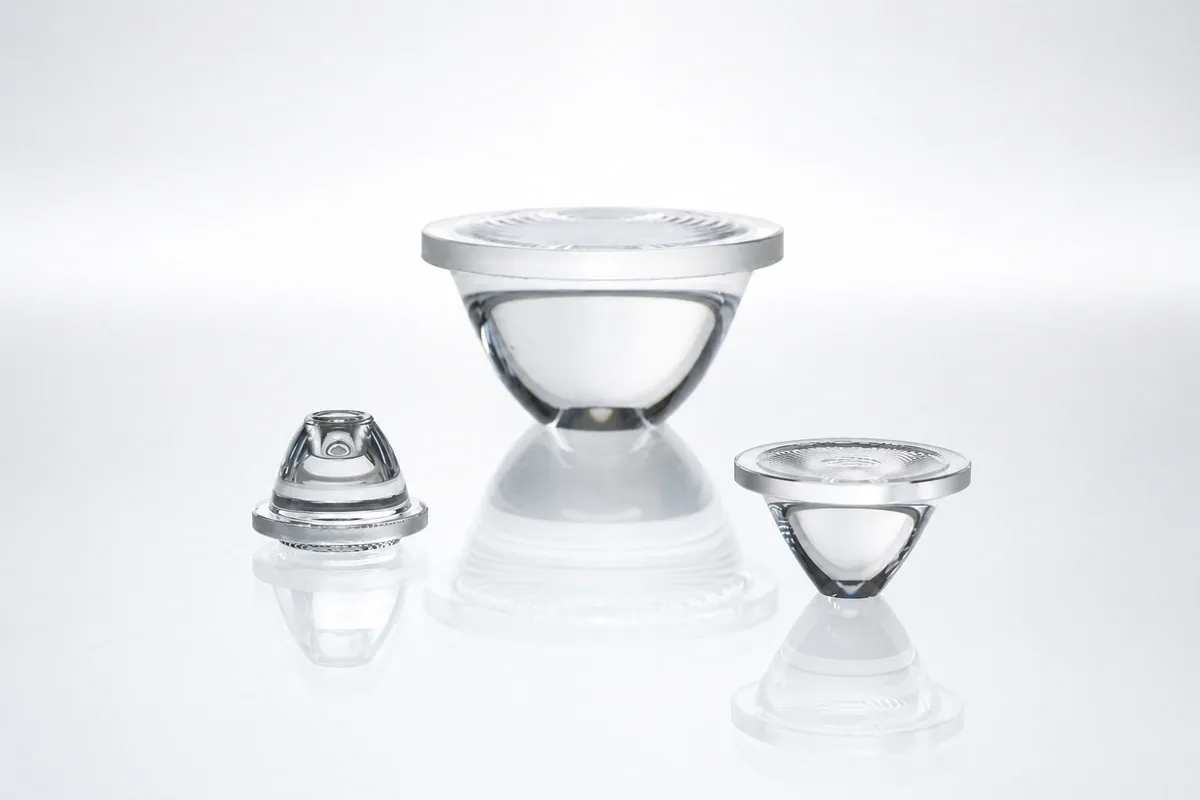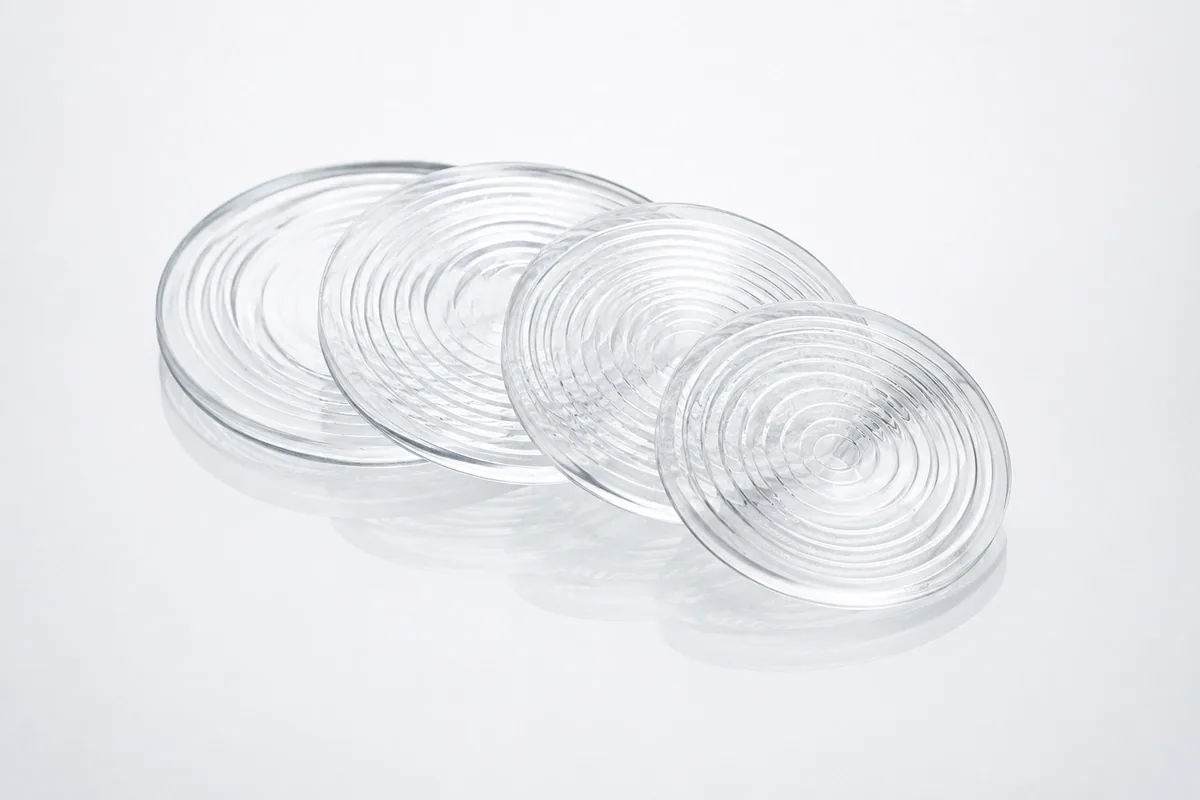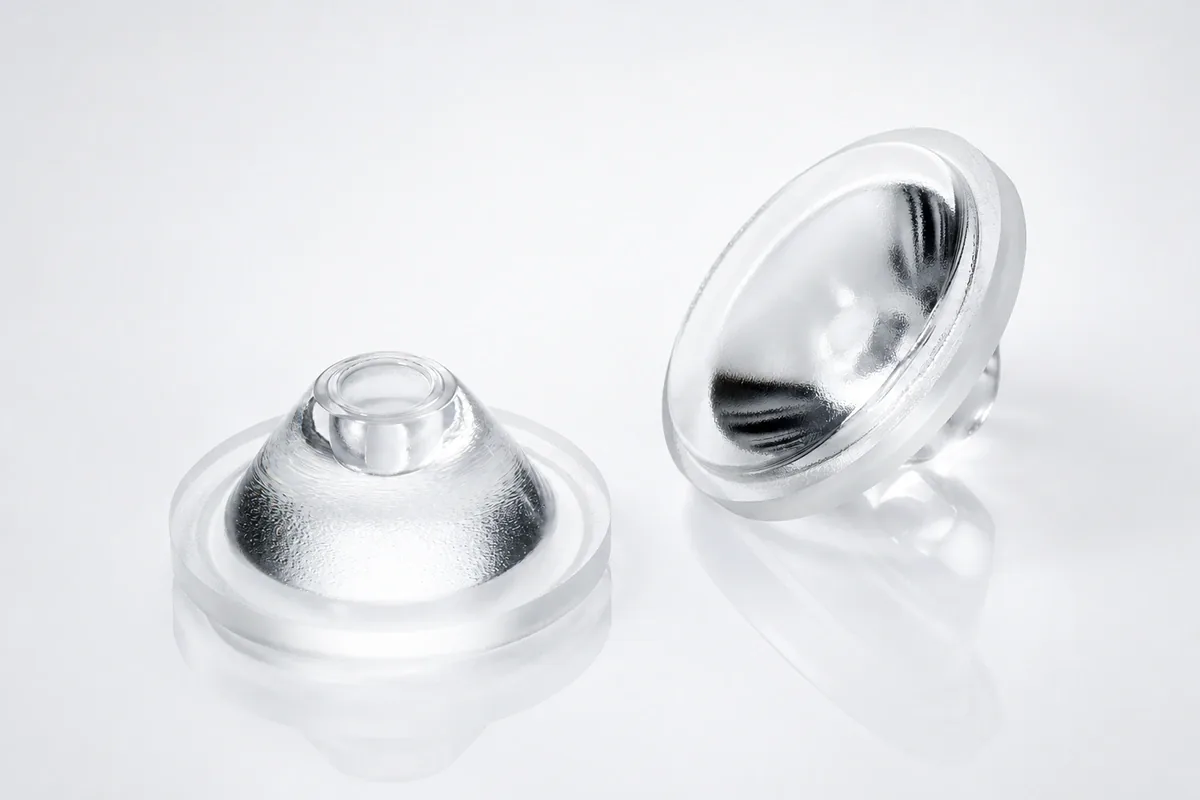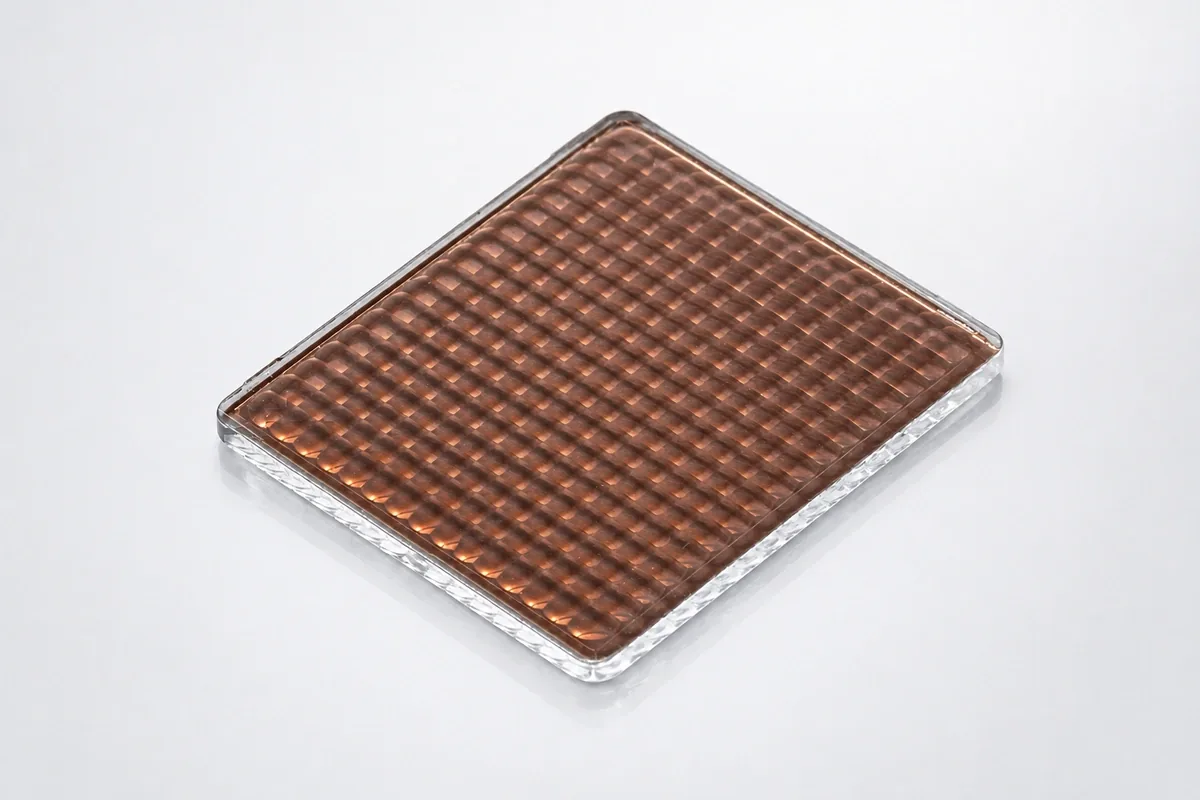
Custom Industrial Glass Lamp Covers
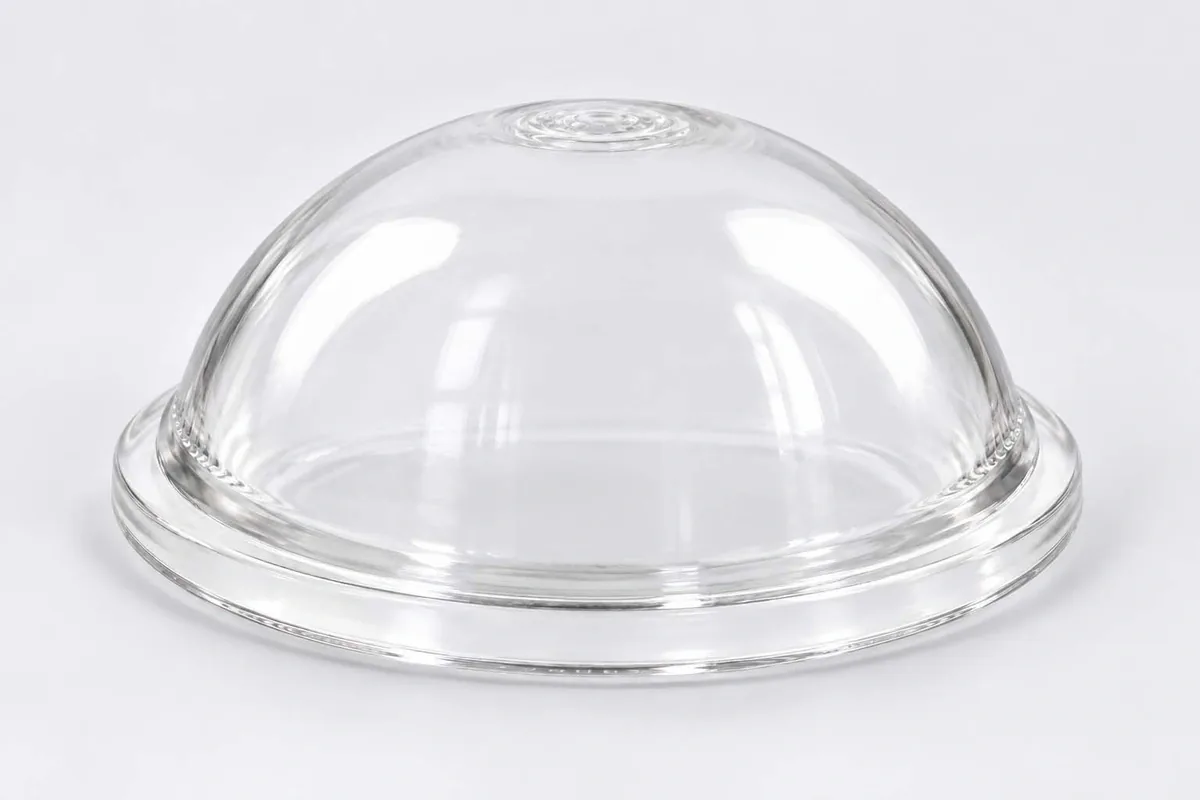
Industrial glass lamp covers protect a lamp or LED module from contact, dust, splash, heat or mechanical exposure while maintaining the required light output. Unlike a decorative shade, the cover is part of a housing and must be specified together with its gasket, support, retainer and operating environment.
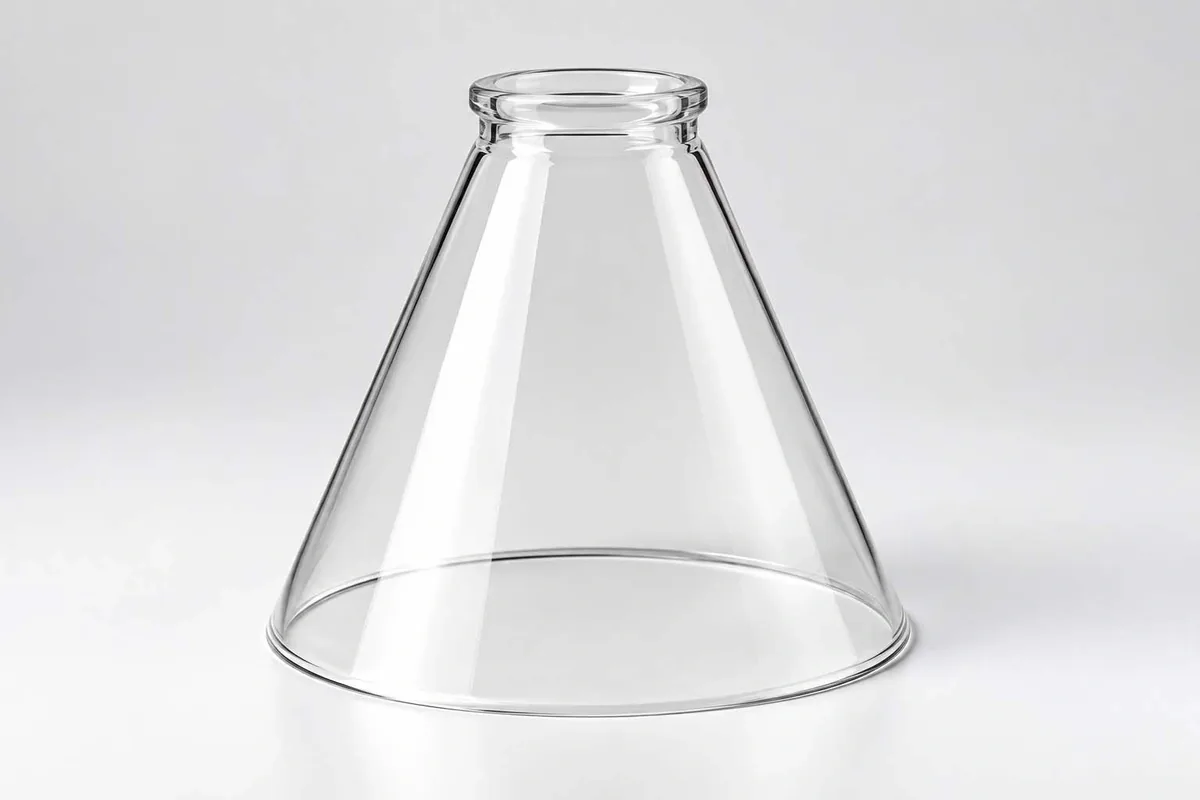
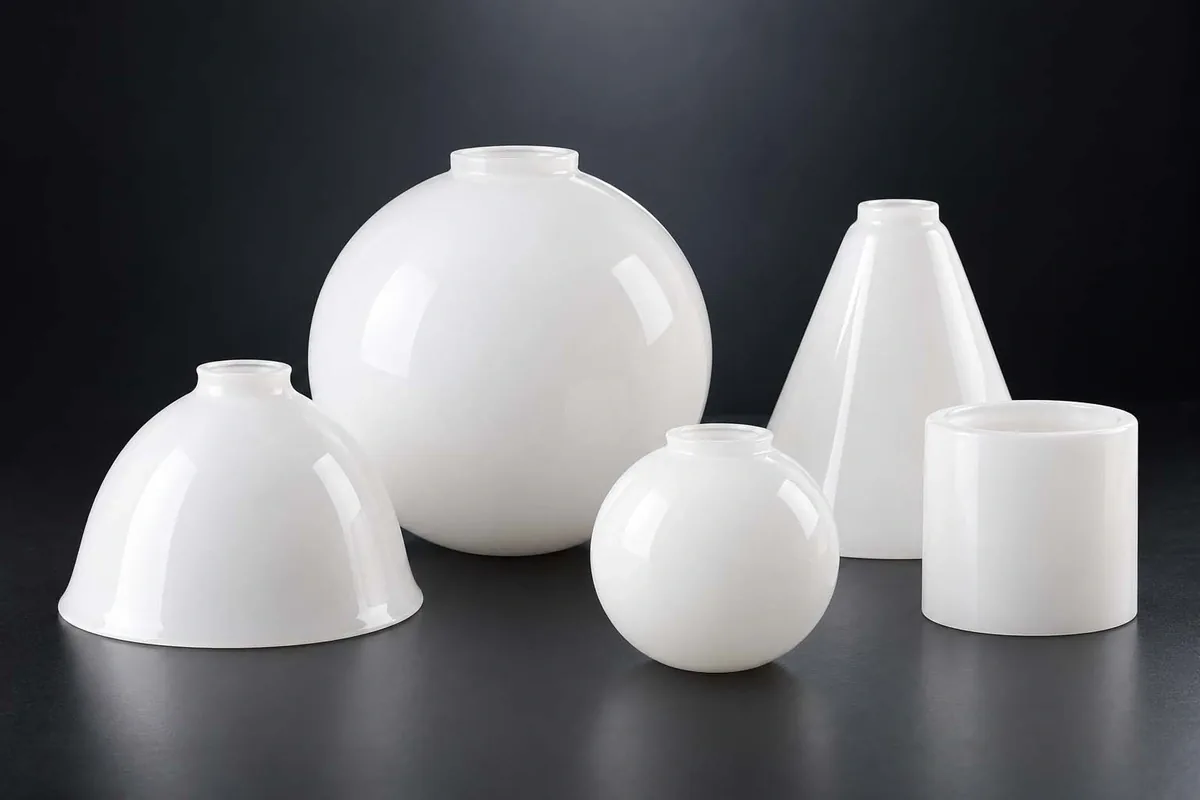
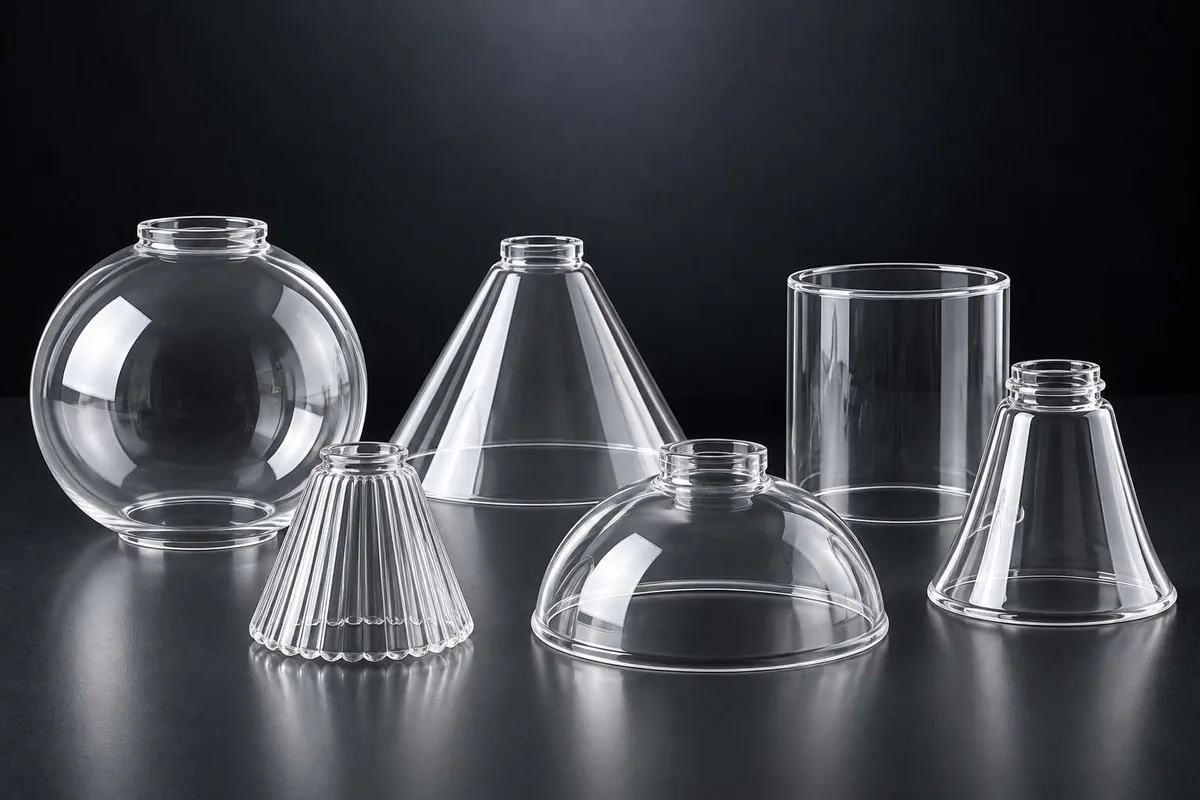
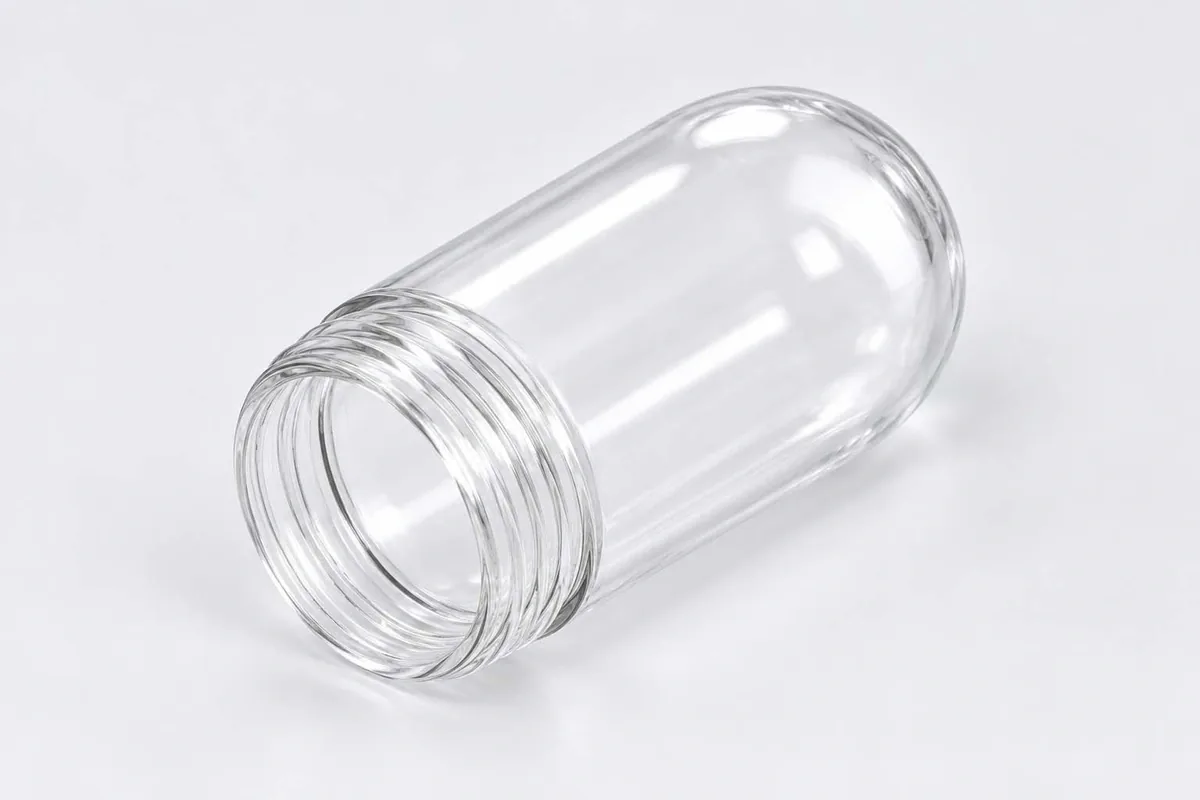
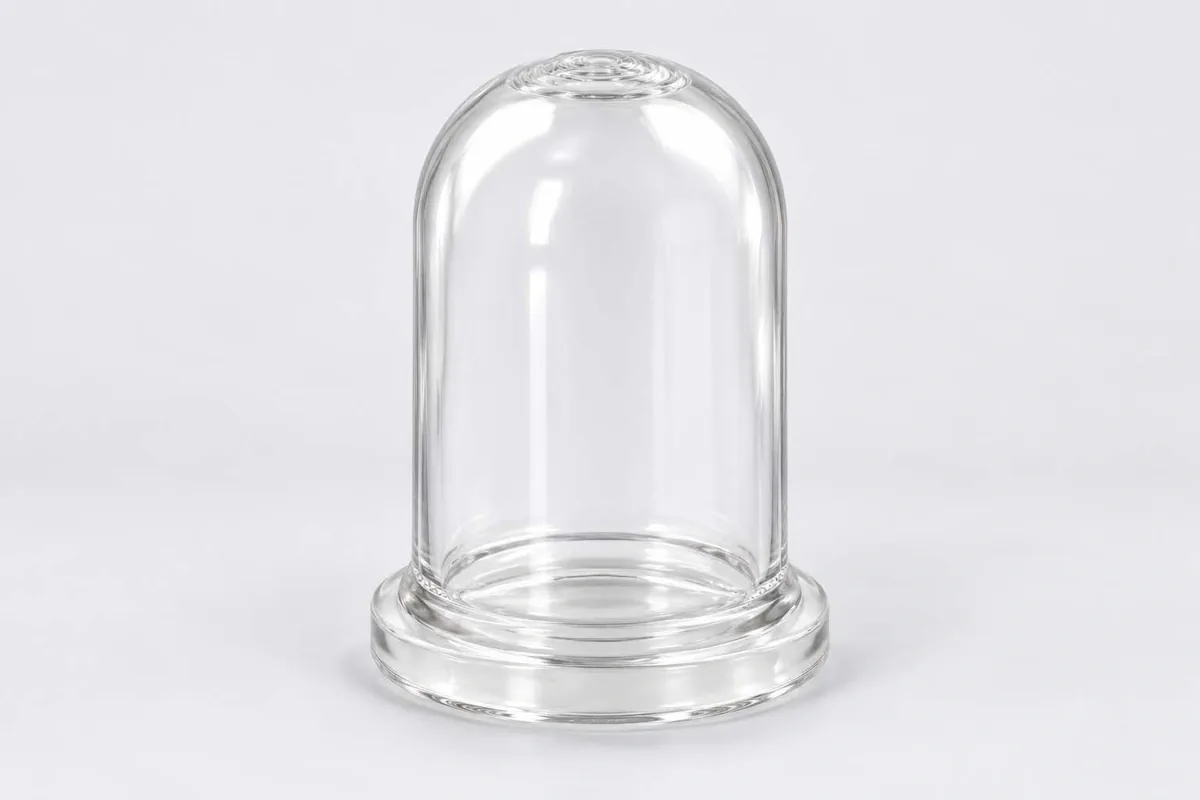
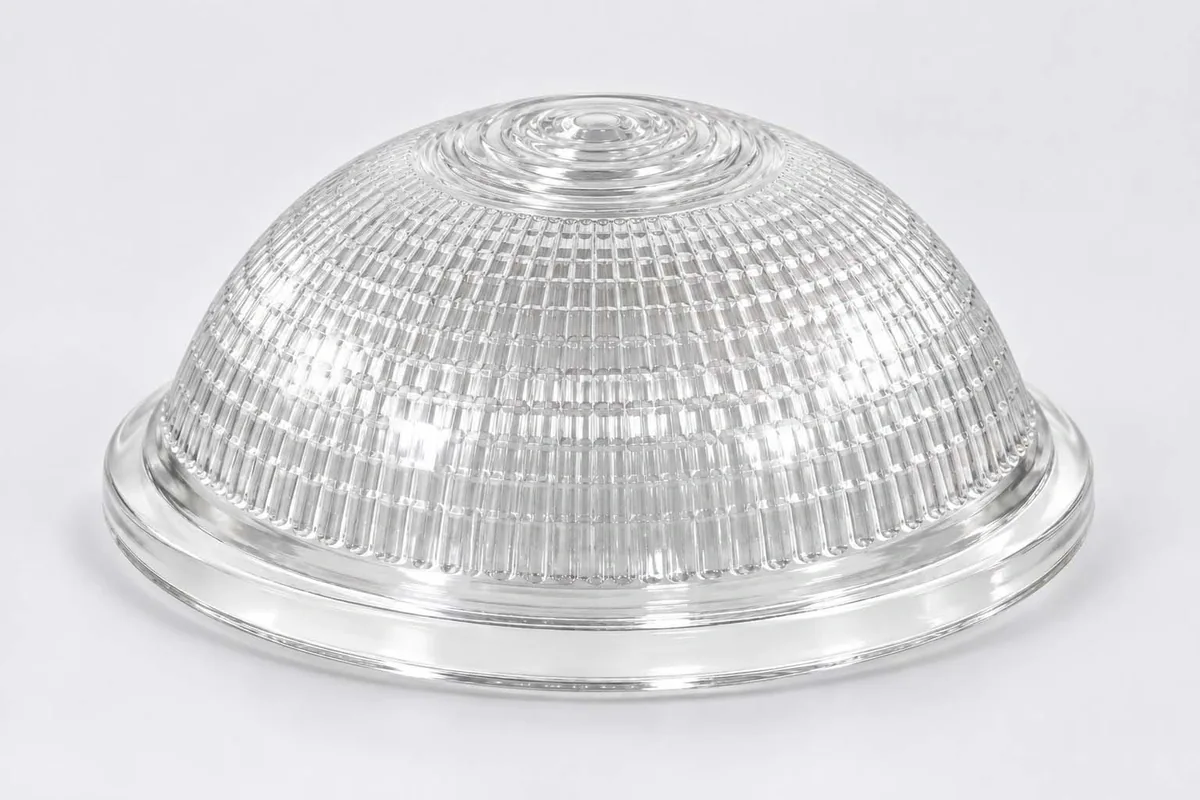
China Lampoptics develops molded and processed lighting glass for equipment, outdoor, vehicle and specialty fixtures. The cover format may be a dome, globe, cylinder, flat or stepped window, ribbed cover, flange or threaded part.
Specification note: Numerical ranges shown on this page are preliminary engineering references for project screening. The quotation and approved drawing define the final material, dimensions, tolerances, processing route and inspection method.
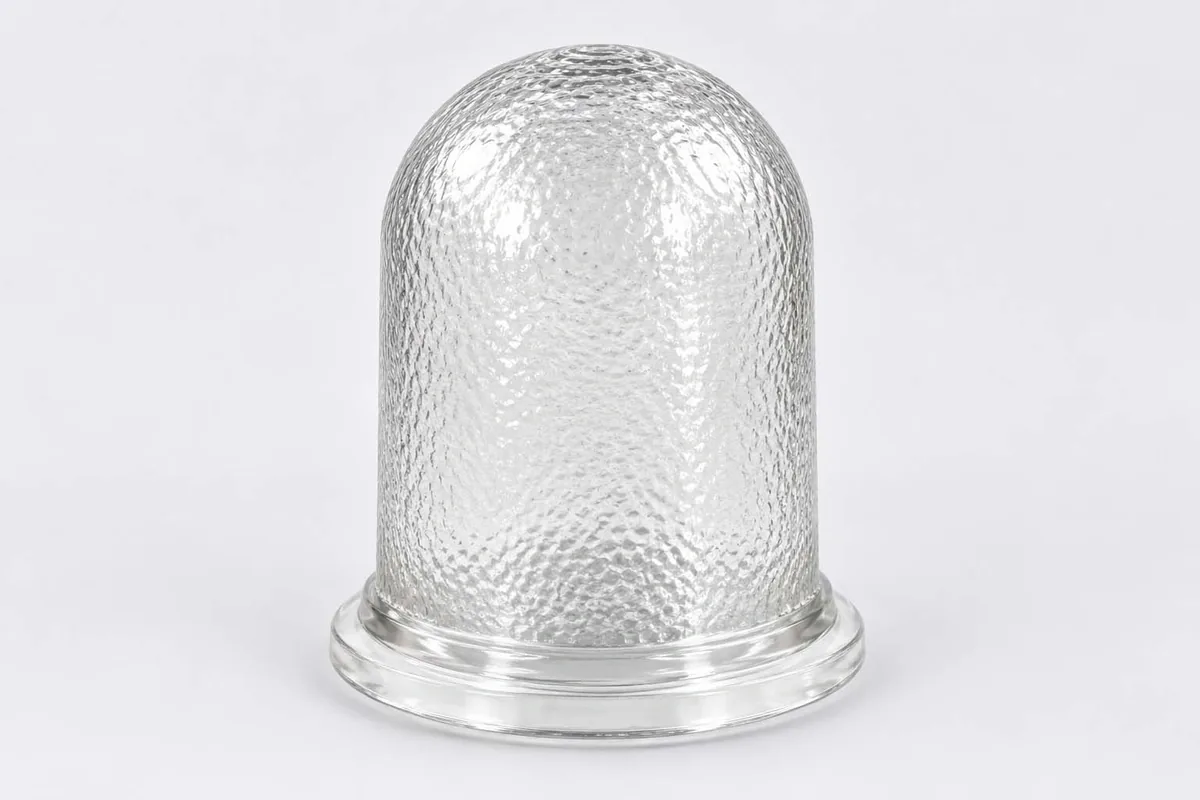
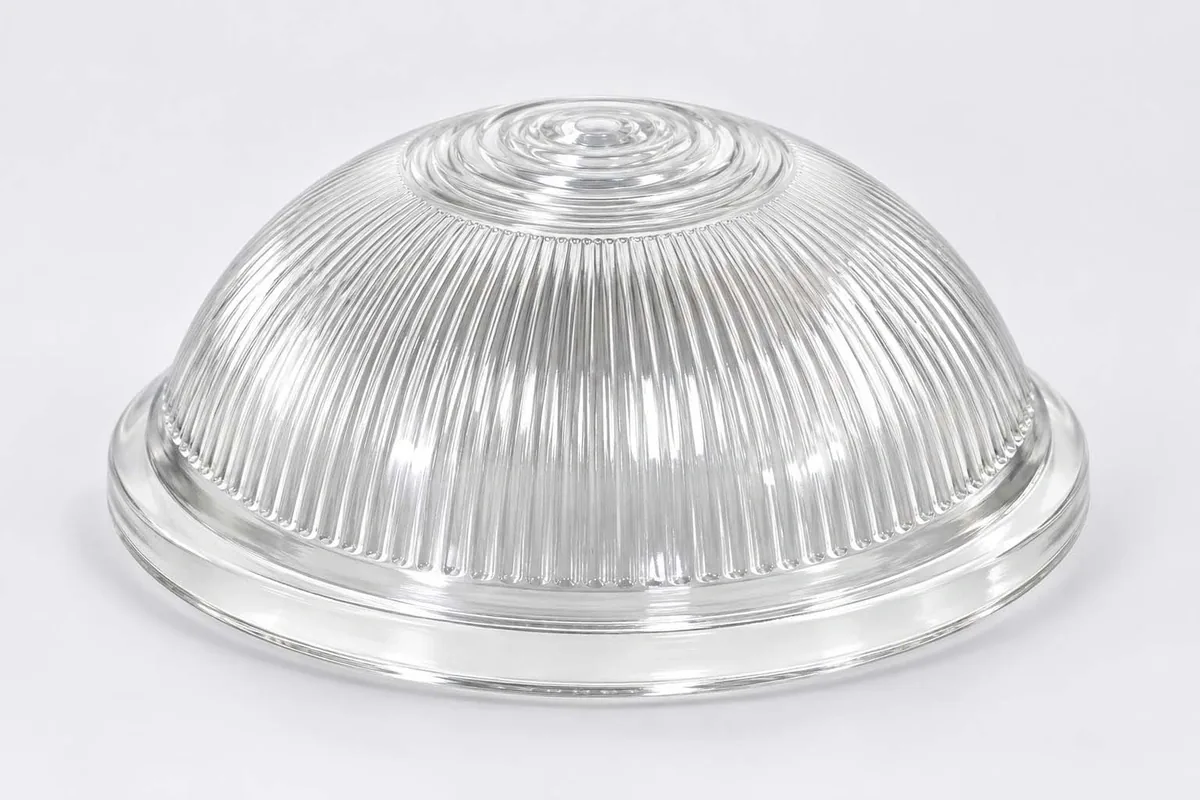
Industrial Cover Formats
| Format | Housing relationship | Typical use |
|---|---|---|
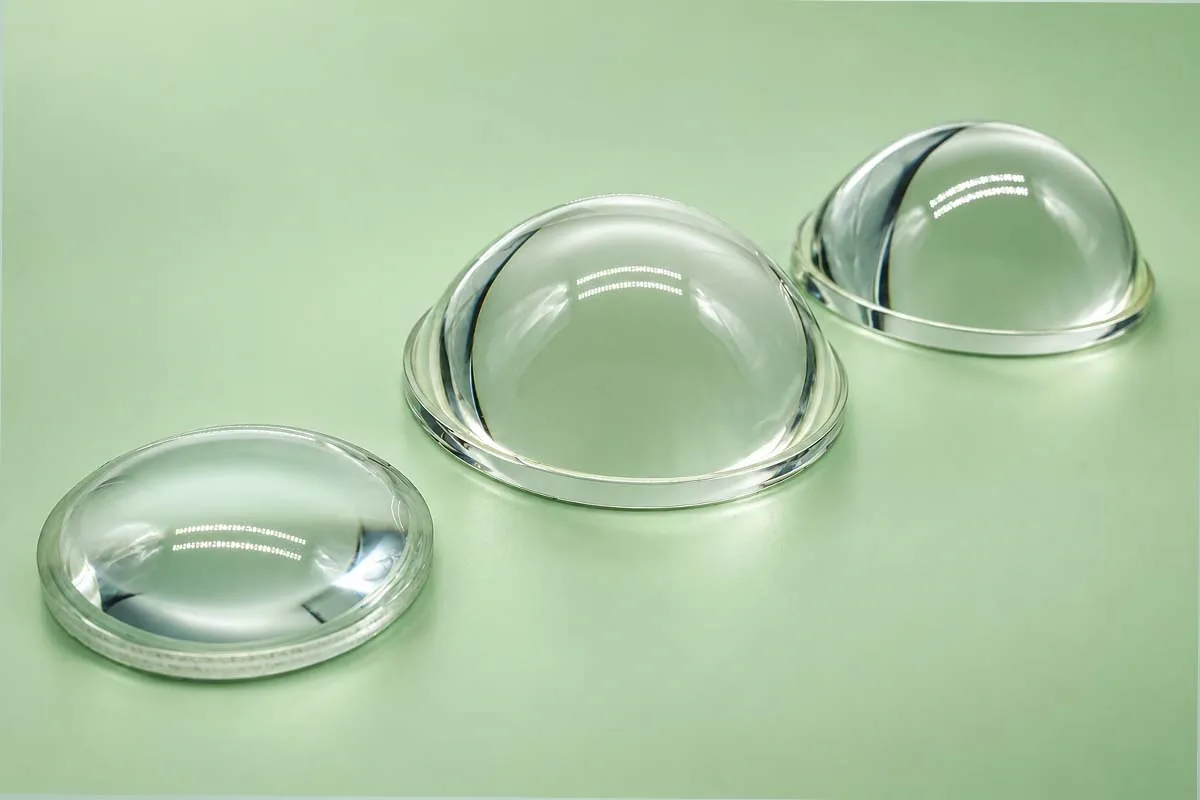
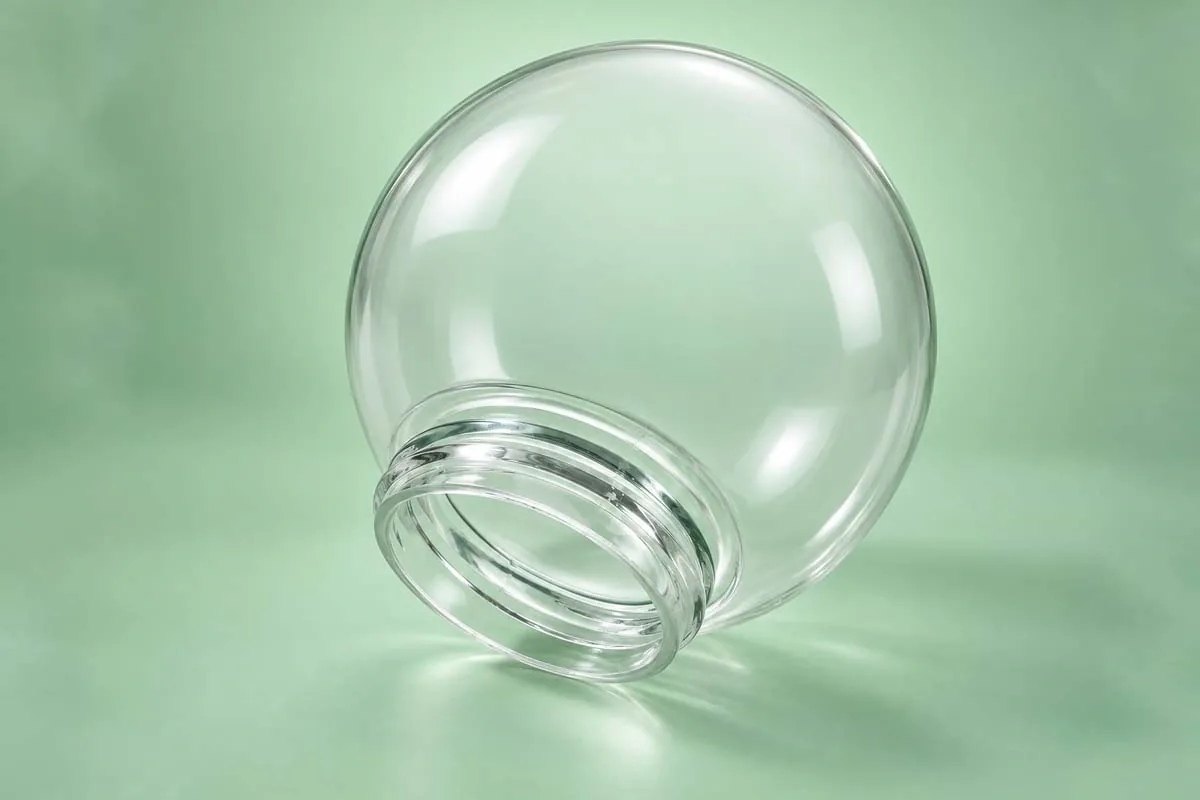
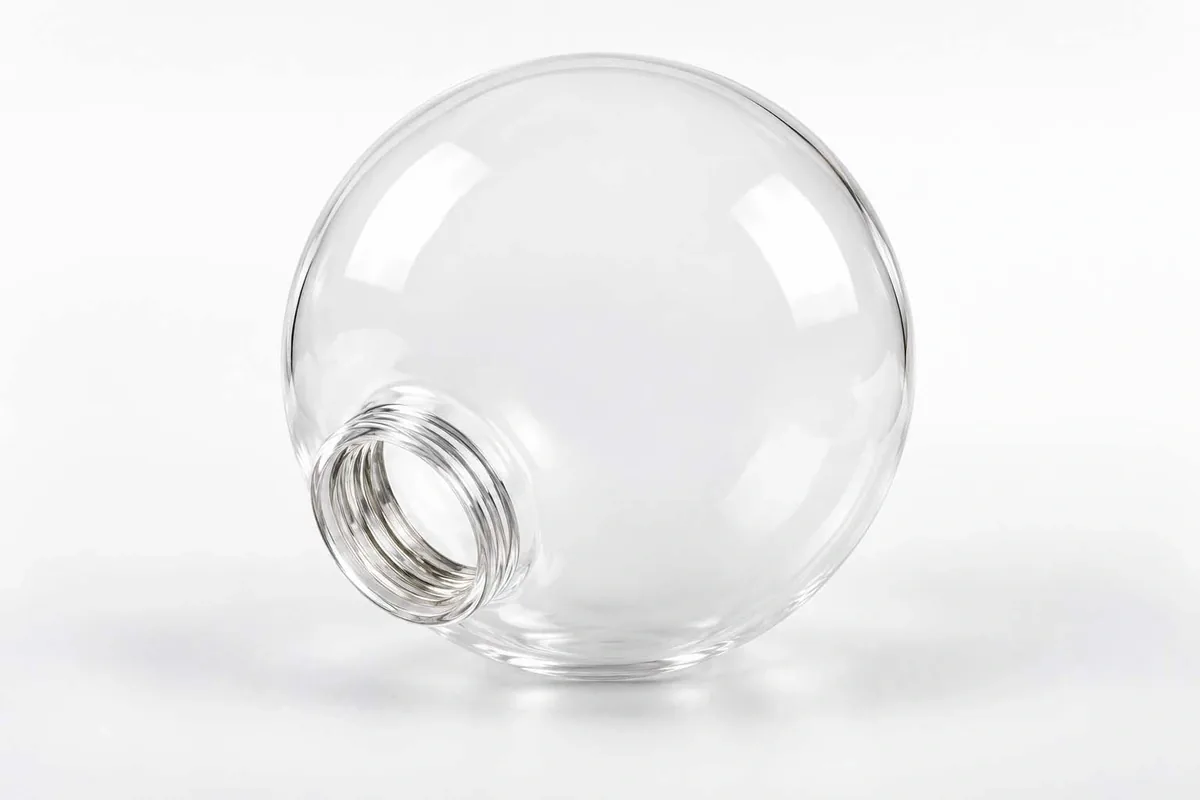
| Dome or globe | Curved body retained around an opening | Outdoor, machinery and utility lighting |
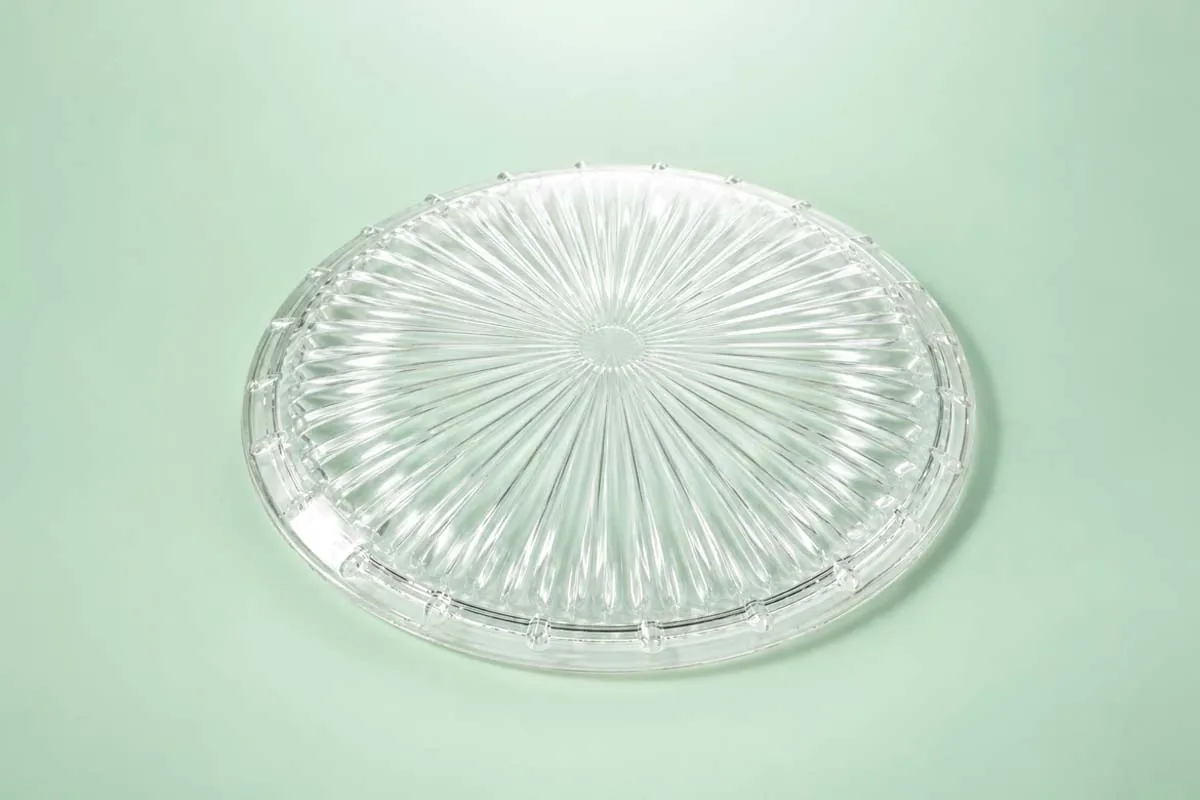
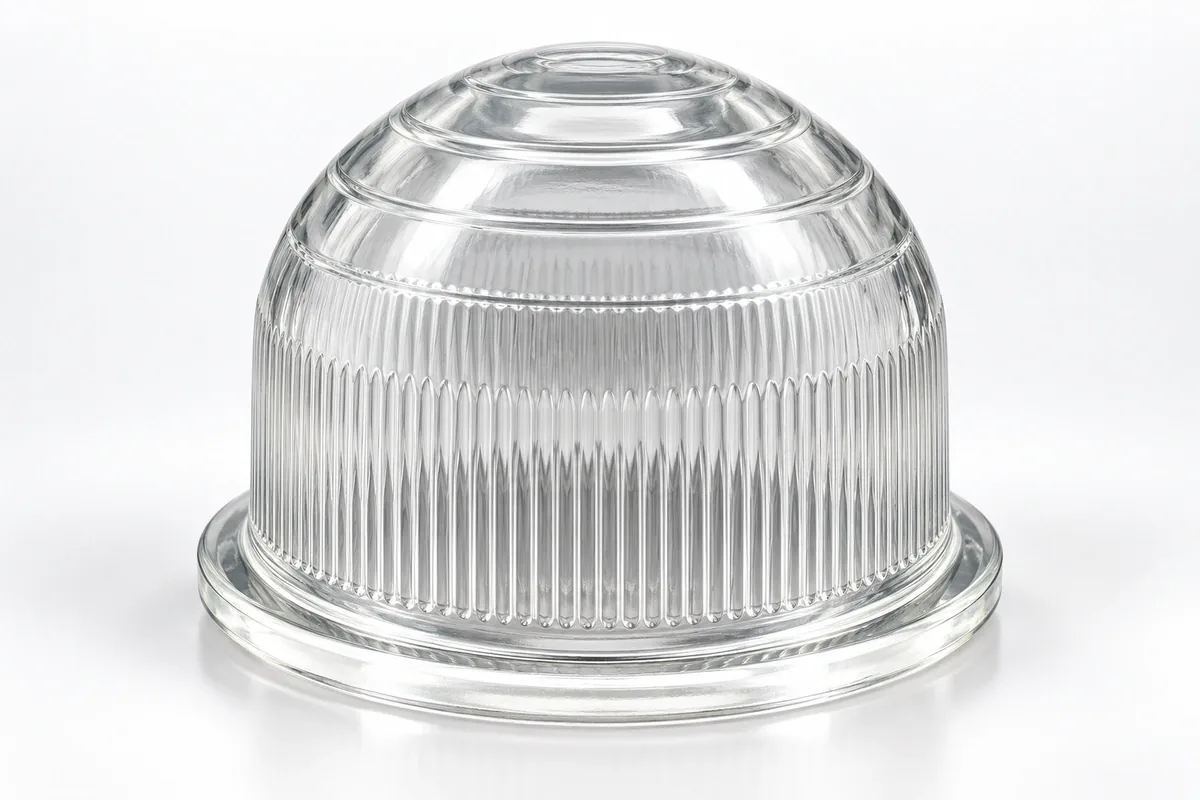
| Ribbed lamp cover | Molded optical surface and reinforced visual profile | Vehicles, signals and industrial fixtures |
| Flat or stepped window | Supported on a gasket or shoulder | Instruments, appliances and enclosed luminaires |
| Flanged cover | Wide seating area for clamping and sealing | Equipment and sealed housings |
| Threaded cover | Screw-on interface with a controlled holder | Compact replaceable assemblies |
Service and Assembly Specifications
| Continuous / peak temperature | BOROFLOAT 33 material reference: 450°C long-term / 500°C short-term (under 10 h); final cover rating is design-specific |
|---|---|
| Thermal cycling | Defined for the intended service environment; assembly-level responsibility agreed before production |
| Impact requirement | Complete-fixture requirement; test method and level by application |
| Outdoor / UV exposure | Defined by installation environment and complete-fixture validation |
| Chemical or cleaning exposure | Specified medium, concentration, temperature and contact time |
| Ingress requirement for assembly | System-level rating; validated with housing, gasket and retainer |
| Gasket material and contact width | Defined by the assembly drawing |
| Supported diameter / span | Defined by the assembly drawing |
| Retention method and load | Defined by the assembly drawing and validation plan |
| Applicable product standard | Specified for the complete luminaire or equipment assembly |
Ingress, pressure, impact and explosion ratings belong to the complete luminaire or equipment assembly unless a standard explicitly defines a component test. The glass drawing should therefore identify both component inspections and assembly-level validation.
Glass Processing Options
- Mold forming: produces curved bodies, ribs, flanges and other repeated geometry
- Annealing: controls residual stress after forming
- Physical or chemical tempering: strengthens compatible glass geometries
- Drilling and edge finishing: creates assembly features where stress and geometry permit
- Coating and sandblasting: adds optical, decorative or surface functions
Custom Production Route
Lampoptics has separate lamp-glass, mold, optical-lens and tempering workshops. Two electric furnaces, two electric annealing furnaces and three automatic lines support production of molded glass components and subsequent processing.
A new industrial cover can be reviewed from a controlled housing drawing or approved sample. Material, wall, tolerance and test responsibilities are fixed only after the complete duty is confirmed.
Industrial Lamp Cover Processing
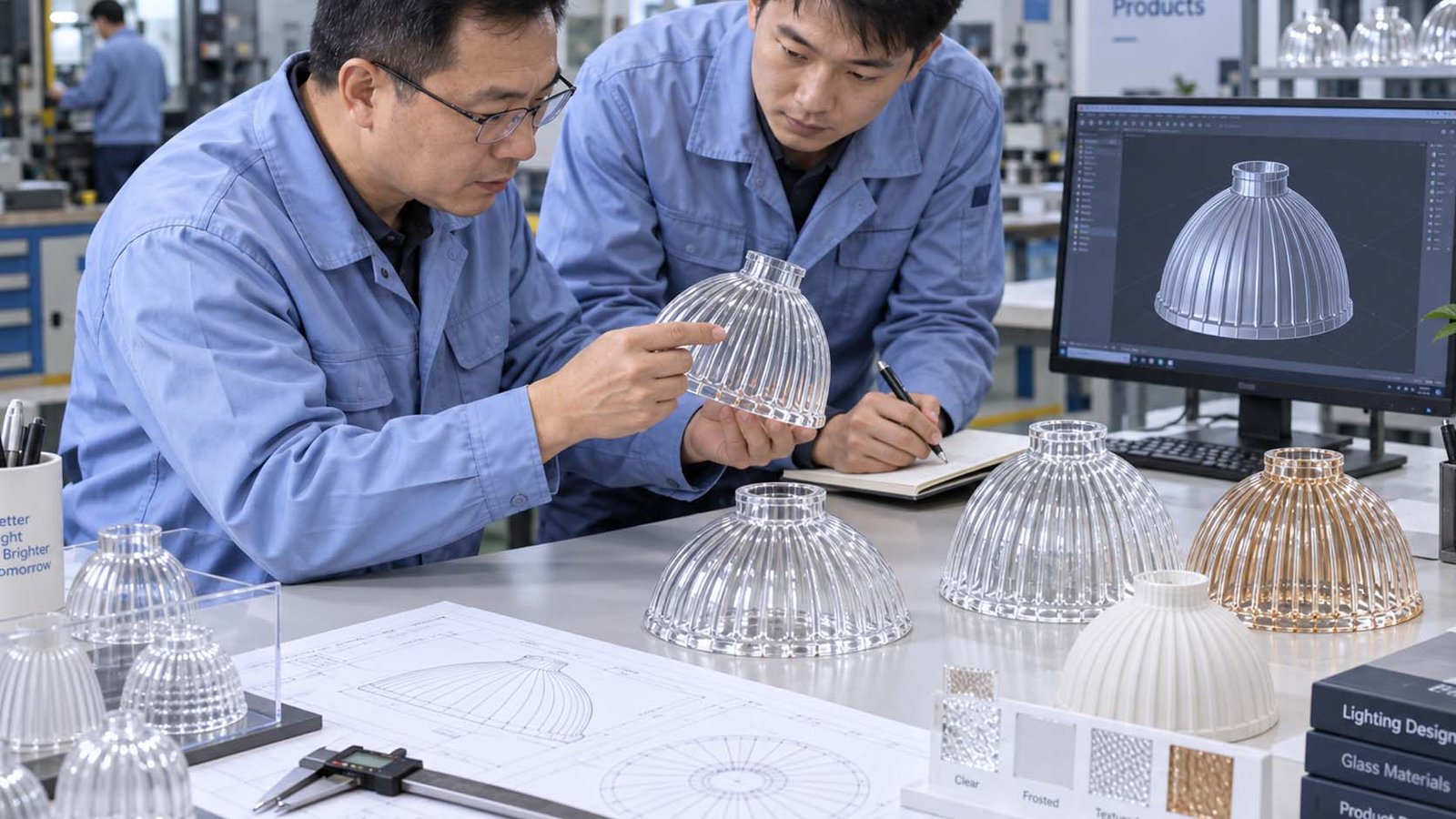
Duty and Housing Review
The operating temperature, impact exposure, seal, retainer and supported area are reviewed before the glass route is fixed.
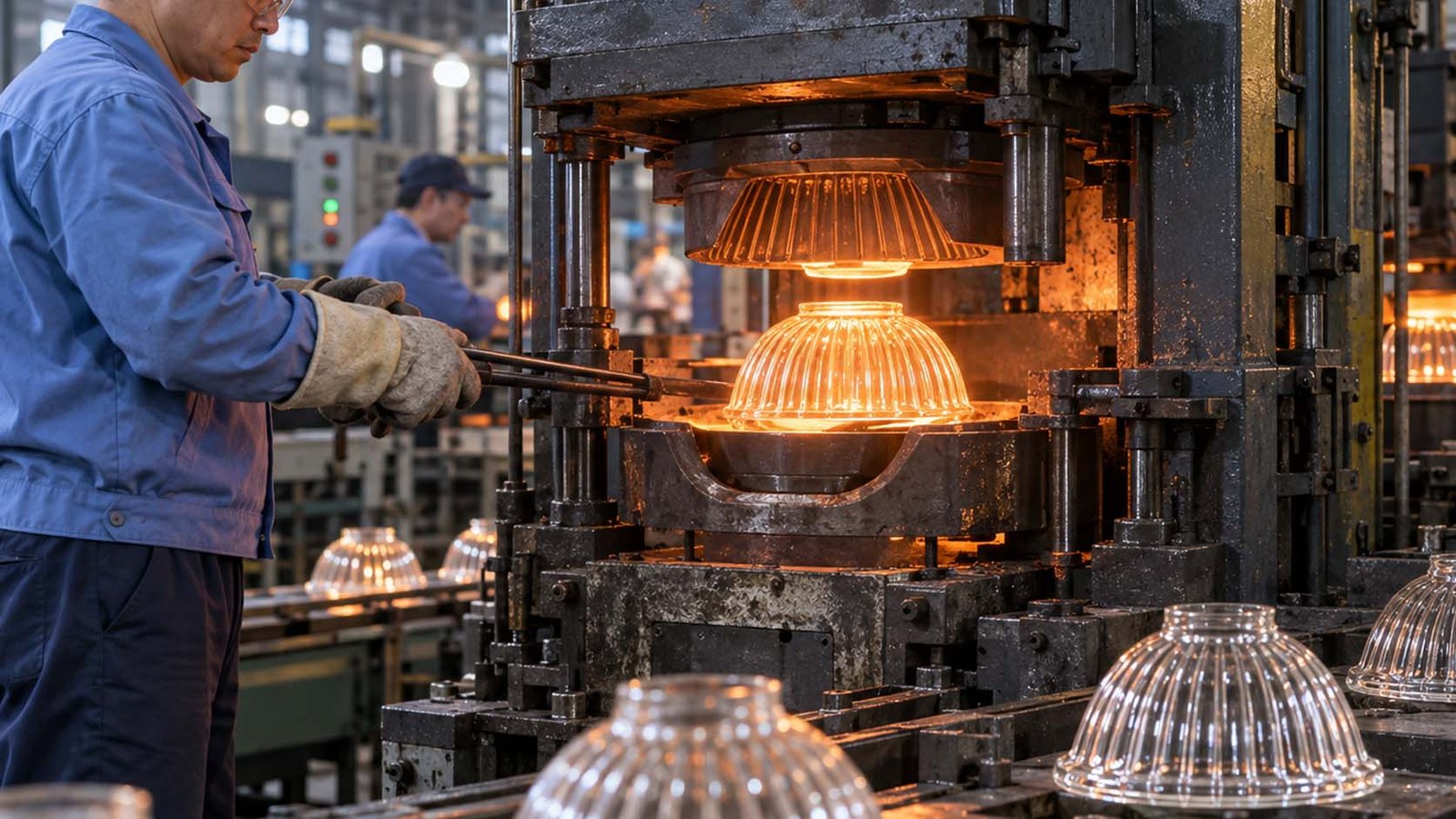
Cover Forming
The cover is molded or processed to create the required body, flange, ribs and housing interface.
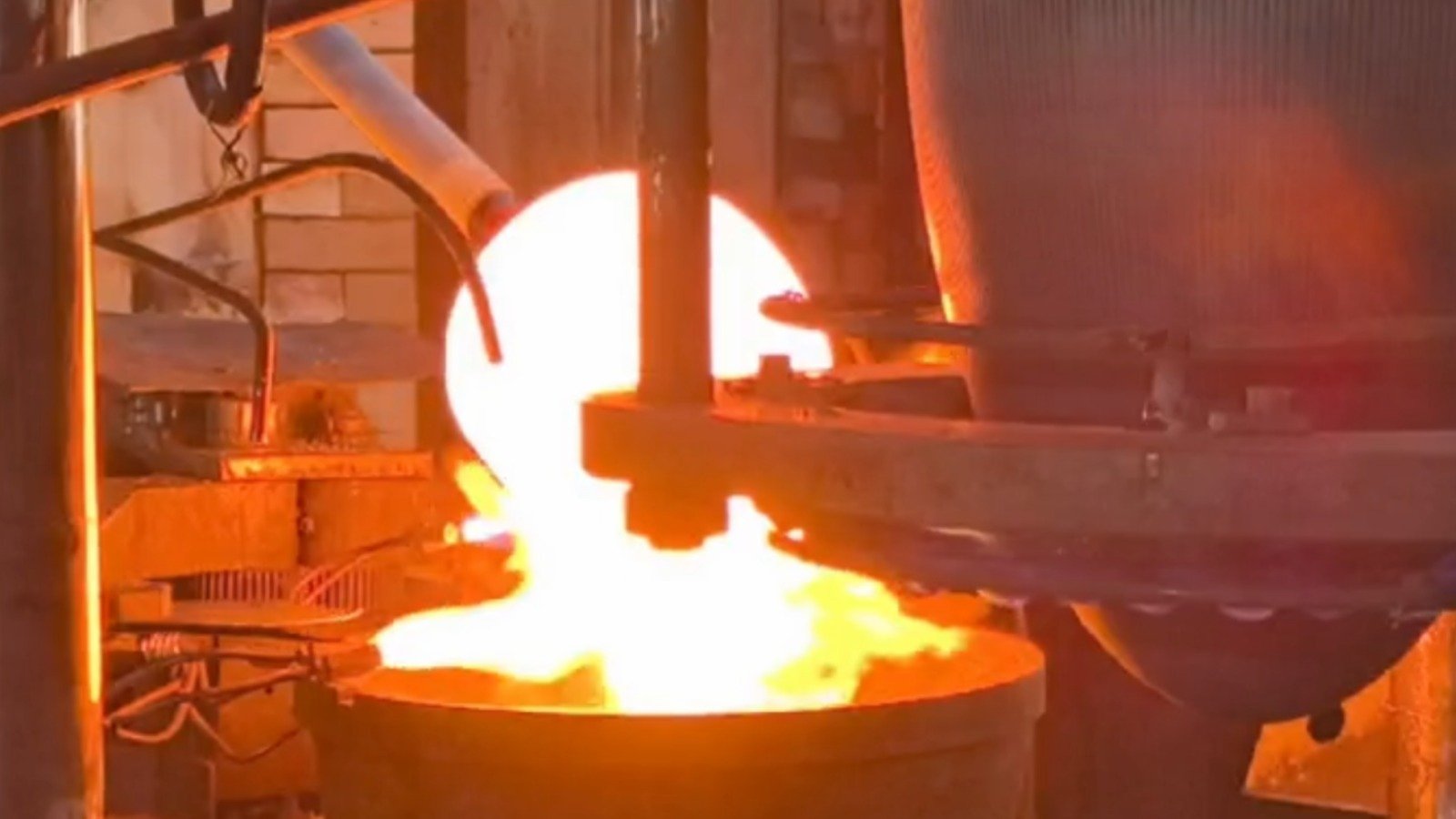
Annealing or Strengthening
The applicable annealing, physical tempering or chemical strengthening route is selected for the glass and geometry.
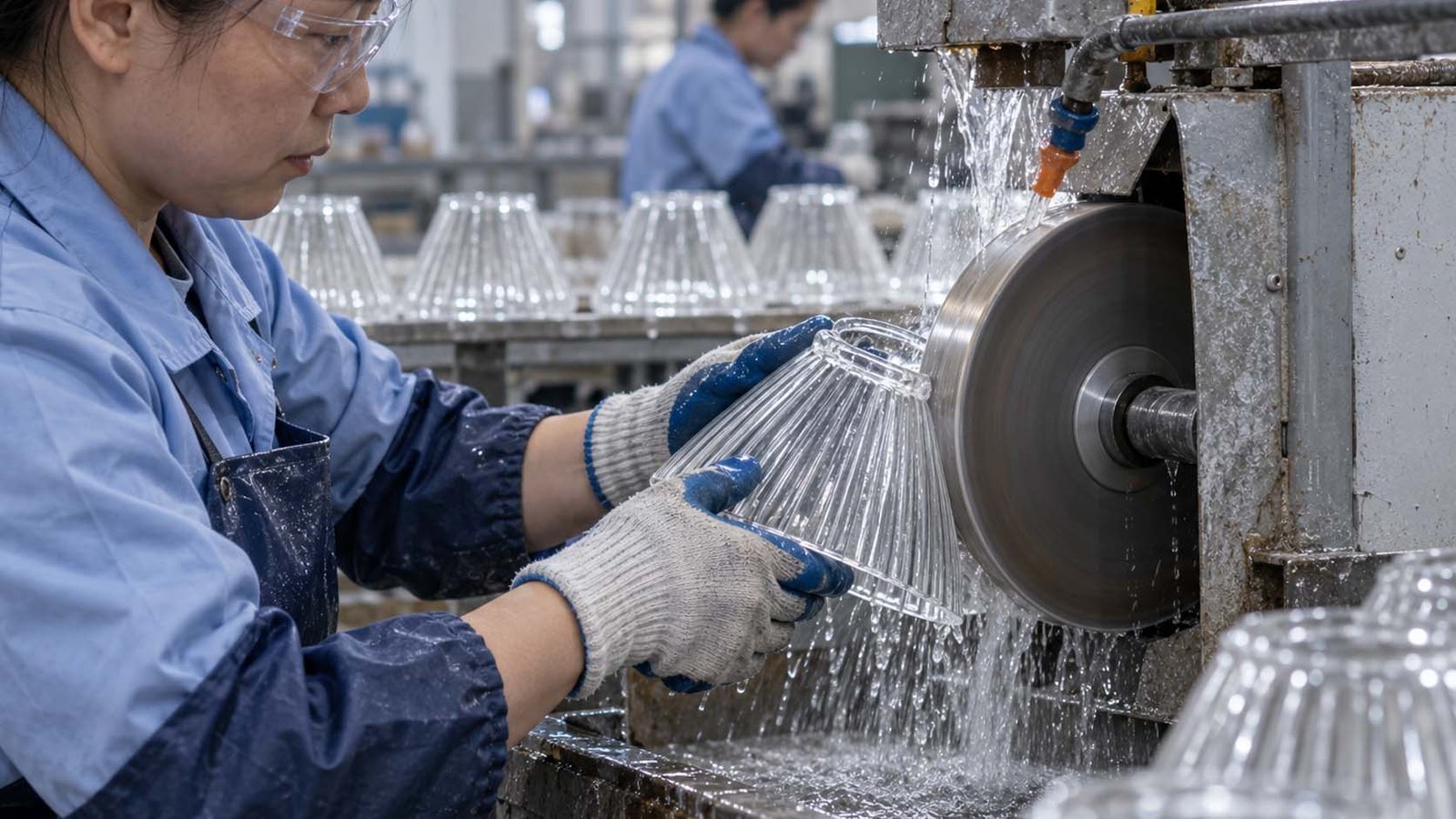
Assembly-Focused Inspection
Critical dimensions, gasket faces, edge condition and visible defects are inspected against the approved drawing.
Applications
- Industrial machinery: work lights, indicators and enclosed equipment lighting
- Outdoor and landscape lighting: weather-exposed domes and covers
- Vehicle and agricultural lighting: headlamp, fog-lamp and signal glass
- Oven and appliance lights: covers developed for thermal service
- Marine, mining and utility fixtures: heavy-duty glass integrated into tested housings
Industrial Glass Lamp Cover FAQs
Is the glass cover alone IP rated?
Normally the ingress rating applies to the complete housing, gasket and retainer assembly, not the glass component by itself.
Can Lampoptics make a cover from a housing drawing?
Yes. The housing data establish the supported area, gasket interface, clearance and retention geometry.
Can industrial covers be tempered?
Physical and chemical tempering are available processes. Compatibility and verification are confirmed for the selected material and geometry.
Can ribs or prisms be molded into the cover?
Yes, when the optical pattern, wall design and mold release are feasible.
What service data are required?
Temperature, cycling, impact, chemicals, supported span, gasket contact, retention and the applicable assembly standard define the duty.