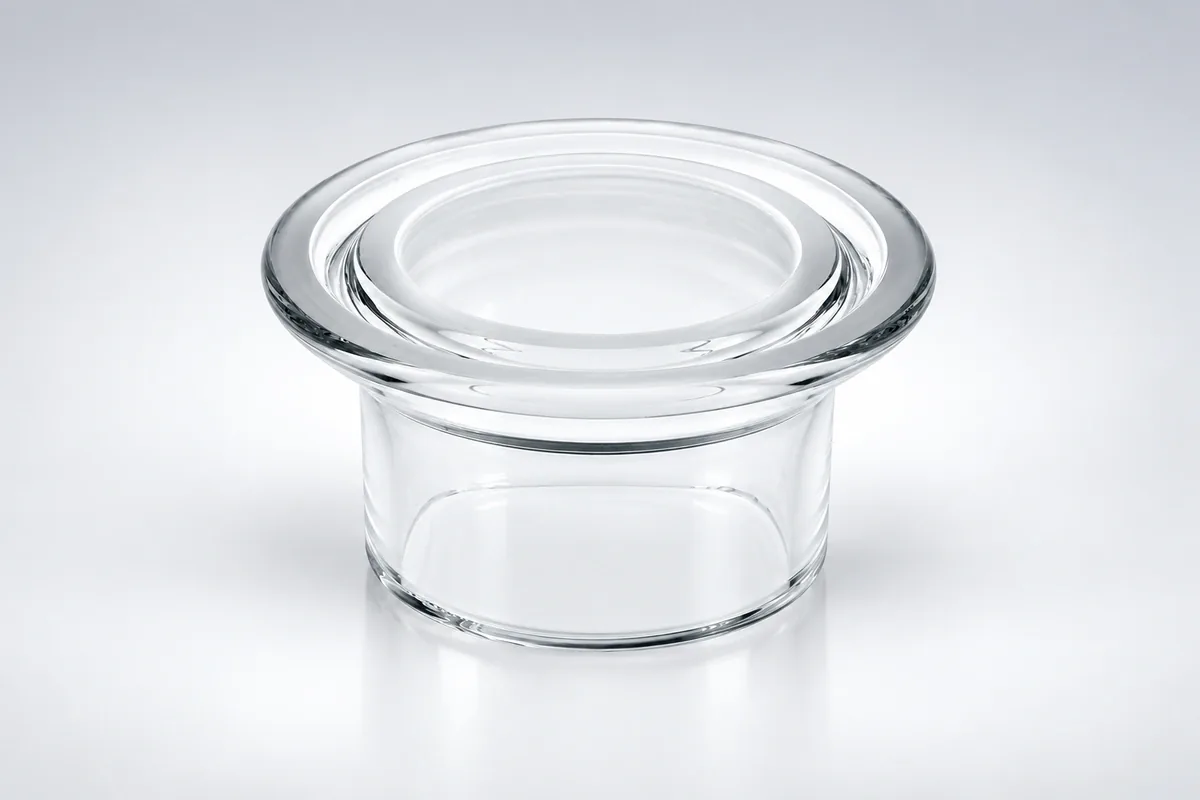
Custom Protective Glass Covers
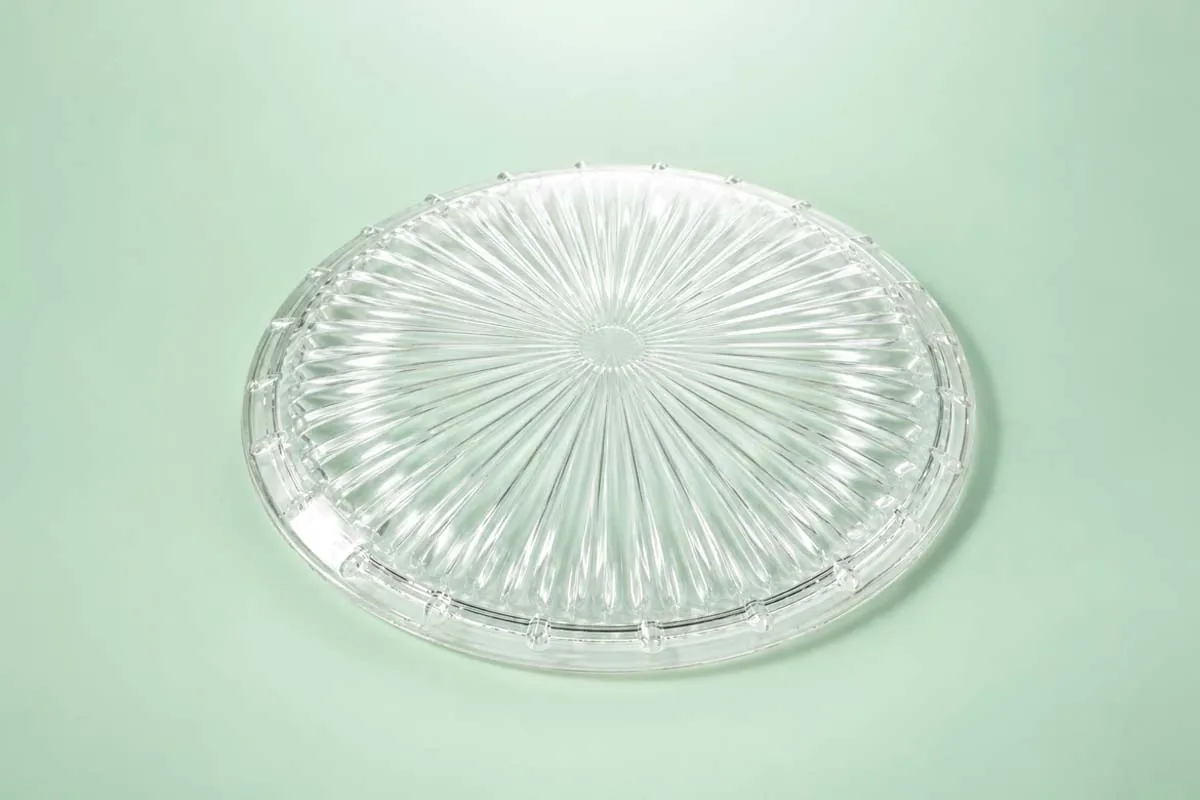
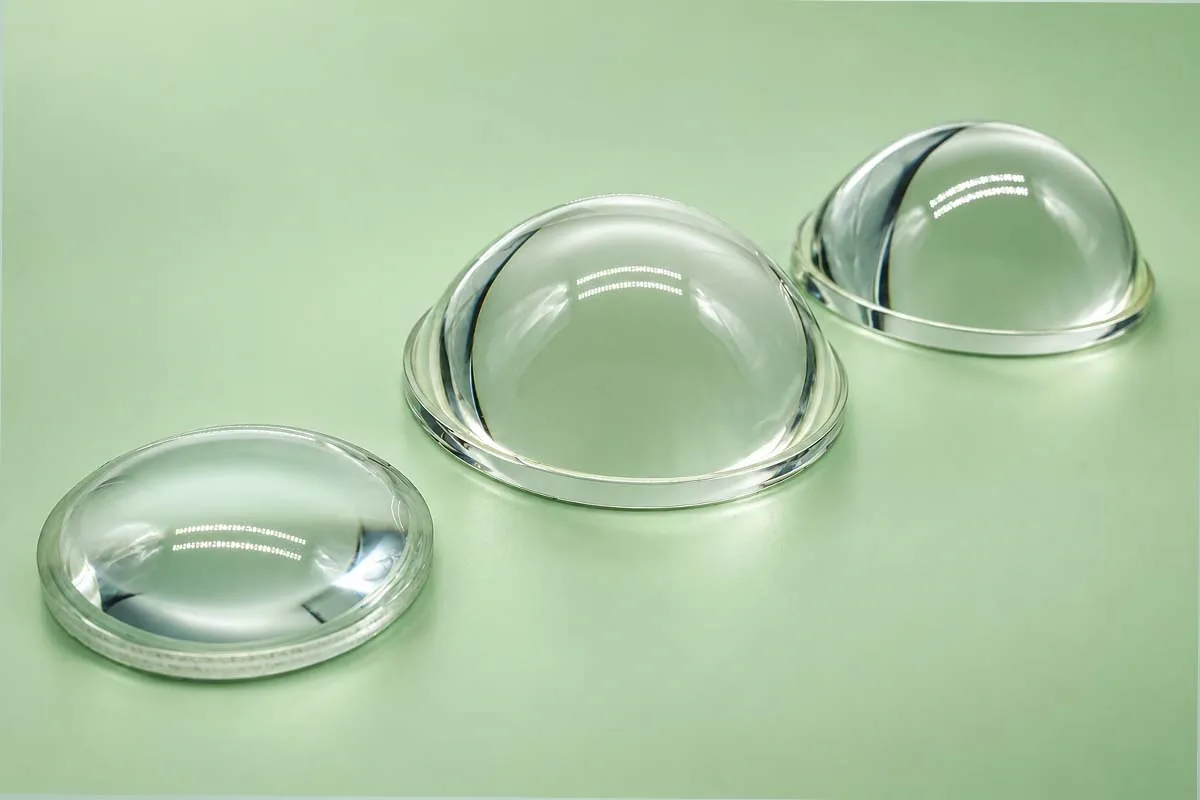
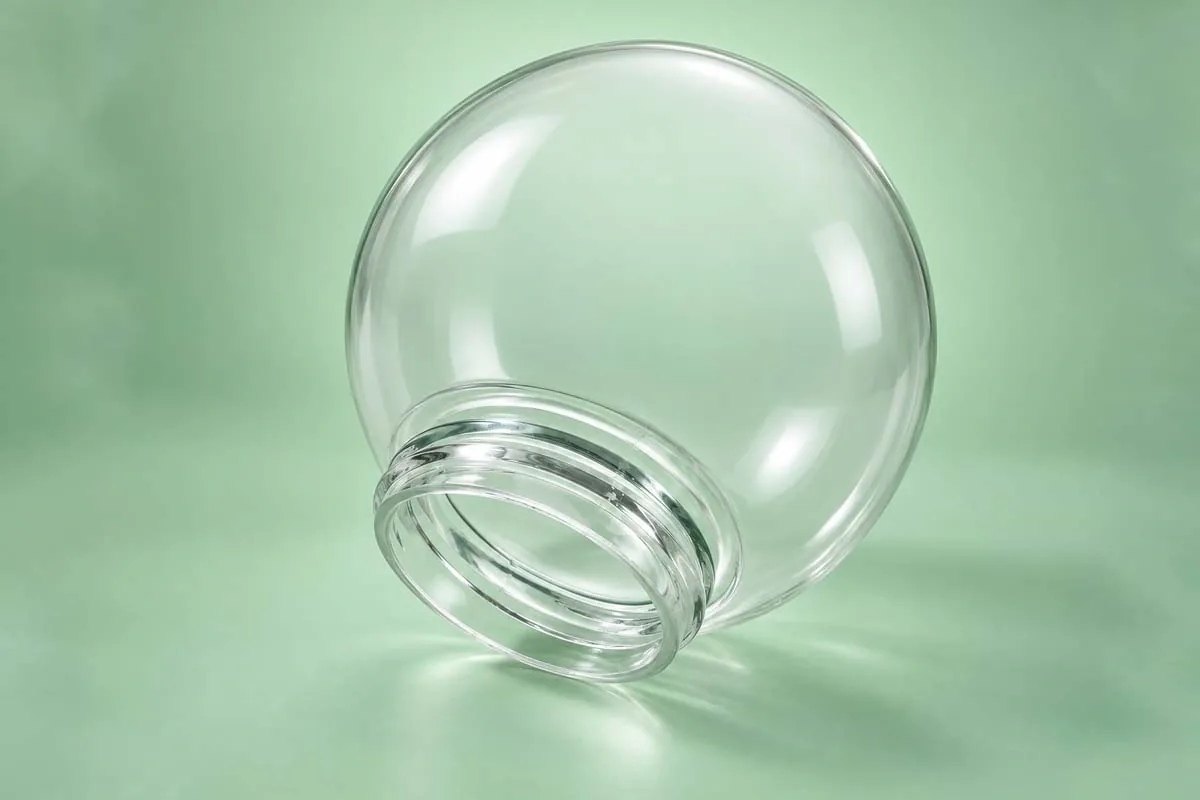
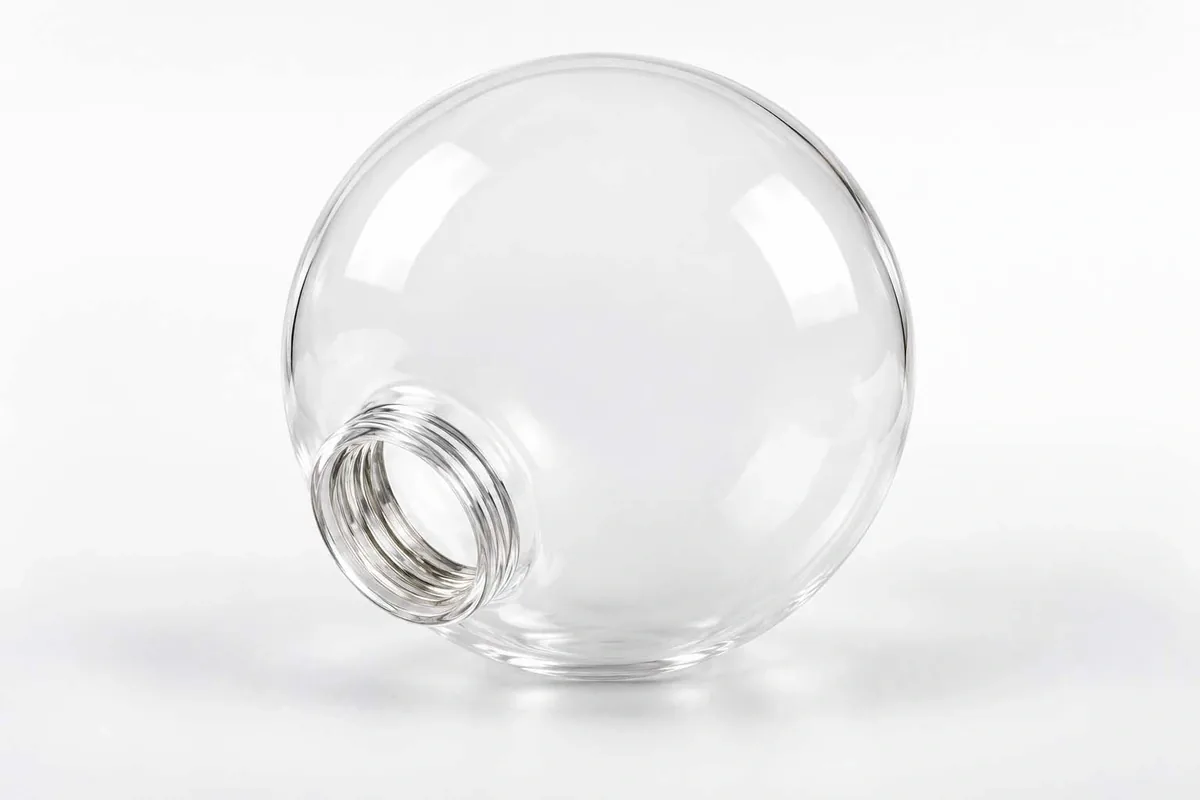
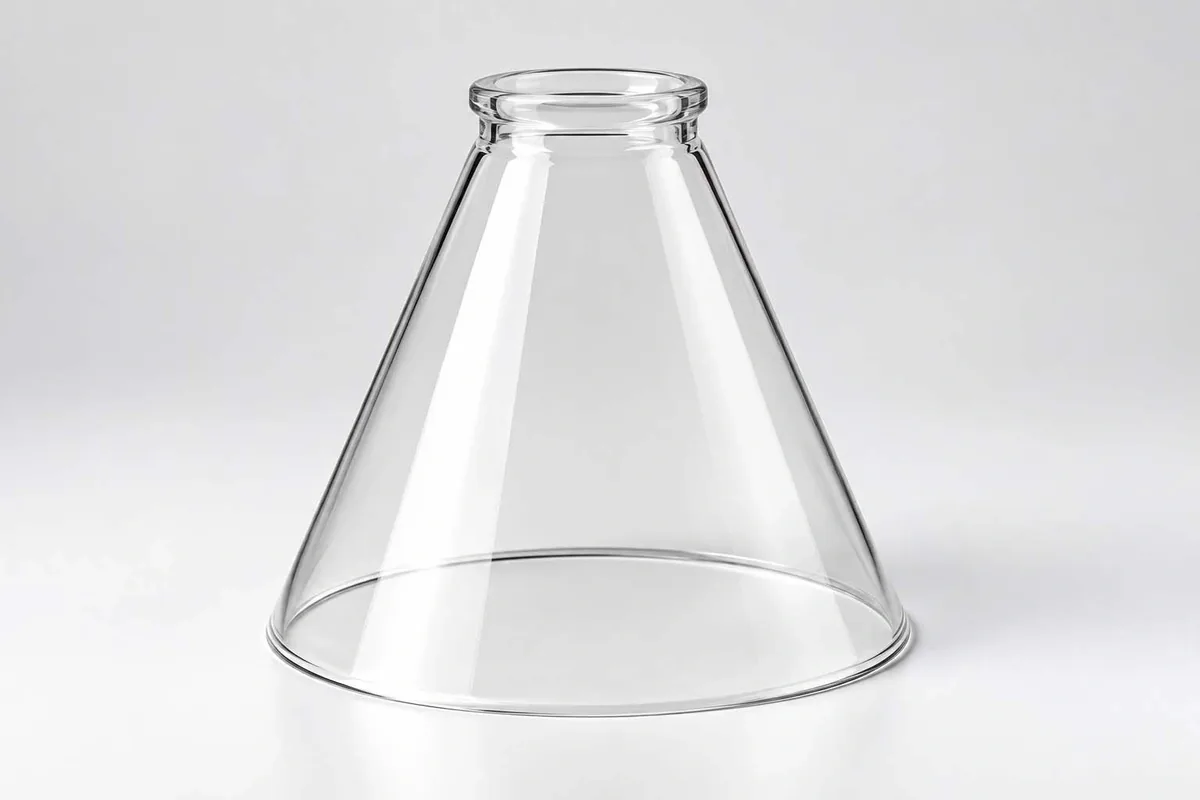
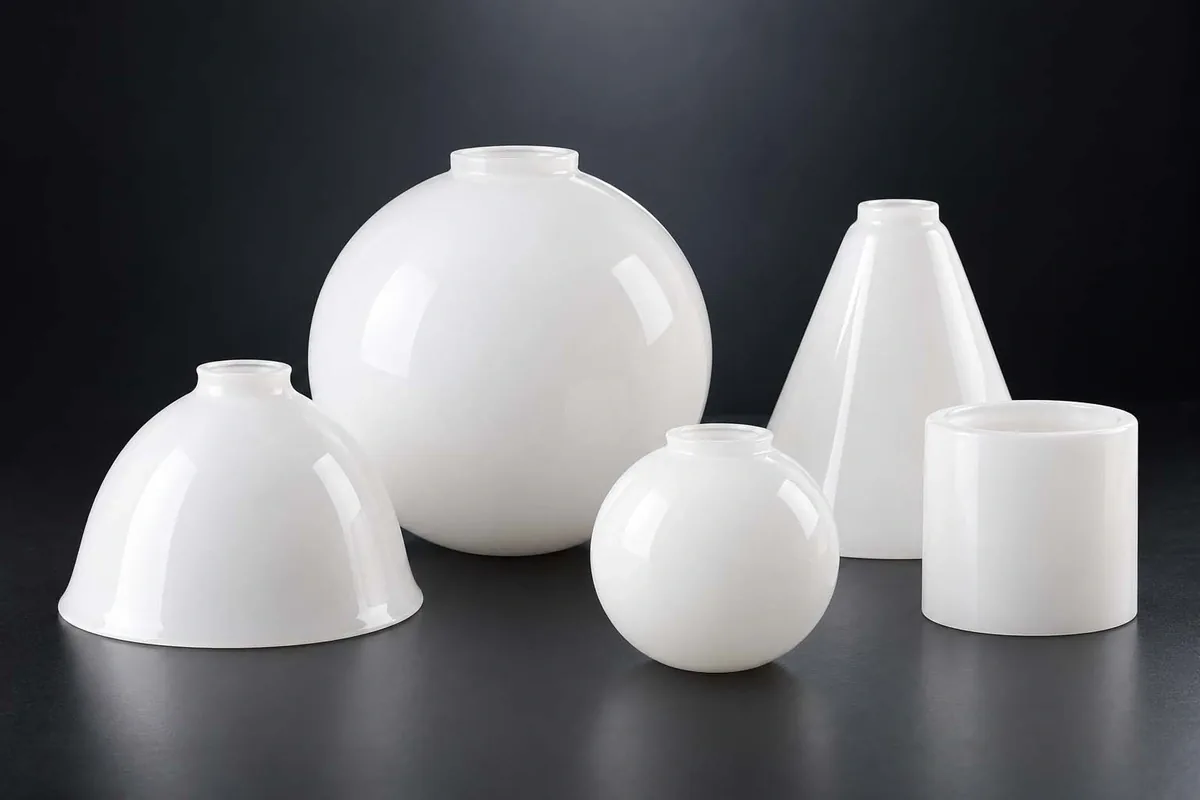
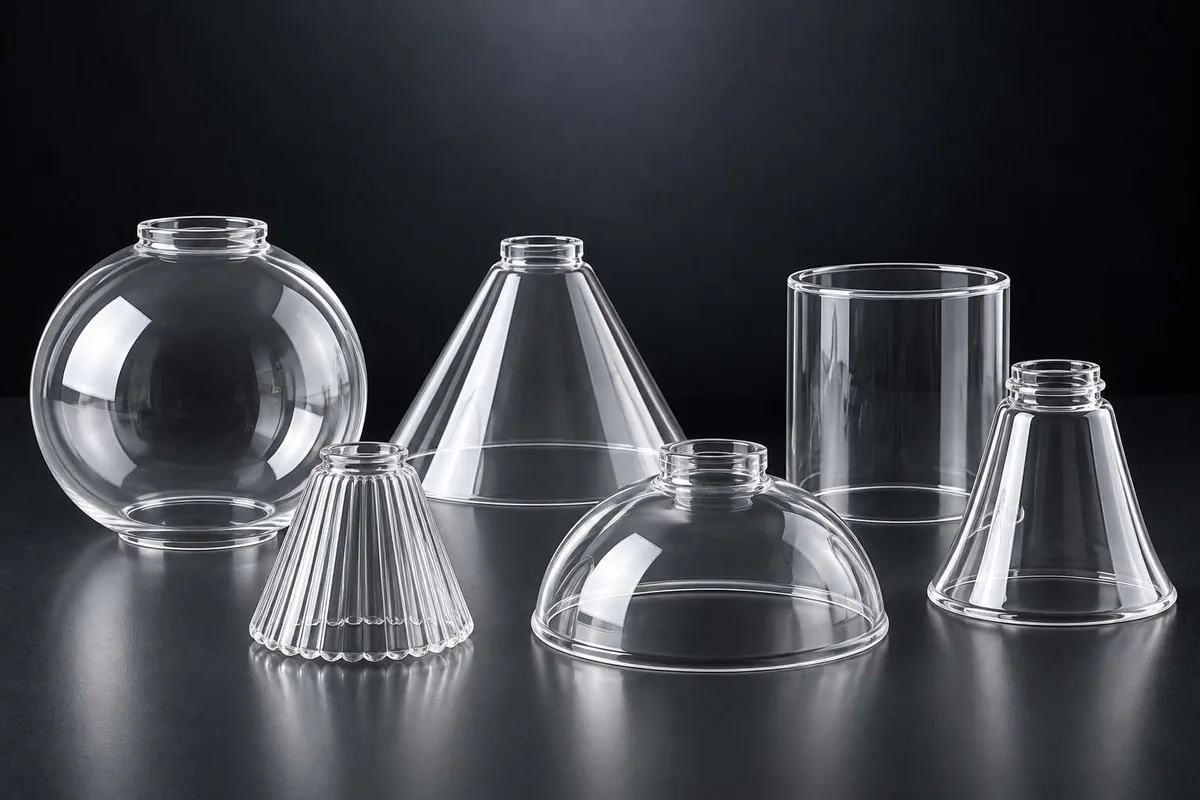
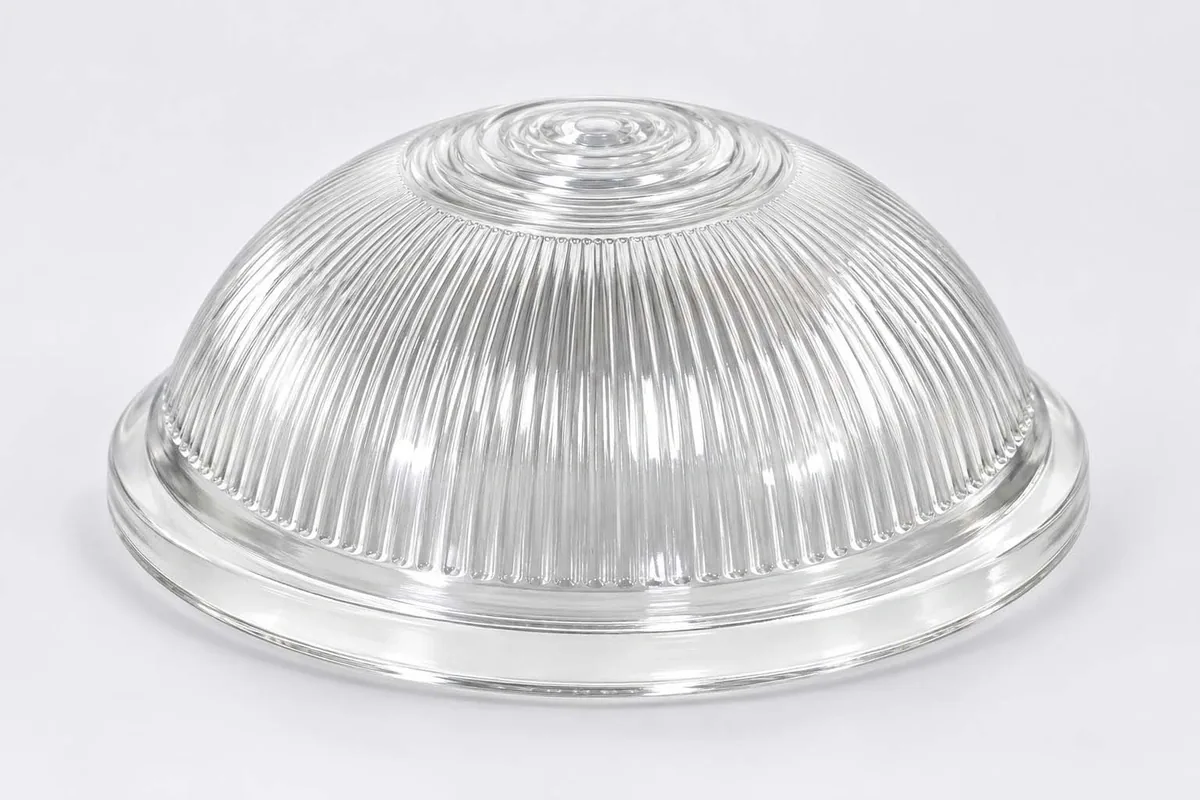
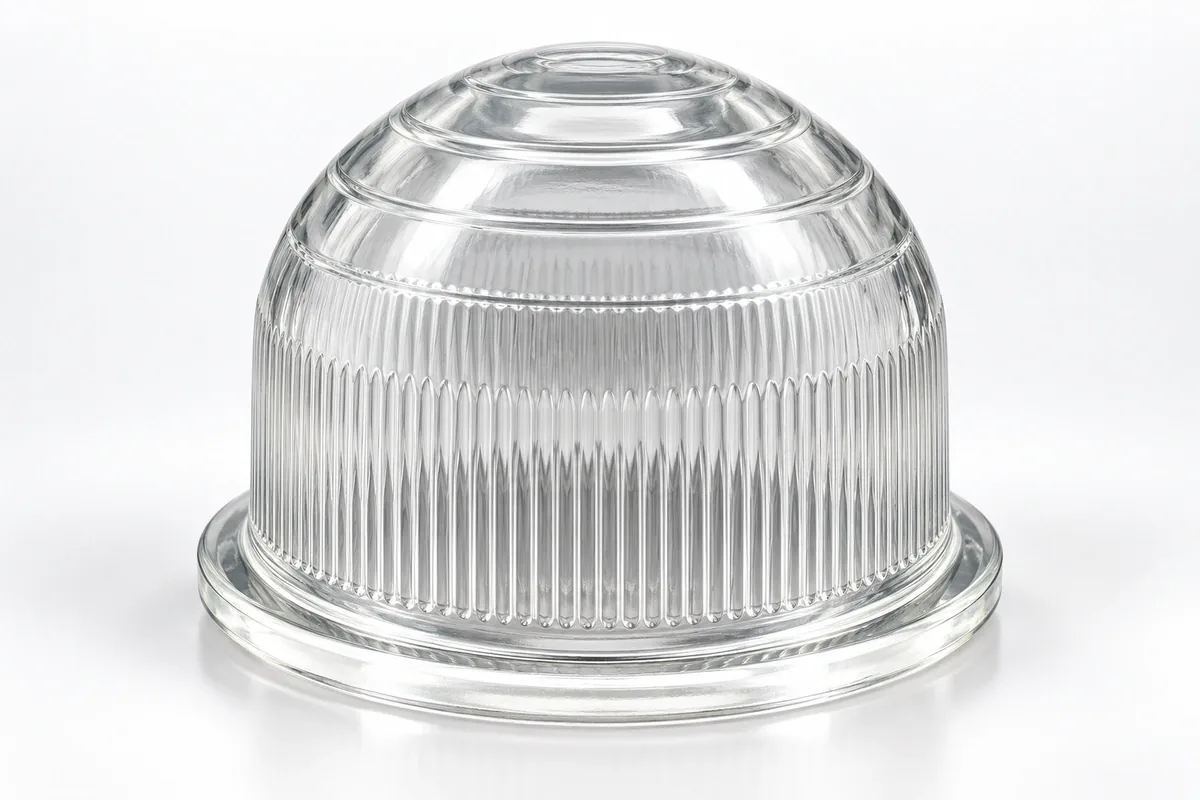
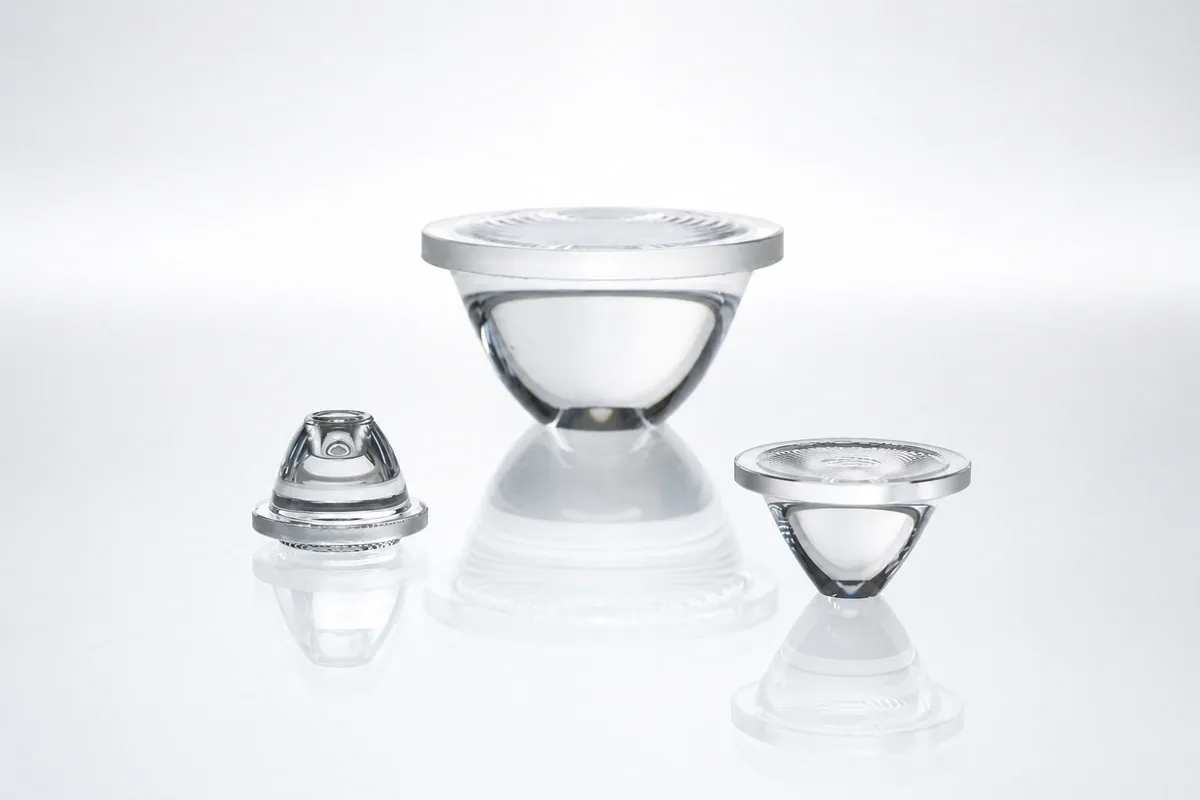
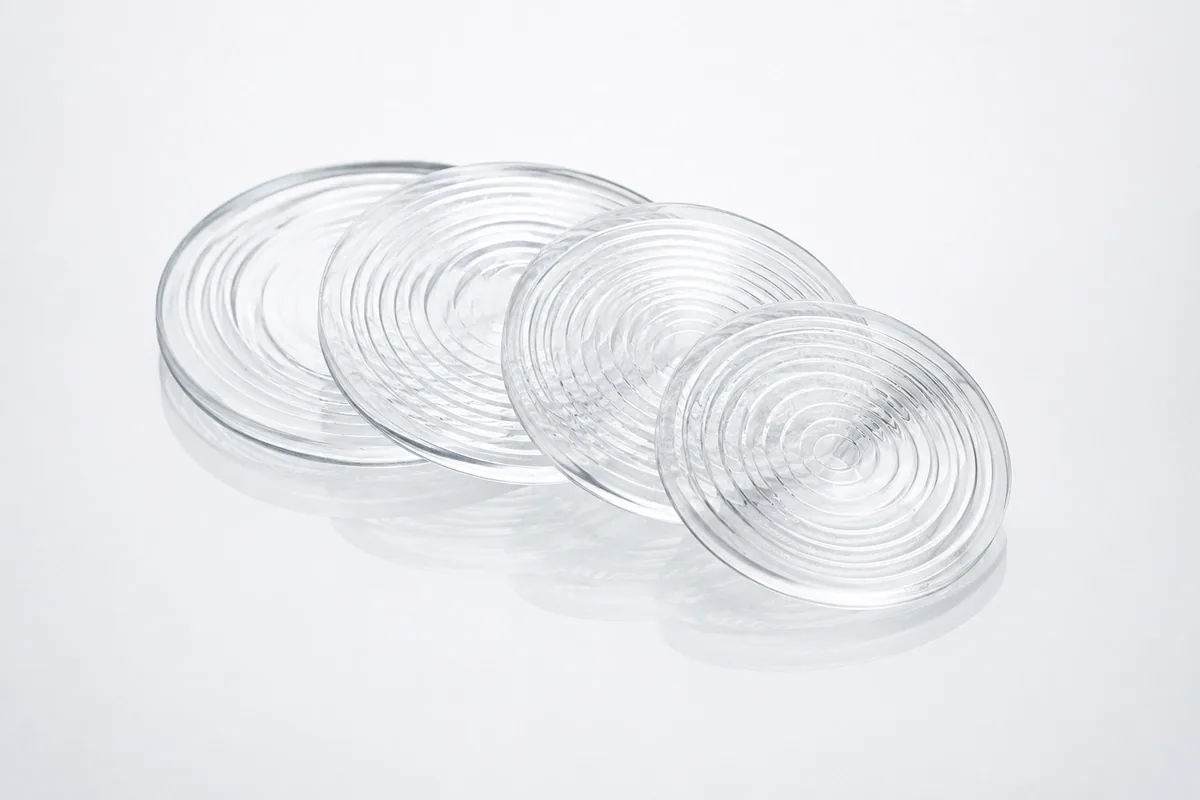
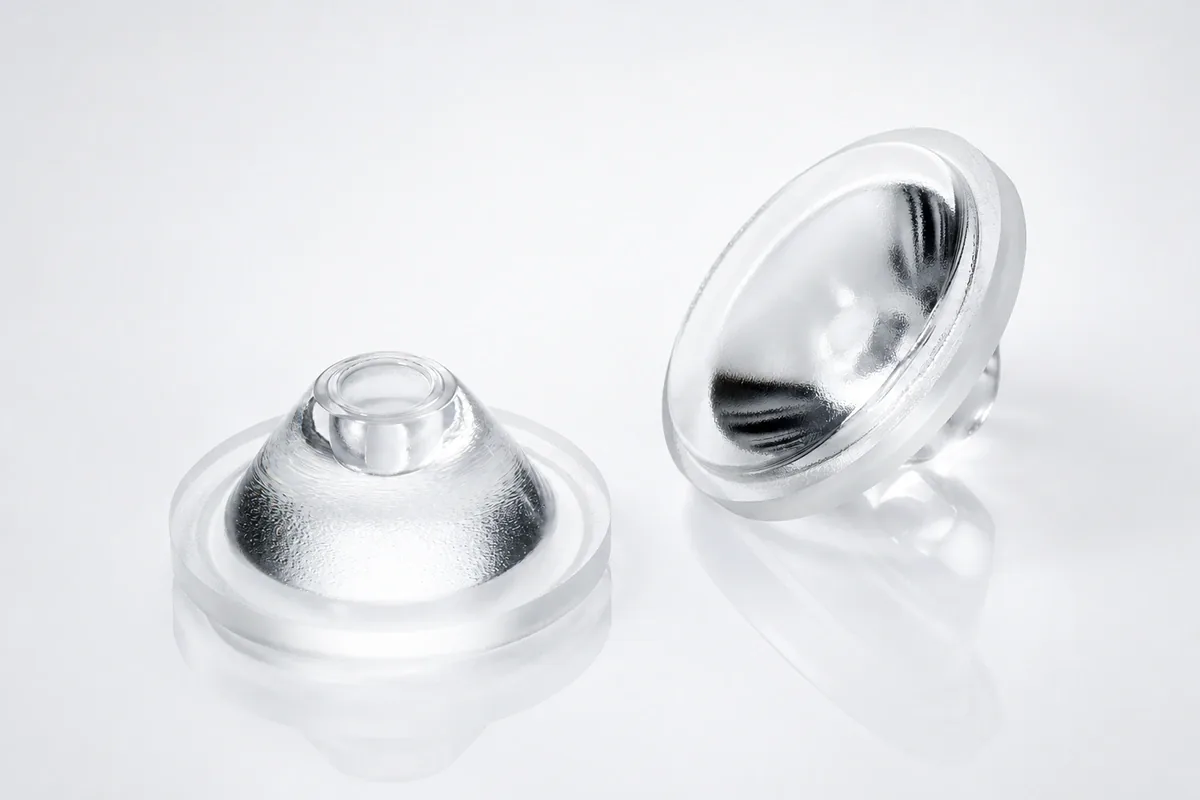
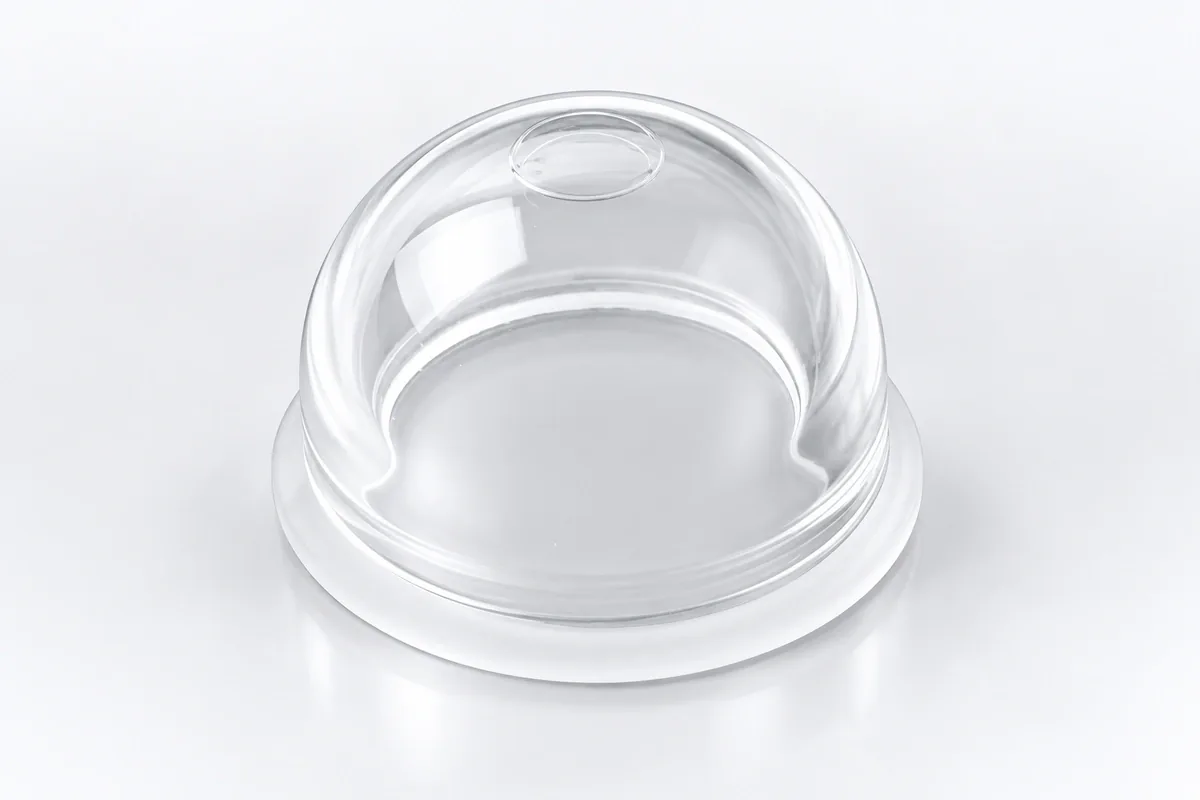
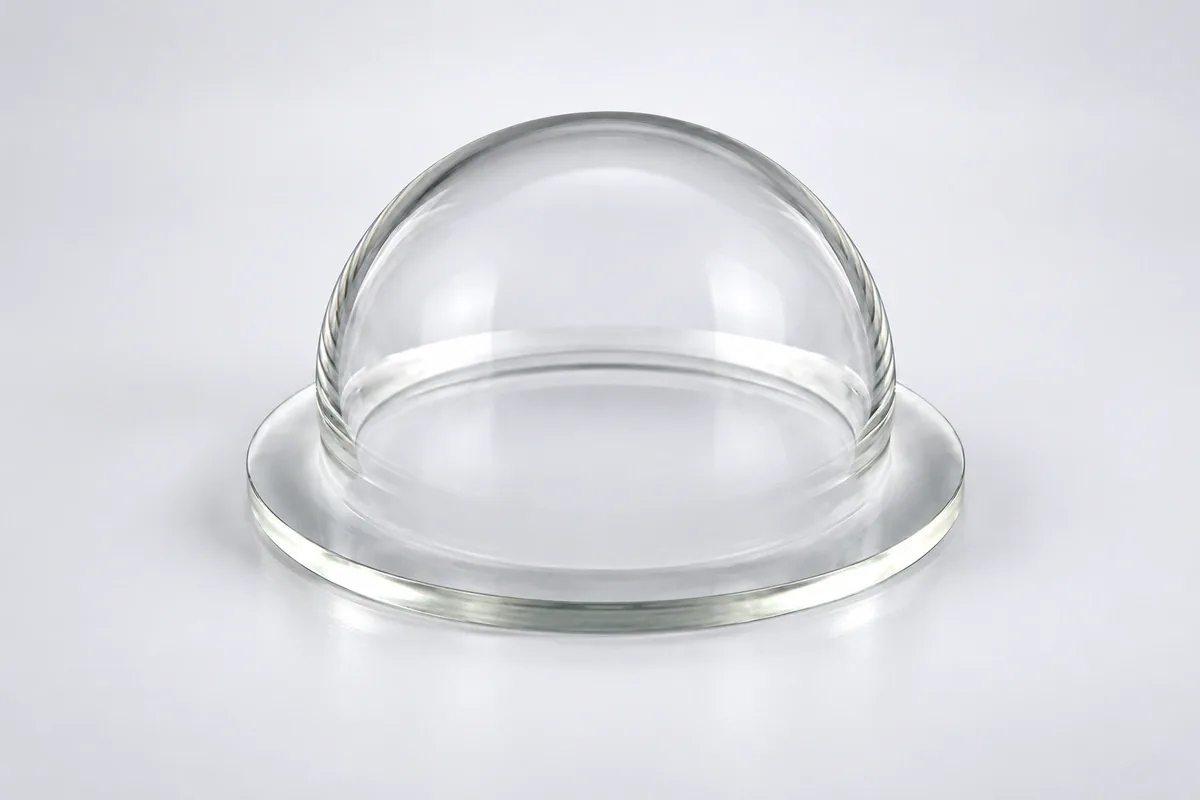
Protective glass covers isolate lamps, LEDs, sensors, displays or instruments from touch, impact, abrasion, splash, dust, heat and chemical exposure. The cover can be flat, stepped, curved, domed, flanged or molded with optical texture.
The correct glass is selected from the required protection duty and optical function. A cover that only needs scratch resistance is different from one that must survive thermal cycling, impact or a sealed outdoor housing.
Specification note: Numerical ranges shown on this page are preliminary engineering references for project screening. The quotation and approved drawing define the final material, dimensions, tolerances, processing route and inspection method.
Protection Functions
| Function | Glass / process consideration | Typical assembly |
|---|---|---|
| Impact protection | Material, thickness, strengthening and supported span | Machine, vehicle and outdoor cover |
| Thermal protection | Expansion, thermal shock, edge condition and cycling | Oven, lamp and high-temperature window |
| Abrasion protection | Surface hardness, coating and cleanability | Display, sensor and instrument cover |
| Chemical protection | Glass durability, coating compatibility and seal | Process and laboratory equipment |
| Weather protection | UV, moisture, temperature cycle and housing ingress | Exterior lighting and meters |
Protective Cover Specifications
| Outside size and thickness | Flat/stepped reference 2–300 mm outside size and 0.5–50 mm thickness; curved covers require tooling review |
|---|---|
| Glass grade | Selected for the application and confirmed with the quotation and material data |
| Clear aperture | Defined in the controlled assembly drawing |
| Transmission / haze | Specified for the application wavelength and viewing condition |
| Impact or load requirement | Complete-assembly requirement unless a component standard applies |
| Temperature / thermal shock | Defined for the intended service environment; assembly-level responsibility agreed before production |
| Abrasion / cleaning exposure | Confirmed after drawing, sample and process review |
| Chemical environment | Defined for the intended service environment; assembly-level responsibility agreed before production |
| Edge / holes / steps | Drilled-hole reference Ø3–50 mm; complex holes, steps and edge tolerances are drawing-controlled |
| Coating or surface treatment | Selected from confirmed project-compatible processes and approved by sample |
Thickness should not be chosen from impact energy alone. The supported span, boundary condition, hole and edge geometry and strengthening state all affect cover performance.
Strengthening and Finishing
- Physical tempering: introduces surface compression in compatible thicknesses and shapes
- Chemical tempering: strengthens suitable glass through ion exchange and can support thinner parts
- Coating: adds spectral, reflective, decorative or protective performance
- Sandblasting: creates diffusion or a controlled matte area
- Drilling and edge finishing: prepares mounting features before or within the approved process sequence
Housing Integration
The housing should support the glass over a controlled area, maintain gasket contact and avoid rigid point loads. The retainer must provide sealing without bending the cover or loading a drilled hole incorrectly.
Impact, ingress and pressure claims normally require complete-assembly testing. Component inspection and assembly-test responsibilities are agreed before production.
Custom Processing Scope
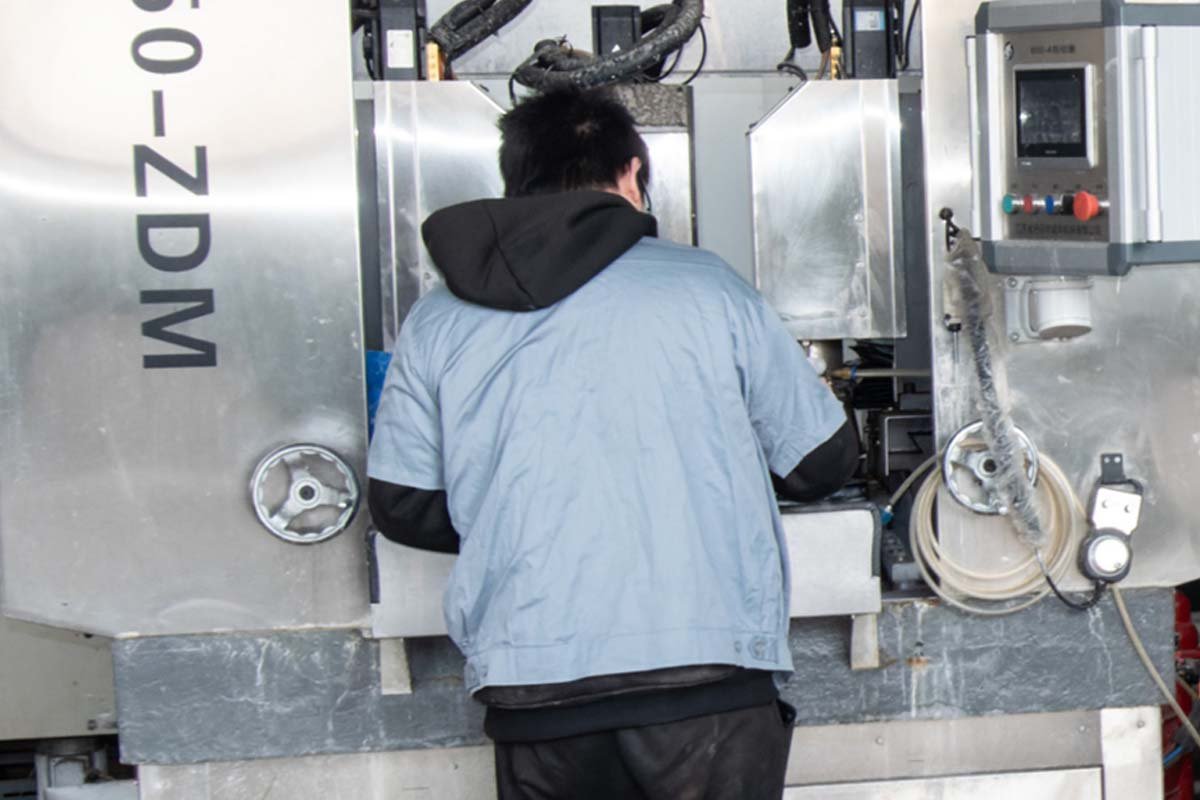
Lampoptics operates dedicated tempering, lamp-glass, mold and optical-lens workshops. Available processing includes physical and chemical tempering, coating, sandblasting and drilling, supported by controlled annealing and automatic production lines.
Material, maximum cover size, thickness range and performance-test responsibility are confirmed after the application drawing is reviewed.
Protective Glass Cover Processing
Protection Requirement Review
Impact, abrasion, thermal duty, transmission, housing support and sealing requirements are defined.
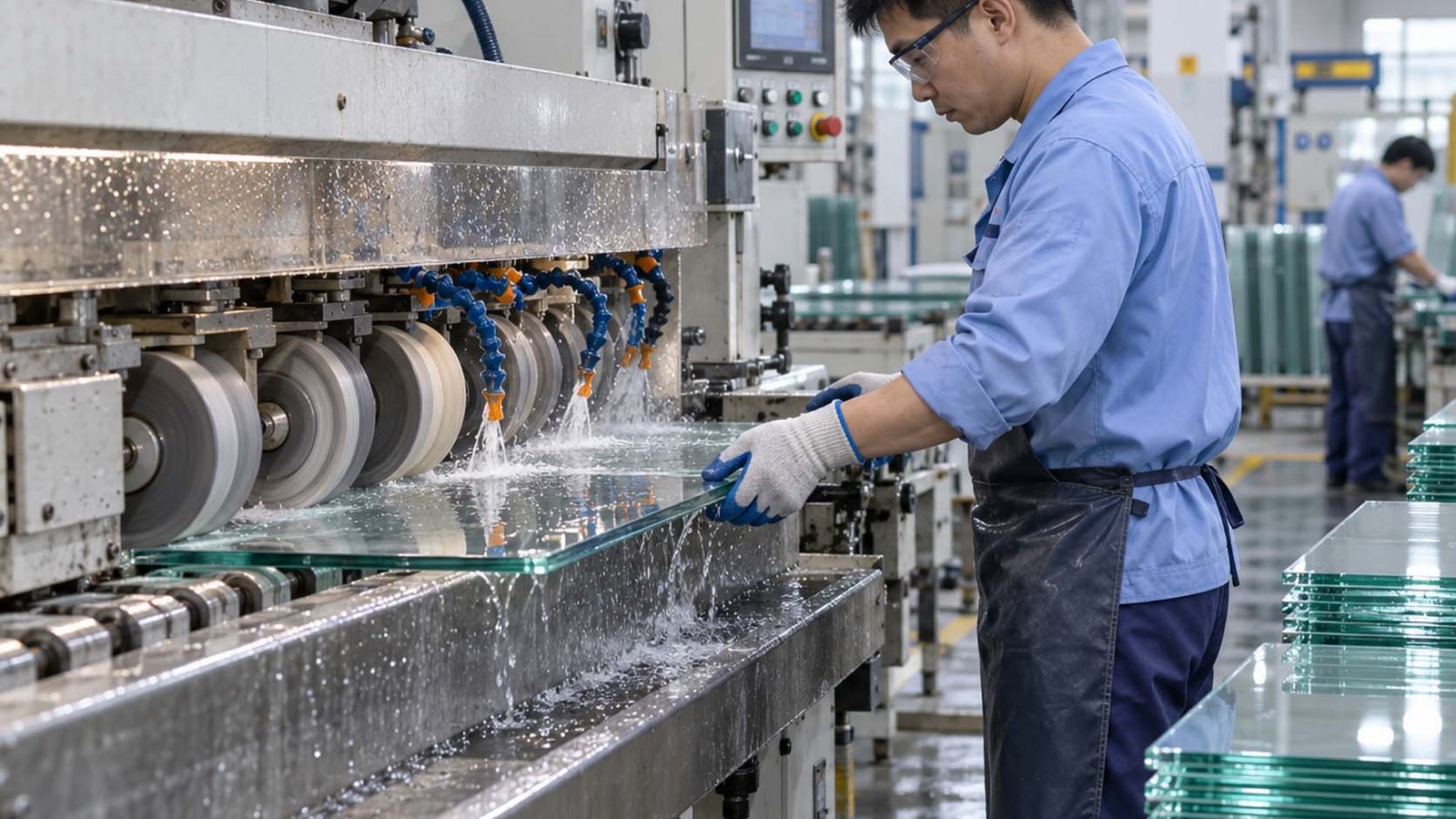
Cutting or Forming
The cover is produced as a flat, curved, stepped or molded part with the required outline and openings.
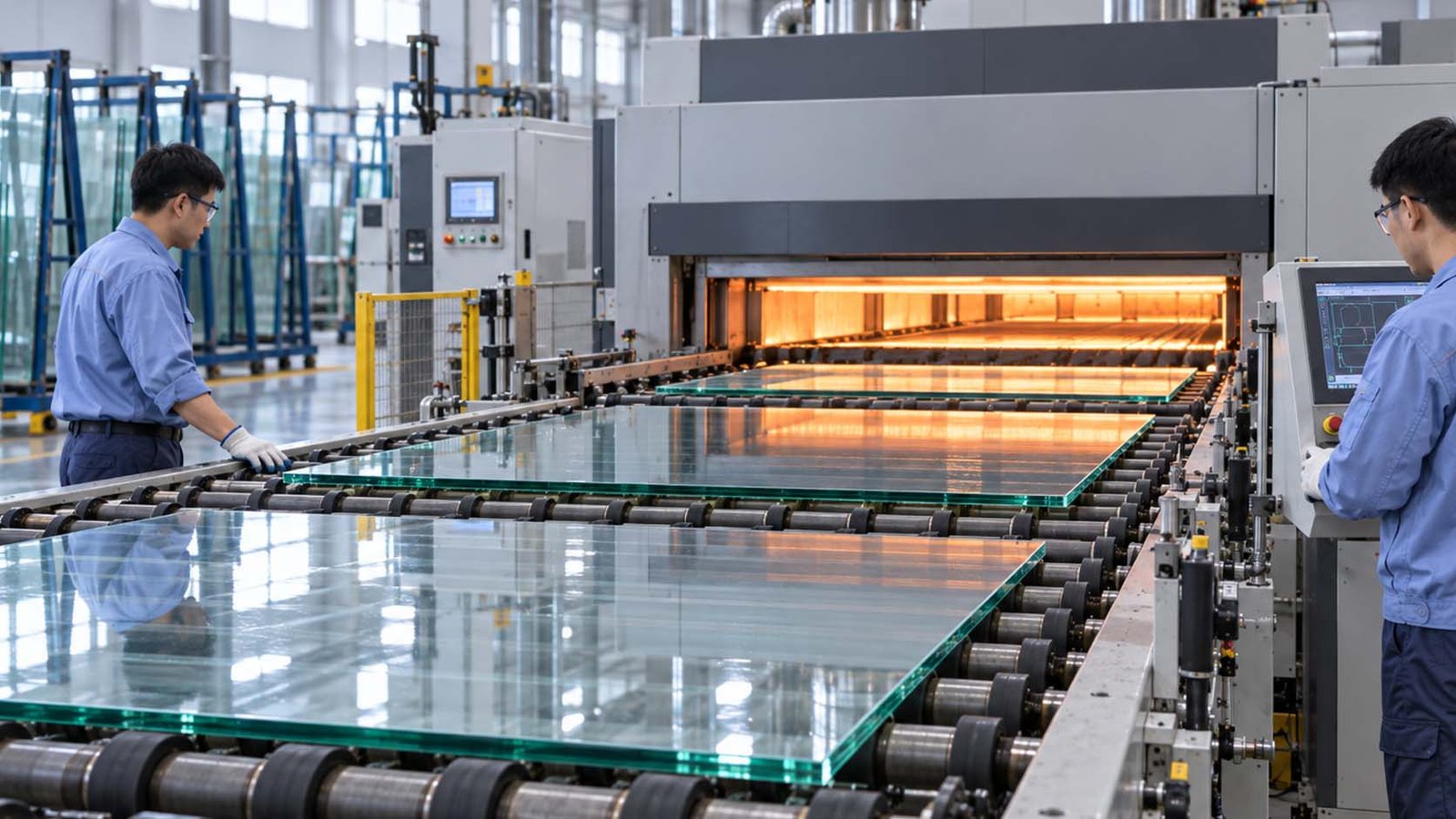
Strengthening and Finishing
Compatible parts can be tempered, chemically strengthened, drilled, sandblasted or coated.
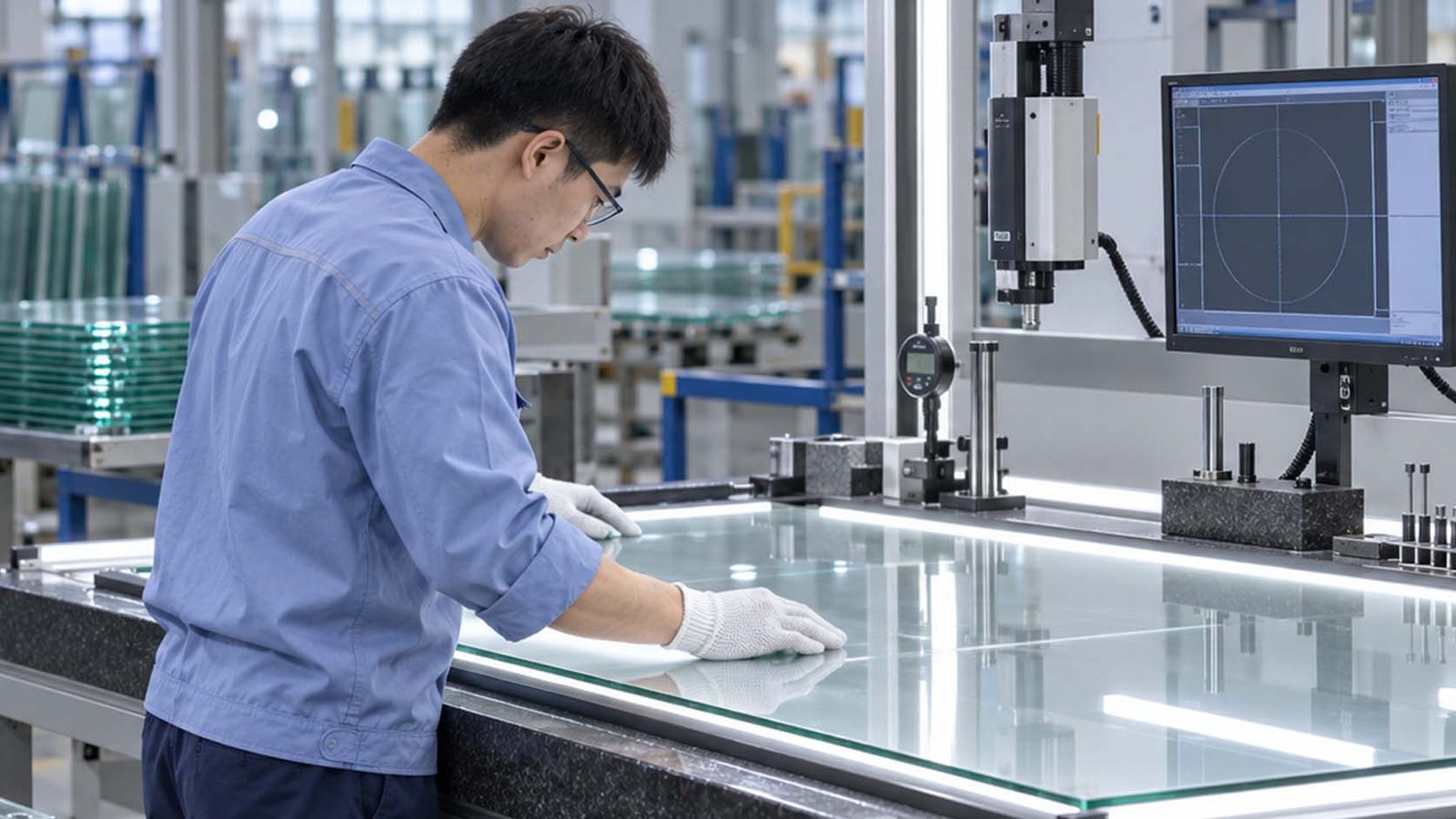
Cover and Assembly Inspection
Dimensions, edge condition, visual quality and coating are inspected; system-level protection remains an assembly test.
Applications
- Outdoor and industrial lighting: transparent or textured covers over lamps and LEDs
- Sensors and cameras: coated protective windows with a controlled clear aperture
- Displays and controls: coated or strengthened cover glass
- Meters and instruments: sealed flat or stepped windows
- Vehicles and machinery: impact- and weather-exposed lamp and indicator covers
Protective Glass Cover FAQs
Is thicker glass always more impact resistant?
Not by itself. Material, strengthening, supported span, edge quality and impact shape also control performance.
Can protective covers be curved or domed?
Yes. Molded and curved formats can be developed where the geometry and selected glass route are compatible.
Can holes be drilled in tempered glass?
Where drilling is required, the process order is confirmed before strengthening and recorded in the approved production route.
Does the glass alone provide an IP rating?
No. Ingress protection is a property of the complete cover, gasket, housing and retainer assembly.
Which strengthening process should be used?
The choice between physical and chemical tempering depends on glass grade, thickness, shape, optical requirement and target performance.